primary
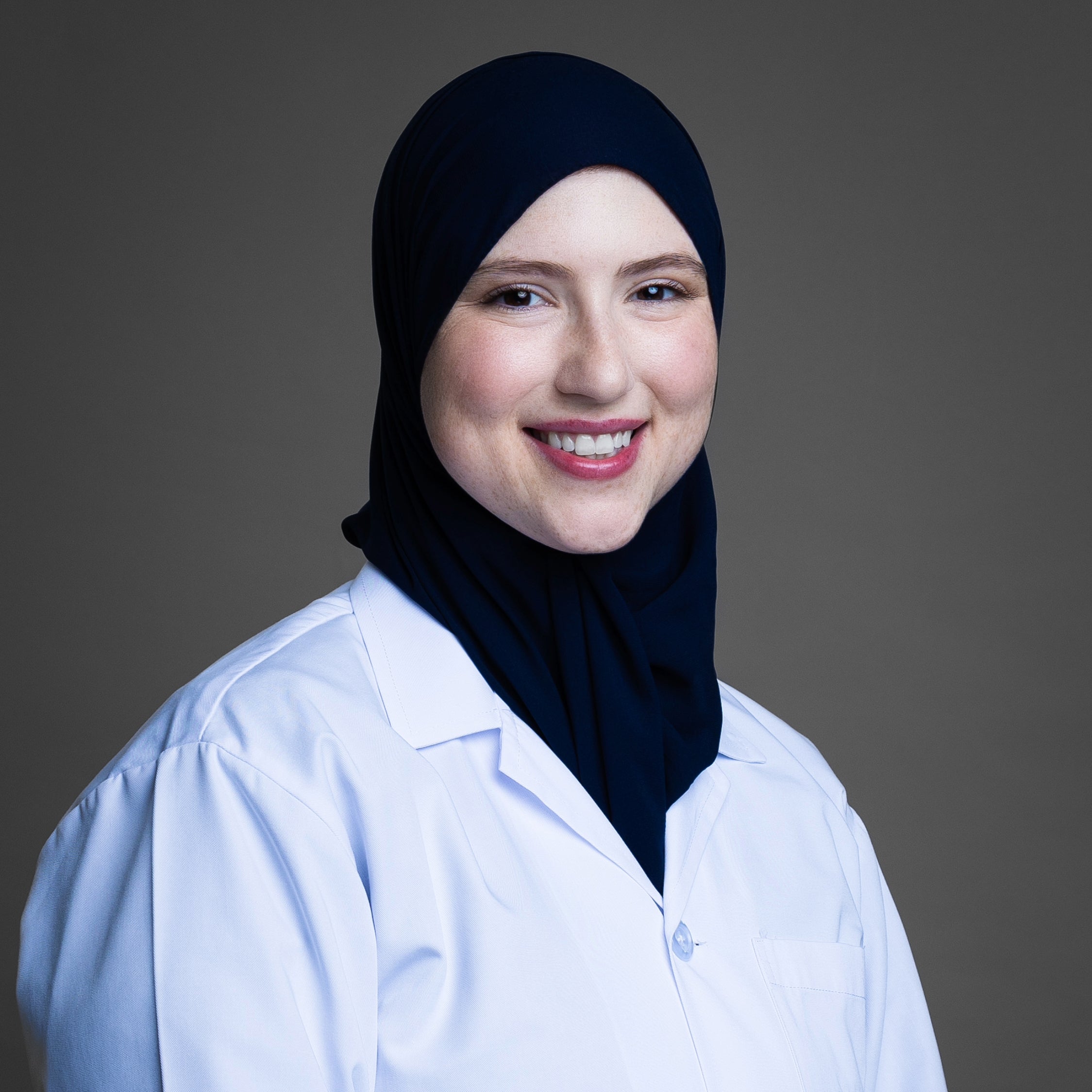
Iman Achkar
Senior Research Associate
Educational Qualifications
MSc in Molecular Medicine
BSc in Biology
Entity
Qatar Biomedical Research Institute
Division
Neurological Disorders Research Center
Biography
Iman Achkar earned her MSc in Molecular Medicine from Imperial College London, UK. She has since gained extensive research experience in molecular biology, specializing in designing and executing functional cell-based assays for drug efficacy studies. Her more recent experience focuses on developing and optimizing immunoassays for biomarker discovery and validation, with an emphasis on diagnostic and monitoring applications for Parkinson's disease and related disorders.
In 2016, she started as a research associate at the Translational Research Institute (TRI), Hamad Medical Corporation, assessing anti-cancer drugs and investigating cell death mechanisms. In 2018, she joined Weill Cornell Medicine-Qatar as a research specialist in the Suhre lab, executing high-throughput drug screens and mapping key metabolic pathways to inhibit cancer cell proliferation. In 2024, she joined Dr. Omar El-Agnaf's lab at NDRC-QBRI as a research associate, and in 2026, she was promoted to senior research associate, supporting the biomarkers team with immunoassay-based strategies for Parkinson's disease while overseeing cell culture lab operations and screening in-house nanobodies and CMC compounds for neuroprotective activity.
MSc in Molecular Medicine
Imperial College London, UK
2016
BSc in Biology
University of Portsmouth, UK
2015
- Assay development for neurodegenerative diseases
- Biomarker discovery and validation
- Cell death mechanisms and metabolic pathways
- High-throughput drug screening for efficacy studies
Senior Research Associate
Neurological Disorders Research Center, Qatar Biomedical Research Institute, Hamad Bin Khalifa University
2026 - Present
Research Associate
Neurological Disorders Research Center, Qatar Biomedical Research Institute, Hamad Bin Khalifa University
2024 - 2025
Research Assistant
Qatar Diabetes Research Center (QDRC), Hamad Medical Corporation
2023 - 2024
Research Specialist
Suhre Lab, Weill Cornell Medicine-Qatar
2018 - 2022
Research Associate
Translational Research Institute (TRI), Hamad Medical Corporation
2016 - 2017
- First Prize for Best Poster Presentation in the Research Specialist Category, 2019, WCMC-Q Ninth Annual Research Retreat for the poster entitled “Impact of combined cytotoxic drug doxorubicin and metabolic agent on cancer cell fitness.”
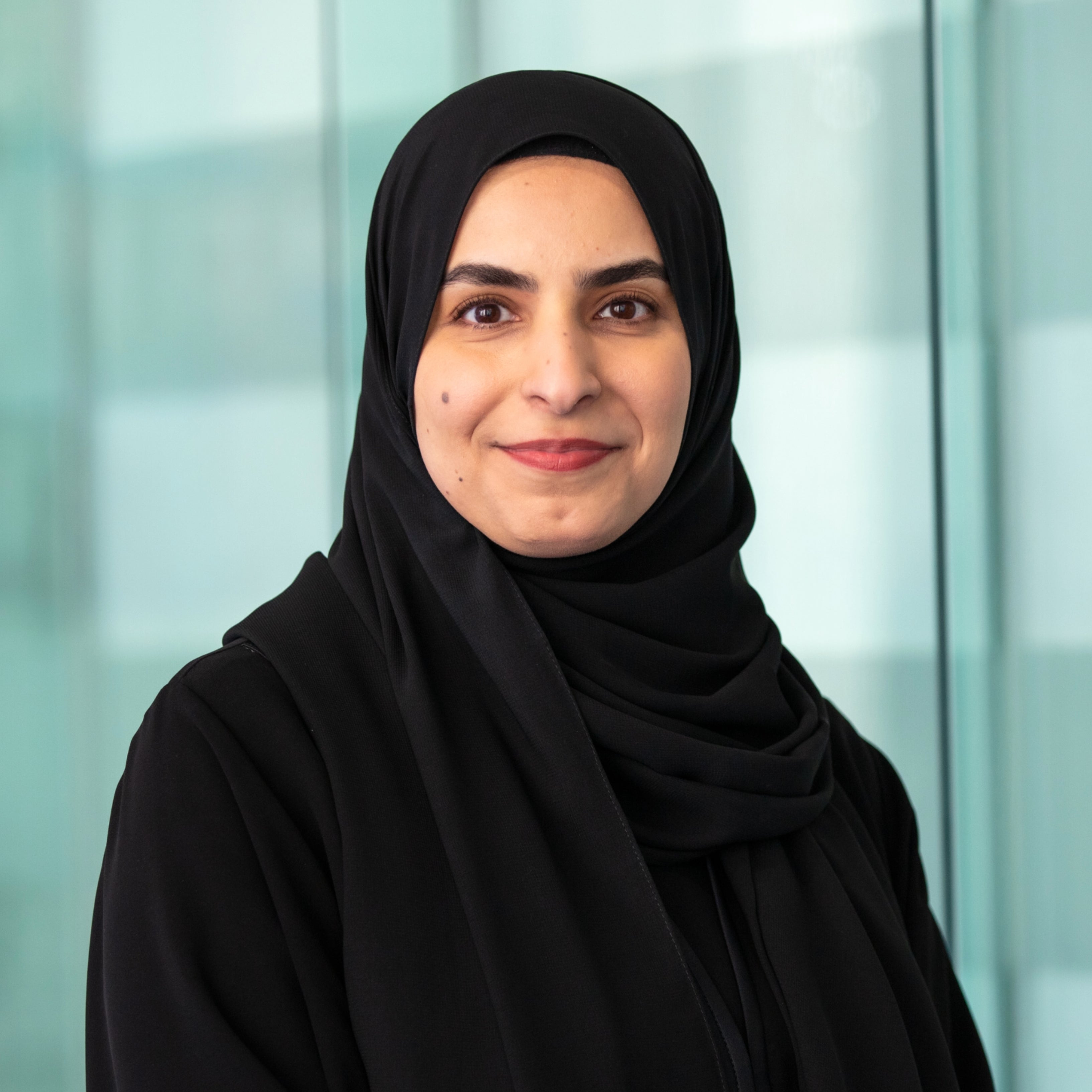
Dr. Luluwah Al-Fagih
Associate Professor
Educational Qualifications
PhD in Financial Mathematics
MSc in Financial Mathematics
Entity
College of Science and Engineering
Division
Sustainable Development
Biography
Dr. Luluwah Al-Fagih is an Associate Professor in the Division of Sustainable Development at the College of Science and Engineering, Hamad Bin Khalifa University (HBKU). Prior to joining HBKU, Dr Al-Fagih was a Senior Lecturer in the School of Computer Science and Mathematics and Computing at Kingston University, London. Dr. Al-Fagih holds a PhD in Financial Mathematics from The University of Manchester, and a BSc and MSc in Mathematics and Financial Mathematics from King’s College London.
Dr. Al-Fagih’s research focuses on sustainable energy systems, electricity markets, and energy policy, drawing on mathematical tools such as game theory to examine renewable energy integration, decentralised energy systems, and the socio-economic dimensions of energy transitions. Her work combines quantitative modelling with policy-relevant analysis and has been supported through several industry-funded projects.
Dr. Al-Fagih is the founder and Chair of the Women in Academia Committee at HBKU and serves as an elected member of the University Senate.
PhD in Financial Mathematics
The University of Manchester, UK
2013
MSc in Financial Mathematics
King’s College London, UK
2007
BSc in Mathematics
King’s College London, UK
2006
- Renewable energy transition
- Electricity markets and pricing
- Decentralised energy systems
- Game theory
Associate Professor
College of Science and Engineering/ Division of Sustainable Development, Hamad Bin Khalifa University
2022 - Present
Assistant Professor
College of Science and Engineering, Division of Engineering Management and Decision Sciences, Hamad Bin Khalifa University
2018 - 2022
Senior Lecturer (Assistant Professor)
School of Computer Science and Mathematics, Kingston University London
2015 - 2018
Lecturer (Assistant Professor)
School of Computer Science and Mathematics, Kingston University London
2013 - 2015
Complete Publication Listing(s): Google Scholar
- Postgraduate Certificate in Learning and Teaching in Higher Education, Kingston University London, 2015
- Fellow of the Higher Education Academy (FHEA), UK
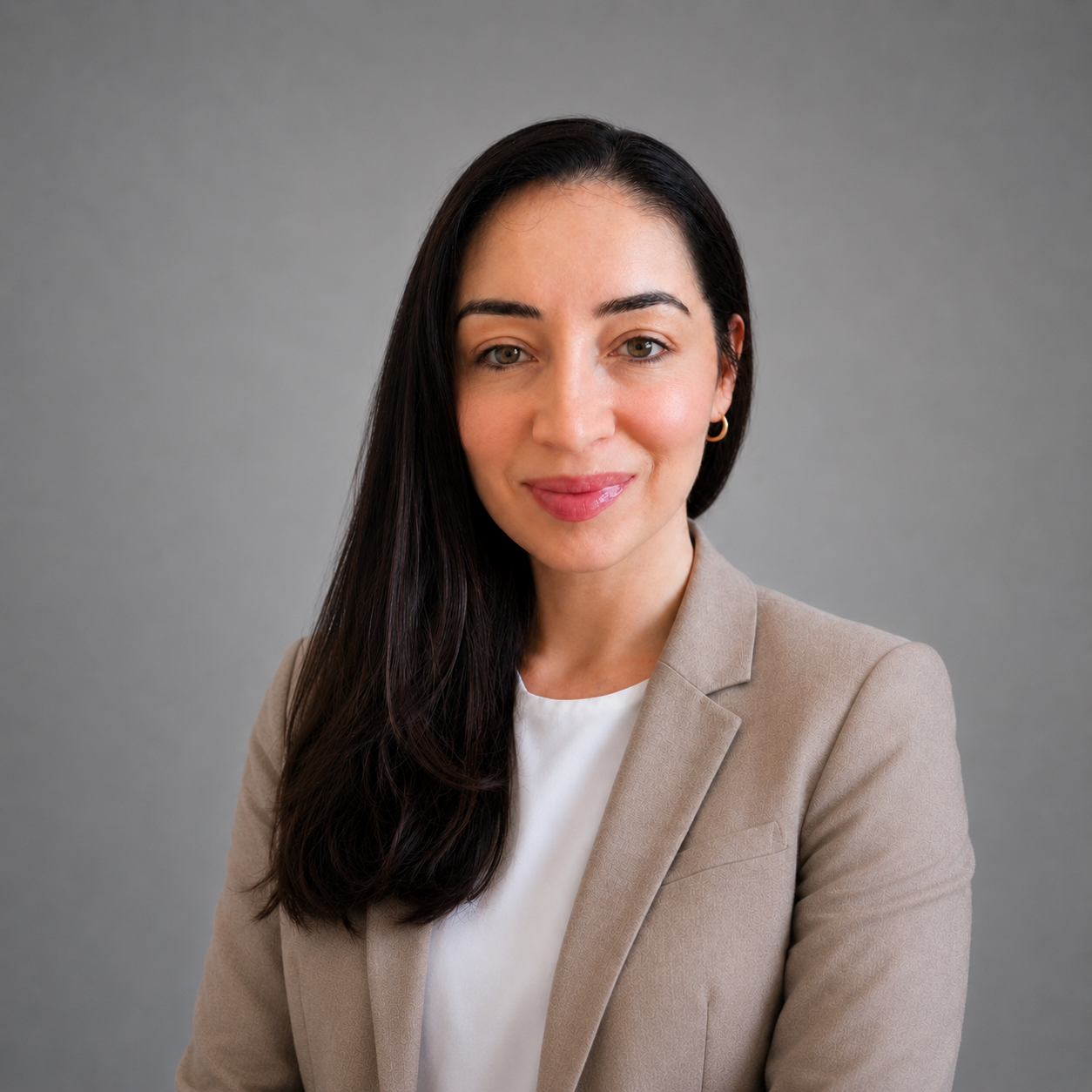
Dr. Pakize Uludag Baykan
Assistant Professor of Practice
Educational Qualifications
PhD in Education with a Specialization in Applied Linguistics
MA in Teaching English as a Second Language
Entity
College of Humanities and Social Sciences
Division
Department of Language, Culture and Communication
Biography
Pakize Uludag is an Assistant Professor of Practice in the Division of Language, Culture and Communication (LCC) at the College of Humanities and Social Sciences. She holds a PhD in Education with a specialization in Applied Linguistics from Concordia University in Montreal, Canada. Her research and professional practice focus on developing inclusive, research-informed approaches to language teaching and learning.
Prior to joining HBKU, she accumulated over 15 years of experience across North America, Turkey, and Qatar. Her research on second-language writing and assessment has been published in leading international peer-reviewed journals.
PhD in Education with a Specialization in Applied Linguistics
Concordia University, Canada
2021
MA in Teaching English as a Second Language
Northern Arizona University, United States
2011
BA in English Language and Literature
Erciyes University, Turkey
2008
- Ethnographic approaches to second language acquisition
- Intercultural competence and plurilingualism in Gulf educational contexts
- Equity-driven assessment and task design in the era of artificial intelligence
Assistant Professor of Practice
College of Humanities and Social Sciences, Hamad Bin Khalifa University
2026 - Present
Manager, Global Learning Programs
Seneca Polytechnic, Canada
2022 - 2025
Assistant Professor
Centre for Engineering in Society, Concordia University, Canada
2021 - 2022
Research Project Manager
Department of Education, Concordia University, Canada
2018 - 2021
Lecturer
Foundation English Department, Qatar University
2012 - 2017
Complete Publication Listing(s): Google Scholar
- Mitacs Globalink Research Award (2019–2021)
- British Council Assessment Research Award (2019–2021)
- TIRF Doctoral Dissertation Grant — Honorable Mention (2020)
- Concordia University Graduate Fellowship Award (2018–2020)
- CICan Silver Award for Excellence, Contributor (Seneca Polytechnic)
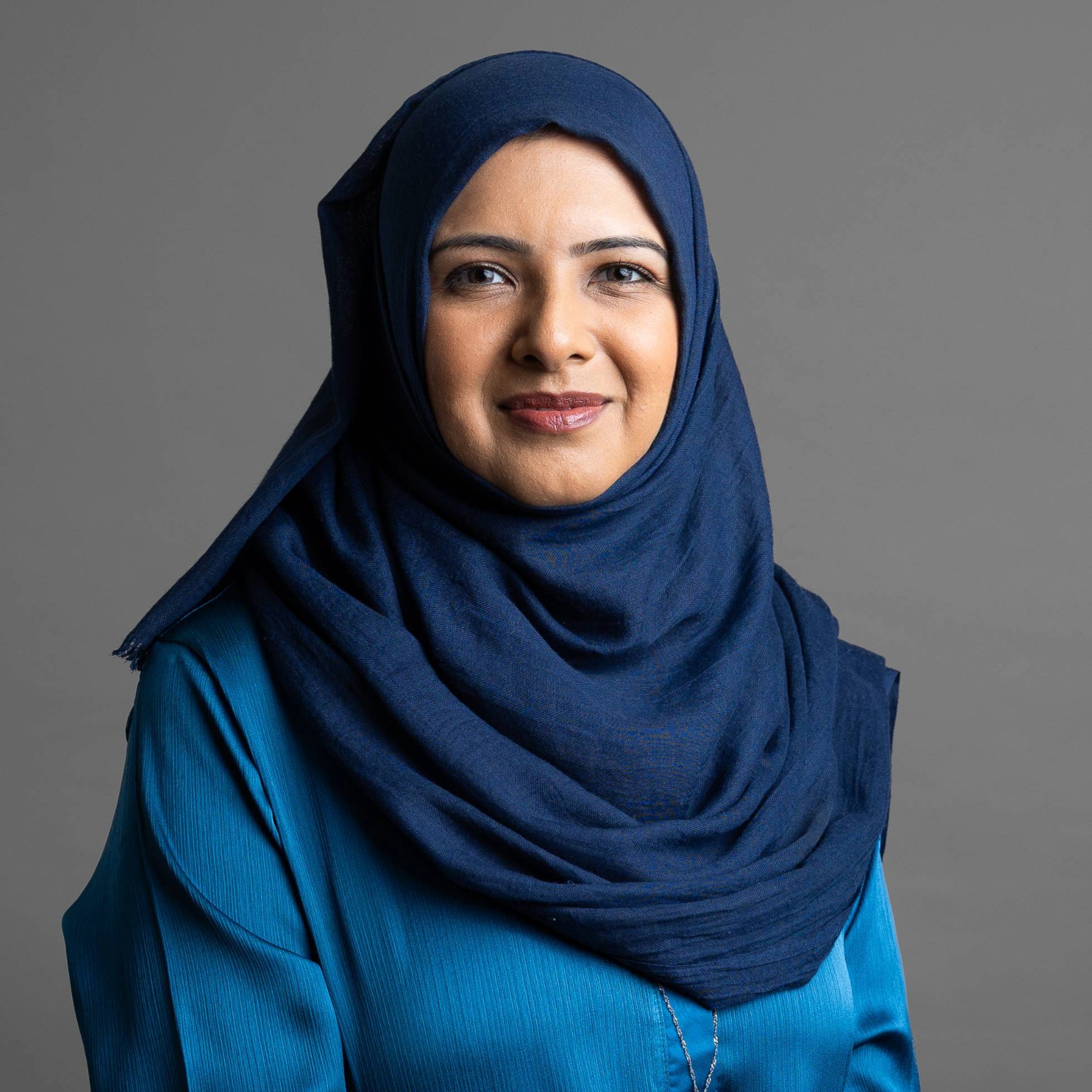
Sabika Shaban
Academic Journals and Publications Specialist
Sabika Shaban
Academic Journals and Publications Specialist
Educational Qualifications
MA in Islam and Global Affairs (with honors)
BA in Business Administration (Management; with honors)
Entity
College of Islamic Studies
Division
Administration
Biography
Sabika Shaban is the Academic Journals and Publications Specialist at the College of Islamic Studies (CIS), Hamad Bin Khalifa University (HBKU), where she works across communications, project management, and strategic partnerships within the Dean’s Office. She manages the college’s graduate student journal Astrolabe, coordinates advisory board affairs, and supports the operational and outreach functions of the college.
Beyond her administrative role, Shaban is on a mission to reshape how Qatar engages with disability. She is currently a PhD candidate at the University of Cambridge, investigating family experiences of disability, inclusive health and education, and policy efficacy in Qatar and across the Arab Gulf. She is co-leading two HBKU-grant-funded research projects on autism and disability inclusion in partnership with the Ministry of Public Health (MOPH) and the Ministry of Education and Higher Education (MOEHE). She also founded the Qatar Disability Resource (QADR), a platform connecting families and practitioners to information and support. She serves on multiple national boards and task forces advancing inclusion for autism and disabilities broadly, and brings her work into public life through speaking, training, and mentorship, driven by a conviction that community-centered data can shift policies and mindsets for greater inclusion of persons with disabilities in Qatar.
MA in Islam and Global Affairs (with honors)
Hamad Bin Khalifa University
2022
BA in Business Administration (Management; with honors)
American University in Dubai, UAE
2007
- Disability in Qatar and the GCC
- Disability and public policy
- Experiences of autism and other developmental disabilities
- Inclusive health
- Inclusive education
Academic Journals and Publications Specialist
College of Islamic Studies, Hamad Bin Khalifa University
2018 – Present
Founder
Qatar Disability Resource (QADR)
2018 – Present
Project Assistant
Center of International and Regional Studies (CIRS), Georgetown University in Qatar (GUQ)
2017
Complete Publication Listing(s): Google Scholar
- Honours List 2021 of Overseas Pakistani Leaders Under 40 – Community Service, Pakistan’s Ministry of Foreign Affairs (MOFA), 2021
- Student Life Award – Leadership, Hamad Bin Khalifa University, 2022
- Student Life Award – Community Service, 2021
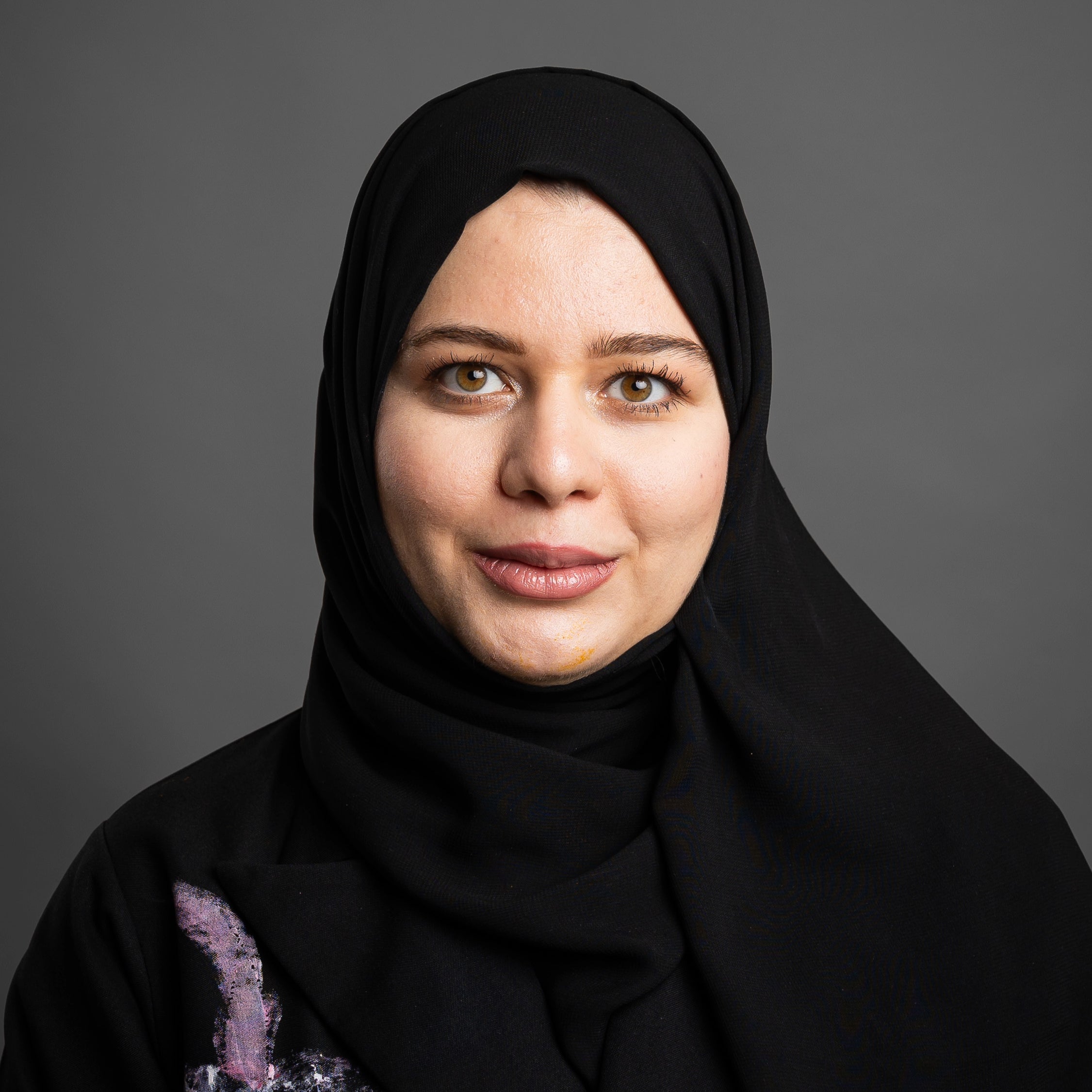
Shaimaa Bani Issa
Research Assistant
Educational Qualifications
B.Ed. in Psychological Counseling
Entity
Qatar Biomedical Research Institute
Biography
Shaimaa Bani Issa is a Research Assistant at Qatar Biomedical Research Institute (QBRI). She holds a Bachelor’s degree in Guidance and Educational Psychology with Excellent honors from Yarmouk University, Jordan. Shaimaa is interested in contributing to QBRI's research activities and is eager to collaborate with multidisciplinary teams to advance biomedical research, with a particular focus on Autism Spectrum Disorder. She is also interested in pursuing postgraduate studies.
B.Ed. in Psychological Counseling
Yarmouk University, Jordan
2021
- Autism Spectrum Disorder (ASD)
- Autism assessment and diagnostic tools (e.g., ADOS-2)
- Neurodevelopmental disorders
- Child and adolescent mental health
Research Assistant
Qatar Biomedical Research Institute, Hamad Bin Khalifa University
2026 – Present

Abdulla Hamad Al Hawal
Senior Coordinator - Protocol
Educational Qualifications
BA in Mass Communication and Public Relations
Entity
College of Islamic Studies
Division
Administration
Biography
Abdulla Hamad Al Hawal is a founding employee of the College of Islamic Studies (CIS) at Hamad Bin Khalifa University (HBKU), Qatar Foundation. He holds a Bachelor’s degree in Public Relations, Mass Communication and Information. Over the years, his experience in managing VIP relations has contributed to maintaining and strengthening the institution's reputation by carefully attending to cultural sensitivity, diplomatic etiquette, and the smooth coordination of high-level visits. His professional responsibilities have included developing and implementing security and protocol arrangements, coordinating with internal and external stakeholders, and continuously refining protocol procedures to improve efficiency and effectiveness. A strong commitment to professional growth has led to participation in various workshops, conferences, and training programs related to international protocol, economics, and global engagement. His overall approach is practical, detail-oriented, and focused on delivering consistently high standards in all protocol-related activities.
BA in Mass Communication and Public Relations
Ajman University for Technology and Science, UAE
2008
Senior Coordinator - Protocol
College of Islamic Studies, Hamad Bin Khalifa University
2022 – Present
Senior Protocol Officer
Qatar Faculty of Islamic Studies (QFIS), Qatar Foundation
2017 – 2022
Protocol Officer
Qatar Faculty of Islamic Studies (QFIS), Qatar Foundation
2012 – 2017
Public Relations Officer
Qatar Faculty of Islamic Studies (QFIS), Qatar Foundation
2007 – 2012
- Certificate of Appreciation for having played an outstanding role in the 8th International Conference on Islamic Finance: Islamic Finance in a Divided World (CIS, HBKU, 2025)
- Certificate of Appreciation for having played an outstanding role in the 6th International Conference on Islamic Finance: Advancing Ethical and Sustainable Economy (CIS, HBKU, 2023)
- Certificate of Recognition and Appreciation for Dedication, Commitment, and Enthusiasm for the Education City Mosque Ramadan Program (Qatar Foundation and ASTAD Project Management, 2018)
- Certificate of Recognition and Appreciation for Dedication, Commitment, and Enthusiasm for the Education City Mosque Ramadan Program (Qatar Foundation and ASTAD Project Management, 2017)
- Certificate of Recognition and Appreciation for Dedication, Commitment, and Enthusiasm for the Education City Mosque Ramadan Program (Qatar Foundation and ASTAD Project Management, 2016)
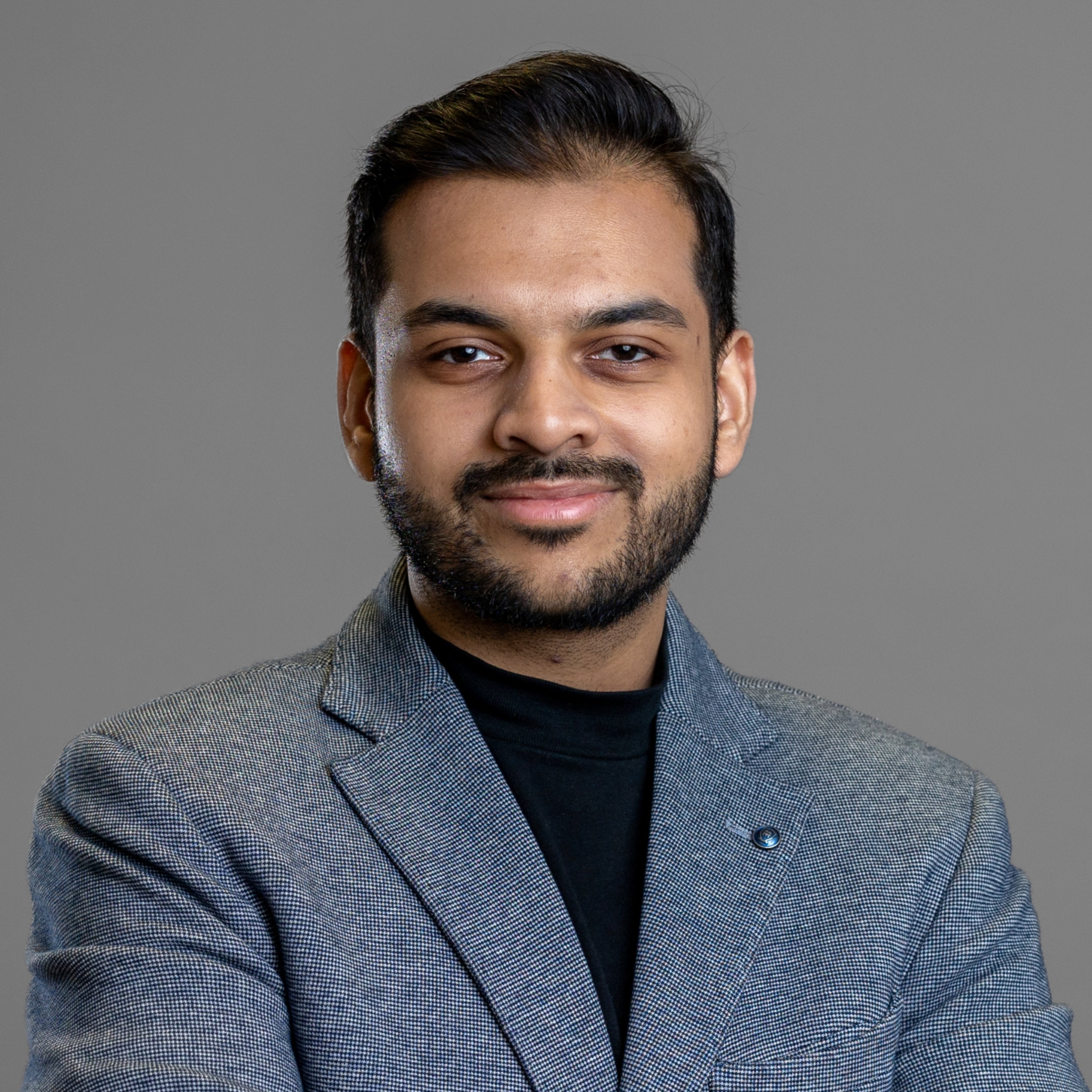
Mohammed Umar
Research Fellow
Educational Qualifications
MS in Islamic Finance
BA (HONS) in Accounting and Finance
Entity
College of Islamic Studies
Division
Administration
Biography
Mohammed Umar is a Research Fellow at the College of Islamic Studies (CIS), Hamad Bin Khalifa University (HBKU), where he has been serving since 2021. He supports the full student lifecycle, including onboarding, scholarships, stipends, and progression, and works closely with faculty, administrative units, and external stakeholders to address student needs.
Before his current role in Student Affairs, Umar worked in academic coordination and program support within CIS. He served as the administrative focal point for the Islamic Finance, Islam and Global Affairs, and Counseling Psychology programs, providing end-to-end coordination and operational support from admission through to graduation.
Umar holds a BA in Accounting and Finance from Manchester Metropolitan University and later completed an MS in Islamic Finance at CIS, HBKU. His academic background in finance supports his work in scholarship management, budgeting, and financial planning within Student Affairs.
His work focuses on building sustainable systems, improving workflows, and enhancing the overall student experience at CIS.
MS in Islamic Finance
Hamad Bin Khalifa University
2021
BA (HONS) in Accounting and Finance
Manchester Metropolitan University
2018
- Development economics
- Behavioral economics
Research Fellow, Student Affairs
College of Islamic Studies, Hamad Bin Khalifa University
2023 – Present
Project Analyst
College of Islamic Studies, Hamad Bin Khalifa University
2021 – 2023
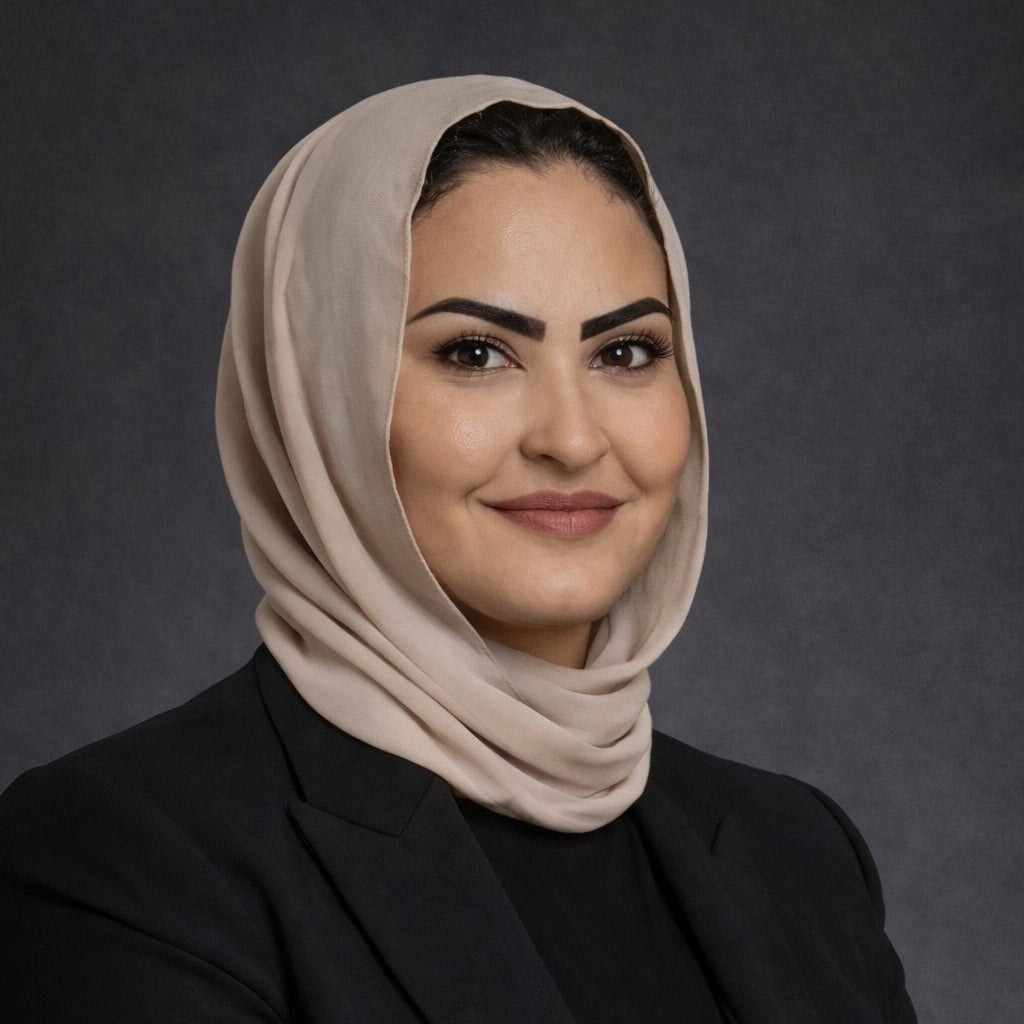
Nashwa M. Satti
Academic Support Officer
Educational Qualifications
MBA in Marketing (Non-Profit Organizations)
BSc in Accounting
Entity
College of Islamic Studies
Division
Administration
Biography
Ms. Satti is an accomplished and committed higher education professional with 25 years of diverse experience, including 18 years at Qatar Foundation (QF), Hamad Bin Khalifa University (HBKU), and various roles across multiple academic institutions. Her expertise spans academic program operations and student services.
As an Academic Officer at the College of Islamic Studies (CIS) at HBKU, Ms. Satti manages essential functions within academic affairs, including admissions management, student registration, course coordination, and graduation procedures. She is dedicated to ensuring the seamless operation of college programs by actively streamlining processes and enhancing the overall academic experience for students and faculty.
MBA in Marketing (Non-Profit Organizations)
Omdurman Islamic University, Sudan
2019
BSc in Accounting
Omdurman Islamic University, Sudan
2007
Academic Support Officer
College of Islamic Studies, Hamad Bin Khalifa University
2014 – Present
Administrative Officer
College of Islamic Studies, Hamad Bin Khalifa University
2008 – 2014
Administrative Officer
Muhammad Bin Hamad Al-Thani Centre for Muslim Contribution to Civilization (CMCC), Qatar Faculty of Islamic Studies (QFIS), Qatar Foundation (presently CIS, HBKU)
2004 – 2008
Registrar
Nile Valley University, Doha Branch
2000 – 2004

Dr. Aria Nakissa
Assistant Professor of Islam and Global Affairs
Educational Qualifications
PhD in Anthropology and Middle Eastern Studies
MA in Islamic Law
Entity
College of Islamic Studies
Division
Islam and Global Affairs
Biography
Dr. Aria Nakissa is an assistant professor of Islam and Global Affairs at the College of Islamic Studies (CIS), Hamad Bin Khalifa University (HBKU). He holds a joint Ph.D. in Anthropology and Middle Eastern Studies from Harvard University, a JD from Harvard Law School, and an MA in Islamic Law from the International Islamic University Malaysia. He studies religion and law in Muslim societies across the globe. He has written extensively on premodern Islamic intellectual history, colonial and post-colonial Muslim societies, and cognitive science in relation to religion and morality. He has also conducted extensive ethnographic fieldwork in the Middle East and Southeast Asia using the Arabic and Indonesian languages.
Dr. Nakissa is the author of The Anthropology of Islamic Law: Education, Ethics, and Legal Interpretation at Egypt's Al-Azhar (Oxford University Press, 2019). His articles have been published in various journals including Journal of the Royal Anthropological Institute; Journal of Global History; History Compass; Journal of Cognition and Culture; Journal of the American Academy of Religion; Method & Theory in the Study of Religion; Religion Compass; Oxford Journal of Law and Religion; Human Rights Review; Bijdragen tot de Taal-, Land- en Volkenkunde; Islamic Law and Society; (Harvard Law School) Journal of Islamic Law; Muslim World; and Arabica.
PhD in Anthropology and Middle Eastern Studies
Harvard University, USA
2012
MA in Islamic Law
International Islamic University Malaysia
2011
JD
Harvard Law School, USA
2006
- Religion
- Law
- Colonialism
- Global Islam
- Cognitive science
Assistant Professor of Islam and Global Affairs
College of Islamic Studies, Hamad Bin Khalifa University
2026 – Present
Lecturer in Islamic Studies
Faculty of Islamic Studies and Faculty of Social Sciences, Indonesian International Islamic University
2023 – 2026
Assistant Professor of Islamic Studies and Anthropology
Department of Jewish, Islamic, and Middle Eastern Studies, Washington University in St. Louis
2015 – 2023
Assistant Professor of Islamic Studies
Department of Religion and Culture, University of Winnipeg, Canada
2013 – 2015
- Junior Research Fellowship, Crown Center, Brandeis University, USA (2012 – 2013)
- Fulbright-Hays Doctoral Dissertation Research Abroad Grant (2010 – 2011)
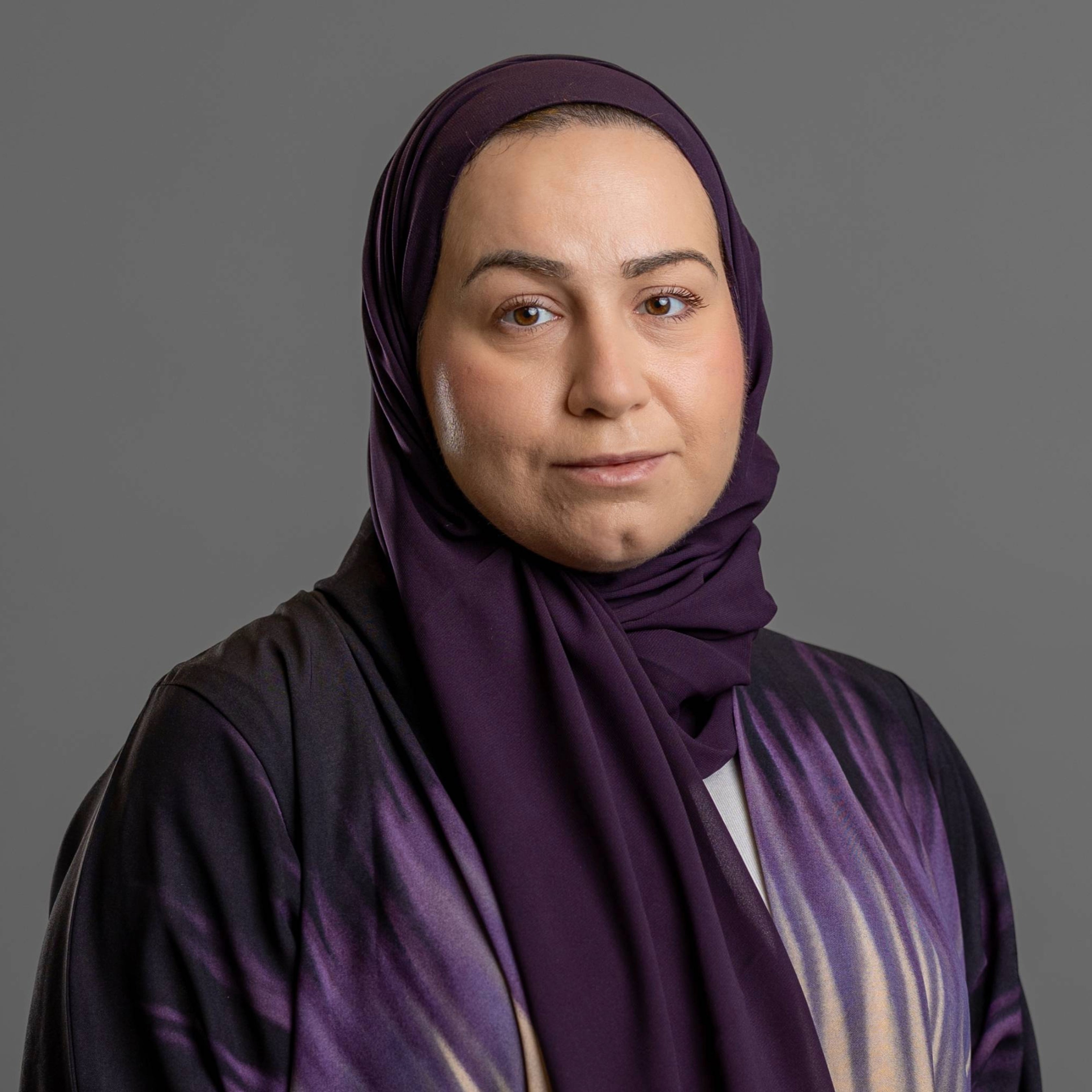
Noor Mahfouz
Executive Assistant
Educational Qualifications
BA in Sociology
Entity
College of Islamic Studies
Division
Administration
Biography
Noor M. Mahfouz is an experienced higher education administrator with over fifteen years of professional practice supporting senior leadership and Dean-level offices in international academic environments. She currently serves as Executive Assistant in the Dean’s Office at the College of Islamic Studies (CIS), Hamad Bin Khalifa University (HBKU), where she plays a central role in academic governance, faculty administration, and executive operations. Her expertise includes committee coordination, confidential correspondence, policy documentation, faculty hiring and promotion processes, and high-level stakeholder engagement. Noor has worked extensively within institutions that require strict adherence to protocol, discretion, and accuracy. She holds a Bachelor of Arts in Sociology with a minor in Law from Memorial University of Newfoundland, Canada, and brings a strong interest in institutional effectiveness, academic administration, and organizational processes within higher education.
BA in Sociology
Memorial University of Newfoundland, Canada
2026
Executive Assistant, Dean’s Office
College of Islamic Studies, Hamad Bin Khalifa University
2020 – Present
Secretary
Education City Stadium (FIFA 2022), ASTAD Project Management, Qatar
2016 – 2020