 Apply Now
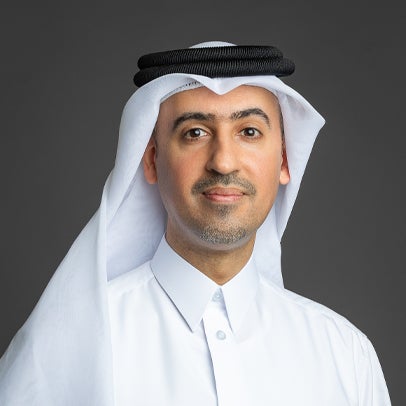
Dr. Saif Mohammed S A Al-Kuwari
Associate Professor
Dr. Saif Mohammed S A Al-Kuwari
Associate Professor
Educational Qualifications
PhD in Cryptography
PhD in Computational Forensics
Entity
College of Science and Engineering
Division
Information & Computing Technology
Biography
Dr. Saif Al-Kuwari is an associate professor at the College of Science and Engineering and director of the Qatar Center for Quantum Computing (QC2) at Hamad Bin Khalifa University. Dr. Saif Al-Kuwari graduated in computers and networks from the University of Essex and has two PhDs in Cryptography and Computational Forensics from the University of Bath and Royal Holloway, University of London
He is a fellow of IET and BCS and a senior member of IEEE and ACM. His research focuses on quantum cryptography, quantum machine learning, and quantum sensing.
PhD in Cryptography
University of Bath, United Kingdom
2012
PhD in Computational Forensics
Royal Holloway, University of London, United Kingdom
2012
BEng in Computers and Networks
University of Essex, United Kingdom
2006
- Quantum computing
- Quantum cryptography
- Quantum machine learning
- Quantum sensing
Associate Professor
College of Science and Engineering, Hamad Bin Khalifa University
2024 – Present
Assistant Professor
College of Science and Engineering, Hamad Bin Khalifa University
2019 – 2024
Adjunct Assistant Professor
College of Science and Engineering, Hamad Bin Khalifa University
2018 – 2019
Adjunct Research Assistant Professor
Kind Computing Research Center, Qatar University
2018 – 2021
Director
Information Technology Department, Ministry of Foreign Affairs
2013 – 2018
Complete Publication Listing(s): Google Scholar
- 2017; Fellow of the IET.
- 2017; Fellow of the BCS.
- 2016 & 2017; MESA-CISO100 Government Security Leader award, UAE.
- 2012; The PhD platinum prize, 5th Education Excellence Day, Qatar.
- 2007; The Graduate Platinum prize, 1st Education Excellence Day, Qatar.
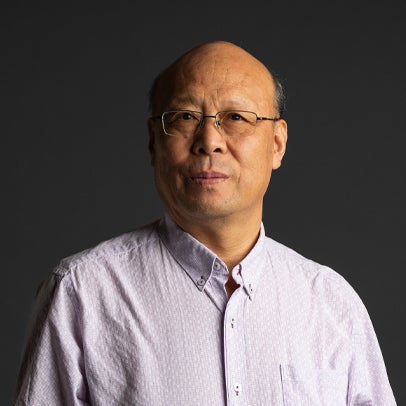
Dr. Mingzhan Xue
Postdoctoral Researcher
Educational Qualifications
PhD in Medicine
MSc in Medical Genetics
Entity
Qatar Biomedical Research Institute
Division
Translational Oncology Research Center
Biography
Dr. Mingzhan Xue obtained his Medical degree (Bachelor of Medicine), Master’s degree in Medical Genetics, and PhD in Medicine from the School of Medicine of Xi’an Jiaotong University (known as the Xi’an Medical University before 2000) in China. Between 1984 and 1999, he was appointed Assistant Professor, Lecturer, and Associate Professor in Medical Genetics at Xi’an Medical University, China. He also undertook postdoctoral positions at the University of Lausanne in Switzerland, and Newcastle University and Queen Mary University of London in the UK. From 2006 to 2018, he worked as a research fellow at the University of Warwick in the UK.
PhD in Medicine
Xi’an Medical University, China
1997
MSc in Medical Genetics
Xi’an Medical University, China
1989
Bachelor of Clinical Medicine
Xi’an Medical University, China
1984
- Precision Oncology
- Breast cancer therapy
- Cancer Epigenetics
Postdoc
Translational Oncology Research Center, Qatar Biomedical Research Institute (QBRI)
2019 - Present
Research Fellow
Warwick Medical School, University of Warwick, UK
2006 - 2018
Postdoc
Clinical Pharmacology and The Genome Centre, William Harvey Research Institute, Queen Mary University of London, UK
2003 – 2006
Postdoc
Institute of Pharmacology and Toxicology, University of Lausanne, Switzerland
2000 – 2002
Associate Professor
Medical Genetics, Xi’an Medical University, China
1984 – 1999
Complete Publication Listing(s): PubMed
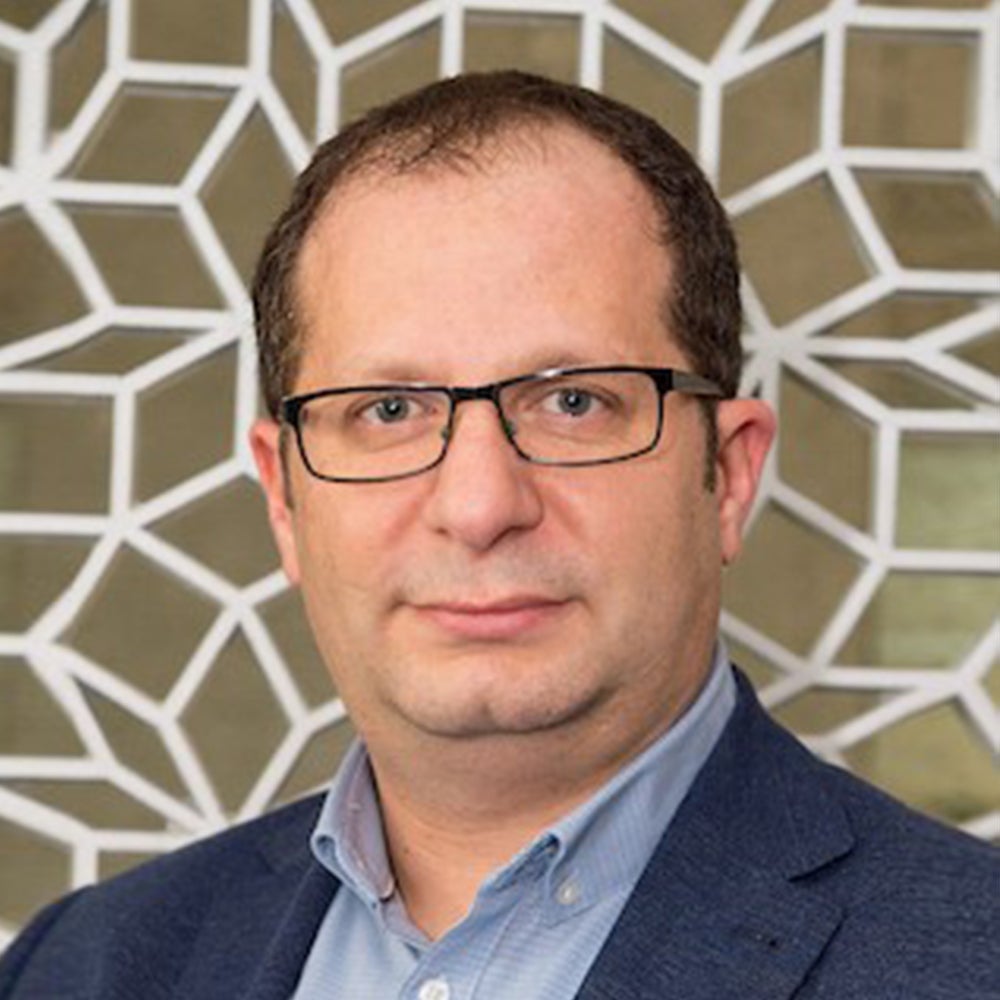
Dr. Ayman Al Haj Zen
Associate Professor
Dr. Ayman Al Haj Zen
Associate Professor
Educational Qualifications
PhD in Biology and Physiology of the Circulatory system
MSc in Cardiovascular Physiology
Entity
College of Health and Life Sciences
Division
Biological and Biomedical Sciences
Biography
Dr Ayman Al Haj Zen is an Associate Professor at the College of Health and Life Sciences at Hamad Bin Khalifa University. He obtained his PhD from the University of Paris VII, where he studied the role of small proteoglycans in regulating vascular repair and atherosclerosis. Afterward, he moved to England and worked as a Postdoctoral Researcher at various institutions, including the London Research Institute, the University of Bristol, and the University of Oxford. During this time, he focused on studying the role of cell-cell communication signaling in ischemia-induced angiogenesis and vascular regeneration.
In 2013, Dr. Al Haj Zen received an intermediate research fellowship from the British Heart Foundation (Oxford) Centre of Research Excellence allowing him to establish his independent research program in vascular biology and drug discovery at the University of Oxford. His research centered on identifying new therapeutic targets and strategies to modulate angiogenesis and vascular response in diseases such as ischemic vascular disease, atherosclerosis, vascular dementia, and cancer.
His lab develops 3D microfluidics organ-on-chip disease models combined with high throughput quantitative image-based approaches to conduct genetic and drug screens that have applications in understanding underlying disease mechanisms and developing new therapeutics and personalized medicines.
PhD in Biology and Physiology of the Circulatory system
University Denis Diderot, France
2006
MSc in Cardiovascular Physiology
University Denis Diderot, France
2001
Postgraduate Diploma in Biological and Medical Sciences
University Denis Diderot, France
2000
Doctor of Medicine (MD)
University of Aleppo, Syria
1998
- Functional characterization of GWAS candidate genes of coronary artery disease
- Target and drug discovery using a high-throughput phenotypic screening platform
- Advanced human disease modeling using 3D microfluidics organ-on-chip and bioprinting technologies
- Understanding the mechanisms of angiogenesis and microvasculature instability in diseases such as atherosclerosis
- peripheral artery disease
- diabetes
- and cancer metastasis
Associate Professor
College of Health and Life Sciences, Hamad Bin Khalifa University
2024 - Present
Assistant Professor
College of Health and Life Sciences, Hamad Bin Khalifa University
2019 - 2024
Independent Research Fellow
Division of Cardiovascular Medicine (RDM), University of Oxford, United Kingdom
2013 - 2019
Postdoctoral Research Fellow
Division of Cardiovascular Medicine, University of Oxford, United Kingdom
2010 - 2013
Postdoctoral Research Associate
Bristol Heart Institute, University of Bristol, United Kingdom
2008 - 2010
Postdoctoral Research Fellow
Vascular Morphogenesis Lab, London Research Institute, United Kingdom
2006 - 2008
Complete Publication Listing(s): PubMed
- 2021; Paul Dudley White International Scholar Award, American Heart Association; USA
- 2013; Intermediate Research Fellowship; British Heart Foundation (Oxford) Centre of Research Excellence; United Kingdom
- 2009; British Society for Cardiovascular Research Prize; BSCR; United Kingdom
- 2003; French Society of Cardiology Prize (CORDIS); French Society of Cardiology; France
Aisha Al Qahtani
Research Fellow
Educational Qualifications
PhD. In Biological and Biomedical Sciences
MSc. in Biological and Biomedical Sciences
Entity
Qatar Computing Research Institute
Division
Qatar Center for Artificial Intelligence
Biography
Aisha Al-Qahtani holds a B.S. degree in electrical and computer engineering from Texas A&M University, an M.S. degree in biological and biomedical science and Ph.D. in biological & biomedical science from (Hamad Bin Khalifa University (HBKU).
Her research focuses on applying electrical engineering in the biomedical field; she was among the team that worked on the biosensor design in smart sensor design at HBKU. She has recently expanded her scope of research to focus more on computational biology in the Center for Artificial Intelligence at Qatar Computing Research Institute.
PhD. In Biological and Biomedical Sciences
Hamad Bin Khalifa University
2022
MSc. in Biological and Biomedical Sciences
Hamad Bin Khalifa University
2017
BSc in Electrical & Computer Engineering
Texas A&M University
2014
- Genomic Data Science and engineering
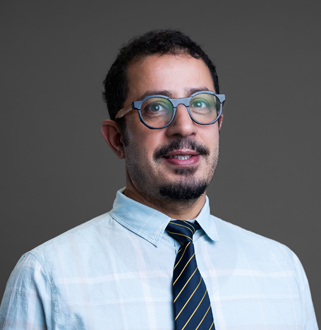
Dr. Samir Brahim Belhaouari
Associate Professor
Dr. Samir Brahim Belhaouari
Associate Professor
Educational Qualifications
PhD in Mathematical Sciences
MSc in Networks and Telecommunications
Entity
College of Science and Engineering
Division
Information & Computing Technology
Biography
Dr. Samir Belhaouari is an Associate Professor at the College of Science and Engineering at Hamad Bin Khalifa University. He conducts research in various areas, including classification techniques, feature extraction and selection, and data preprocessing. Dr. Belhaouari is developing the multilevel architecture of deep learning (MADL), which optimizes networks at different levels and stages. He has created innovative algorithms for time-frequency decomposition, feature selection, and optimization techniques. Additionally, he explores image and graph representation methods to address complex data challenges and works on compressing deep learning to improve performance while reducing costs and energy consumption.
Additionally, he has developed an enhanced hashing function, drawing inspiration from a mathematical conjecture. His contributions have been recognized through the securing of several national and international research funds, such as HBKU-Thematic and QNRF-NPRP-BSRA. Dr. Belhaouari has served as the principal investigator (PI) and played a significant role in the field of AI. Dr. Belhaouari's work encompasses mathematics, machine learning, data analysis, and classification. His pioneering techniques and algorithms hold great potential for enhancing performance across a wide range of applications.
PhD in Mathematical Sciences
Federal Polytechnic School of Lausanne, (EPFL), Switzerland
2006
MSc in Networks and Telecommunications
National Polytechnic Institute (INP/ENSEEIHT), France
2000
- Applied mathematics
- Sustainable AI
- Image and signal processing
- Number theory and its application in computer science
Associate Professor
College of Science and Engineering, Hamad Bin Khalifa University
2017 - Present
Associate Professor
College of Science, University of Sharjah, United Arab Emirates
2015 - 2017
Associate Professor
Computer Science College, Innopolis University, Russia
2014 - 2016
Assistant Professor
College of Science and General Studies, Alfaisal University, Saudi Arabia
2012 - 2015
Research Assistant
Laboratory of Stochastic Processes, Federal Polytechnic School of Lausanne, Switzerland
2000 - 2006
Belhaouari, S. B., & AlQudah, R. (2024). Evaluation of the Komlos Conjecture using multi-objective optimization. Contemporary Mathematics.
Rehman, A. U., Belhaouari, S. B., & Bermak, A. (2024). Reinforced steering evolutionary Markov chain for high-dimensional feature selection. Swarm and Evolutionary Computation.
Belhaouari, S. B., Shakeel, M. B., Erbad, A., & Oflaz, Z. (2023). Bird’s Eye View feature selection for high-dimensional data. Scientific Reports.
Complete Publication Listing(s): Google Scholar
- Outstanding Research Award (First Position), during the academic year 2014-2015 at the university level, Alfaisal University
- Gold Medal, Title “Remote Body Temperature Monitoring System for Malaria Patients” in the Geneva exhibition held from 6th to 10th April 2011, Switzerland
- Silver Prize, Title “BODYTEMPTRAXX”, Seoul International Invention Fair 2010 (SIIF2010), Korea Invention Promotion Association, South Korea
- The Best Paper Award for University Technology of PETRONAS research paper conference (http://www.urpc2012.blogspot.com/), Title: “A New Novel Model for Prediction of Ionic Liquid Toxicity Based on Quantitative Structure-Activity Relationship Approach” 10 August 2012, Malaysia.
- Silver Prize, Most Innovative Award, postgraduate category (SEDEX32), Title of the project: An Efficient Computational Intelligence Technique for Protein Sequence Classification in Bioinformatics, December 2013, Malaysia.
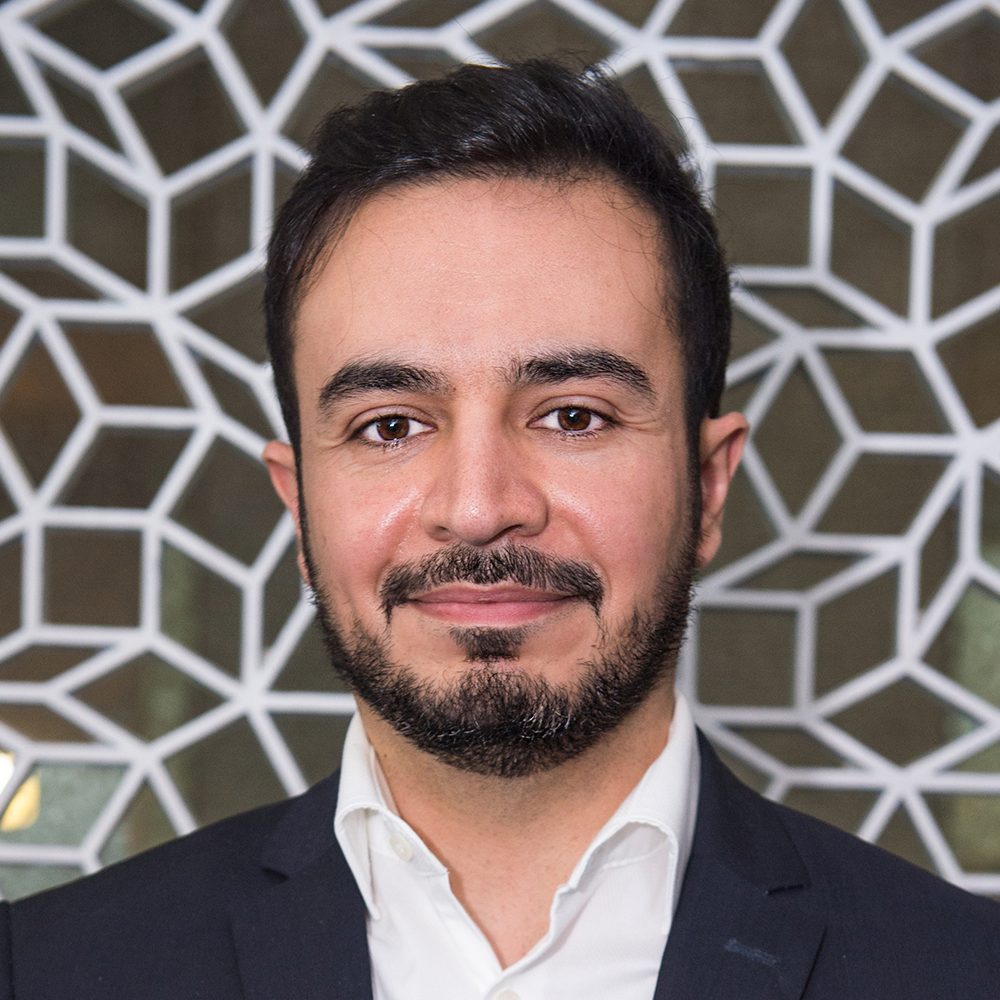
Dr. Nady El Hajj
Associate Professor
Associate Professor
Dr. Nady El Hajj
Associate Professor
Associate Professor
Educational Qualifications
PhD in Biology
MSc in Biology
Entity
College of Health and Life Sciences
College of Science and Engineering
Division
Information & Computing Technology
Biography
Dr. Nady El Hajj is an Associate Professor at the College of Health and Life Science at Hamad Bin Khalifa University. He joined Hamad Bin Khalifa University in 2019 as an Assistant Professor. Dr. El Hajj graduated in biology from the American University of Beirut in 2007 and received his PhD from the Institute of Human Genetics at the University of Würzburg in 2011. His dissertation work investigated the epigenetic risks of assisted reproductive technologies and infertility on germ cells and embryos. During his postdoctoral training at the lab of Thomas Haaf, he focused on identifying whether maternal gestational diabetes during pregnancy causes epigenetic alterations in the developing fetus.
In addition, he was involved in studying paternal age effects on germ cells and the offspring of older fathers from an epigenetic perspective. In 2017, he joined Baylor College of Medicine on a fellowship supported by the German research foundation where he performed bioinformatics analysis on whole genome bisulfite sequencing data to understand interindividual DNA methylation variation in humans. His research is published in more than 70 peer-reviewed articles and has been cited more than 3700 times.
PhD in Biology
University of Würzburg, Germany
2011
MSc in Biology
American University of Beirut, Lebanon
2007
BSc in Biology
American University of Beirut, Lebanon
2005
- Epigenetics
- Aging
- Precision Medicine
- Diabetes
Associate Professor
College of Health and Life Sciences, Hamad Bin Khalifa University
2024 – Present
Assistant Professor
College of Health and Life Sciences, Hamad Bin Khalifa University
2019 - 2024
Research Associate
Department of Pediatrics, Baylor College of Medicine, United States
2017 - 2018
Postdoctoral Research Scientist
Institute of Human Genetics, University of Würzburg, Germany
2011 - 2017
Srour, L., & El Hajj, N. (2024). The ribosome's comeback: New role in body weight regulation. Trends in Genetics. Advance online publication.
Qannan, A., Bejaoui, Y., Izadi, M., Yousri, N. A., Razzaq, A., Christiansen, C., Martin, G. M., Bell, J. T., Horvath, S., Oshima, J., Megarbane, A., Ericsson, J., Pourkarimi, E., & El Hajj, N. (2023). Accelerated epigenetic aging and DNA methylation alterations in Berardinelli-Seip congenital lipodystrophy. Human Molecular Genetics, 32(11), 1826–1835.
Almenar-Queralt, A., Merkurjev, D., Kim, H. S., Navarro, M., Ma, Q., Chaves, R. S., Allegue, C., Driscoll, S. P., Chen, A. G., Kohlnhofer, B., Fong, L. K., Woodruff, G., Mackintosh, C., Bohaciakova, D., Hruska-Plochan, M., Tadokoro, T., Young, J. E., El Hajj, N., Dittrich, M., Marsala, M., Goldstein, L. S. B., & Garcia-Bassets, I. (2019). Chromatin establishes an immature version of neuronal protocadherin selection during the naive-to-primed conversion of pluripotent stem cells. Nature Genetics, 51(12), 1691–1701.
2012; Young Investigator Award for Outstanding Science; European Society of Human Genetics; Nürnberg/Germany
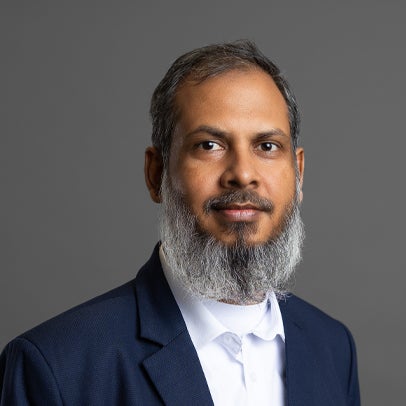
Dr. Kabir Hassan Biswas
Associate Professor
Dr. Kabir Hassan Biswas
Associate Professor
Educational Qualifications
PhD in Biological Sciences
MS in Biological Sciences
Entity
College of Health and Life Sciences
Division
Biological and Biomedical Sciences
Biography
Dr. Kabir Hassan Biswas joined the College of Health and Life Sciences at Hamad Bin Khalifa University as an Assistant Professor in 2019 and was promoted to Associate Professor in 2025. He earned his Master's and PhD through the prestigious Integrated PhD program at the Indian Institute of Science in 2007 and 2011, respectively. He then conducted postdoctoral research at the National University of Singapore and Nanyang Technological University between 2011 and 2019.
Dr. Biswas’s laboratory takes an interdisciplinary approach, integrating computational methods such as AI/deep learning-based protein design, protein structure-function analysis and drug discovery and experimental techniques such as bioluminescence-based biosensors and biointerfaces with the aim to advance fundamental understanding and developing potential treatment for cancer metastasis, cardiovascular diseases, and infectious diseases. His group is also developing point-of-care tests for health and disease monitoring.
Dr. Biswas has received several competitive research grants, including Academic Research Grant, HBKU Thematic Research Grant, and Industrial Innovation Fund, and has published in high-impact journals such as Science, PNAS, The New England Journal of Medicine, and Nature Communications. He has delivered invited talks at major international conferences and received multiple awards, including the Yamaguchi Medal and the Mrs. C. V. Hanumantha Rao Medal.
PhD in Biological Sciences
Indian Institute of Science, India
2011
MS in Biological Sciences
Indian Institute of Science, India
2007
BSc in Biochemistry
Aligarh Muslim University, India
2004
- Therapeutic protein design and drug discovery using AI/deep learning-based and other computational methods
- Expanding capabilities of the BRET technology to engineer biosensors for biomolecule and protease activity detection
- Computational and experimental approaches for protein structure-function analysis including the effect of disease-causing mutations
- Supported lipid bilayer-based interface for reconstituting juxtacrine receptor-ligand signaling
Associate Professor
College of Health & Life Sciences, Hamad Bin Khalifa University
2025 - Present
Assistant Professor
College of Health and Life Sciences, Hamad Bin Khalifa University
2019 - 2025
Senior Research Fellow
NTU Institute of Health Technologies (HealthTech), Nanyang Technological University, Singapore
2018 - 2019
Senior Research Fellow
School of Materials Science and Engineering, Nanyang Technological University, Singapore
2017 – 2018
Senior Research Fellow
Mechanobiology Institute, National University of Singapore, Singapore
2016 – 2017
Research Fellow
Mechanobiology Institute, National University of Singapore, Singapore
2011 – 2016
Complete Publication Listing(s): Google Scholar
- Stanford/Elsevier's Top 2% Scientist Rankings (2025)
- Outstanding Faculty in Biosensors, Venus International Foundation, Chennai, India (2024)
- Yamaguchi Medal, Asian-Pacific Association for Biomechanics, Nagoya University, Japan (2017)
- Mrs. C V Hanumantha Rao Medal, Indian Institute of Science, Bangalore, India (2012)
- Senior Research Fellowship, Council of Scientific and Industrial Research (CSIR), Government of India (GoI) (2009)
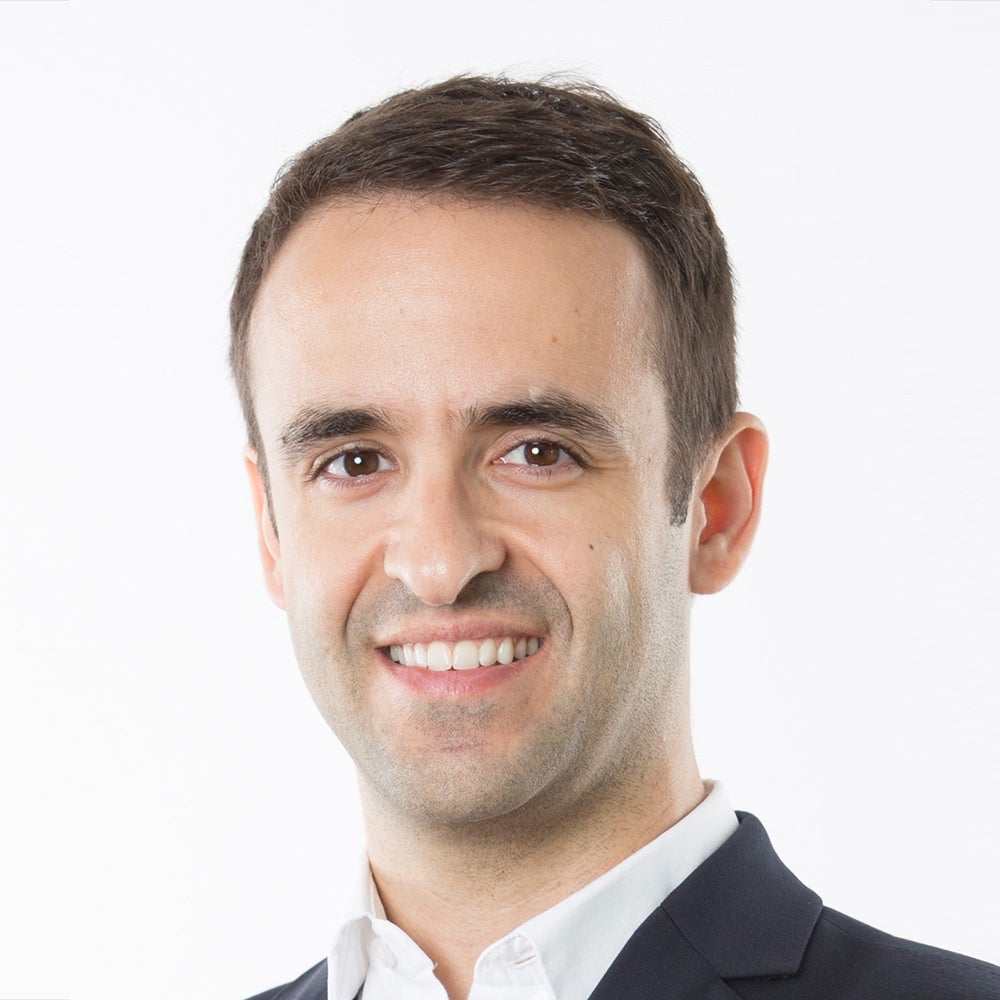
Dr. Luis R. Saraiva
Joint Associate Professor
Phone
+974 40037639Office location
C6-111, Out Patient Clinics Building, Sidra Medicine
Dr. Luis R. Saraiva
Joint Associate Professor
Educational Qualifications
Ph.D. in Genetics(Summa Cum Laude)
Licenciatura (B.Sc.+M.Sc.) in Biology
Entity
College of Health and Life Sciences
Biography
Luis R. Saraiva completed his Licenciatura (B.Sc.+M.Sc.) in Biology at the University of Evora, Portugal. He later became a Fellow of the International Graduate School in Genetics and Functional Genomics of the University of Cologne, Germany, where he received his Ph.D. in Genetics.
After spending a brief period as a visiting scientist at Harvard Medical School (USA), funded by the Boehringer Ingelheim Fonds, he became a post-doctoral scholar at the Fred Hutchinson Cancer Research Center (USA). In 2013, he was awarded the EBI–Sanger Postdoctoral (ESPOD) Fellowship and continued his postdoctoral training at the EMBL-European Bioinformatics Institute and the Wellcome Sanger Institute in Cambridge (UK). In 2014 he won a Sanger Early Career Innovation Award.
In 2015, he moved to Sidra Medicine (Qatar), where he is a Principal Investigator and leads the Human Disease and Therapeutics Lab at Sidra Medicine (Qatar). He also holds Adjunct Faculty positions at Monell Chemical Senses Center (USA) and Hamad bin Khalifa University (Qatar).
Ph.D. in Genetics(Summa Cum Laude)
University of Cologne - Institute for Genetics (Germany)
2008
Licenciatura (B.Sc.+M.Sc.) in Biology
University of Évora & Gulbenkian Institute of Science (Portugal)
2004
Adjunct Associate Professor
College of Health and Life Sciences - Hamad bin Khalifa University (HBKU), Doha (Qatar)
2018 - Present
Adjunct Associate Member
Monell Chemical Senses Center, Philadelphia (USA)
2016 - Present
Principal Investigator - Associate Level
Sidra Medicine, Doha (Qatar)
2015 - Present
EBI–Sanger Postdoctoral (ESPOD) Fellow
European Bioinformatics Institute (EMBL-EBI) and Wellcome Sanger Institute (UK)
2013 - 2015
Postdoctoral Associate
Fred Hutchinson Cancer Research Center (USA)
2008 - 2013
Visiting Scientist
Harvard Medical School, Boston (USA).
2008
- 2020, Silver Medal of Merit – Manteigas Municipality, Manteigas City Hall (Portugal)
- 2018, Chief Executive Recognition Award – Recognizing Service Excellence, Sidra Medicine, Doha (Qatar)
- 2014, Sanger Early Career Innovation Award, Wellcome Sanger Institute (WSI), Cambridge (UK)
- 2013, EBI–Sanger Postdoctoral (ESPOD) Fellowship, EMBL-EBI & WSI (UK)
- 2013, Science Communication Fellowship – Theme Neuroscience, Pacific Science Center, Seattle (USA)
- 2008, Travel Award – XV ISOT, AChemS (USA)
- 2008, Travel Grant – Harvard Medical School, Boehringer Ingelheim Fonds (Germany)
- 2008, summa cum laude Ph.D. in Genetics, University of Cologne (Germany)
- 2008, Travel Award – 28th Blankenese Conference, Minerva Foundation (Germany)
- 2004, Ph.D. Fellowship – International Graduate School for Genetics and Functional Genomics, University of Cologne (Germany)
Dr. Bernice Lo
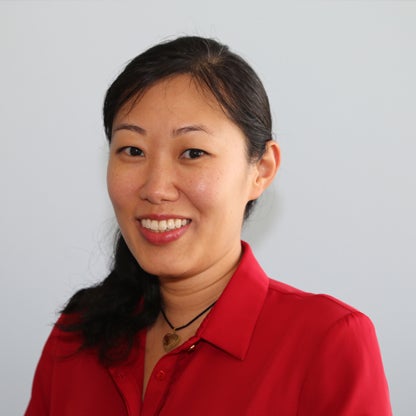
Assistant Professor
Dr. Bernice Lo
Assistant Professor
Educational Qualifications
PhD in Cell & Molecular Biology
BS in Microbiology & Cell Science
Entity
College of Health and Life Sciences
Biography
Bernice Lo is an Assistant Professor at the College of Health and Life Sciences at Hamad Bin Khalifa University and an investigator at Sidra Medicine. Her research focuses on understanding the molecular mechanisms of immune regulation and tolerance. Her work includes identifying the genetic basis of disease in patients with immune dysregulation and autoimmunity. The ultimate goal is to elucidate the molecular pathways involved and, therefore, discover new therapeutic targets for disease treatment or novel drugs for immunomodulation.
She has made significant contributions to discovering, understanding, and diagnosing various genetic disorders of immune dysregulation. Dr. Lo’s lab specializes in using cellular and biochemical techniques to uncover the role of newly discovered gene mutations in causing disease and in understanding the function of these genes in immune regulation. She is also interested in developing methods for disease diagnosis or evaluating treatment efficacy by assessing immune biomarkers.
PhD in Cell & Molecular Biology
Duke University, United States
2008
BS in Microbiology & Cell Science
University of Florida, United States
2002
- Molecular mechanisms of immune regulation
- Primary immunodeficiency disorders / Inborn errors of immunity
- Monogenic immune dysregulation diseases
- Immunogenetics
Assistant Professor
College of Health and Life Sciences, Hamad Bin Khalifa University
2018 - Present
Investigator
Division of Translational Medicine, Sidra Medicine
2016 - Present
Research Fellow
Laboratory of Immunology, National Institute of Allergy and Infectious Diseases (NIAID/NIH), United States
2013 - 2015
Post-Doctoral Fellow
Laboratory of Immunology, National Institute of Allergy and Infectious Diseases (NIAID/NIH), United States
2008 - 2013
Complete Publication Listing(s): PubMed
- 2022; Top Author – Junior Investigator Category; Sidra Medicine
- 2013; AAI Trainee Award; American Association of Immunologists Annual Meeting
- 2002-2006; James B. Duke Fellowship; Duke University, NC, USA
- 2002; Four-Year Scholar; University of Florida, FL, USA
- 2001; Peterson Scholarship; University of Florida, FL, USA
Dr. Emad Eldin Ali Shahin
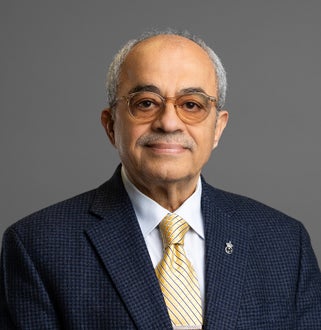
Professor of Islamic Studies
Dr. Emad Eldin Ali Shahin
Professor of Islamic Studies
Educational Qualifications
PhD in International Relations
MA Political Science and MA Equivalency in International Economics
Entity
College of Islamic Studies
Division
Islamic Studies
Biography
Dr. Emad El-Din Shahin is a professor and former dean of HBKU’s College of Islamic Studies (CIS), Qatar Foundation (2016-2022). Before joining CIS, he was the Hasib Sabbagh Distinguished Visiting Chair of Arabic and Islamic Studies, a visiting professor of Political Science at the School of Foreign Service at Georgetown University, and the editor-in-chief of The Oxford Encyclopedia of Islam and Politics.
Dr. Shahin holds a PhD (1989) from the Johns Hopkins School of Advanced International Studies, and an MA (1983) and a BA (1980) from the American University in Cairo. He has taught in leading universities in the United States, including Harvard, Notre Dame, Georgetown, George Washington, and Boston Universities. He also taught at Al-Akhawayn University in Morocco.
His research and teaching interests focus on Islam and Politics, Comparative Politics, Democracy, and Political Reform in Muslim societies. Dr. Shahin has authored, co-authored, and co-edited six books and has more than 50 scholarly publications including journal articles, book chapters, and encyclopedia entries. His publications include Political Ascent: Contemporary Islamic Movements in North Africa (1998), co-editorship with Nathan Brown of The Struggle over Democracy in the Middle East and North Africa (2010); and co-authorship of Islam and Democracy (2005 in Arabic). He is the editor-in-chief of The Oxford Encyclopedia of Islam and Politics (2014) and co-editor with John L. Esposito of The Oxford Handbook of Islam and Politics (2013); Key Islamic Political Thinkers (Oxford University Press, 2018); and Islam and Politics around the World (Oxford University Press, 2018).
Dr. Shahin was nominated for the Harvard University Joseph R. Levenson Memorial Teaching Prize two years in a row, in May 2007 and May 2008, and is the recipient of the AUC Excellence in Undergraduate Teaching Award for the Academic Year 2001–2002.
PhD in International Relations
Johns Hopkins University, USA
1989
MA Political Science and MA Equivalency in International Economics
American University in Cairo/ Johns Hopkins University
1983/ 1984
BA in Political Science (Minor in Economics, Highest Honors)
The American University in Cairo, Egypt
1980
- Islam and politics
- Muslim political thought
- Comparative politics
- Democracy and political reform in Muslim societies
Faculty Affiliate
Near Eastern Languages and Civilizations Department, Harvard University
2023 – 2025
Professor of Islamic Studies
College of Islamic Studies, Hamad Bin Khalifa University
2022 – Present
Al-Shawwaf Visiting Professor
Near Eastern Languages and Civilizations Department, Harvard University
2022 – 2023
Interim Provost
Hamad Bin Khalifa University
2019 – 2021
Senior Fellow
Alwaleed Bin Talal Center for Muslim-Christian Understanding, Georgetown University
2017 – Present
Dean
College of Islamic Studies, Hamad Bin Khalifa University
2016 – 2022
Hasib Sabbagh Distinguished Visiting Professor of Arabic and Islamic Studies
School of Foreign Service, Georgetown University
2015 – 2016
Visiting Professor
School of Foreign Service, Georgetown University
2014 – 2016
Distinguished Visiting Scholar
Columbia University
2014 – 2015
Public Policy Scholar
Woodrow Wilson International Center for Scholars
2014 – 2014
Henry R. Luce Associate Professor of Religion, Conflict and Peacebuilding
Kroc Institute for International Peace Studies, University of Notre Dame
2012 - Tenured
Associate Professor
Political Science Department, University of Notre Dame
2009 – 2012
Professorial Lecturer
Boston University
2007 – 2009
Faculty Affiliate
Belfer Center for Science and International Affairs, Kennedy School of Government, Harvard University
2007 – 2008
Visiting Associate Professor
Department of Government, Harvard University
2006 - 2009
Visiting Scholar
Harvard Law School, Harvard University
2006 - 2006
Visiting Associate Professor
Center for Contemporary Arab Studies, Georgetown University
2005 - 2005
Tenured Professor
Political Science and Public Policy, The American University in Cairo
1998 – 1998
Assistant Professor
Political Science Department, Al Akhawayn University, Morocco
1996 – 1997
Esposito, J. L., & Shahin, E. E. (2018). Key Islamic political thinkers. Oxford University Press.
Esposito, J. L., & Shahin, E. E. (Eds.). (2013). The Oxford handbook of Islam and politics. Oxford University Press.
Complete Publication Listing(s): Google Scholar
- Carnegie Centennial Distinguished Visiting Scholar (May–July 2015), University of Denver
- Distinguished Visiting Scholar, Institute for Religion, Culture and Public Life, Columbia University (April 2014–March 2015)
- Public Policy Scholar, Woodrow Wilson International Center for Scholars (February 2014–August 2014)
- Nominated two years in a row for the Harvard University Joseph R. Levenson Memorial Teaching Prize (May 2007 and May 2008)
- Excellence in Undergraduate Teaching Award, American University in Cairo (2001–2002)