 Apply Now
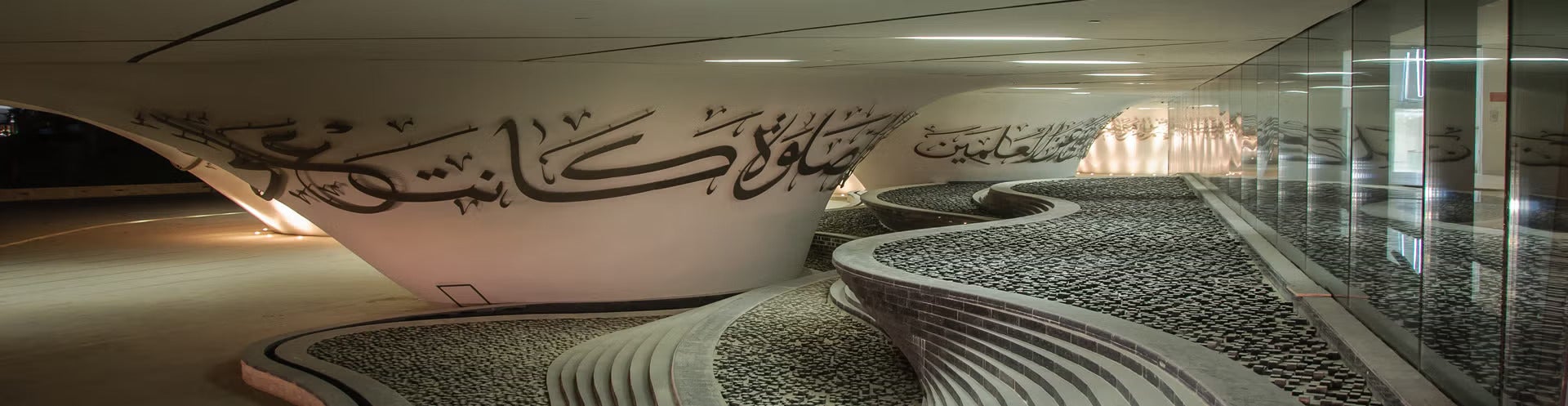
Through hands-on research, mentorship, and experiential learning, students explore emerging fields while developing the skills to contribute to Qatar’s development priorities
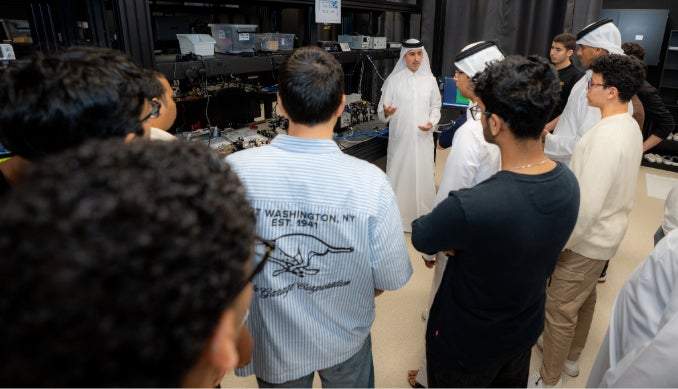
Hamad Bin Khalifa University (HBKU) engaged over 300 students in research initiatives and interactive activities as part of its summer programming, fostering academic excellence, innovation, and interdisciplinary collaboration.
Held across the University’s colleges and research institutes, the summer activities gave participants hands-on learning opportunities strengthening their problem-solving and critical-thinking skills while introducing them to potential academic and career pathways.
At the Qatar Computing Research Institute (QCRI), 226 students took part in courses designed to nurture technology skills and research interest across different stages of learning. The Summer Internship Program provided 119 university students with intensive scientific training across two cohorts, supervised by QCRI researchers. Drawing participants from Qatar University, the University of Doha for Science and Technology, Hamad Bin Khalifa University, Carnegie Mellon University in Qatar, and other institutions, the program enabled students to apply their knowledge to 45 projects spanning Arabic language technologies, cybersecurity, AI, and software engineering.
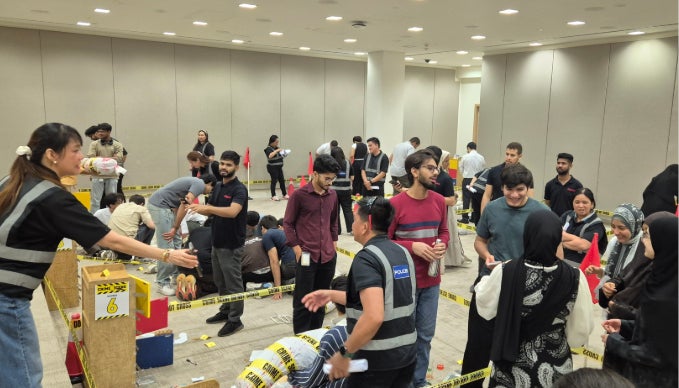
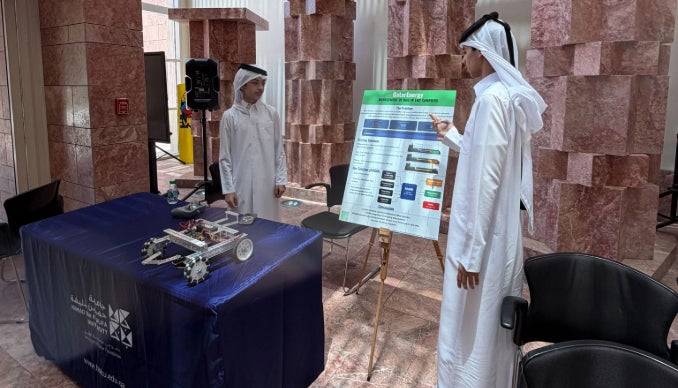
QCRI Creative Space Summer Camp extended this learning to 107 students aged 7 to 17 from Grades 2 to 12. Through activities in robotics, coding, electronics, AI, and digital media, participants developed games, films, and digital projects, presented at their final showcase.
Continuing the focus on emerging technologies, Qatar Center for Quantum Computing (QC2), in collaboration with Qatar Foundation’s summer camp program, Mukhayamna 2026, held its third edition of the Quantum Computing Summer School: QSchool 2026. The program gathered 40 high school students from 20 schools across Qatar for an introduction to quantum computing through lectures, interactive activities, and laboratory sessions. Additionally, participants took part in a guided tour of QC2 Lab, offering students firsthand exposure to quantum experiments and research environments supporting quantum technologies.
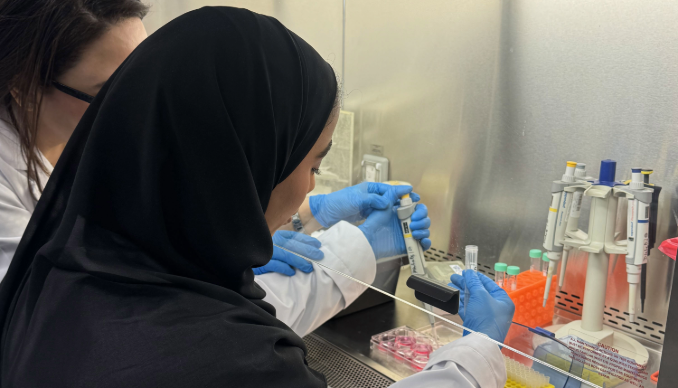
Qatar Biomedical Research Institute (QBRI) marked the 10th anniversary of its Summer Research Program, providing training opportunities for 18 undergraduate students to actively engage in biomedical research under the mentorship of QBRI researchers. Students from universities in the country, including Carnegie Mellon University in Qatar, Weill Cornell Medicine – Qatar, Qatar University, and Ulster University – Qatar, contributed to research projects across 12 groups. Participants gained insights into the research process and the work of QBRI’s centers while developing their scientific knowledge and skills.
Complementing the research-focused opportunities, the Division of Language, Culture and Communication (LCC) at the College of Humanities and Social Sciences (CHSS) organized its STEAM Summer Camp, which attracted 17 high school students across Qatar. The camp concluded with a showcase of projects developed by the students.
Commenting on this year’s programs, Dr. Eyad Ahmad Masad, Vice President for Research, HBKU, said: “Programs like these are an investment in students and the future of scientific inquiry. Students arrive curious, participate in activities designed to enhance their scientific abilities, build confidence, and discover career paths they hadn't considered. These skills are invaluable as they pursue advanced degrees, apply for scholarships and enter the workforce.”
By connecting students with research, emerging technologies, and mentors, HBKU continues to shape the next generation of scientific leaders. The summer programs strengthen the talent pipeline needed to support Qatar’s knowledge-based economy and national priorities.
Share: