
Dr. Cong-Yi (CY) Wang
Principle Investigator and Scientific Director
Dr. Cong-Yi (CY) Wang
Principle Investigator and Scientific Director
Educational Qualifications
PhD in Medical Immunology
Experimental Medicine
Entity
Qatar Biomedical Research Institute
Division
Diabetes Research Center
Biography
Dr. Cong-Yi (CY) Wang is the Scientific Director of the Diabetes Research Center at the Qatar Biomedical Research Institute. He earned his Ph.D. in Medical Immunology from Tongji Medical College, Huazhong University of Science and Technology, China. He completed postdoctoral training in population genetics, genomics, and immunology of type 1 diabetes (T1D) at the University of Florida under Dr. Noel Maclaren, a pioneer in endocrinology and metabolism.
Dr. Wang was later recruited as a tenure-track Assistant Professor at the Center for Biotechnology and Genomic Medicine, Medical College of Georgia (now Augusta University), where he studied genetic and environmental factors influencing T1D risk. He was also appointed Scientific Director of the Georgia Exoteric and Molecular Laboratories at the Medical College of Georgia Health Science Center after his tenure as Assistant Professor.
In 2014, Dr. Wang was recruited by the Tongji Medical College, Huazhong University of Science and Technology, as a tenured professor. At Tongji Hospital, he established the Center for Biomedical Research, Tongji Biobank, and the Tongji SPF Animal Center. He served as Director of the Center for Biomedical Research, Tongji Biobank, and the National Health Commission Key Laboratory of Respiratory Diseases, as well as Associate Director of Sponsored Program Administration.
Dr. Wang’s research focuses on the genetic and epigenetic mechanisms of type 1 and type 2 diabetes. His team investigates the crosstalk between different cell types and metabolic organs, by which he aims to identify diet-derived metabolites or small molecules that could be employed to prevent or treat metabolic disorders such as obesity and insulin resistance.
PhD in Medical Immunology
Tongji Medical College, Huazhong University of Science and Technology, China
2008
Experimental Medicine
Tongji Medical University, China
1989
- The genetic and epigenetic factors underlying metabolic and autoimmune disorders
- Diet-derived metabolites or small molecules for the prevention/intervention or treatment of metabolic or autoimmune disorders
- The crosstalk between metabolic organs or organelles within the cells and their relevance to the development of metabolic disorders
- The mechanisms underlying the recurrence of obesity following weight loss
Scientific Director
Diabetes Research Center, Qatar Biomedical Research Institute
2025 - Present
Principle Investigator
Diabetes Research Center, Qatar Biomedical Research Institute
2025 - Present
Visiting Professor
Department of Pharmacology, University of Hong Kong
2025 - Present
Professor and Director
The Center for Biomedical Research, Tongji Hospital, Huazhong University of Science and Technology, China
2014 - 2025
Associate Professor
The Center for Biotechnology and Genomic Medicine, Georgia Regents University, Georgia
2007 - 2010
Assistant Professor
The Center for Biotechnology and Genomic Medicine, Georgia Regents University, Georgia
2002 - 2007
- 2023; The third prize award, Translational Research, Health Committee of Hubei State
- 2021; The first prize award, Translational Research, Health Committee of Hubei State
- 2019; The 11th Top Talent Scientist Award, Qiaokou, Wuhan, China
- 2011; Professor, The One Hundred Talented Scientist program in Hubei State
- 2011; Professor, Chutian Scholar Program, Hubei
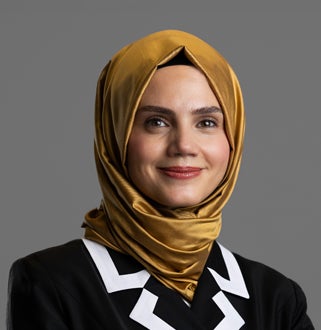
Dr. Emine Filiz Kölmek
Assistant Professor of Sustainable Urbanism
Dr. Emine Filiz Kölmek
Assistant Professor of Sustainable Urbanism
Educational Qualifications
PhD in Architecture
MA in Interior Architecture
Entity
College of Islamic Studies
Division
Islamic Art, Architecture and Urbanism
Biography
Dr. Emine Filiz Kölmek is an Assistant Professor of Sustainable Urbanism at the College of Islamic Studies. Her research focuses on Islamic aesthetics, Ottoman architecture, urban transformation, and sustainability. She has contributed to scholarly discussions on the spatial organization of Topkapı Palace and methodological approaches for analyzing Islamic art and architecture. Her research has been published in peer-reviewed books and presented at international conferences, with ongoing work on sustainability in urban transformation and meaning in Islamic architecture.
Dr. Kölmek holds a PhD in Architecture from Middle East Technical University (METU), where she graduated with a perfect 4.0 GPA. She earned her MA in Interior Architecture and her BA in Urban Design and Landscape Architecture from Bilkent University with a full scholarship. She is a recipient of the HBKU-CIS Research Cluster Grant for a book project on Islamic aesthetics, a collaborative research initiative led by HBKU faculty.
With more than ten years of professional experience, Dr. Kölmek worked as an urban designer and landscape architect at Ankara Metropolitan Municipality, leading key urban transformation projects, including Hıdırlık, İsmetpaşa, and AtıfbeyI; and contributing to Türkiye’s largest initiative, the New Mamak Project. She also taught architecture and design at Yıldırım Beyazıt University.
PhD in Architecture
Middle East Technical University, Turkiye
2023
MA in Interior Architecture
Bilkent University, Turkiye
2013
BA in Urban Design and Landscape Architecture
Bilkent University, Turkiye
2007
- Urban transformation and recreation projects
- Cultural-social sustainability
- Islamic aesthetics, art, and visual culture
- Ottoman architectural/artistic culture
Assistant Professor of Sustainable Urbanism
College of Islamic Studies, Hamad Bin Khalifa University
2024 – Present
Part-Time Instructor
Department of Architecture, Ankara Yıldırım Beyazıt University, Türkiye
2023 – 2024
Urban Designer and Landscape Architect
Department of Special Projects and Urban Transformation, Ankara Metropolitan Municipality, Türkiye
2013 – 2024
Urban Designer
Başkent Natural Gas Distribution Company, Türkiye
2007 – 2013
Kölmek, E. F. (Forthcoming). Meaning in Islamic architecture: A case study on Murad III Privy Room as a stylized realm. In A. Ertugrul (Ed.), Meaning in architecture. International Research Center for Islamic History, Art and Culture (IRCICA).
Kölmek, E. F. (2025). Questioning rapid urban transformations through sustainability criteria: The case of Çukurambar neighborhood, Ankara. In A. Kahera, S. Barakat, & S. Ghadanfar (Eds.), Strategic rebuilding and affordable housing in the Muslim world. Lexington Books.
Kölmek, E. F. (2025). Visual language of Islamic arts: A study on Islamic decorative arts and religious symbolism. In M. E. Kalgi & S. Özyurt (Eds.), Proceedings of the 11th International European Conference on Interdisciplinary Scientific Research (January 20–22, 2024), Lisbon, Portugal (pp. 742–752). Liberty Publishing House.
Kölmek, E. F. (2024). Social determinants of environmental concern: The case of Çukurambar, Ankara. In B. Öztürk & S. Seydoşoğlu (Eds.), Proceedings of ICSULA 2023: II. International Conference on Sustainable Cities and Urban Landscapes – Re-Thinking the Future of the Cities and Urban Landscapes (October 26–27, 2023), Konya, Turkey (pp. 745–764).
Kölmek, E. F. (2017). Arts and decoration in the Arab world. In M. D’Agostino (Ed.), Le Cenerentole dell’Arte. Academy of Fine Arts of Naples, Artem.
- 7th Cycle Research Cluster Grant (with Prof. Akel Ismail Kahera), HBKU, for a book project: The Aesthetics of Monotheism: Islam & the Hermeneutics of Art and Architecture (2025)
- Completion of PhD courses with 4.00/4.00 CGPA
- Ranked 4th in BFA Graduation and 1st in MFA Graduation
- BFA Full Scholarship and MFA Scholarship, Bilkent University
- Dean’s High Honor and Honor Lists, Bilkent University
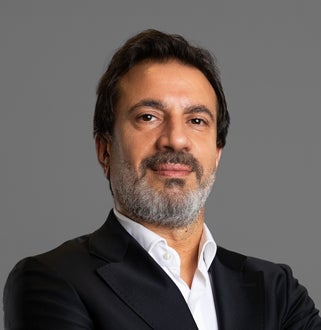
Dr. Vahdet Görmez
Professor of Child and Adolescent Psychiatry and Cognitive and Developmental Psychology
Dr. Vahdet Görmez
Professor of Child and Adolescent Psychiatry and Cognitive and Developmental Psychology
Educational Qualifications
MSc in Cognitive Behavioural Psychotherapies
Certificate of Completion of Specialist Training (CCT) in Child and Adolescent Psychiatry
Entity
College of Islamic Studies
Division
Islamic Psychology
Biography
Dr. Vahdet Görmez, MD, is a Professor of Child and Adolescent Psychiatry and Cognitive and Developmental Psychology at the College of Islamic Studies. Before this, he served as a Full Professor at Istanbul Medeniyet University (2023), following progressive academic appointments as an Assistant Professor at Bezmialem University (2014) and an Associate Professor at Istanbul Medeniyet University (2018).
Dr. Vahdet Görmez graduated from Istanbul University Cerrahpaşa’s School of Medicine in 2002. He completed core psychiatry training in London and higher specialist training in child and adolescent psychiatry at Oxford. He is also an internationally accredited cognitive behavioural therapy (CBT) therapist, trainer, and supervisor. Dr. Görmez has authored over sixty peer-reviewed papers, edited key academic books, and delivered presentations at prestigious international conferences, advancing global discourse on youth mental health.
His career bridges clinical innovation, research excellence, and policy advocacy, with a focus on multidisciplinary approaches and CBT standardization. Having concluded his tenure at Istanbul Medeniyet University in 2024, he now contributes to HBKU’s academic mission while continuing to mentor future mental health professionals and shape evidence-based practices worldwide.
MSc in Cognitive Behavioural Psychotherapies
University of Oxford, United Kingdom
2019
Certificate of Completion of Specialist Training (CCT) in Child and Adolescent Psychiatry
General Medical Council (GMC), United Kingdom
2013
Membership of Royal College of Psychiatrists (MRCPsych)
Royal College of Psychiatrists, United Kingdom
2008
MD
Istanbul University - Cerrahpasa, Turkiye
2002
- Epidemiological studies
- Psychometrics
- Development and implementation of psychotherapeutic approaches for minority or disadvantageous groups
- Cognitive Behavioural Therapies
Professor of Cognitive and Developmental Psychology
College of Islamic Studies, Hamad Bin Khalifa University
2023 – Present
Professor and Senior Consultant
School of Medicine,Goztepe Suleyman Yalcin City Hospital, Istanbul Medeniyet University (IMU), Turkiye
2017 – 2023
Assistant Professor
Department of Child and Adolescent Psychiatry, Bezmialem University, Turkiye
2014 – 2017
Consultant Psychiatrist
Oxford NHS Trust, United Kingdom
2013 – 2014
Higher Specialist Training
Oxford NHS Trust, United Kingdom
2009 – 2013
Psychiatry Resident
National Health Service (NHS), United Kingdom
2005 – 2009
- Low-Intensity Family Support for Refugees in an LMIC, 2019, Co-investigator; US National Institute of Health (NIH) (Grant Number: 3R21MH117759-02S1; FAIN: R21MH117759)
- Low-Intensity Family Support for Refugees in an LMIC, 2018, Co-investigator; US National Institute of Health (NIH) (PTE Federal Award Number: 5R21MH117759-01)
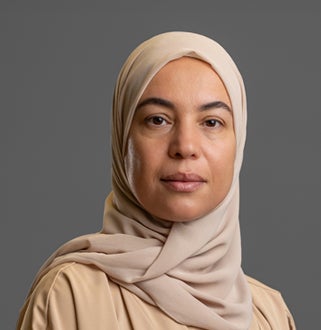
Anissa Jrad
Project Analyst
Educational Qualifications
BSc in Chemistry (Water Treatment Major)
Certificate in Medical Translation and Interpretation (English-Arabic)
Entity
College of Islamic Studies
Division
Administration
Biography
Anissa Jrad is a Project Analyst at the College of Islamic Studies at Hamad Bin Khalifa University, where she supports the college's administrative and operational functions. Her work focuses on developing, editing, and maintaining process guidelines and procedural documentation to ensure consistent and efficient operations across the college.
Before joining the College of Islamic Studies, Anissa gained professional experience at the Research Center for Islamic Legislation and Ethics( HBKU), Qatar University, Carnegie Mellon University in Qatar, and the Linguistic Data Consortium (LDC) at the University of Pennsylvania.
BSc in Chemistry (Water Treatment Major)
University of Sciences, Tunisia
2002
Certificate in Medical Translation and Interpretation (English-Arabic)
Weill Cornell University in Qatar
2015
Certificate in Computer Science and Multimedia
University of Montreal, Canada
2012
- Digital content management and academic communication
- Arabic corpus development and annotation
- Text analytics and discourse analysis
- Research dissemination and publication management
- Arabic-English translation for academic and research contexts
Project Analyst
College of Islamic Studies, Hamad Bin Khalifa University
2023 – Present
Research Assistant
Core Curriculum Program, Qatar University
2020 – 2023
Research Assistant
Computer Science Department, Carnegie Mellon University in Qatar
2013 – 2018
Freelance Translator and Arabic Linguist
Univers Linguistique Montreal, Canada
2009 – 2012
Senior Linguistic Annotator
Linguistic Data Consortium, University of Pennsylvania, United States
2007 – 2009
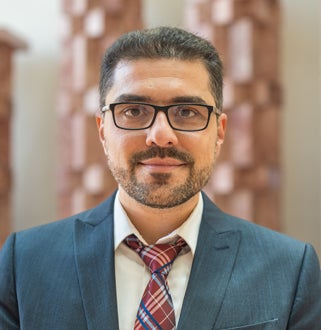
Dr. Mohammad Albakri
Assistant Professor
Educational Qualifications
PhD in Engineering Mechanics
MSc in Mechanical Engineering
Entity
College of Science and Engineering
Biography
Dr. Mohammad Ismail Albakri is an Assistant Professor of Mechanical Engineering at Hamad Bin Khalifa University’s College of Science and Engineering. Dr. Albakri earned his PhD in Engineering Mechanics from Virginia Polytechnic Institute and State University (Virginia Tech) in 2017. Before Joining Hamad Bin Khalifa University, Dr. Albakri held academic positions at Tennessee Technological University and Texas A&M University at Qatar.
Dr. Albakri’s research interests span the areas of smart materials and applied mechanics with a particular emphasis on additive manufacturing and nondestructive evaluation. Dr. Albakri is the founder of the Smart Materials and Structures Research laboratory where his research group combines analytical, numerical, data-driven, and experimental approaches to conduct research at the forefront of functional materials, mechanics, and manufacturing.
Dr. Albakri has authored numerous publications in leading scientific journals and has presented his work at prestigious conferences. He is also the recipient of several research and teaching awards in recognition of his achievements.
PhD in Engineering Mechanics
Virginia Tech, United States
2017
MSc in Mechanical Engineering
Masdar Institute of Science and Technology, UAE
2011
B. Eng in Mechanical Engineering
Palestine Polytechnic University, Palestine
2007
- Smart materials
- Structural dynamics
- Additive manufacturing
- Nondestructive evaluation
Assistant Professor
College of Science and Engineering, Hamad Bin Khalifa University
2024 - Present
Assistant Professor
Mechanical Engineering Program, Texas A&M University at Qatar
2022 - 2024
Assistant Professor
Department of Mechanical Engineering, Tennessee Tech University, United States
2019 - 2022
Postdoctoral Researcher
Department of Mechanical Engineering, Virginia Tech, United States
2017 - 2019
Ali, F., et al. (2025). Enhancing the electroactive β-phase of PVDF filaments via feedstock processing. Smart Materials and Structures.
Rogers, W. C., & Albakri, M. I. (2024). Estimation, tuning, and evaluation of propagation direction behavior in superimposed orthogonal two-dimensional structure-borne traveling waves. Smart Materials and Structures, 33(12), 125027.
Ansari, N., et al. (2024). Post-processing of additive manufactured Mg alloys: Current status, challenges, and opportunities. Journal of Magnesium and Alloys.
Malladi, V. V. N. S., et al. (2022). Estimating experimental dispersion curves from steady-state frequency response measurements. Mechanical Systems and Signal Processing, 164, 108218.
Sturm, L. D., et al. (2019). In situ monitoring of material jetting additive manufacturing process via impedance-based measurements. Additive Manufacturing, 28, 456–463.
- 2024; Early Career Excellence Award, Texas A&M University at Qatar.
- 2024; Student Organization Advisor of the Year, Texas A&M University at Qatar.
- 2016; Liviu Librescu Memorial Fellowship, Virginia Tech.
- 2011; Outstanding Academic Performance Award, Masdar Institute.
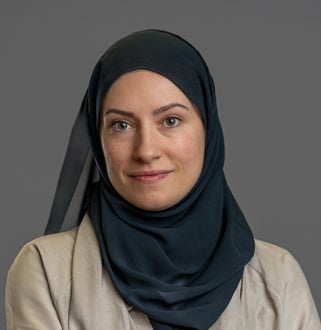
Dr. Seda Özalkan
Research Fellow
Educational Qualifications
PhD in Philosophy
MA in Middle Eastern Political History and International Relations
Entity
College of Islamic Studies
Division
Islamic Studies
Biography
Dr. Seda Özalkan is a Research Fellow at the College for Islamic Studies (CIS), Hamad Bin Khalifa University (HBKU). She holds a PhD in Philosophy in Civilization Studies from Ibn Haldun University, with a dissertation on Ibn Khaldun’s political and educational theory and its philosophical foundations. She is trained in the philosophy of politics and education as well as in Islamic studies and continues her research at the intersection of these fields.
PhD in Philosophy
Ibn Haldun University, Turkiye
2023
MA in Middle Eastern Political History and International Relations
Marmara University, Turkiye
2017
BA in Political Science and International Relations
Marmara University, Turkiye
2014
- Educational theory
- Politics and education
- Philosophy of social science
- Social ontology
- Islamic studies
Research Fellow
College for Islamic Studies, Hamad Bin Khalifa University
2023 - Present
Program Coordinator
Usul Academy, United States
2021 - Present
TOK Teacher
Highschool, Nun Schools, Turkiye
2022 - 2023
Teaching Assistant
Civilization Studies, Ibn Haldun University, Turkiye
2017 - 2022
Lecturer
Social Sciences, Center for Excellence in Education, Turkiye
2017 - 2022
Alkouatli, C., Chown, D., Özalkan, S., Memon, N., & Al Qassim, A. (forthcoming). Expanding research paradigms: Posing structural questions to guide research design in sites of Islamic education.
Özalkan, S. (2024). Zionism. In Z. Kurşun (Ed.), Ortadoğuyu kuran ideolojiler [Ideologies that founded the Middle East]. Istanbul, Turkiye: Kutadgu.
Özalkan, S. (2018). Siyonizm karşıtı Yahudiler [Jews against Zionism]. İz Yayıncılık.
Complete Publication Listing(s): Google Scholar
- Ibn Khaldun on Education: Insights for Contemporary Theories and Practices. CIS Research Clusters Grant 7th Cycle. Awarded in 2025 by CIS, HBKU.
- Advancing Qatar's AI Landscape: Developing an Arabic-Centric and Ethically-Aligned Large Language Model. Signature Research Grants-02. Awarded in 2024 by HBKU OVPR.
- Islamic Thought and Its Implications for Current Sociological Inquiry: A Multiplex Approach. Awarded in 2020 by John Templeton Foundation.
- Comparative Theories and Methods Textbook. Scientific Research Project (BAP). Awarded in 2020 by Ibn Haldun University.
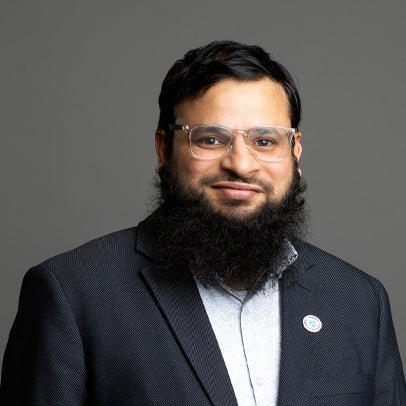
Dr. Mohammed Muslehuddin Musab
Researcher
Educational Qualifications
PhD in Islamic Finance and Economy
MS in Islamic Finance
Entity
College of Islamic Studies
Division
Center for Islamic Economics and Finance (CIEF)
Biography
Dr. Mohammed Muslehuddin Musab is a researcher at the College of Islamic Studies (CIS) at Hamad Bin Khalifa University (HBKU). He is a multi-skilled professional with expertise in scientific research. His professional track record includes professional training, teaching, editing, auditing, translation, and interpretation. He also specializes in Shariah governance and supervision, Islamic jurisprudence, and principles of Islamic jurisprudence, especially in the law of inheritance in Islam.
Dr. Musab has deep interests in artificial intelligence, regulatory technology, and blockchain technology, as well as their practical applications. He applies a rigorous approach to knowledge and methodology. He is dedicated to bridging gaps between theoretical concepts and real-world implementation and fosters collaboration. Dr. Musab’s ultimate goal is to enhance community development and scholarly understanding.
PhD in Islamic Finance and Economy
Hamad Bin Khalifa University
2026
MS in Islamic Finance
Hamad Bin Khalifa University
2013
Bachelor of Law in Shariah (Islamic Law)
Islamic University of Madina, Saudi Arabia
2009
BA in Arabic Language
Madras University, India
2005
BA in Islamic Studies
Jamia Darussalam Arabic College, India
2004
- Islamic FinTech
- Regulatory technology (RegTech)
- Sustainability in finance
- Digital transformation in banking
- Technology and shariah compliance
Researcher
College of Islamic Studies, Hamad Bin Khalifa University
2025 – Present
Arabic to Urdu and English Interpreter
Minaretein Centre, Hamad Bin Khalifa University
2016 – 2024
Translator and Interpreter for Arabic, Urdu, Hindi, and English
Translation and Interpreting Institute (TII), Hamad Bin Khalifa University
2016 – 2024
Online Islamic Studies Faculty
Preston International College, Chennai, India
2020 – 2022
Shariah Audit and Supervision
Bait Al Mashura Finance Consultations, Qatar
2012 – 2024
Nienhaus, V., & Mohammed, M. M. (2023). Financial services by BigTech: Impacts and opportunities for Islamic banks. Bait Al-Mashura Journal, (19), 250–281.
Mohammed, M. M. (2023). RegTech and SupTech for Shariah governance: A case study of IRSHAD and ORION.
- Full scholarship for master’s degree at HBKU.
- Full scholarship for bachelor’s degree, Islamic University of Madina.
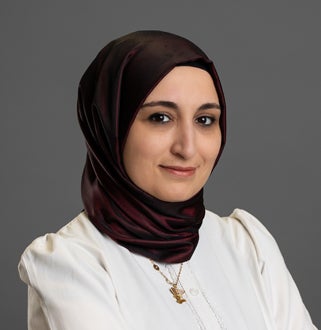
Eman Khaled
Advanced Classic Arabic Language Instructor
Eman Khaled
Advanced Classic Arabic Language Instructor
Educational Qualifications
MA in Arabic Language: Applied Linguistics
BA in Arabic Language and Literature
Entity
College of Islamic Studies
Division
Academic Arabic
Biography
Eman Khaled is an Arabic language instructor with extensive experience teaching Arabic to non-native speakers. She holds a master’s degree in Applied Linguistics and is a certified Oral Proficiency Interview (OPI) tester by the American Council on the Teaching of Foreign Languages (ACTFL).
Before joining Hamad Bin Khalifa University, Khaled worked as a lecturer at the Language Center at the University of Jordan, where she taught Arabic to non-native speakers, including diplomats and international students. Khaled has taught at various institutions, including the University of Jordan and Qasid Institute, where she also developed curricula and presented the Qasid Arabic Podcast to support Arabic learners.
She focuses on engaging and practical language instruction. In addition to teaching, Eman has worked as a researcher, editor, and voiceover, contributing educational content to several media and language platforms.
MA in Arabic Language: Applied Linguistics
Petra University, Jordan
2014
BA in Arabic Language and Literature
Hashemite University, Jordan
2009
- Innovative methodologies in teaching Arabic to non-native speakers
- Academic Arabic Language Acquisition
- Phonological patterns and root morphology in Arabic
- Pedagogical approaches to vocabulary acquisition in Arabic
Advanced Classic Arabic Language Instructor
College of Islamic Studies, Hamad Bin Khalifa University
2025 – Present
Part-time Lecturer
University of Jordan, Jordan
2024 – 2025
Instructor
Qasid Institute, Jordan
2020 – 2023
Instructor and Program Coordinator
School for International Training (SIT), Jordan
2019 – 2020
Instructor and Program Coordinator
Tawasol Training Center, Jordan
2017 – 2019
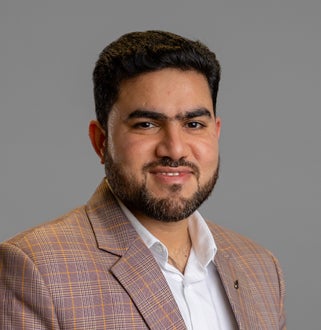
Dr. Umar Farooq Abdul Basit Patel
Research Fellow
Educational Qualifications
PhD in Management
Master’s in Management Studies (MMS)
Entity
College of Islamic Studies
Division
Research Division
Biography
Dr. Umar Farooq is a Research Fellow at the College of Islamic Studies and also a seasoned finance professional with over 15 years of experience across academia and the corporate world in India and the Middle East. He currently manages the research division, overseeing the annual research clusters grant program, policy formulation, and the research reporting and repository administration.
He was an Assistant Professor at Rizvi Institute of Management Studies and Research (RIMSR) in India. He also directed daily operations for the MBA program, collaborating with industry for curriculum development and fostering industry-academia partnerships.
Dr. Farooq was an accredited trainer with the Institute of Chartered Accountants of India (ICAI), conducting management and communication skills workshops. He partnered with the Bombay Stock Exchange (BSE) to enhance financial literacy, conducting targeted sessions across Mumbai, India. He also delivered workshops on financial acumen for non-finance professionals to senior executives of a Fortune 500 company in India.
He has worked as an industry analyst at the Centre for Monitoring Indian Economy (CMIE) and as a consultant in the economic risk division of Dun and Bradstreet (D&B) Financial Services, specializing in economic and policy analysis. He also served as a senior economic research consultant at Deutsches Asienforschungszentrum (DAfz), where he developed an economic model for the Malaysian Palm Oil Council.
PhD in Management
University of Mumbai, India
2024
Master’s in Management Studies (MMS)
University of Mumbai, India
2008
Bachelor of Commerce (B.Com)
University of Mumbai, India
2006
- Islamic finance
- Mutual insurance
- Health insurance
- Social finance
- Gig economy
Research Fellow
College of Islamic Studies, Hamad Bin Khalifa University
2021 – Present
Assistant Professor
Rizvi Institute of Management Studies and Research, India
2010 – 2021
Industry Analyst
Centre for Monitoring Indian Economy Pvt. Ltd., India
2008 – 2009
Complete Publication Listing(s): Google Scholar | ResearchGate
Grant: Alternative approaches to insurance and risk management: A critical study of Mutuals and Takaful in India
Institution: CIS, HBKU
Year: 2023
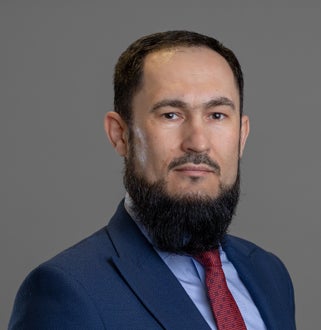
Dr. Ruslan Adam Nagayev
Program Director and Assistant Professor of Islamic Finance
Dr. Ruslan Adam Nagayev
Program Director and Assistant Professor of Islamic Finance
Educational Qualifications
PhD in Islamic Finance
MSc in Islamic Finance
Entity
College of Islamic Studies
Division
Islamic Finance
Biography
Dr. Ruslan Nagayev is an Assistant Professor of Islamic Finance at the College of Islamic Studies. He holds a PhD in Islamic Finance from INCEIF University. His doctoral research earned him the President’s Award. He also has a Master’s degree in Islamic Finance and a BA in Business Administration.
Before academia, Dr. Nagayev worked in the oil industry, rising from a Cost Control Assistant to Chief Internal Auditor at multinational corporations. His experience has informed his research and teaching approach. With over a decade of teaching experience, he has taught over 150 credit hours across undergraduate and graduate courses at various institutions. His dedication earned him the Best Academic Performance Award at Istanbul Sabahattin Zaim University in 2018, 2019, and 2021.
Dr. Nagayev’s scholarly contributions include 20 articles in reputable journals like Energy Economics, Finance Research Letters, Borsa Istanbul Review, and Research in International Business and Finance. His research interests include Islamic finance, energy economics, capital markets, sustainability, and applied econometrics. He is involved in significant international projects, such as COMCEC initiatives and a project for the Islamic Development Bank (IsDB), and has provided consultancy services to the Islamic Financial Services Board (IFSB). He also served as the Vice Editor of the Journal of Islamic Economics and Finance (JIEF).
PhD in Islamic Finance
INCEIF University, Malaysia
2017
MSc in Islamic Finance
INCEIF University, Malaysia
2012
BA in Business Administration
Misr University of Science and Technology, Egypt
2004
Diploma in Banking
Mangystau Polytechnic College No.1, Kazakhstan
1997
- Islamic finance
- Applied econometrics
- Islamic insurance (Takaful)
- Sustainability
- Energy economics
Program Director of MA in Islamic Finance
College of Islamic Studies, Hamad Bin Khalifa University
2025 – Present
Assistant Professor of Islamic Finance
College of Islamic Studies, Hamad Bin Khalifa University
2025 – Present
Visiting Professor of Islamic Finance
College of Islamic Studies, Hamad Bin Khalifa University
2021 – 2025
Assistant Professor
Department of Islamic Economics and Finance, Istanbul Sabahattin Zaim University, Turkiye
2017 – 2023
Lecturer
Department of Islamic Finance, Universiti Kuala Lumpur, Malaysia
2013 – 2014
Complete Publication Listing(s): Scopus
- Best Academic Performance Awards (Istanbul Sabahattin Zaim University) in the years 2018, 2019, and 2021
- President’s Best PhD Award (INCEIF University), 2017
- Young Researcher Award (INCEIF University), 2016