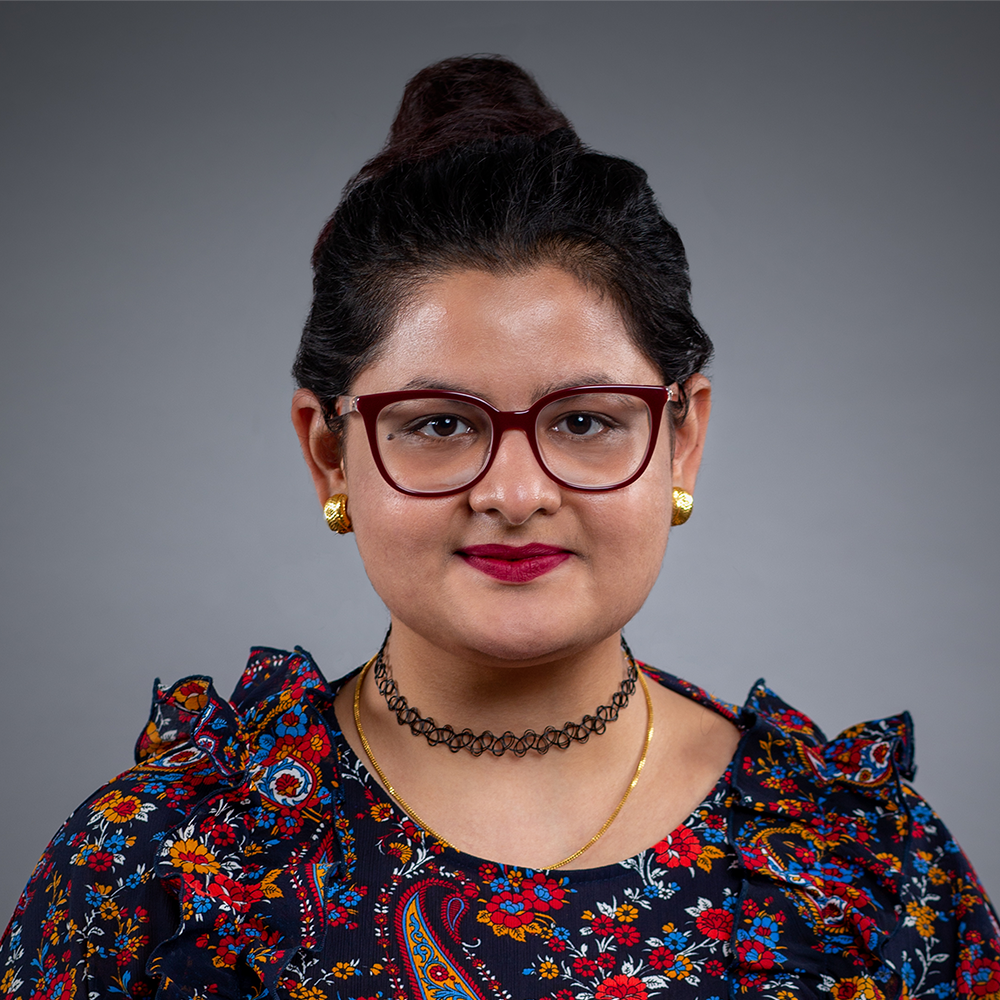
Priyanka G Dodia
Research Associate
Priyanka G Dodia
Research Associate
Educational Qualifications
MS Cybersecurity
BS Computer Science
Entity
Qatar Computing Research Institute
Division
Cybersecurity
Biography
Ms. Dodia has been a committed member of Qatar Foundation since 2012. She's been actively involved with several research groups in QCRI since 2014, currently serving as a full-time researcher for the cybersecurity group.
Her vision is to serve Qatar and fuel the country's cybersecurity intelligence and R&D advancements with the knowledge and skills she's acquired over the years.
MS Cybersecurity
Hamad Bin Khalifa University; Doha, Qatar
May 2018
BS Computer Science
Carnegie Mellon University, Doha, Qatar
May 2016
Higher Education
Central Board of Secondary Education (CBSE); MES Indian School, Doha, Qatar
May 2012
- Computer Networks Security
- Software Defined Networking
- Advanced Persistent Threats
- TOR Anonymity Networks
- VPN Security
Research Associate
Cybersecurity Group (Project: Detecting Malicious Squatting Domains); QCRI / Full Stack Developer - Sijil Enterprise Log Analytics Platform (March 2020- Oct 2020)
Dec 2018 - Current
Research Associate Intern
Cybersecurity Group (Project: QACIP); QCRI
Sept 2017 - May 2018
Research Associate Intern
Social Computing (Project: Health Recommendation System); QCRI
Feb 2017 - May 2017
Information Security Analyst Intern
Al Jazeera Media Network (AJN)
Feb 2016 - May 2016
Student Researcher
Network Security (Project: Analyzing DNS Data for Security Threats & Malware Detection); Carnegie Mellon University - Qatar (CMUQ)
May 2015 - June 2015
Research Assistant Intern
ALT Group (Project: IYAS); QCRI
May 2014 - July 2014
- May 2012; Computer Science Topper - CBSE 12th Board Examination; CBSE Board Delhi-India; MES Indian School, Doha, Qatar
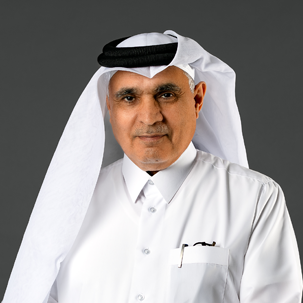
Dr. Ahmed Elmagarmid
Executive Director at Qatar Computing Research Institute
Dr. Ahmed Elmagarmid
Executive Director at Qatar Computing Research Institute
Entity
Qatar Computing Research Institute
Division
Management
Biography
Dr. Ahmed K. Elmagarmid founded the Qatar Computing Research Institute in 2010 and has served as its Executive Director since. Prior to joining Qatar Foundation, Dr. Elmagarmid served as a chief scientist in Hewlett-Packard and Professor of Computer Science at Purdue University.
Dr. Elmagarmid serves as the Vice Chair of the IT Executive Committee of Sidra Medical and Research Centre and is on the board of directors of MEEZA. He is a member of the Executive Committee of Kasra (formerly MENAPOST), the Qatar National Library, a member of the board of Governors of the Qatar Academy, a founding member of Qatar Genome Project National Committee and the Sidra External Scientific Advisory Council. Dr. Elmagarmid served on the Arab Expat Scientist Committee that laid the plans for the research programs at QF and started the three National Research Institutes: QCRI, QBRI and QEERI.
Dr. Elmagarmid is a recipient of the NSF Presidential Young Investigator (PYI) award from President Reagan in 1988. He is an IEEE Fellow, an ACM Fellow and an AAAS Fellow. The University of Dayton and Ohio State University have both named him among their distinguished alumni.
Dr. Elmagarmid received his B.S. in computer science from the University of Dayton (1977) and his M.S. (1981) and Ph.D. (1985) from Ohio State University.
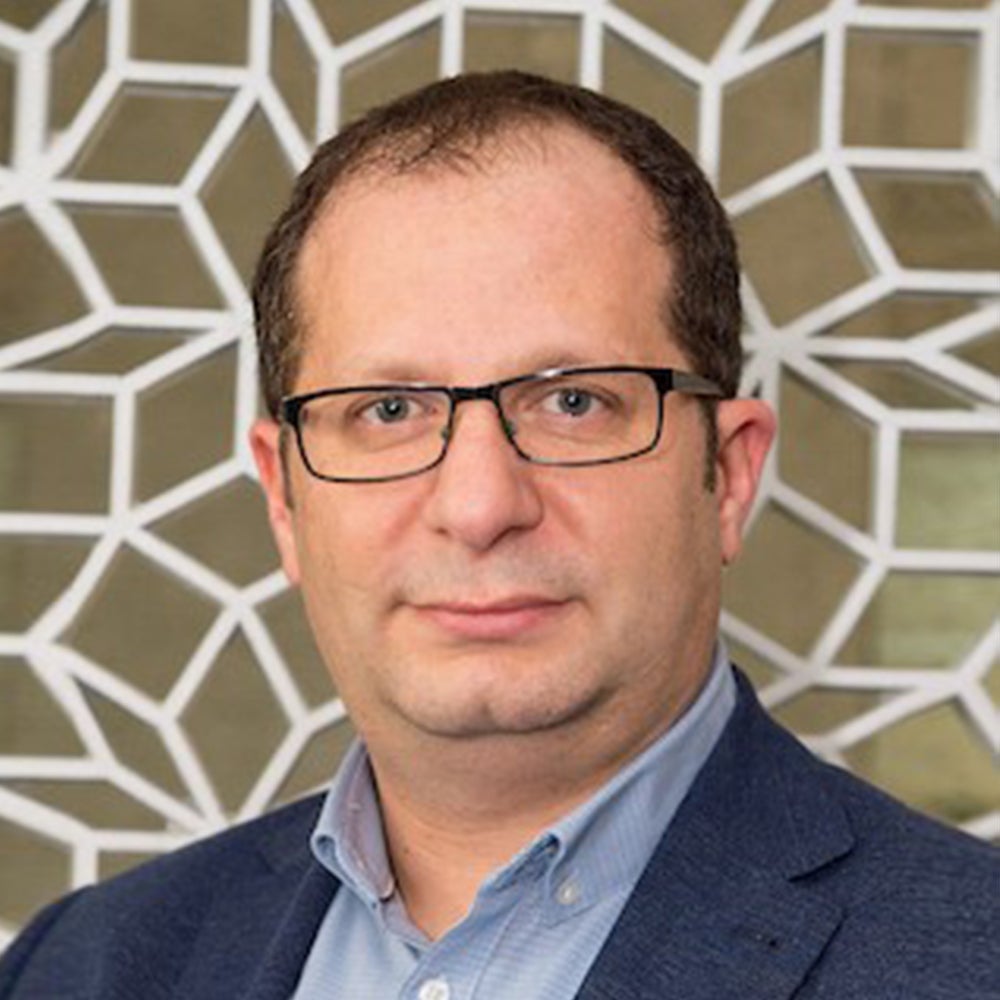
Dr. Ayman Al Haj Zen
Associate Professor
Dr. Ayman Al Haj Zen
Associate Professor
Educational Qualifications
PhD in Biology and Physiology of the Circulatory system
MSc in Cardiovascular Physiology
Entity
College of Health and Life Sciences
Division
Biological and Biomedical Sciences
Biography
Dr Ayman Al Haj Zen is an Associate Professor at the College of Health and Life Sciences at Hamad Bin Khalifa University. He obtained his PhD from the University of Paris VII, where he studied the role of small proteoglycans in regulating vascular repair and atherosclerosis. Afterward, he moved to England and worked as a Postdoctoral Researcher at various institutions, including the London Research Institute, the University of Bristol, and the University of Oxford. During this time, he focused on studying the role of cell-cell communication signaling in ischemia-induced angiogenesis and vascular regeneration.
In 2013, Dr. Al Haj Zen received an intermediate research fellowship from the British Heart Foundation (Oxford) Centre of Research Excellence allowing him to establish his independent research program in vascular biology and drug discovery at the University of Oxford. His research centered on identifying new therapeutic targets and strategies to modulate angiogenesis and vascular response in diseases such as ischemic vascular disease, atherosclerosis, vascular dementia, and cancer.
His lab develops 3D microfluidics organ-on-chip disease models combined with high throughput quantitative image-based approaches to conduct genetic and drug screens that have applications in understanding underlying disease mechanisms and developing new therapeutics and personalized medicines.
PhD in Biology and Physiology of the Circulatory system
University Denis Diderot, France
2006
MSc in Cardiovascular Physiology
University Denis Diderot, France
2001
Postgraduate Diploma in Biological and Medical Sciences
University Denis Diderot, France
2000
Doctor of Medicine (MD)
University of Aleppo, Syria
1998
- Functional characterization of GWAS candidate genes of coronary artery disease
- Target and drug discovery using a high-throughput phenotypic screening platform
- Advanced human disease modeling using 3D microfluidics organ-on-chip and bioprinting technologies
- Understanding the mechanisms of angiogenesis and microvasculature instability in diseases such as atherosclerosis
- peripheral artery disease
- diabetes
- and cancer metastasis
Associate Professor
College of Health and Life Sciences, Hamad Bin Khalifa University
2024 - Present
Assistant Professor
College of Health and Life Sciences, Hamad Bin Khalifa University
2019 - 2024
Independent Research Fellow
Division of Cardiovascular Medicine (RDM), University of Oxford, United Kingdom
2013 - 2019
Postdoctoral Research Fellow
Division of Cardiovascular Medicine, University of Oxford, United Kingdom
2010 - 2013
Postdoctoral Research Associate
Bristol Heart Institute, University of Bristol, United Kingdom
2008 - 2010
Postdoctoral Research Fellow
Vascular Morphogenesis Lab, London Research Institute, United Kingdom
2006 - 2008
Complete Publication Listing(s): PubMed
- 2021; Paul Dudley White International Scholar Award, American Heart Association; USA
- 2013; Intermediate Research Fellowship; British Heart Foundation (Oxford) Centre of Research Excellence; United Kingdom
- 2009; British Society for Cardiovascular Research Prize; BSCR; United Kingdom
- 2003; French Society of Cardiology Prize (CORDIS); French Society of Cardiology; France
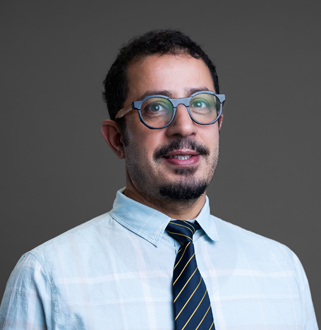
Dr. Samir Brahim Belhaouari
Associate Professor
Dr. Samir Brahim Belhaouari
Associate Professor
Educational Qualifications
PhD in Mathematical Sciences
MSc in Networks and Telecommunications
Entity
College of Science and Engineering
Division
Information & Computing Technology
Biography
Dr. Samir Belhaouari is an Associate Professor at the College of Science and Engineering at Hamad Bin Khalifa University. He conducts research in various areas, including classification techniques, feature extraction and selection, and data preprocessing. Dr. Belhaouari is developing the multilevel architecture of deep learning (MADL), which optimizes networks at different levels and stages. He has created innovative algorithms for time-frequency decomposition, feature selection, and optimization techniques. Additionally, he explores image and graph representation methods to address complex data challenges and works on compressing deep learning to improve performance while reducing costs and energy consumption.
Additionally, he has developed an enhanced hashing function, drawing inspiration from a mathematical conjecture. His contributions have been recognized through the securing of several national and international research funds, such as HBKU-Thematic and QNRF-NPRP-BSRA. Dr. Belhaouari has served as the principal investigator (PI) and played a significant role in the field of AI. Dr. Belhaouari's work encompasses mathematics, machine learning, data analysis, and classification. His pioneering techniques and algorithms hold great potential for enhancing performance across a wide range of applications.
PhD in Mathematical Sciences
Federal Polytechnic School of Lausanne, (EPFL), Switzerland
2006
MSc in Networks and Telecommunications
National Polytechnic Institute (INP/ENSEEIHT), France
2000
- Applied mathematics
- Sustainable AI
- Image and signal processing
- Number theory and its application in computer science
Associate Professor
College of Science and Engineering, Hamad Bin Khalifa University
2017 - Present
Associate Professor
College of Science, University of Sharjah, United Arab Emirates
2015 - 2017
Associate Professor
Computer Science College, Innopolis University, Russia
2014 - 2016
Assistant Professor
College of Science and General Studies, Alfaisal University, Saudi Arabia
2012 - 2015
Research Assistant
Laboratory of Stochastic Processes, Federal Polytechnic School of Lausanne, Switzerland
2000 - 2006
Belhaouari, S. B., & AlQudah, R. (2024). Evaluation of the Komlos Conjecture using multi-objective optimization. Contemporary Mathematics.
Rehman, A. U., Belhaouari, S. B., & Bermak, A. (2024). Reinforced steering evolutionary Markov chain for high-dimensional feature selection. Swarm and Evolutionary Computation.
Belhaouari, S. B., Shakeel, M. B., Erbad, A., & Oflaz, Z. (2023). Bird’s Eye View feature selection for high-dimensional data. Scientific Reports.
Complete Publication Listing(s): Google Scholar
- Outstanding Research Award (First Position), during the academic year 2014-2015 at the university level, Alfaisal University
- Gold Medal, Title “Remote Body Temperature Monitoring System for Malaria Patients” in the Geneva exhibition held from 6th to 10th April 2011, Switzerland
- Silver Prize, Title “BODYTEMPTRAXX”, Seoul International Invention Fair 2010 (SIIF2010), Korea Invention Promotion Association, South Korea
- The Best Paper Award for University Technology of PETRONAS research paper conference (http://www.urpc2012.blogspot.com/), Title: “A New Novel Model for Prediction of Ionic Liquid Toxicity Based on Quantitative Structure-Activity Relationship Approach” 10 August 2012, Malaysia.
- Silver Prize, Most Innovative Award, postgraduate category (SEDEX32), Title of the project: An Efficient Computational Intelligence Technique for Protein Sequence Classification in Bioinformatics, December 2013, Malaysia.
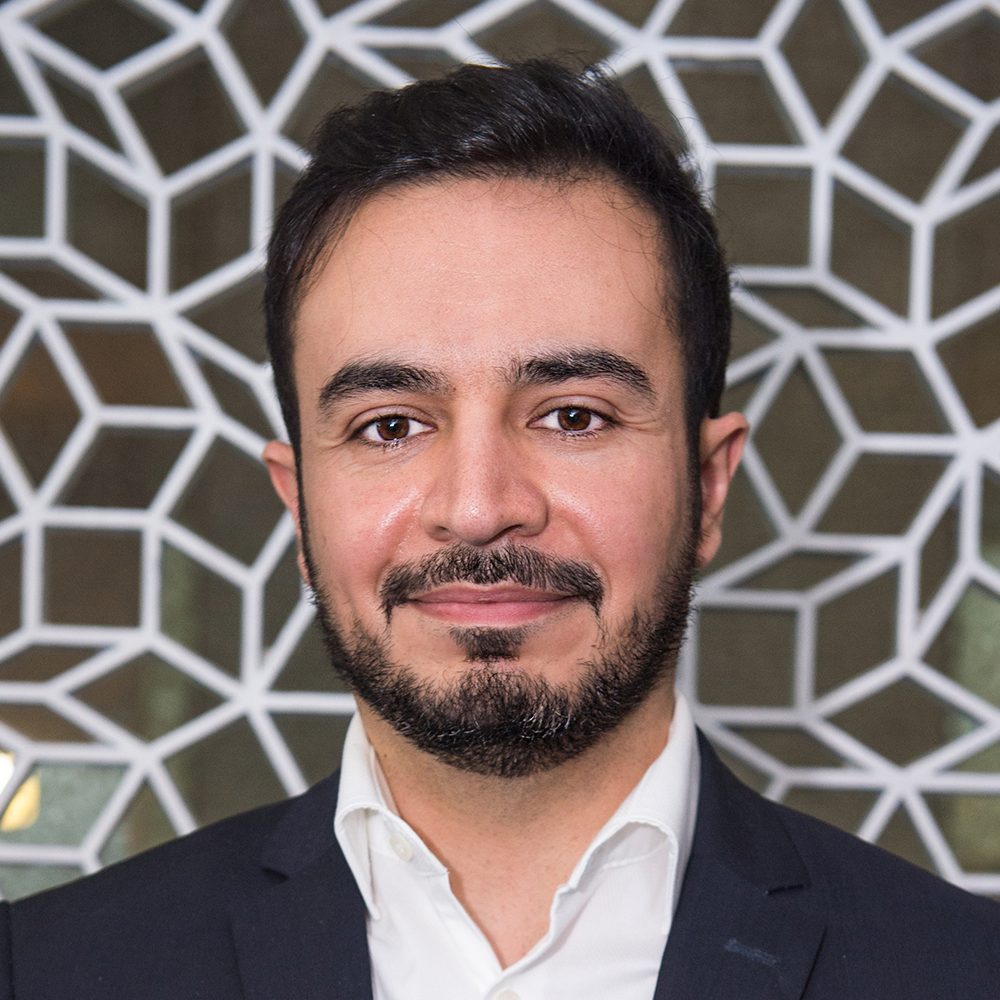
Dr. Nady El Hajj
Associate Professor
Associate Professor
Dr. Nady El Hajj
Associate Professor
Associate Professor
Educational Qualifications
PhD in Biology
MSc in Biology
Entity
College of Health and Life Sciences
College of Science and Engineering
Division
Information & Computing Technology
Biography
Dr. Nady El Hajj is an Associate Professor at the College of Health and Life Science at Hamad Bin Khalifa University. He joined Hamad Bin Khalifa University in 2019 as an Assistant Professor. Dr. El Hajj graduated in biology from the American University of Beirut in 2007 and received his PhD from the Institute of Human Genetics at the University of Würzburg in 2011. His dissertation work investigated the epigenetic risks of assisted reproductive technologies and infertility on germ cells and embryos. During his postdoctoral training at the lab of Thomas Haaf, he focused on identifying whether maternal gestational diabetes during pregnancy causes epigenetic alterations in the developing fetus.
In addition, he was involved in studying paternal age effects on germ cells and the offspring of older fathers from an epigenetic perspective. In 2017, he joined Baylor College of Medicine on a fellowship supported by the German research foundation where he performed bioinformatics analysis on whole genome bisulfite sequencing data to understand interindividual DNA methylation variation in humans. His research is published in more than 70 peer-reviewed articles and has been cited more than 3700 times.
PhD in Biology
University of Würzburg, Germany
2011
MSc in Biology
American University of Beirut, Lebanon
2007
BSc in Biology
American University of Beirut, Lebanon
2005
- Epigenetics
- Aging
- Precision Medicine
- Diabetes
Associate Professor
College of Health and Life Sciences, Hamad Bin Khalifa University
2024 – Present
Assistant Professor
College of Health and Life Sciences, Hamad Bin Khalifa University
2019 - 2024
Research Associate
Department of Pediatrics, Baylor College of Medicine, United States
2017 - 2018
Postdoctoral Research Scientist
Institute of Human Genetics, University of Würzburg, Germany
2011 - 2017
Srour, L., & El Hajj, N. (2024). The ribosome's comeback: New role in body weight regulation. Trends in Genetics. Advance online publication.
Qannan, A., Bejaoui, Y., Izadi, M., Yousri, N. A., Razzaq, A., Christiansen, C., Martin, G. M., Bell, J. T., Horvath, S., Oshima, J., Megarbane, A., Ericsson, J., Pourkarimi, E., & El Hajj, N. (2023). Accelerated epigenetic aging and DNA methylation alterations in Berardinelli-Seip congenital lipodystrophy. Human Molecular Genetics, 32(11), 1826–1835.
Almenar-Queralt, A., Merkurjev, D., Kim, H. S., Navarro, M., Ma, Q., Chaves, R. S., Allegue, C., Driscoll, S. P., Chen, A. G., Kohlnhofer, B., Fong, L. K., Woodruff, G., Mackintosh, C., Bohaciakova, D., Hruska-Plochan, M., Tadokoro, T., Young, J. E., El Hajj, N., Dittrich, M., Marsala, M., Goldstein, L. S. B., & Garcia-Bassets, I. (2019). Chromatin establishes an immature version of neuronal protocadherin selection during the naive-to-primed conversion of pluripotent stem cells. Nature Genetics, 51(12), 1691–1701.
2012; Young Investigator Award for Outstanding Science; European Society of Human Genetics; Nürnberg/Germany
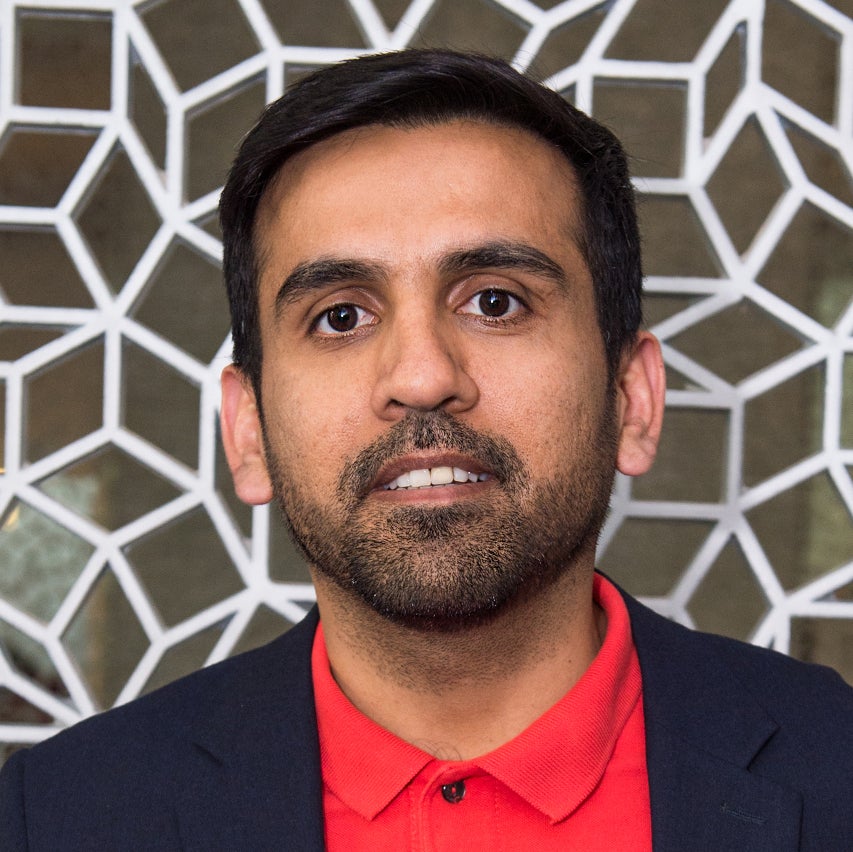
Dr. Omar Muhammad Khan
Assistant Professor
Dr. Omar Muhammad Khan
Assistant Professor
Educational Qualifications
PhD in Molecular medicine
MSc in Molecular Cell Biology
Entity
College of Health and Life Sciences
Biography
Omar Muhammad Khan is an Assistant Professor at the College of Health and Life Sciences at Hamad Bin Khalifa University. Dr. Khan completed his Master's in Biochemistry from Karachi University, Pakistan before moving to Sweden where he did a Masters in Molecular Cell Biology from Uppsala University, and then a PhD in the lab of Prof. Martin Bergo, a protein lipidation expert. In Bergo's lab, he identified the biochemical importance of the protein lipidation enzyme GGTase-I in immune cell function. He refuted the popular idea that GGTase-I can be a therapeutic target against inflammatory conditions.
After finishing his PhD, he moved to The Francis Crick Institute (London) in Dr. Axel Behrens's Lab, where he worked on identifying the posttranslational regulators of a tumor suppressor protein FBW7 and mechanisms of chemotherapy resistance in cancer. Dr Khan’s postdoc work highlighted the importance of protein ubiquitylation and protein turnover in colorectal cancer. He found that FBW7 which is a tumor suppressor, is posttranslationally downregulated in several colorectal cancers. These findings challenge the popular belief that only somatic loss of function mutations can contribute to cancer development.
PhD in Molecular medicine
Gothenburg University, Sweden
2007 – 2012
MSc in Molecular Cell Biology
Uppsala University, Sweden
2005 – 2006
MSc in Biochemistry
University of Karachi, Pakistan
2002 – 2003
Dr. Khan's research is focused on posttranslational protein modifications including ubiquitylation and deubiquitylation in cellular function and how these processes contribute to cancer growth and chemotherapy resistance. Dr. Khan identified posttranslational downregulation of FBW7 protein as a tumour promoting mechanism in colorectal cancer. Because FBW7 controls different cellular functions including stemness, cell cycle, metabolism, inflammation and cell death, it is conceivable that posttranslational stabilization of FBW7 in human cancers may block tumour progression. Consequently, Dr. Khan will exploit biochemistry, cell biology and precision medicine platforms to identify potential drug targets whose inhibition can stabilize FBW7 and improve response to chemotherapy in patients derived cancer cell lines and 3D tumour organoid models.
- Role of protein ubiquitylation/deubiquitylation in colorectal & breast cancer
- Control of essential cellular pathways including TGFβ & mTOR signaling by E3 ubiquitin ligases
- Use of proteomics-based approaches to identify novel drug targets of therapeutic relevance
- Use of 3D intestinal organoids & Apc-/- colorectal cancer models to study the underlying mechanism of cancer development and progression
Assistant Professor
College of Health and Life Sciences, Hamad Bin Khalifa University
2019 - Present
Cancer Research Senior Postdoc Fellow
The Francis Crick Institute, Cancer Research, United Kingdom
2017 - 2018
Postdoctoral Scientist
The Francis Crick Institute, Cancer Research, United Kingdom
2015 - 2017
EMBO Postdoctoral Scientist
London Research Institute, Cancer Research, United Kingdom
2013 - 2015
Keyan, K. S., Salim, S., Gowda, S., Abdelrahman, D., Amir, S. S., Vargas, C., Teresa, M. B., Alwa, A., Dahal, S., Islam, Z. U., Kolatkar, P., Das, S., Torrisani, J., Ericsson, J., Farhan, M., & Khan, O. (2023). Control of TGFβ signaling by ubiquitination independent function of E3 ubiquitin ligase TRIP12. Cell Death & Disease.
Kohil, A., Amir, S. S., Behrens, A., & Khan, O. M. (2023). A small Rho GTPase RAB25 with a potential role in chemotherapy resistance in pancreatic cancer. Cancer Biomarkers.
Keyan, K., Alanany, R., Kohil, A., & Khan, O. (2023). E3 ubiquitin ligase TRIP12 controls exit from mitosis via positive regulation of MCL-1 in response to Taxol. Cancers.
Khan, O. M., Almagro, J., Nelson, J. K., Horswell, S., Encheva, V., Keyan, K. S., Clurman, B. E., Snijders, A. P., & Behrens, A. (2021). Proteasomal degradation of the tumor suppressor E3 ubiquitin ligase FBW7 requires lysine 11-linked branched ubiquitylation by TRIP12. Nature Communications.
Brisslert, M., Brakebusch, C., Wang, D., Bokarewa, M., Sayin, V. I., & Bergo, M. O. (2019). Protein prenylation restrains innate immunity by inhibiting Rac1 effector interactions. Nature Communications.
- March 2021– till filing, Qatar National Research Fund (Lead PI: NPRP13S, $400,000 for 4 years)
- June 2021– 2022, Qatar National Research Fund (Research mentor: HSRP03, $5000 USD for 12-months).
- January 2021– 2023, HBKU thematic grant in Precision Medicine (co-PI $200,000 for 2 years)
- July 2014–June 2017, VetenskapsRådet (VR) international postdoctoral fellow in molecular biology from Gothenburg University, Sweden. (Avtals ID: D0035901, 3.1 million SEK for 3-years)
- July 2013–June 2014, European Molecular Biology Organization’s (EMBO) postdoctoral fellow. (ID: ALTF 459-2013, GBP 28738 for 24-months)
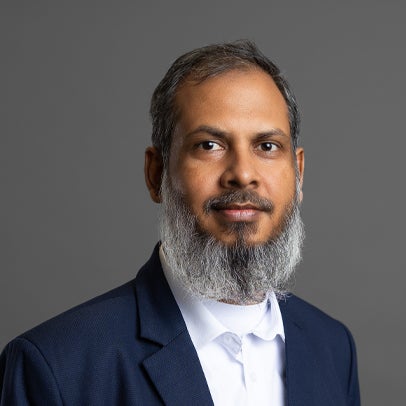
Dr. Kabir Hassan Biswas
Associate Professor
Dr. Kabir Hassan Biswas
Associate Professor
Educational Qualifications
PhD in Biological Sciences
MS in Biological Sciences
Entity
College of Health and Life Sciences
Division
Biological and Biomedical Sciences
Biography
Dr. Kabir Hassan Biswas joined the College of Health and Life Sciences at Hamad Bin Khalifa University as an Assistant Professor in 2019 and was promoted to Associate Professor in 2025. He earned his Master's and PhD through the prestigious Integrated PhD program at the Indian Institute of Science in 2007 and 2011, respectively. He then conducted postdoctoral research at the National University of Singapore and Nanyang Technological University between 2011 and 2019.
Dr. Biswas’s laboratory takes an interdisciplinary approach, integrating computational methods such as AI/deep learning-based protein design, protein structure-function analysis and drug discovery and experimental techniques such as bioluminescence-based biosensors and biointerfaces with the aim to advance fundamental understanding and developing potential treatment for cancer metastasis, cardiovascular diseases, and infectious diseases. His group is also developing point-of-care tests for health and disease monitoring.
Dr. Biswas has received several competitive research grants, including Academic Research Grant, HBKU Thematic Research Grant, and Industrial Innovation Fund, and has published in high-impact journals such as Science, PNAS, The New England Journal of Medicine, and Nature Communications. He has delivered invited talks at major international conferences and received multiple awards, including the Yamaguchi Medal and the Mrs. C. V. Hanumantha Rao Medal.
PhD in Biological Sciences
Indian Institute of Science, India
2011
MS in Biological Sciences
Indian Institute of Science, India
2007
BSc in Biochemistry
Aligarh Muslim University, India
2004
- Therapeutic protein design and drug discovery using AI/deep learning-based and other computational methods
- Expanding capabilities of the BRET technology to engineer biosensors for biomolecule and protease activity detection
- Computational and experimental approaches for protein structure-function analysis including the effect of disease-causing mutations
- Supported lipid bilayer-based interface for reconstituting juxtacrine receptor-ligand signaling
Associate Professor
College of Health & Life Sciences, Hamad Bin Khalifa University
2025 - Present
Assistant Professor
College of Health and Life Sciences, Hamad Bin Khalifa University
2019 - 2025
Senior Research Fellow
NTU Institute of Health Technologies (HealthTech), Nanyang Technological University, Singapore
2018 - 2019
Senior Research Fellow
School of Materials Science and Engineering, Nanyang Technological University, Singapore
2017 – 2018
Senior Research Fellow
Mechanobiology Institute, National University of Singapore, Singapore
2016 – 2017
Research Fellow
Mechanobiology Institute, National University of Singapore, Singapore
2011 – 2016
Complete Publication Listing(s): Google Scholar
- Stanford/Elsevier's Top 2% Scientist Rankings (2025)
- Outstanding Faculty in Biosensors, Venus International Foundation, Chennai, India (2024)
- Yamaguchi Medal, Asian-Pacific Association for Biomechanics, Nagoya University, Japan (2017)
- Mrs. C V Hanumantha Rao Medal, Indian Institute of Science, Bangalore, India (2012)
- Senior Research Fellowship, Council of Scientific and Industrial Research (CSIR), Government of India (GoI) (2009)
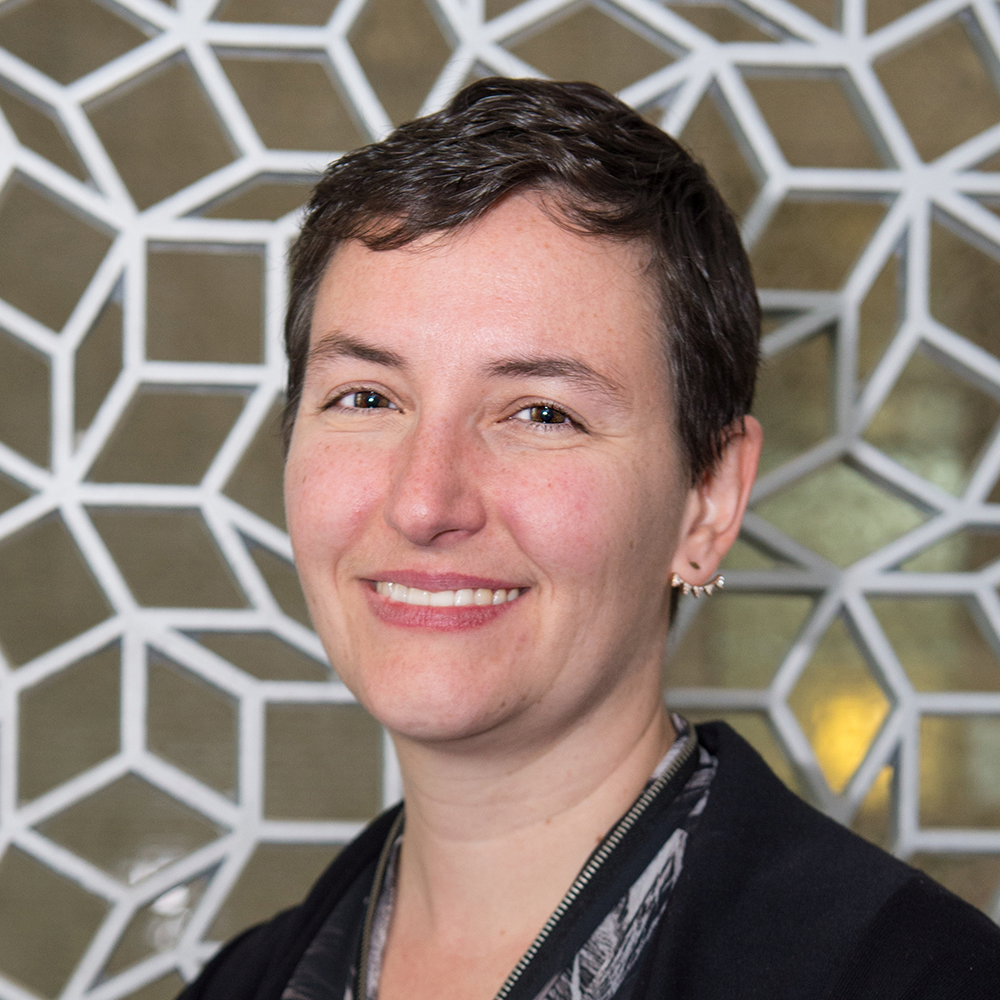
Dr. Borbala Mifsud
Associate Professor
Dr. Borbala Mifsud
Associate Professor
Educational Qualifications
PhD
MSc
Entity
College of Health and Life Sciences
Biography
Dr. Mifsud graduated in biology from Eotvos Lorand University in Budapest in 2006 and obtained her PhD from the Institute of Molecular Pathology in Vienna in 2010. Her work with Thomas Jenuwein involved the epigenetic characterisation of a histone methylation deficient mouse model. After her molecular biology training, she started bioinformatics in the laboratory of Professor Nicholas Luscombe at EMBL European Bioinformatics Institute (EBI) in Cambridge, and subsequently moved to UCL and the Crick Institute in London. In her postdoctoral work she focussed on developing methods for the analysis of Hi-C type data and finding new biological insights into transcriptional regulation, by applying these methods to Hi-C and capture Hi-C data sets. Dr. Mifsud joined the William Harvey Research Insitute in QMUL as an MRC eMedLab Career Development Fellow and Lecturer in 2015, where she used chromatin interaction data to understand the function of regulatory GWAS mutations. Dr. Mifsud has been an Assistant Professor at HBKU since July 2018.
PhD
University of Vienna, Austria
2010
MSc
Eotvos Lorand University, Hungary
2006
- Using chromatin structure information for understanding the effect of GWAS loci
- Uncovering chromatin interactions that change during development
- Identifying the important regulatory interactions in diseases such as leukaemia
MRC Career Development Fellow - Lecturer;
William Harvey Research Institute; Queen Mary University London, UK
2015 - 2018
Postdoctoral Research Fellow
University College London and the Francis Crick Instiute, London, UK
2012 - 2015
Postdoctoral Research Fellow
EBML European Bioinformatics Institute; Cambridge, UK
2010 - 2012
PhD Student
Institute of Molecular Pathology, Vienna, Austria
2006 - 2010
Diploma Student
National Centre for Epidemiology, Budapest, Hungary
2004 - 2006
Student researcher
Department of Plant Taxonomy, Eotvos Lorand University, Budapest, Hungary
2003 - 2004
Nature Genetics; 2018 Sep; doi: 10.1038/s41588-018-0205-x Evangelou E.*, Warren H.R.*, Mosen-Ansorena D.*, Mifsud B.*, Pazoki R.*, He G.*, Ntritsos G.*, Dimou N.* et al
Nature Communications; 2018 May 16;9(1):1947. Ramírez J., Duijvenboden S.V. Ntalla I., Mifsud B., Warren H.R., Tzanis E., Orini M., Tinker A., Lambiase P.D., Munroe P.B.
PLoS One; 2017 Apr 5;12(4):e0174744 Mifsud B.*, Martincorena I.*, Darbo E., Sugar R., Schoenfelder S., Fraser P., Luscombe N.M.
Nature Genetics; 2017 Mar;49(3):403-415 Warren H.R.*, Evangelou E.*, Cabrera C.P.*, Gao H.*, Ren M*., Mifsud B.*, et al
Nature Genetics; 2015 Oct;47(10):1179-86 Schoenfelder S.*, Sugar R.*, Dimond A.*, Javierre B-M.*, Armstrong H.*, Mifsud B., Dimitrova E., Tavares-Cadete F., Furlan-Magaril M., Jurkowski W., Segonds-Pichon A., Wingett S., Tabbada K., Andrews S., Herman B., LeProust E., Osborne C.S., Koseki H., Fraser P., Luscombe N.M., Elderkin S.
Nature Genetics; 2015 Jun;47(6):598-606 Mifsud B.*, Tavares-Cadete F.*, Young A. N.*, Sugar R., Schoenfelder S., Ferreira L., Wingett S. , Andrews S., Grey W., Ewels P.A., Herman B., Happe S., Higgs A., LeProust E., Follows G.A., Fraser P., Luscombe N.M., Osborne C.S.
Genome Research; 2015 Apr;25(4):582-97 Schoenfelder S.*, Furlan-Magaril M.*, Mifsud B.*, Tavares-Cadete F.*, Sugar R., Javierre B-M., Nagano T., Katsman Y., Sakthidevi M., Wingett S. W., Dimitrova E., Dimond A., Edelman L. B., Elderkin S., Tabbada K., Darbo E., Andrews S., Herman B., Higgs A., LeProust E., Osborne C.S., Mitchell J.A., Luscombe N.M., Fraser P.
- 2015 eMedLab Career Development fellowship; Medical Research Council; London/UK
- 2010 Frontiers in Functional Genomics exchange grant; European Science Foundation; Cambridge/UK
- 2009 Travel award; European Union Network of Excellence

Mallika Jaiswal
Business Support Officer
Mallika Jaiswal
Business Support Officer
Educational Qualifications
Bachelor of Science
Entity
College of Health and Life Sciences
Biography
Mallika is currently a Business Support Officer at the College of Health And Life Sciences, and she has developed strong management abilities while working in such a dynamic environment.
Before joining CHLS in 2015, Mallika worked as a Program Assistant at the Executive Education Centre, where she was seconded to HEC Paris in Qatar. She has also worked within the Registrar’s Office and the Provost’s Office at HBKU. Following graduation, she came to Qatar to work as an inflight supervisor for Qatar Airways.
Mallika is active in the community and volunteers her time at local animal shelters.
Bachelor of Science
Executive assistant
College of Health & Life Sciences, HBKU
In-Flight Supervisor
Qatar Airways
Ranked 3rd in International Chinthana Science Examination 2003
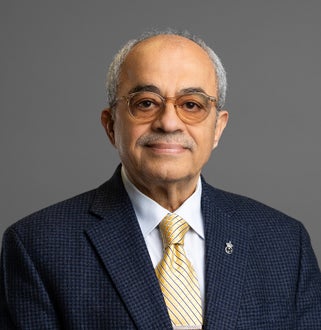
Dr. Emad Eldin Ali Shahin
Professor of Islamic Studies
Dr. Emad Eldin Ali Shahin
Professor of Islamic Studies
Educational Qualifications
PhD in International Relations
MA Political Science and MA Equivalency in International Economics
Entity
College of Islamic Studies
Division
Islamic Studies
Biography
Dr. Emad El-Din Shahin is a professor and former dean of HBKU’s College of Islamic Studies (CIS), Qatar Foundation (2016-2022). Before joining CIS, he was the Hasib Sabbagh Distinguished Visiting Chair of Arabic and Islamic Studies, a visiting professor of Political Science at the School of Foreign Service at Georgetown University, and the editor-in-chief of The Oxford Encyclopedia of Islam and Politics.
Dr. Shahin holds a PhD (1989) from the Johns Hopkins School of Advanced International Studies, and an MA (1983) and a BA (1980) from the American University in Cairo. He has taught in leading universities in the United States, including Harvard, Notre Dame, Georgetown, George Washington, and Boston Universities. He also taught at Al-Akhawayn University in Morocco.
His research and teaching interests focus on Islam and Politics, Comparative Politics, Democracy, and Political Reform in Muslim societies. Dr. Shahin has authored, co-authored, and co-edited six books and has more than 50 scholarly publications including journal articles, book chapters, and encyclopedia entries. His publications include Political Ascent: Contemporary Islamic Movements in North Africa (1998), co-editorship with Nathan Brown of The Struggle over Democracy in the Middle East and North Africa (2010); and co-authorship of Islam and Democracy (2005 in Arabic). He is the editor-in-chief of The Oxford Encyclopedia of Islam and Politics (2014) and co-editor with John L. Esposito of The Oxford Handbook of Islam and Politics (2013); Key Islamic Political Thinkers (Oxford University Press, 2018); and Islam and Politics around the World (Oxford University Press, 2018).
Dr. Shahin was nominated for the Harvard University Joseph R. Levenson Memorial Teaching Prize two years in a row, in May 2007 and May 2008, and is the recipient of the AUC Excellence in Undergraduate Teaching Award for the Academic Year 2001–2002.
PhD in International Relations
Johns Hopkins University, USA
1989
MA Political Science and MA Equivalency in International Economics
American University in Cairo/ Johns Hopkins University
1983/ 1984
BA in Political Science (Minor in Economics, Highest Honors)
The American University in Cairo, Egypt
1980
- Islam and politics
- Muslim political thought
- Comparative politics
- Democracy and political reform in Muslim societies
Faculty Affiliate
Near Eastern Languages and Civilizations Department, Harvard University
2023 – 2025
Professor of Islamic Studies
College of Islamic Studies, Hamad Bin Khalifa University
2022 – Present
Al-Shawwaf Visiting Professor
Near Eastern Languages and Civilizations Department, Harvard University
2022 – 2023
Interim Provost
Hamad Bin Khalifa University
2019 – 2021
Senior Fellow
Alwaleed Bin Talal Center for Muslim-Christian Understanding, Georgetown University
2017 – Present
Dean
College of Islamic Studies, Hamad Bin Khalifa University
2016 – 2022
Hasib Sabbagh Distinguished Visiting Professor of Arabic and Islamic Studies
School of Foreign Service, Georgetown University
2015 – 2016
Visiting Professor
School of Foreign Service, Georgetown University
2014 – 2016
Distinguished Visiting Scholar
Columbia University
2014 – 2015
Public Policy Scholar
Woodrow Wilson International Center for Scholars
2014 – 2014
Henry R. Luce Associate Professor of Religion, Conflict and Peacebuilding
Kroc Institute for International Peace Studies, University of Notre Dame
2012 - Tenured
Associate Professor
Political Science Department, University of Notre Dame
2009 – 2012
Professorial Lecturer
Boston University
2007 – 2009
Faculty Affiliate
Belfer Center for Science and International Affairs, Kennedy School of Government, Harvard University
2007 – 2008
Visiting Associate Professor
Department of Government, Harvard University
2006 - 2009
Visiting Scholar
Harvard Law School, Harvard University
2006 - 2006
Visiting Associate Professor
Center for Contemporary Arab Studies, Georgetown University
2005 - 2005
Tenured Professor
Political Science and Public Policy, The American University in Cairo
1998 – 1998
Assistant Professor
Political Science Department, Al Akhawayn University, Morocco
1996 – 1997
Esposito, J. L., & Shahin, E. E. (2018). Key Islamic political thinkers. Oxford University Press.
Esposito, J. L., & Shahin, E. E. (Eds.). (2013). The Oxford handbook of Islam and politics. Oxford University Press.
Complete Publication Listing(s): Google Scholar
- Carnegie Centennial Distinguished Visiting Scholar (May–July 2015), University of Denver
- Distinguished Visiting Scholar, Institute for Religion, Culture and Public Life, Columbia University (April 2014–March 2015)
- Public Policy Scholar, Woodrow Wilson International Center for Scholars (February 2014–August 2014)
- Nominated two years in a row for the Harvard University Joseph R. Levenson Memorial Teaching Prize (May 2007 and May 2008)
- Excellence in Undergraduate Teaching Award, American University in Cairo (2001–2002)