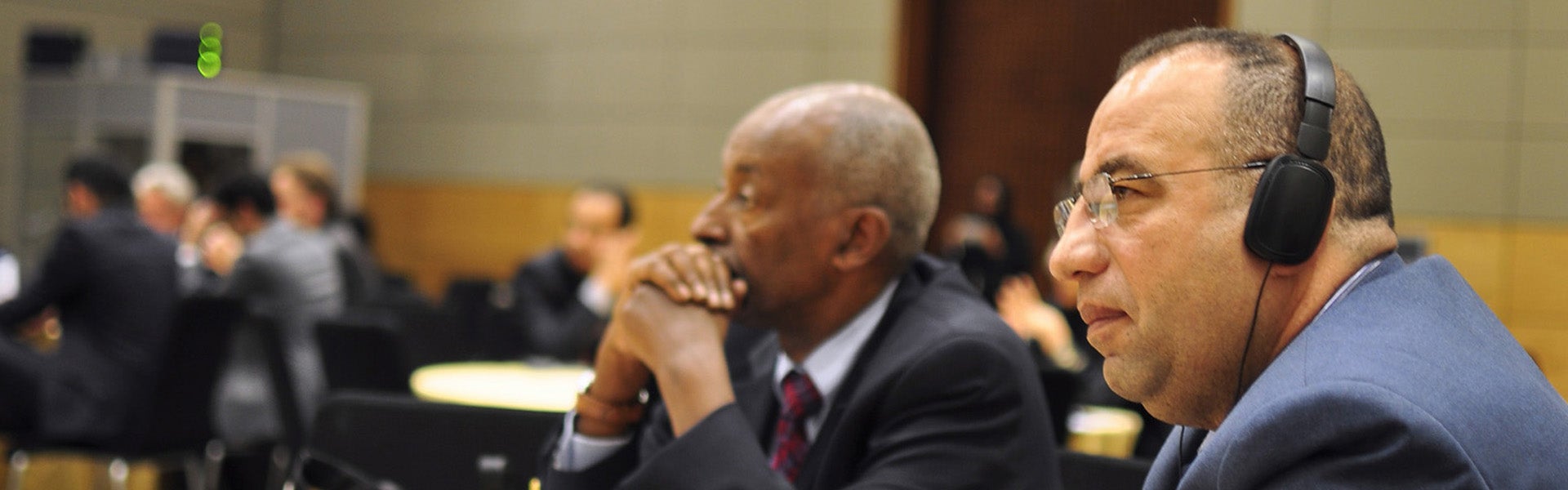
Karthik Somasundaram
Scientist
Educational Qualifications
PhD
Master of Science (Mechanical Engineering)
Entity
Qatar Environment and Energy Research Institute
Biography
Dr. Karthik Somasundaram joined Qatar Environment and Energy Research Institute (QEERI) in July 2022 as a Scientist at the Energy Center. He has nine years of experience in energy storage research especially in the field of Li-ion battery since his PhD. Dr. Karthik received his PhD from National University of Singapore (NUS) in November 2012. His research focused on modeling of transport phenomena in Li-ion batteries and supercapacitors. After his PhD, he spent several years in Singapore working on several research projects at NUS, NTU-Rolls Royce Electrical focusing on multi-scale, multi-physics modeling of
Li-ion batteries related to performance, safety and durability. He also worked as a Li-S cell modeler for Oxis Energy in UK on a joint research project with Imperial College, London and Cranfield University.
Before joining QEERI, Dr. Karthik worked as a Senior Engineer at Caterpillar India in the Advanced Power Products division focusing on development, parameterization, and utilization of mechanistic and empirical models for Li-ion battery cells to predict performance and aging under various operating conditions.
Prior to that, he worked for Renault-Nissan Technology Center in India focusing on optimizing battery cell designs using electrochemical-thermal models, developing machine learning models for process automation and shortlisting of materials.
PhD
National University of Singapore; Singapore
2012
Master of Science (Mechanical Engineering)
National University of Singapore; Singapore
2007
Bachelor of Engineering (Mechanical Engineering)
Madurai Kamaraj University; India
2003
- Li-ion battery modeling - Electrochemical-thermal models
- equivalent electrical circuit models to predict performance and durability
- Battery thermal management systems
- safety
- testing and characterization
- Electric vehicles and energy storage systems (ESS) modeling
- Machine learning models to predict ageing of batteries
- Advanced battery chemistries - ASSB
- Li-S and flow batteries
Senior Engineer
Advanced Power Products; Caterpillar India Engineering Solutions, India
2021 - 2022
Research Fellow
ERIAN-Rolls Royce Electrical; Nanyang Technological University, Singapore
2020
Deputy Manager
Research and Advanced Engineering (Materials); Renault Nissan Technology and Business Centre, India
2017 - 2020
Research Fellow
Cambridge C4T program and Mechanical Engineering; National University of Singapore, Singapore
2015 - 2017
Li-S Cell Modeler
Oxis Energy Ltd., UK
2014
Research Fellow
ME Department; National University of Singapore, Singapore
2012 - 2014
Thermal–electrochemical model for passive thermal management of a spiral-wound lithium-ion battery; Journal of Power Sources 203, 84-96; https://doi.org/10.1016/j.jpowsour.2011.11.075
Analysis of a model for an electrochemical capacitor; Journal of The Electrochemical Society 158 (11), A1220; https://doi.org/10.1149/2.062111jes
Electro-thermal analysis of Lithium Iron Phosphate battery for electric vehicles; Journal of Power Sources 249, 231-238; https://doi.org/10.1016/j.jpowsour.2013.10.052
Effect of thermal contact resistances on fast charging of large format lithium ion batteries; Electrochimica Acta 134, 327-337; https://doi.org/10.1016/j.electacta.2014.04.134
HVNguyen, A Fisher, AS Mujumdar; Scale analysis of electrochemical and thermal behaviour of a cylindrical spiral-wound lithium-ion battery; Electrochimica Acta 400, 139397; https://doi.org/10.1016/j.electacta.2021.139397
Hydrodynamic voltammetry at a rocking disc electrode: Theory versus experiment; Electrochimica Acta 188, 837-844; https://doi.org/10.1016/j.electacta.2015.11.143
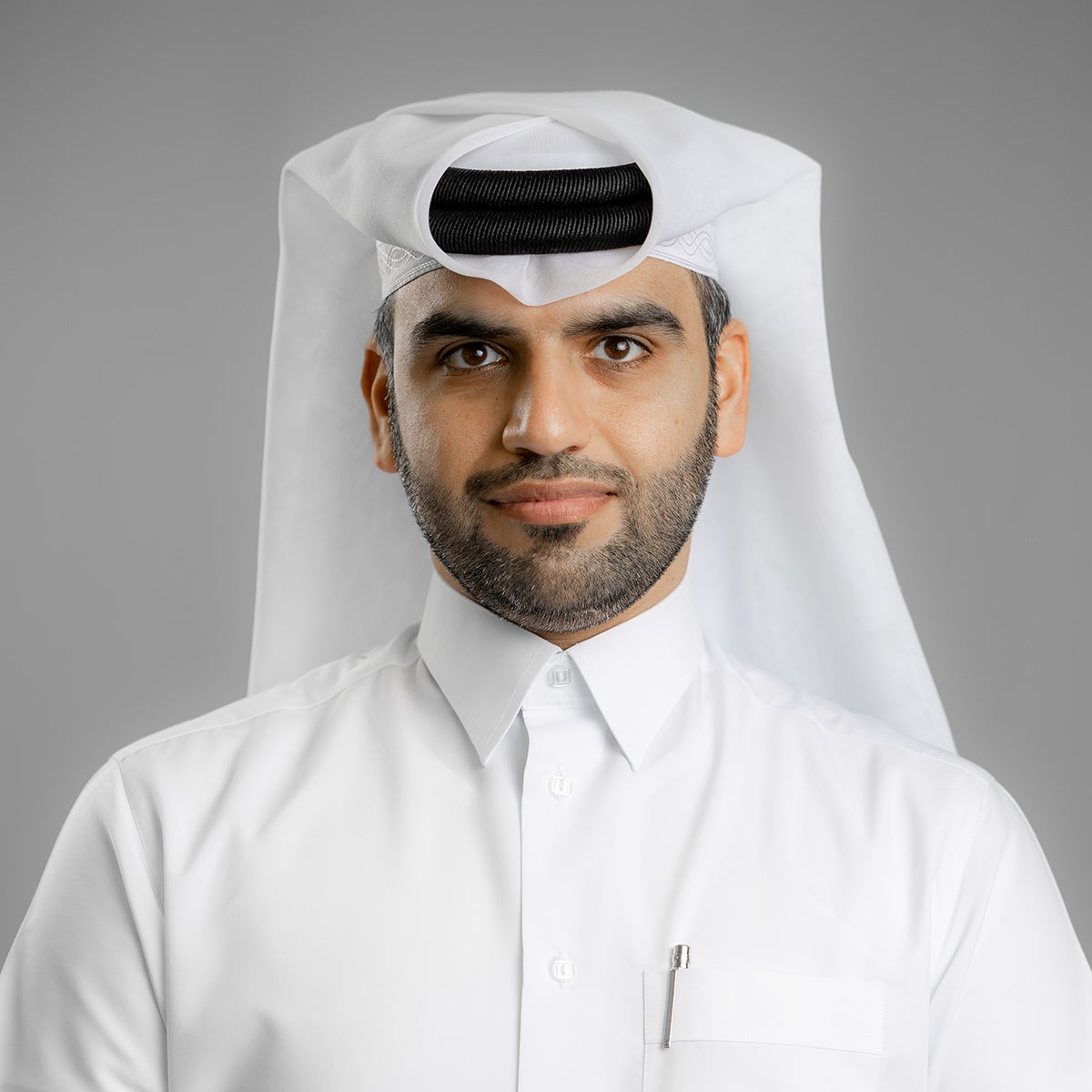
Abdulaziz Al-Emadi
Research Assistant
Educational Qualifications
Bachelor of Engineering with First-Class Honors in Electronic and Electrical Engineering
International Foundation year
Entity
Qatar Environment and Energy Research Institute
Biography
Abdulaziz Al-Emadi is a Research Assistant with Qatar Environment and Energy Research Institute (QEERI) at Hamad Bin Khalifa University in Doha, Qatar. He had preciously worked in Qatar Petroleum and RasGas companies as an Instruments Technician, following which he joined QEERI as a Lab Technician. Upon completion of his degree, he assumed the role of Research Assistant at QEERI.
Bachelor of Engineering with First-Class Honors in Electronic and Electrical Engineering
2017 - 2020
International Foundation year
2016 - 2017
Certificate of advanced transmission electron microscopy
2014 - 2015
Certificate of electronic circuits simulation and prototyping
2014
Certificate of introduction to materials characterization techniques
2014
Certificate of introduction to materials science and technology workshop
2014
Certificate 111 Engineering- Electrical/Electronic trade
2013
High school diploma literary section in Mathematics and Science
Doha, Qatar
2006 - 2007
Instruments Technician
Course in National Institute for Materials Science (Japan) learned about Transmission electron microscopy, Scanning Electron Microscope, Energy Dispersive Spectroscopy, Focused ion beam, and Sample preparation
2008 - 2014
- Certificate in excellent performance for the month from RasGas company (April 2011)
Radee Dami Alrewaily
Research Engineer
Educational Qualifications
PhD study in Chemical Sciences
Bachelor Degree in Mechanical Engineering
Entity
Qatar Environment and Energy Research Institute
Biography
Eng. Radee Dami Alrewaily is a Research Engineer with the Water Center at Qatar Environment and Energy Research Institute (QEERI) in Doha, Qatar. Previously, he worked at Qatar Petroleum (now Qatar Energy) in the gas production sector as an operator. He received his bachelor degree of Mechanical Engineering from the University of South Wales, UK, following which he started working in Qatar Foundation from 2008. His current work projects include: - MED thermal desalination plant design and operation; - oil/water separation technology development for oil spill cleanup and produced water treatment; - AC condensate water recycling and reuse.
PhD study in Chemical Sciences
Dublin City University, Ireland
2022 - Present
Bachelor Degree in Mechanical Engineering
University of South Wales, UK
2008
High Diploma in Mechanical Engineering
College of North Atlantic Qatar
2015
- Oil/water separation technology development for oil spill cleanup and produced water treatment
- AC condensate water recycling and reuse for enhancing food and energy production
- Thermal desalination technology development
Research Engineer
Qatar Environment and Energy Research Institute
2012 - Present
Facility Management, Transport Administrator
Qatar Foundation
2008 - 2012
Operator for Gas and Oil Production
Qatar Petroleum
2001 - 2007
Journal of Water Process Engineering, Volume 47, June 2022, 102836. https://doi.org/10.1016/j.jwpe.2022.102836
- 2010, Thana Award, Qatar Foundation Facility Management

Usman Zafar
Research Associate
Educational Qualifications
Master's in Computer Science
Bachelor's in Electronics Engineering
Entity
Qatar Environment and Energy Research Institute
Biography
Usman Zafar is a Research Associate with the Energy Management Group at Qatar Environment and Energy Research Institute (QEERI) in Doha, Qatar. He is a certified Google Cloud Architect and also a certified Cloudera & GCP certified Data Engineer with broad experience in Machine learning, Natural Language Processing (NLP) and Speech (Speaker Diarization) as demonstrated by his coursework experience and multiple publications in leading journals/conferences. He is also well versed in modern neural architectures and adept in techniques that make use of pre-trained models such as transfer learning that are essential for companies with small datasets. While he has worked a lot in machine learning, he believes it would have been impossible to train huge datasets without the required data engineering skills, which he attained through practical work on Hadoop, Spark and Google Cloud, and by completing relevant Google Cloud and Cloudera certifications. Mr. Zafar has worked on technologies such as BigQuery, Dataflow, Dataproc, Spark etc. and has the skillset to handle data of any size. As an organized, detail-oriented person with strong communication skills, he believes one of his primary strengths is his ability to learn new technologies quickly and effectively. At QEERI, he works on designing software systems for IOT use-cases, machine learning for energy disaggregation and forecasting energy demand and optimization of locations for maximum demand where demand can be defined by the end-user. Prior to working at QEERI, he has worked at many other places including Schneider Electric and Texas A&M University.
Master's in Computer Science
Lahore University of Management Sciences, Lahore
2014 - 2016
Bachelor's in Electronics Engineering
National University of Science and Technology, Islamabad
2006 - 2010
- AI for Energy Management
- AI for Demand Forecasting
- AI for Energy Disaggregation
Research Engineer
Qatar Environment & Energy Research Institute (QEERI), Doha
2019 - Present
Research Associate
Texas A&M University, Doha
2017 - 2018
Data Scientist
ADDO AI, Lahore
2017 - 2018
Teaching Assistant
Lahore University of Management Sciences (LUMS), Lahore
2016 - 2017
EIB/KNX Engineer
Schneider Electric, Riyadh
2013 - 2014
Technical Engineer
Saudi Electronic Trading co. (SETRA), Riyadh
2012 - 2013
2020 28th European Signal Processing Conference (EUSIPCO), 1590-1594 5
IEEE access 8, 119271-119286 39
IEEE Transactions on Smart Grid 12 (3), 2675-2684 21
IEEE Journal of Selected Topics in Signal Processing 14 (2), 400-412 20
arXiv preprint arXiv:1712.09518 6
A GIS-based optimal facility location framework for fast electric vehicle charging stations
Available at SSRN 4106122
- I was on the Dean's list for obtaining an outstanding GPA in my masters.

Muhammad Anwar
Scientist
Educational Qualifications
Doctor of Philosophy (DPhil)
Master of Science (MSc)
Entity
Qatar Environment and Energy Research Institute
Biography
Dr. Anwar is a Scientist at Qatar Energy and Environment Research Institute (QEERI). He has more than 15 years of R&D experience in catalysis science, organic synthesis, and synthetic methodology development both in industry and academia. He received his DPhil in Synthetic Organic Chemistry from Dyson Perrins Laboratory, Department of Chemistry, University of Oxford, under Professor Mark Moloney. Later he worked with Professor Sir Jack Baldwin FRS at University of Oxford on various industrial projects related to catalytic methodology development, synthesis of bioactive compounds for pharmaceuticals, biomimetic and total synthesis, reaction cascade catalysis, retrosynthetic analysis. He has huge industrial research experience working for Roche (F. Hoffmann-La Roche Ltd.), Pfizer UK), Galapagos (France), and Tocris Bioscience. His research expertise spans topics in Catalysis Science, Target & Diversity Oriented Synthesis, Asymmetric Catalysis, CO2 valorization, Molecular Building Block Design, Reaction Scale-Up, Retrosynthetic Methodologies, Total Synthesis, Reaction Engineering, Drug Discovery, Pharmaceutical Science, Polymerization Chemistry, Circular Chemical Economy, and Fine Chemical Industry. He is also an active member of Royal Society of Chemistry (RSC), Society of Chemical Industry (CSI) and American Chemical Society (ACS).
Doctor of Philosophy (DPhil)
University of Oxford; Oxford, UK
2006
Master of Science (MSc)
University of the Punjab; Pakistan
2000
- Catalysis and Reaction Engineering
- Synthetic Methodology Development
- Retrosynthetic Methodologies
- Target & Diversity Oriented Synthesis
- CO2 valorization
- Circular Chemical Economy
- Polymer Chemistry
- Drug Design and Discovery
Scientist
Qatar Environment and Energy Research Institute, Hamad Bin Khalifa University
2016 - Present
Synthetic Organic Chemist
Tocris Bioscience; UK
2015 - 2016
Consultant
Oxford CanCat LCC; Canada
2013 - 2014
Senior Research Fellow
University of Oxford; Oxford, UK
2009 - 2013
Postdoctoral Research Fellow
University of Oxford; Oxford, UK
2006 - 2009
Silicon-Enriched Nickel Nanoparticles for Hydrogenation of N-Heterocycles in Aqueous Media; ACS Appl. Nano Mater. 2022, 5 (4), 5625–5630.
A Convenient and Stable Heterogeneous Nickel Catalyst for Hydrodehalogenation of Aryl Halides Using Molecular Hydrogen. ChemSusChem 2022, 15(5), e202102315.
From Mobile Phones to Catalysts: E‑Waste-Derived Heterogeneous. ACS Sustainable Chem. Eng. 2021, 9, 30, 10062–10072.
A State-of-the-Art Heterogeneous Catalyst for Efficient and General Nitrile Hydrogenation. Chem. Eur. J. 2020, 26 (67), 15589-15595.
Cobalt Single-Atom Catalysts with High Stability for Selective Dehydrogenation of Formic Acid. Angew. Chem. Int. Ed. 2020, 59, 15849-15854.
- 2004: Aylmer St. Peter’s College Research Award, St. Peter’s College, Oxford
- 2002: Aylmer St. Peter’s College Research Award, St. Peter’s College, Oxford
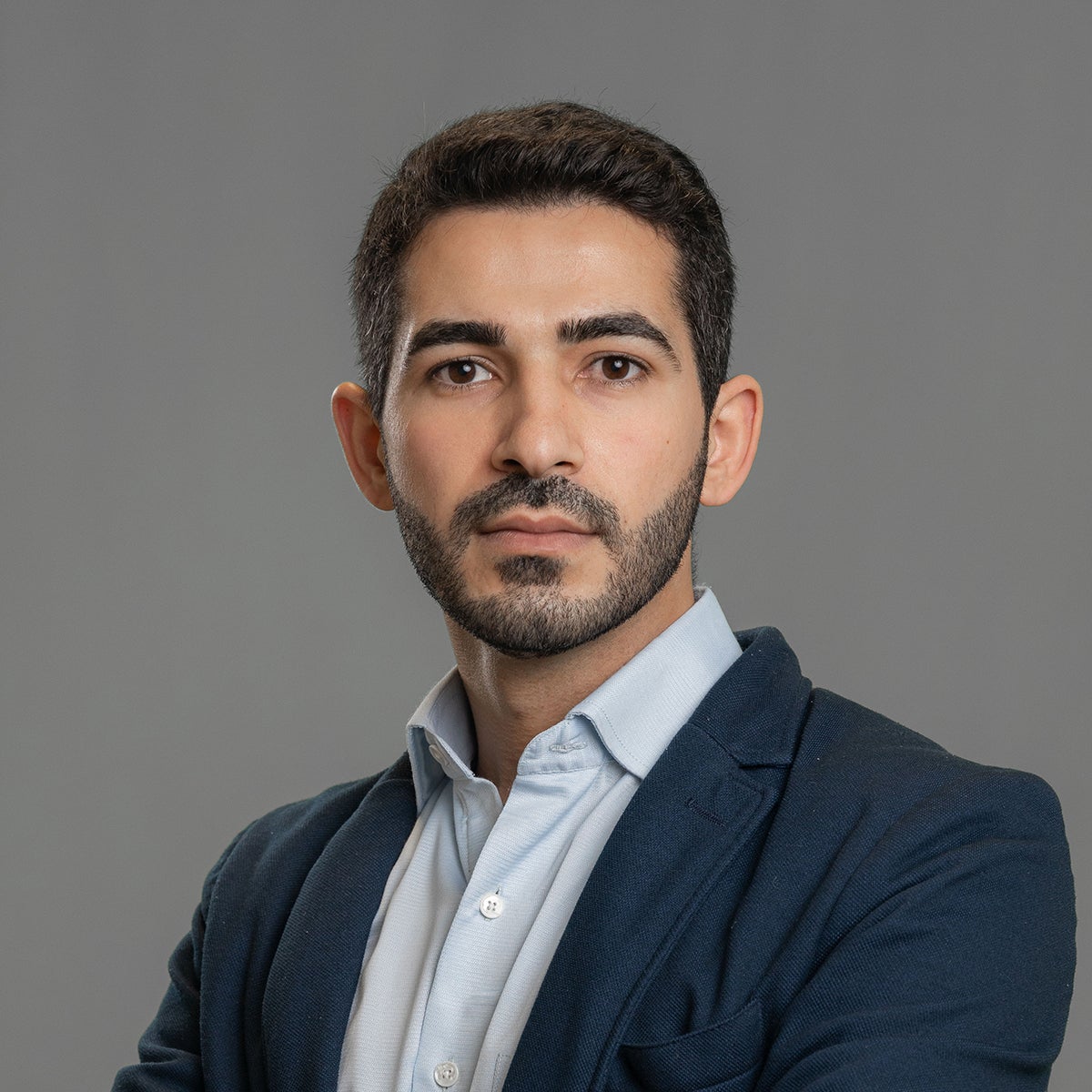
Dr. Odi Alrebei
Scientist
Educational Qualifications
PhD
MSc
Entity
Qatar Environment and Energy Research Institute
Biography
Dr. Odi Alrebei has been the Head of the Aeronautical Engineering department and the Assistant Dean for R&D Affairs at Queen Noor Civil Aviation College. Dr. Alrebei has also been an Assistant Professor (Mechanical Engineering Department) in the American University-Jordan. His current research work is with Cambridge University, Oxford University and Qatar Foundation. Dr. Alrebei received his PhD in Engineering from Cardiff University, UK and his MSc from Queen Mary University of London, UK.
PhD
Cardiff University; (Cardiff, UK)
2019
MSc
Queen Mary University of London; (London, UK)
2017
- Carbon Capture and Storage
- Hydrogen Energy
- Chemical Processing
- Sustainability
- Renewable Energy
- Food-Water-Energy Nexus
- Air quality and thermal comfort
Assistant Dean of R&D Affairs
Queen Noor College
2021 - 2022
Chairman of Department
The Aircraft Maintenance Engineering Department; Queen Noor College
2021 - 2022
Assistant Professor
Mechanical Engineering Department; The American University, Jordan
2020 - 2021
Module Demonstrator
Engineering School; Cardiff University
2018 - 2019
"Ammonia-hydrogen-air gas turbine cycle and control analyses." International Journal of Hydrogen Energy 47, no. 13 (2022): 8603-8620.
"Numerical investigation of a first-stage stator turbine blade subjected to NH3-H2/air combustion flue gases", International Journal of Hydrogen Energy, (2022)
"Lightweight methane-air gas turbine controller and simulator." Energy Conversion and Management: X 15 (2022): 100242.
"State of the art in separation processes for alternative working fluids in clean and efficient power generation." Separations 9, no. 1 (2022): 14.
"Ammonia Production Plants—A Review." Fuels 3, no. 3 (2022): 408-435.
"Planar laser-induced fluorescence and chemiluminescence analyses of CO2-argon-steam oxyfuel (CARSOXY) combustion." Energies 15, no. 1 (2021): 263.
"CO2-Argon-Steam Oxy-Fuel production for (CARSOXY) gas turbines." Energies 12, no. 18 (2019): 3580.
- 2021; Cambridge University Supported Lead Principle Investigator Applicant (Transforming Systems Through Partnership (TSP) Award 20/21; Cambridge University; (Cambridge, UK).
- 2019; Received fund in the PhD degree; Flexible Integrated Energy Systems (FLEXIS), the Welsh European Funding Office (WEFO); (Cardiff, UK).

Dhanup Somasekharan Pillai
Scientist
Educational Qualifications
Doctor of Philosophy
Master of Engineering
Entity
Qatar Environment and Energy Research Institute
Biography
Dr. Pillai is an Electrical Engineer by profession, with a master's degree in Power Electronics and Drives, and a PhD degree in Photovoltaic (PV) Systems. He is currently a Scientist with the Energy Conversion (ENECON) Program at the Energy Center of QEERI. With QEERI, Dr. Pillai works on various projects and activities related to the testing, standardization, and reliability of photovoltaic modules in desert climates. Dr. Pillai is also actively involved in module as well as system level reliability studies and performance assessments of various PV technologies. Dr. Pillai is an inventor of a patent and author of 24 scientific articles published in top-tier international journals (Q1) and conferences, majority of which are high impact factor IEEE transactions, IEEE, and Elsevier journals. Since 2018, Dr. Pillai is also a member of the Institute of Electrical and Electronic Engineers (IEEE).
Doctor of Philosophy
Vellore Institute of Technology (VIT); India
2018
Master of Engineering
Anna University; India
2015
Bachelor of Technology
Mahatma Gandhi University; India
2010
Scientist
Qatar Environment and Energy Research Institute (QEERI); HBKU-Qatar
2022 - Present
Research Fellow
Solar Energy Research Institute of Singapore (SERIS); National University of Singapore (NUS)
2020 - 2022
Research Fellow
Nanyang Technological University (NTU) - Singapore
2019 - 2020
Postdoctoral Researcher
Vellore Institute of Technology (VIT) - India
2019
Research Associate
Vellore Institute of Technology (VIT) - India
2016 - 2019
A simple, reliable and adaptive approach to estimate photovoltaic parameters using spotted hyena optimization: A framework intelligent to predict photovoltaic parameters for any meteorological change. Solar Energy. 2022 Apr 1;236:480-98.
A New Minimal Relocation Framework for Shade Mitigation in Photovoltaic Installations Using Flower Pollination Algorithm. IEEE Journal of Photovoltaics. 2022 Mar 23;12(3):888-97.
A comprehensive review on building integrated photovoltaic systems: Emphasis to technological advancements, outdoor testing, and predictive maintenance. Renewable and Sustainable Energy Reviews. 2022 Mar 1;156:111946.
Parameter Estimation of Organic Photovoltaic Cells–A Three-Diode Approach Using Wind-Driven Optimization Algorithm. IEEE Journal of Photovoltaics. 2021 Dec 13;12(1):327-36.
Evaluation of in-situ thermal transmittance of innovative building integrated photovoltaic modules: Application to thermal performance assessment for green mark certification in the tropics. Energy. 2021 Nov 15;235:121316.
A new shade dispersion technique compatible for symmetrical and unsymmetrical photovoltaic (PV) arrays. Energy. 2021 Jun 15;225:120241.
Identification and localization of array faults with optimized placement of voltage sensors in a PV system. IEEE Transactions on Industrial Electronics. 2020 Jun 4;68(7):5921-31.
Performance enhancement of solar PV systems applying P&O assisted Flower Pollination Algorithm (FPA). Solar Energy. 2020 Mar 15;199:214-29.
An accurate, shade detection-based hybrid maximum power point tracking approach for PV systems. IEEE Transactions on Power Electronics. 2019 Nov 13;35(6):6594-608.
Extended analysis on line-line and line-ground faults in PV arrays and a compatibility study on latest NEC protection standards. Energy conversion and management. 2019 Sep 15;196:988-1001.
A compatibility analysis on NEC, IEC, and UL standards for protection against line–line and line–ground faults in PV arrays. IEEE Journal of Photovoltaics. 2019 Mar 12;9(3):864-71.
A comparative evaluation of advanced fault detection approaches for PV systems. IEEE Journal of Photovoltaics. 2019 Jan 24;9(2):513-27.
Detection and identification of global maximum power point operation in solar PV applications using a hybrid ELPSO-P&O tracking technique. IEEE Journal of Emerging and Selected Topics in Power Electronics. 2019 Feb 22;8(2):1361-74.
Enhanced power production in PV arrays using a new skyscraper puzzle based one-time reconfiguration procedure under partial shade conditions (PSCs). Solar Energy. 2019 Dec 1;194:209-24.
An MPPT-based sensorless line–line and line–ground fault detection technique for PV systems. IEEE Transactions on Power Electronics. 2018 Nov 30;34(9):8646-59.
Design and testing of two phase array reconfiguration procedure for maximizing power in solar PV systems under partial shade conditions (PSC). Energy conversion and management. 2018 Dec 15;178:92-110.
A comprehensive review on protection challenges and fault diagnosis in PV systems. Renewable and Sustainable Energy Reviews. 2018 Aug 1;91:18-40.
A simple, sensorless and fixed reconfiguration scheme for maximum power enhancement in PV systems. Energy conversion and management. 2018 Sep 15;172:402-17.
Metaheuristic algorithms for PV parameter identification: A comprehensive review with an application to threshold setting for fault detection in PV systems. Renewable and Sustainable Energy Reviews. 2018 Feb 1;82:3503-25.
Analysis on solar PV emulators: A review. Renewable and Sustainable Energy Reviews. 2018 Jan 1;81:149-60.
- 2020; Finalist - Director’s Postdoctoral Fellowship Award; National Renewable Energy Laboratory (NREL); USA

Dr. Fares Al-Ejeh
Senior Scientist
Educational Qualifications
Bachelor of Biotech (Honours)
Ph.D. (Cancer Biology)
Entity
Qatar Biomedical Research Institute
Division
Translational Oncology Research Center
Biography
Associate Professor Fares Al-Ejeh was awarded his Bachelor of Biotechnology degree, and his PhD from the University of Wollongong (NSW, Australia). His first post-doctoral position was industry-funded by Oncaidia Ltd at the Royal Adelaide Hospital/Hanson Institute. .
After five years in industry-oriented research, Dr. Al-Ejeh started his academic career at one of Australia's largest research institutes, the QIMR Berghofer Medical Research Institute. At QIMR, he established his own group, Personalised Medicine, in 2015. His track record includes two granted patents on Apomab and five submitted patent applications undergoing evaluation. He has more than 50 peer-reviewed publications focusing on cancer diagnostics and therapeutics with focus on translational medical research.
Dr. Al-Ejeh has contributed as a keynote speaker at several conferences and as a member of several panels for grant reviews in Australia and internationally. He is an Associate Member of the Australian Academy of Health and Medical Sciences (AAHMS) and an adjunct Associate Professor at the Faculty of Medicine, University of Queensland, Australia in recognition of his teaching and supervision of postgraduate students.
Bachelor of Biotech (Honours)
University of Wollongong (NSW/Australia)
2001
Ph.D. (Cancer Biology)
University of Wollongong (NSW/Australia)
2005
- Personalized/Precision Oncology
- Multi-omics
- Novel Biomarkers and Drug Targets
- Breast Cancer
Senior Scientist
Qatar Biomedical Research Institute/HBKU, Translational Oncology Research Center. Doha, Qatar.
2020 - present
Team Head (Faculty) and Senior Research Fellow
QIMR Berghhofer Medical Research Institute. Brisbane, Australia
2010 - 2019
Senior Researcher and Chief Scientific Officer
Oncaidia Ltd. and the Royal Adelaide Hospital, Hanson Institute. Adelaide, Australia
2005 - 2009
Prognostic tools and candidate drugs based on plasma proteomics of patients with severe COVID-19 complications. Nature Communications. 2022; 13, 946. https://doi.org/10.1038/s41467-022-28639-4 https://www.nature.com/articles/s41467-022-28639-4
Epigenome erosion and SOX10 drive neural crest phenotypic mimicry in triple-negative breast cancer. NPJ Breast Cancer. 2022;8(1):57. https://doi.org/10.1038/s41523-022-00425-x https://pubmed.ncbi.nlm.nih.gov/35501337/
G9a Inhibition Enhances Checkpoint Inhibitor Blockade Response in Melanoma. Clin Cancer Res. 2021;27(9):2624-2635. https://doi.org/10.1158/1078-0432.CCR-20-3463https://pubmed.ncbi.nlm.nih.gov/33589432/
A short ERK5 isoform modulates nucleocytoplasmic shuttling of active ERK5 and associates with poor survival in breast cancer. bioRxiv 2021.03.23.436061; https://doi.org/10.1101/2021.03.23.436061 https://www.biorxiv.org/content/10.1101/2021.03.23.436061v1.abstract
G9a-mediated repression of CDH10 in hypoxia enhances breast tumour cell motility and associates with poor survival outcome. Theranostics. 2020;10(10):4515-4529. Published 2020 Mar 15. https://doi.org/10.7150/thno.41453 https://pubmed.ncbi.nlm.nih.gov/32292512/
Differential gene expression of tumor-infiltrating CD8+ T cells in advanced versus early-stage colorectal cancer and identification of a gene signature of poor prognosis. J Immunother Cancer. 2020;8(2):e001294. https://doi.org/10.1136/jitc-2020-001294 https://pubmed.ncbi.nlm.nih.gov/32948653/
Differential gene expression of tumor-infiltrating CD4+ T cells in advanced versus early stage colorectal cancer and identification of a gene signature of poor prognosis. Oncoimmunology. 2020;9(1):1825178. Published 2020 Sep 30. https://doi.org/10.1080/2162402X.2020.1825178 https://pubmed.ncbi.nlm.nih.gov/33101776/
Clinicopathologic significance of nuclear HER4 and phospho-YAP(S127) in human breast cancers and matching brain metastases. Ther Adv Med Oncol. 2020;12:1758835920946259. https://doi.org/10.1177/1758835920946259 https://pubmed.ncbi.nlm.nih.gov/33014146/
Genome-wide association and transcriptome studies identify target genes and risk loci for breast cancer. Nature Communications, 2019;10(1):1741. https://www.ncbi.nlm.nih.gov/pubmed/30988301
Secreted cellular prion protein binds doxorubicin and correlates with anthracycline resistance in breast cancer. JCI Insight, 2019;5. pii: 124092. https://www.ncbi.nlm.nih.gov/pubmed/30830863
EphA3 Pay-Loaded Antibody Therapeutics for the Treatment of Glioblastoma. Cancers (Basel), 2018 ;10(12). pii: E519. https://www.ncbi.nlm.nih.gov/pubmed/30562956
A transcriptome-wide association study of 229,000 women identifies new candidate susceptibility genes for breast cancer. Nature Genetics, 2018; 50(7):968-978. https://www.ncbi.nlm.nih.gov/pubmed/29915430
Characterization of a novel breast cancer cell line derived from a metastatic bone lesion of a breast cancer patient. Breast Cancer Res Treat, 2018;170(1):179-188. https://www.ncbi.nlm.nih.gov/pubmed/29468485
Multidimensional phenotyping of breast cancer cell lines to guide preclinical research. Breast Cancer Res Treat, 2018;167(1):289-301. https://www.ncbi.nlm.nih.gov/pubmed/28889351
Long Noncoding RNAs CUPID1 and CUPID2 Mediate Breast Cancer Risk at 11q13 by Modulating the Response to DNA Damage. American Journal of Human Genetics, 2017;101(2):255-266. https://www.ncbi.nlm.nih.gov/pubmed/28777932
RAD51 inhibition in triple negative breast cancer cells is challenged by compensatory survival signaling and requires rational combination therapy. Oncotarget, 2016, 13;7(37):60087-60100. https://www.ncbi.nlm.nih.gov/pubmed/27507046
Meta-analysis of the global gene expression profile of triple-negative breast cancer identifies genes for the prognostication and treatment of aggressive breast cancer. Oncogenesis, 2014;3:e100. https://www.ncbi.nlm.nih.gov/pubmed/24752235
Gemcitabine and CHK1 inhibition potentiate EGFR-directed radioimmunotherapy against pancreatic ductal adenocarcinoma. Clinical Cancer Research, 2014;20(12):3187-97. https://www.ncbi.nlm.nih.gov/pubmed/24838526
Kinome profiling reveals breast cancer heterogeneity and identifies targeted therapeutic opportunities for triple negative breast cancer. Oncotarget, 2014;5(10):3145-58. https://www.ncbi.nlm.nih.gov/pubmed/24762669
Postchemotherapy and tumor-selective targeting with the La-specific DAB4 monoclonal antibody relates to apoptotic cell clearance. Journal of Nuclear Medicine, 2014;55(5):772-9. https://www.ncbi.nlm.nih.gov/pubmed/24676755
Treatment of triple-negative breast cancer using anti-EGFR-directed radioimmunotherapy combined with radiosensitizing chemotherapy and PARP inhibitor. Journal of Nuclear Medicine, 2013;54(6):913-21. https://www.ncbi.nlm.nih.gov/pubmed/23564760
All publications at https://www.ncbi.nlm.nih.gov/pubmed/?term=al-ejeh
- 2016 - Certificate of Excellence in Reviewing, Oncology Reports Journal - Spandidos Publications (Athens/Greece)
- 2016 - Commendation Letter for Outstanding Contribution to Institutional Animal Ethics Committee, QIMRB Medical Research Institute (Brisbane, Australia)
- 2016 - Outstanding External Assessor Contribution to NH&MRC Honour Roll 2016, Australian National Health & Medical Research Council (Canberra, Australia)
- 2014 - Commendation Letter for insightful oral presentation as a keynote speaker at the Australian and New Zealand Society of Nuclear Medicine, Australian and New Zealand Society of Nuclear Medicine (ANZSNM, Australia)
- 2008 - Asia-Pacific Frost & Sullivan Technology Innovation Award For APOMAB innovation in Oncaidia Ltd., Frost & Sullivan (Santa Clara, California)
- 2003 - ASMR Young Investigator Award, Australian Society for Medical Research (ASMR, Australia)
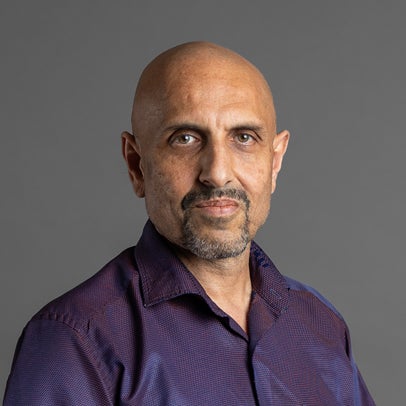
Dr. Prasanna R Kolatkar
Senior Scientist
Educational Qualifications
PhD in Chemistry
BA in Biology
Entity
Qatar Biomedical Research Institute
Division
Diabetes Research Center
Biography
Dr. Prasanna R Kolatkar graduated in structural biology from the University of Texas at Austin in 1991. He has worked in the Michael Rossmann laboratory at Purdue University focusing on virus-receptor relationships. Dr. Kolatkar was also awarded the Jane Coffin Childs Memorial Fund fellowship by Purdue University. He has experience working at the Bioinformatics Center, Institute of Molecular and Cell Biology, and Genome Institute of Singapore.
Dr. Kolatkar's current research involves understanding the molecular details of transcription factor (TF) complexes associated with stem cell biology with pancreatic development. His laboratory employs biochemistry and structural biology to discover how TFs generate function through combinatorial interactions.
PhD in Chemistry
University of Texas at Austin, United States
1991
BA in Biology
Augustana College, Rock Island, IL, United States
1985
BA in Chemistry
Augustana College, Rock Island, IL, United States
1985
- Mechanistic analysis of transcription factor networks
- TFs in pluripotency and their combinatorial code
- TFs in diabetes pathways
- X-ray crystallography
Senior Scientist
Qatar Biomedical Research Institute, Hamad Bin Khalifa University
2013 - Present
Group Leader
Laboratory for Structural Biology, Genome Institute of Singapore, Singapore
2001 - 2013
Adjunct Associate Professor
Department of Biological Sciences, National University of Singapore, Singapore
2001 - 2013
Adjunct Associate Professor
Department of Computer Engineering, Nanyang Technological University, Singapore
2001 - 2013
Principal Investigator
Bioinformatics Centre, Institute of Molecular and Cell Biology, Singapore
2000 - 2001
- 2015; Thanaa Award for Professional Excellence, QBRI/QF
- 1999; Outstanding University Research Award, NUS
- 1992-1995; Jane Coffin Childs Memorial Fund for Medical Research (Post-doc)
- 1991; EAKIN Award for Research Excellence (Graduate Research) UT Austin
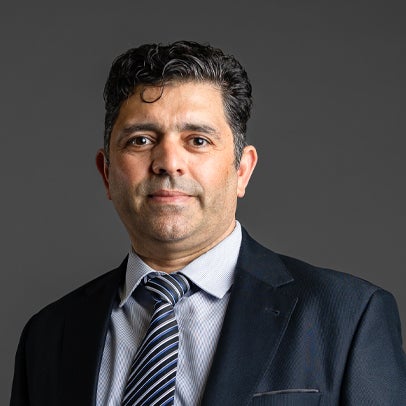
Dr. Abdelilah Arredouani
Senior Scientist
Joint Associate Professor
Dr. Abdelilah Arredouani
Senior Scientist
Joint Associate Professor
Entity
Qatar Biomedical Research Institute
College of Health and Life Sciences
Division
Diabetes Research Center
Biography
Dr. Abdelilah Arredouani joined QBRI in March 2012 as a Scientist in the Diabetes Research Center. He holds a PhD in Biomedical Sciences from the Faculty of Medicine at University of Louvain-La-Neuve in Belgium. Prior to joining QBRI he worked in Netherlands at the Department of Neurosciences in Erasmus Medical Center in Rotterdam, in United Kingdom at the Department of Pharmacology in Oxford University, and in Qatar at the Department of Physiology and Biophysics in Weill Cornell Medicine. During his PhD, he studied the contribution of the calcium stores in the endoplasmic reticulum to glucose-induced calcium response and insulin secretion from the pancreatic beta cell in the context of type 2 diabetes.
Dr. Arredouani was a key player in the discovery of the NAADP receptor, the two pore channels, and Ned-19, a specific antagonist of the NAADP. Since joining QBRI in 2012, Dr. Arredouani has been involved in projects related to the identification of biomarkers to predict type 2 diabetes using systems biology approaches. He has published in high impact peer-reviewed journals including Nature, Nature Chemical Biology, Current Biology, Diabetes and JBC.
Dr. Arredouani’s research focuses mainly on the identification of biomarkers to predict type 2 diabetes and its complications. He combines molecular and cellular techniques with systems biology approaches, including metabolomics and miRNA profiling, in his investigations.
- Fatty liver
- Lifestyle and Glycaemia (FLAG): The impact of a low energy diet Intervention on non-alcoholic fatty liver disease in Type 2 Diabetes in Qatar.
- Investigation of the association between low salivary alpha-amylase and risk of metabolic disorders in the Qatari population.
- Mechanisms underlying the improvement of NAFLD by GLP-1 agonists.
Course Coordinator ( Teaching )
Advances in human metabolism and disease (LS642)
Tutor ( Teaching )
Signal Transduction in Health and Diseases (LS641)
Tutor ( Teaching )
OMICS (GPM 603)
Committees
Life Science Graduate Advisory committee
MENTORING
Khaoula Eraafii: P.h.D student
Diagnostic, Prognostic, and Mechanistic Biomarkers of Diabetes Mellitus-Associated Cognitive Decline. Int J Mol Sci. 2022; 23(11):6144.
Comparative Transcriptome Analysis Reveals That Exendin-4 Improves Steatosis in HepG2 Cells by Modulating Signaling Pathways Related to Lipid Metabolism. Biomedicines. 2022;10(5):1020.
Identification of Novel Circulating miRNAs in Patients with Acute Ischemic Stroke. Int J Mol Sci. 2022 Mar 21;23(6):3387.
Elevated levels of salivary α- amylase activity in saliva associated with reduced odds of obesity in adult Qatari citizens: A cross-sectional study. Plos One. 2022 Mar 10; 17(3):e0264692. Al-Akl N, Thompson IR, Arredouani A*.
Reduced odds of diabetes associated with high plasma salivary α-amylase activity in Qatari women: a cross-sectional study. Sci Rep. 2021 Jun 1;11(1):11495.
Exendin-4 alleviates steatosis in an in vitro cell model by lowering FABP1 and FOXA1 expression via the Wnt/-catenin signaling pathway. Sci Rep. 2022 Feb 9;12(1):2226.
Comprehensive analysis of LncRNAs expression profiles in an in vitro model of steatosis treated with Exendin-4. J Transl Med. 2021 Jun 2;19(1):235.
Metabolomic Profile of Low Copy-Number Carriers at the Salivary Alpha-Amylase Gene Suggests a Metabolic Shift Towards Lipid-Based Energy Production. Diabetes. 2016 Nov;65(11):3362-3368
Beverley Balkau, Amélie Bonnefond; Philippe Froguel. Impact of statistical models on the prediction of type 2 diabetes using non-targeted metabolomics profiling. Mol Metab. 2016 Aug 23;5(10):918-25
Role for NAADP activation of two-pore channels in stimulus-secretion coupling in mouse pancreatic beta cells, J Biol Chem. 2015 Aug 28;290(35):21376-92
Mechanisms behind the immediate effects of Roux-en-Y gastric bypass surgery on type 2 diabetes, Theor Biol Med Model. 2013 Jul 13;10(1):45.
NAADP mobilizes calcium from acidic organelles through two-pore channels. Nature. 2009 May 28;459(7246):596-600.
Identification of a chemical probe for NAADP by virtual screening. Nat Chem Biol. 2009 Feb 22.
List of Publications on Pubmed
- $329,095 (Lead Principal Investigator) IGP-2-QBRI. Fatty liver, Lifestyle and Glycaemia (FLAG): The impact of a low energy diet Intervention on non-alcoholic fatty liver disease in type 2 diabetes (2017-2020).
- $251,041 (Co-PI) from IGP2-QBRI. Effect of incretin-based therapy combined with lifestyle intervention on improving -cell function and attenuating metabolic stress in pre-diabetic Qatari subjects: A pilot study (2017-2020).
- $696,522 (Co-Principal Investigator) from NPRP10-QNRF. Metabolic and molecular profiling of lean and obese subjects with T2DM in Qatar in response to a lifestyle intervention protocol: Possible effect of body fat distribution (2017-2021).