 Apply Now

Overview
This workshop introduces participants to the advanced capabilities of Large Language Models (LLMs), and explores how they can be used to enhance translation efficiency, accuracy, and quality.
The workshop redefines the translator's role as an AI-enabled language professional, emphasizing how AI can generate drafts, suggests terminology, offers stylistic guidance, and supports quality assurance, while maintaining the translator’s central role in analysis, editing, and decision-making.
Participants will explore the strengths and limitations of AI, integrate AI outputs into their analytical and editorial workflows, take part in practical translation exercises that combine human judgment with AI-assisted tools.
Structure
- Introduction to AI in translation: NMT, LLMs and the shift to post-editing.
- Context analysis: Using AI to summarize source texts and support contextual understanding
- Post-editing: Refining AI-generated translations for accuracy, fluency, and naturalness.
- Style, tone, and audience adaptation: Tailoring translation to different audiences and purposes.
- Cultural and localization considerations: Avoiding literal errors and ensuring cultural relevance.
- AI-assisted quality assurance: Checking consistency, numbers, terminology, and technical accuracy
- Ethics and data safety: Handling confidential content and using AI responsibly
Methodology
- Working with AI-generated Arabic drafts across different subject areas
- Post-editing exercises: light and full post-editing.
- Applying automated QA checks to numbers, punctuation, and terminology.
- Adjusting tone and style using targeted AI prompts
- Human intervention: Correcting figurative language, cultural inaccuracies, and contextual errors.
Learning Objectives
By the end of the workshop, participants will be able to:
- Generate high-quality initial translation drafts efficiently using AI tools.
- Apply post-editing strategies to improve the fluency, accuracy, and naturalness of AI-generated translations.
- Use AI summarization tools to identify the main ideas and context of complex source texts.
- Guide AI tools to apply specific terminology and maintain linguistic consistency.
- Adapt style and tone to suit specific audiences and communication purposes.
- Identify and correct AI-generated errors in culture-specific and figurative language.
- Apply AI-assisted quality assurance checks to translated content.
- Recognize the ethical and professional considerations associated with using AI in translation.
Target Participants
Translators, editors, content creators, students, and professionals interested in exploring the latest applications of AI in translation, language, and content adaptation.
About the Instructor
Abdullah Zaki has more than 14 years of experience in translation, editing, and writing across various fields, including public relations, marketing, and publishing.
As the Arabic Content Lead at an international CEO advisory firm, Abdullah has been instrumental in developing and managing Arabic-language media and promotional content for a range of leading organizations and entities in Qatar.
His experience includes work with the Supreme Committee for Delivery & Legacy, Qatar Museums, Northwestern University in Qatar, University College London Qatar, Sidra Medicine, Vodafone, Aspire Zone, Hyundai, and Maersk Oil, as well as several ministries, government agencies, and private companies.
Career Highlights
- Qatar Foundation: Abdullah worked as a translator and editor within the Communications Directorate, contributing to the translation and editing of several publications, including The Telegraph newspaper and The Foundation magazine.
- Kingdom of Saudi Arabia: As a translator and digital content developer, Abdullah collaborated with the Ministry of Islamic Affairs and other government entities, contributing to translation and digital content projects.
- Jarir Bookstore: Abdullah also worked as a translator within the translated books department
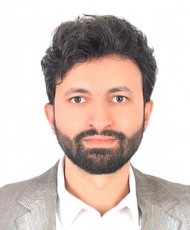
Expert in Translation, Editing, and Content Development
Academic Credentials
Abdullah holds a Master of Arts degree in AudioVisual Translation Studies from Hamad Bin Khalifa University, and a Bachelor of Arts degree in Languages and Translation with Honors from Al-Azhar University in Cairo. He has earned a diploma in Digital Media from the American University in Cairo.