 Apply Now
primary
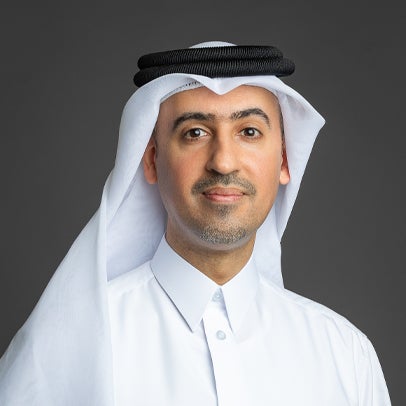
Dr. Saif Mohammed S A Al-Kuwari
Associate Professor
Dr. Saif Mohammed S A Al-Kuwari
Associate Professor
Educational Qualifications
PhD in Cryptography
PhD in Computational Forensics
Entity
College of Science and Engineering
Division
Information & Computing Technology
Biography
Dr. Saif Al-Kuwari is an associate professor at the College of Science and Engineering and director of the Qatar Center for Quantum Computing (QC2) at Hamad Bin Khalifa University. Dr. Saif Al-Kuwari graduated in computers and networks from the University of Essex and has two PhDs in Cryptography and Computational Forensics from the University of Bath and Royal Holloway, University of London
He is a fellow of IET and BCS and a senior member of IEEE and ACM. His research focuses on quantum cryptography, quantum machine learning, and quantum sensing.
PhD in Cryptography
University of Bath, United Kingdom
2012
PhD in Computational Forensics
Royal Holloway, University of London, United Kingdom
2012
BEng in Computers and Networks
University of Essex, United Kingdom
2006
- Quantum computing
- Quantum cryptography
- Quantum machine learning
- Quantum sensing
Associate Professor
College of Science and Engineering, Hamad Bin Khalifa University
2024 – Present
Assistant Professor
College of Science and Engineering, Hamad Bin Khalifa University
2019 – 2024
Adjunct Assistant Professor
College of Science and Engineering, Hamad Bin Khalifa University
2018 – 2019
Adjunct Research Assistant Professor
Kind Computing Research Center, Qatar University
2018 – 2021
Director
Information Technology Department, Ministry of Foreign Affairs
2013 – 2018
Complete Publication Listing(s): Google Scholar
- 2017; Fellow of the IET.
- 2017; Fellow of the BCS.
- 2016 & 2017; MESA-CISO100 Government Security Leader award, UAE.
- 2012; The PhD platinum prize, 5th Education Excellence Day, Qatar.
- 2007; The Graduate Platinum prize, 1st Education Excellence Day, Qatar.
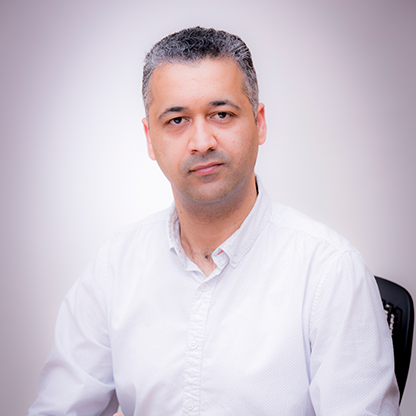
Dr. Issam Hmila
Postdoctoral Researcher
Educational Qualifications
PhD in Biology
MSc in Biochemistry
Entity
Qatar Biomedical Research Institute
Division
Neurological Disorders Research Center
Biography
Dr. Issam Hmila obtained his PhD in Biology between the Vrije Universiteit Brussel, Belgium, and the University of Tunis El Manar, Tunisia in 2010. He obtained an interuniversity diploma in advanced bioinformatics knowledge from the University-Paris Cité, France. He has also completed various courses in biostatistics, immunology, drug design, and discovery from international institutes.
His projects focus on the construction of combinatory libraries, phage display screening, and the engineering of nanobodies for immunotherapy. He was hired as an assistant professor at the Pasteur Institute in 2012, where he developed aptamers and new tools for detecting respiratory viruses of clinical importance in collaboration with the University of Minnesota, USA, and Uppsala University, Sweden.
In 2017, he joined the Neurological Disorders Research Center at Qatar Biomedical Research Institute, where he conducted his research to develop new tools for therapy against Parkinson's and Alzheimer's diseases based on nanobodies and aptamers. His work focuses on the generation of cortical neurons from induced pluripotent stem cells and the evaluation by global transcriptomic, proteomic, and integrated omics, environmental pollutants, and new drugs with potential Alzheimer's disease modulation.
PhD in Biology
University of Tunis-El Manar, Tunisia
2010
MSc in Biochemistry
University of Tunis-El Manar, Tunisia
2004
- Drug design and discovery
- Nanobody and aptamer development and engineering
- Evaluating the impact of pollutants on brain health
- Develop diagnostic and therapeutic tools
Postdoctoral Researcher
Qatar Biomedical Research Institute, Hamad bin Khalifa University
2017 - Present
Invited Scientist
College of Veterinary Medicine, University of Minnesota, United States
2014 - 2015
Assistant Professor
Institute Pasteur of Tunis, University of Tunis-El Manar, Tunisia
2012 - 2017
Postdoctoral Researcher
Institute Pasteur of Tunis, University of Tunis-El Manar, Tunisia
2010 - 2012
- First place in 2023 QBRI/HBKU research in Focus Day.
- Intern collaborative project, by Institute Pasteur of Tunis (Tunisia).
- 2013 early career MENA scientists research grant project (USA).

Dr. Vijay Gupta
Postdoctoral Researcher
Entity
Qatar Biomedical Research Institute
Division
Neurological Disorders Research Center
Biography
Dr. Vijay Gupta received his Master’s degree in Microbiology from CCS University, Meerut, India and Ph.D. at the Centre for Cellular and Molecular Biology (CCMB), Hyderabad, INDIA (2006). Dr. Gupta was awarded ASCB pre-doctoral travel award to attend ASCB annual meeting in 2005, Carl Storm International Diversity Fellowship to attend the Gordon Research Conference in University of New England, Maine, USA 2006 and later on Royal Society International Incoming Fellowship (2006) from the Royal Society, London, UK to perform research at The University of Bristol where he worked for fifteen months with the honorary title of Royal Society International Research fellow. He joined The Scripps Research Institute, La Jolla, USA on Target Characterization Fellowship funded by Cystic Fibrosis Foundation, USA as CF fellow for five years and then moved to University of California, San Diego as Assistant Project Scientist where he worked till June, 2017.
Dr. Gupta has multidisciplinary research experience in the fields of protein trafficking, cancer and human genetic diseases and has published more than fifteen publications including top-tier journals such as Nature Chemical biology, Developmental Cell, PNAS, JCS and Traffic. He is an invited member of Sigma Xi- Scientific Honor Society, elected 2013, invited member of Cell Stress Society International (CSSI), USA, peer review board member of JoVe and Dove press and has reviewed more than thirty manuscripts. One of the hobbies of Dr. Gupta is popular science writing for the general public, aimed at raising scientific awareness.
Common neurodegenerative diseases such as Parkinson’s Disease, Dementia with Lewy Bodies (DLB) and Multiple System Atrophy (MSA) are characterized by progressive deposition of α-synuclein (α-syn) protein within inclusions referred to as Lewy bodies and glial cytoplasmic inclusions respectively. Amongst the various approaches attempting to tackle the pathological features of synucleinopathies, immunotherapy holds much promise. α-Syn antibodies could potentially block processes leading to the pathogenesis of such neurodegenerative diseases. The limitation of such antibodies is their inefficiency in crossing the Blood-Brain Barrier (BBB). Dr. Gupta’s research interests lies in designing a variety of strategies to develop efficient antibodies or similar molecules with superior BBB cross over capacities.
- The aim of the current research project focuses on using a fusion protein engineered to include the FAb region of existing α-Syn antibodies. This single-chain-fragment-variable is designed to have increased BBB penetration by virtue of its smaller size and its conjugation with a carrier. It is envisaged that with enhanced penetration there will be superior brain targeting results compared to conventional α-syn antibodies.
Farquhar and Pradipta Ghosh. “GIV/Girdin activates Gαi and inhibits Gαs via the same motif”. PNAS. 2016 Sep 27;113(39):E5721-30.
Farquhar and Pradipta Ghosh, “CDK5 Activates Guanine Nucleotide Exchange Factor GIV/Girdin to Orchestrate Migration-Proliferation Dichotomy”. PNAS, 2015 Sep 1;112:E4874-83.
Farquhar,* and Pradipta Ghosh * “Activation of Gi at the Golgi by GIV/Girdin Imposes Finiteness in Arf1 Signaling”. Dev. Cell 33, 1–15, April 20, 2015.
J Proteome Res. 2014 13 (11), PP 4668-4675.
2013 Jan; 9(1):12-4.
“Kinesin-1 (uKHC/KIF5B) is required for bidirectional motility of ER exit sites and efficient ER-to-Golgi transport” Traffic, Volume 9, Issue 11 , Pages 1850-66, (2008).
Pubmed link
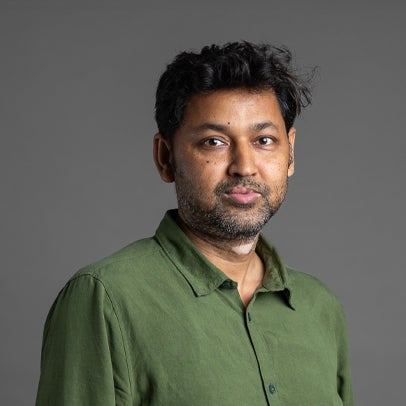
Dr. Zeyaul Islam
Postdoctoral Researcher
Entity
Qatar Biomedical Research Institute
Division
Diabetes Research Center
Biography
Dr. Zeyaul Islam completed his Master’s (2006) from Aligarh Muslim University (AMU) India, and worked on protein folding problem where he exploited biophysical techniques to understand the stages/intermediates during protein folding. On completion, he joined the protein crystallography lab under the supervision of Dr. Subramanian Karthikeyan at the Institute of Microbial Technology for his doctrate. During this period he worked on understanding the structure-function relationship of the enzymes of Riboflavin/FAD biosynthesis pathway from Vibrio cholerae and used it as a template for structure-based drug designing for the development of specific drugs (completed in 2012). As a postdoctoral researcher he had the opportunity to combine his MSc and PhD experiences; he worked on molecular chaperones (proteins that assist in protein folding) in IISER, Bhopal, India. He has worked on various aspect of co-chaperone Hsp40s and their cellular role in Hsp70/Hsp40 network using protein biochemistry and structural biology approaches.
Dr. Islam secured the FAPESP postdoctoral fellowship in 2015 and worked with Dr. Andre LB Ambrosio, LNBio, CNPEM, Brazil. His project was titled, “Biophysical and biochemical studies of the human glutaminases (important in cancer metabolism) in complex with novel binding partners”. He also explored supratetrameic form (filamentous) of glutaminases by cryo-electron microscopy (cryo-EM). He was also involved in human membrane protein characterization especially mitochondrial pyruvate carriers. He joined QBRI as a Postdoctoral Researcher in March, 2018.
Structural basis for competitive inhibition of 3,4-dihydroxy-2-butanone-4-phosphate synthase from Vibrio cholerae. J Biol Chem. 2015; 290(18):11293-308.
The origin and evolution of human glutaminases and their atypical C-terminal ankyrin repeats. J Biol Chem. 2017; 292(27):11572-11585. (* Co-author).
New paradigm in ankyrin repeats: Beyond protein-protein interaction module. Int J Biol Macromol. 2018; 109:1164-1173.
Human mitochondrial pyruvate carrier 2 as an autonomous membrane transporter. Sci Rep. 2018; 8(1):3510.
N-terminal phosphorylation of glutaminase C decreases its enzymatic activity and cancer cell migration. Biochimie. 2018; 154:69-76.
Emerging Targets and Latest Proteomics Based Therapeutic Approaches in Neurodegenerative Diseases. Curr Protein Pept Sci. 2018; 19(9):858-875.

Dr. Olfa Khalifa
Postdoctoral Researcher
Entity
Qatar Biomedical Research Institute
Division
Diabetes Research Center
Biography
Dr. Olfa Khalifa obtained her Master’s degree in Biology of Vascular Diseases from the faculty of Pharmacy of Montasir in Tunisia, in 2012 and a PhD in Genetics and Immunology from the University of Montpellier in France in 2016. As part of her work towards her doctorate, Dr. Khalifa investigated the role of new genes in rheumatoid arthritis. She is skilled in many molecular and cellular biology techniques including real time PCR, sanger sequencing, miRNA profiling, ACS, ELISA, cell culture, microarray, and other basic molecular biology techniques. Her Ph.D. work has been published in peer-reviewed international journals.
Dr. Khalifa joined QBRI in 2018 and is currently working with Dr. Arredouani. She is working on a project that investigates the molecular mechanisms that underlie the positive effect of GLP-1 agonist on non-alchoholic fatty liver disease.
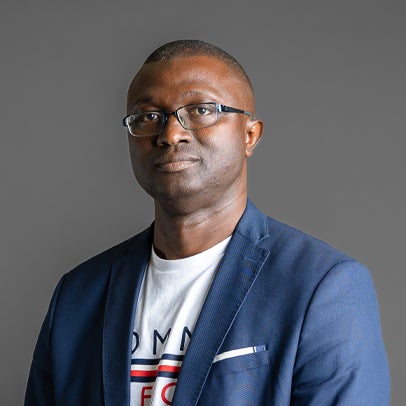
Dr. Abdoulaye Diané
Postdoctoral Researcher
Entity
Qatar Biomedical Research Institute
Division
Diabetes Research Center
Biography
Dr. Diane received his Master’s degree in Nutrition and Dietetics from Université Cheikh Anta Diop de Dakar, Senegal. He completed his PhD in Human Nutrition at AgroParisTech Institute, Paris (France). After completion of his doctoral degree in 2006, Dr. Diané was awarded a Postdoctoral Research Training Fellowship in Obesity/Healthy Body Weight Program from CIHR with an opportunity to work at the the Lipid Research Centre at Laval University in Quebec, Canada; here he worked on cardiovascular complications of diabetes from 2007-2008.
In November 2008, he joined the Metabolic and Cardiovascular Diseases Laboratory at the University of Alberta, Edmonton, Canada as a Postdoctoral Researcher/Research Associate & Teaching Assistant for 8 years. He worked on many research projects investigating the impact of nutrition and pharmacotherapies on cardiometabolic risk in animal models of Polycystic Ovary Syndrome, metabolic syndrome, diabetes and cardiovascular diseases.
In 2014, he briefly joined (9 months) the Northern Medical Program, University of Northern British Columbia, Canada as a Postdoctoral Research Associate investigating the physiological and molecular mechanisms of the Pituitary Adenylate Cylase-Activating Polypeptide (PACAP) involved in adaptive thermogenesis.
In August 2017, he joined Dr. Dehbi’s group as a Postdoctoral Researcher in the Diabetes Research Center of QBRI working on many projects related to the role of heat shock proteins, in the pathophysiology of insulin resistance and type 2 diabetes.
Dr. Diané has extensive experience in pre-clinical animal models of chronic metabolic diseases. He will help in the setup of functional vivarium at QBRI, developing animal models of metabolic diseases.
Differential effects on intestinal adaptation following exogenous glucagon-like peptide-2 therapy with and without enteral nutrition in neonatal short bowel syndrome. J. Parenter Enteral Nutr. 2017 Sep 22. pii: 0148607116665812.
Insights From The JCR:La-Cp Corpulent Rat Strain. Frontiers in Nutrition (section Clinical Nutrition); Oct. 2016 doi: 10.3389/fnut.2016.00044
Hypolipidemic and cardioprotective benefits of native Canadian hawthorn extract in the JCR:LA- cp rodent model of dyslipidemia and cardiac dysfunction. Food & Function. 2016, DOI: 10.1039/c6fo01023g.
Beef fat enriched with polyunsaturated fatty acid biohydrogenation products improves insulin sensitivity without altering dyslipidemia in insulin resistant JCR:LA-cp rats. Lipids 2016, DOI: 10.1007/s11745-016-4148-7.
PACAP is essential for the Adaptive Thermogenic Response of Brown Adipose Tissue to Cold Exposure. J Endocrinol. 2014; 222:327-39. PMID: 25056115.
For more publications: https://www.ncbi.nlm.nih.gov/pubmed/?term=Diane+Abdoulaye

Dr. Mariam Al-Muftah
Scientist
Joint Assistant Professor
Entity
Qatar Biomedical Research Institute
College of Health and Life Sciences
Division
Translational Oncology Research Center
Biography
Dr. Mariam Al-Muftah received her BSc in Medical Genetics (Honors) from the University of Wales in the United Kingdom in 2005 and pursued her post graduated education to complete a Master of Research (MRes) in Biological Sciences in 2007 and a PhD of Medicine (cancer immunotherapy) as a joint project between the Cancer Research UK Manchester Institute and the University of Manchester in the United Kingdom. Her PhD project was focused on the use of a fully autologous mouse model to study immune regulation towards 5T4 targeted immunotherapies. Furthermore, she focused on the generation of novel chimeric antigen receptors against the tumor associated antigen 5T4.
After completing her doctoral degree in 2011, she became a lecturer of Biology at Qatar University and was later promoted to the rank of Assistant Professor. In February 2012, she was seconded to Qatar Biomedical Research Institute as a scientist to pursue her research interest. Recently, she completed an executive master program in Strategic Business Unit Management from HEC Paris University in Qatar. Dr. Mariam has taught several courses in general biology and molecular biology at the department of Biological and Environmental Sciences.
Dr. Al-Muftah research focuses on the exploitation of immune cells as therapeutic agents to target and eradicate cancer, particularly to design and arm T-lymphocytes with chimeric antigen receptors to specifically target a tumor associated antigen. Furthermore, she is interested in understanding how endogenous expression of the target antigen impacts the efficacy of this type of immunotherapy, particularly the effect of immunosuppressive cells (T-regulatory cells and MDSCs) and cytokines upon cancer therapy, with the aim of mimicking what really happens in patients.
Dr Al-Muftah is also interested and involved other projects focusing on the identification of specific cancer biomarkers, particularly microRNAs, long non coding RNAs and cancer testis antigens with the aim of elucidating the complexity of cancer pathogenesis and identifying potential candidates for cancer immunotherapy.
- Elucidating the mechanisms modulating triple negative breast cancer aggressiveness by dissecting intertumoral and intratumoral heterogeneity at the cellular and molecular levels
- including immunophenotyping of the tumor microenvironment and identifying potential targets for the design of cancer immunotherapies.
- The role of cancer testis antigens in triple negative breast cancer and their potential as effective targets for T-cell based immunotherapy (a collaborative project with Dr. Julie Decock)
- Dr. Al-Muftah is also leading a project in collaboration with Dr. Lotfi Chouchane and Dr. Konduru Sastry from Weil Cornel Medical College in Qatar to understand the molecular mechanisms underlying the development of prostate cancer into the castration-resistant state
- with the aim of identify key pro- and anti-apoptotic molecules and microRNAs that render prostate cancer cells at advanced stage resistant to therapy.
- Collaborator Name: Dr. Lotfi Chouchane Institute : WCM-Q Research Area : Prostate Cancer
- Collaborator Name: Dr. Konduru Sastry Institute : WCM-Q/SMRC Research Area : Prostate/Breast Cancer
- Collaborator Name: Dr. Julie Decock Institute : QBRI Research Area : Breast Cancer
- Collaborator Name: Dr. Said Dermime Institute : NCCCR - HMC Research Area : Cancer
- Collaborator Name: Dr. Nader AL-Dewik Institute : HMC Research Area : Hematological malignancies
- Collaborator Name: Dr. Shahinaz Bedri Institute : WCMCQ Research Area : Breast Cancer
MENTORING
Name: Summer Student Program (BSc level) Institution : Qatar University/Carnegie Mellon University in Qatar Period : May 2016 – July 2016
MENTORING
Name: PhD Student Institution : Hamad Bin Khalifa University Period : 2016-
List of Publications on Pubmed.
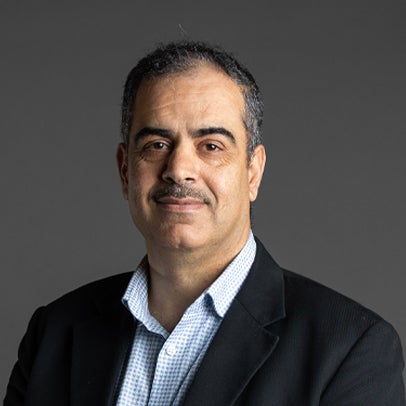
Dr. Nehad Alajez
Principal Investigator
Joint Professor
Educational Qualifications
PhD
MSc
Entity
Qatar Biomedical Research Institute
College of Health and Life Sciences
Division
Translational Oncology Research Center
Biography
Dr. Nehad Alajez earned his PhD in tumour immunology from the University of Pittsburgh School of Medicine in USA, and subsequently completed his post-doctoral training at the Princess Margaret Cancer Center (University Health Network), a premier cancer research institute in Canada. His main research interest is to investigate the role of the Polycomb gene family and non-coding microRNAs in driving cancer progression and their potential utilization for targeted therapies. Dr. Alajez is a recipient of several prestigious awards and has published more than 100 articles in top-tier ISI-indexed journals including Blood, Cancer Research, Cell Death and Differentiation, Cell Death and Disease, Signal Transduction and Targeted Therapy, Molecular Therapy (family journals), EMBO Molecular Medicine, and in Science Translational Medicine. Dr. Alajez currently has close to 5000 citations and an h-index of 35 and i10-index of 74.
Prior to his current appointment, Dr. Alajez was appointed as the Associate Professor at King Saud University College of Medicine, Kingdom of Saudi Arabia. Dr. Alajez’s main research interests are focused on ‘translational oncology research’ with main emphasis on novel biomarker discovery and targeted therapeutics for breast cancers. In particular, Dr. Alajez’s team is studying noncoding RNAs (micoRNAs and lncRNAs) as disease and predictive biomarkers for patients’ response to therapy. Dr. Alajez has strong expertise in transcriptome analysis, noncoding RNAs, and biomarker discovery field and is currently ranked among the top 2% most cited scientist globally. He is a recipient of several major grants, including funding from Qatar National Research Fund, in addition to his editorial roles on several journals.
PhD
University of Pittsburgh, USA
2003
MSc
San Francisco State University, USA
1999
BSc
Islamic University of Gaza, Palestine
1995
Dr. Alajez main research interests are focused on precision medicine aiming at the discovery of novel tumour and circulating biomarkers for breast cancer diagnosis, prognosis, and therapy. Additionally, Dr. Alajez’s group is conducting CRISPR-Cas9 genomic screens to elucidate the role of miRNAs and lncRNAs in driving breast cancer survival and resistance to standard therapies.
- Identification of molecular signatures predictive of pathological complete response to neoadjuvant therapy in breast cancer.
- Identification of circulating miRNAs as diagnostic and predictive biomarkers for breast cancer.
- Transcriptomic profiling of breast cancer for diagnostic
- prognostic
- and therapeutic applications.
- CRISPR-Cas9 genomic screen to identify novel therapeutic vulnerabilities in breast cancer.
Principal Investigator
Translational Oncology Research Center, Qatar Biomedical Research Institute
2022 - Present
Senior Scientist
Translational Cancer and Immunity Center, Qatar Biomedical Research Institute
2018 - 2022
Associate Professor
College of Medicine, King Saud University
2015 - 2018
Assistant Professor
College of Medicine, King Saud University
2011 - 2015
- 2022, Qatar Biomedical Research Institute top publishing.
- 2022, Qatar Biomedical Research Institute top external received funding.
- 2022, among top 2% most cited scientists worldwide.
- 2021, among top 2% most cited scientists worldwide.
- 2021, Qatar Biomedical Research Institute highest publication award.
- 2010, Scholar-in-Training Award, American Association of Cancer Research.
- 2007, Excellence in Radiation Research for the 21st Century Award, Canadian Institute for Health Research.
- 2004, Scholar-in-Training Award, American Association of cancer research.
- 2001, DOD pre-doctoral training Award on Breast Cancer Research.
- 1999, San Francisco State University distinguished achievement award for academic excellence.
- 1997, Fulbright Scholarship.
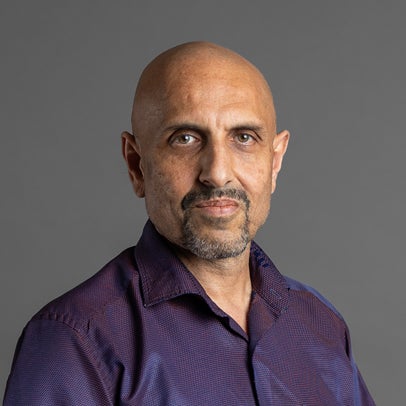
Dr. Prasanna R Kolatkar
Senior Scientist
Educational Qualifications
PhD in Chemistry
BA in Biology
Entity
Qatar Biomedical Research Institute
Division
Diabetes Research Center
Biography
Dr. Prasanna R Kolatkar graduated in structural biology from the University of Texas at Austin in 1991. He has worked in the Michael Rossmann laboratory at Purdue University focusing on virus-receptor relationships. Dr. Kolatkar was also awarded the Jane Coffin Childs Memorial Fund fellowship by Purdue University. He has experience working at the Bioinformatics Center, Institute of Molecular and Cell Biology, and Genome Institute of Singapore.
Dr. Kolatkar's current research involves understanding the molecular details of transcription factor (TF) complexes associated with stem cell biology with pancreatic development. His laboratory employs biochemistry and structural biology to discover how TFs generate function through combinatorial interactions.
PhD in Chemistry
University of Texas at Austin, United States
1991
BA in Biology
Augustana College, Rock Island, IL, United States
1985
BA in Chemistry
Augustana College, Rock Island, IL, United States
1985
- Mechanistic analysis of transcription factor networks
- TFs in pluripotency and their combinatorial code
- TFs in diabetes pathways
- X-ray crystallography
Senior Scientist
Qatar Biomedical Research Institute, Hamad Bin Khalifa University
2013 - Present
Group Leader
Laboratory for Structural Biology, Genome Institute of Singapore, Singapore
2001 - 2013
Adjunct Associate Professor
Department of Biological Sciences, National University of Singapore, Singapore
2001 - 2013
Adjunct Associate Professor
Department of Computer Engineering, Nanyang Technological University, Singapore
2001 - 2013
Principal Investigator
Bioinformatics Centre, Institute of Molecular and Cell Biology, Singapore
2000 - 2001
- 2015; Thanaa Award for Professional Excellence, QBRI/QF
- 1999; Outstanding University Research Award, NUS
- 1992-1995; Jane Coffin Childs Memorial Fund for Medical Research (Post-doc)
- 1991; EAKIN Award for Research Excellence (Graduate Research) UT Austin
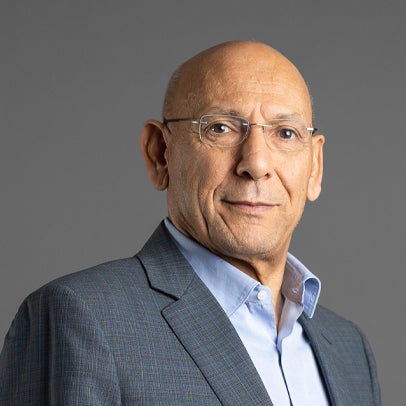
Dr. Omar El Agnaf
Principal Investigator
Joint Professor
Entity
Qatar Biomedical Research Institute
College of Health and Life Sciences
Division
Neurological Disorders Research Center
Biography
Dr. Omar El-Agnaf is considered a pioneer in the field of Parkinson’s and related neurodegenerative diseases. He was awarded his Doctor of Philosophy (PhD) in Biochemistry in 1997 at Queen’s University Belfast, UK. Between 1997 to 1999, he worked as a postdoctoral scientist at the School of Biology and Biochemistry, Queen’s University Belfast. Following this, Dr. El-Agnaf undertook an additional two-year post-doctoral position at St. George’s Medical School in London. In 2001, he was awarded a Research Fellowship from the Parkinson’s Disease Society-UK to establish his research group at Lancaster University. After completing his Research Fellowship in 2004, Dr. El-Agnaf joined the College of Medicine at UAE University and was appointed to the Biochemistry Department. In September 2014, he joined Hamad Bin Khalifa University (HBKU) at Qatar Foundation (QF), and in 2016 he was appointed Acting Executive Director of Qatar Biomedical Research Institute (QBRI), part of HBKU, and became the Executive Director (2018 - 2022).
Dr. El-Agnaf has successfully directed QBRI’s efforts towards translational research to improve and transform healthcare through innovations in the prevention, diagnosis, and treatment of diseases affecting Qatar and the region. Under his leadership, QBRI has realized significant achievements. This has included securing extramural research funding to establish robust alliances with biotechnology and pharmaceutical companies to winning the 2017 Arab Best Research Institution of the Year Award.
Since his move to the region in 2004, Dr. El-Agnaf has assembled an excellent research team that has positioned itself at the forefront of neuroscience research internationally, building a reputable portfolio in the Middle East and beyond, and has been successful in attracting an array of scientific funding from prestigious international funding agencies. Individually, his discoveries have greatly impacted the scientific research community, provided further insight into the molecular pathogenesis of Parkinson’s disease, and offered new opportunities for the development of novel diagnostic and therapeutic tools for the disease.
Dr. El-Agnaf is frequently invited as a speaker at international scientific and clinical meetings and is currently a member of the editorial boards of several international journals. Publications in high-ranking scientific journals validate Dr. El-Agnaf's track record of superior basic and translational research productivity. He has published nearly 137 refereed articles, with citations exceeding 13,350 (to date), and possesses an h-index of 61.
- Identifying Potential Molecular Biomarkers for Autism Spectrum Disorder
- Identifying Novel Biomarkers for Type-2 Diabetes- associated Complications and Comorbidities
- Development of Novel Diagnostic and Therapeutic Tools for Parkinson's Diseases and Related Disorders
- Engineering Antibodies for Diagnostic and Therapeutic Approaches
- Non-viral Mediated Delivery of CRISPR/Cpf1 to the Central Nervous System for Efficient Non-Homologous Gene Correction in Neuronal Cells
As part of Dr. El-Agnaf’s academic tenure (Mentoring)
He has supervised numerous graduate and PhD students.
2001 to 2018
Teaching, HBKU, Postgraduate Course (Professor)
Advanced Biochemistry
Teaching, HBKU, Postgraduate Course (Professor)
Molecular and Cellular Biology of Neurodegenerative diseases.
Teaching, HBKU, Postgraduate Course (Professor)
Advanced Techniques in Biochemistry and Molecular Biology
Selected Patents
Selected Publications
Complex I reductions in the nucleus basalis of Meynert in Lewy body dementia: the role of Lewy bodies. Acta Neuropathol Commun. 8(1):103. doi: 10.1186/s40478-020-00985-8.
CSF Biomarkers Reflecting Protein Pathology and Axonal Degeneration Are Associated with Memory, Attentional, and Executive Functioning in Early-Stage Parkinson's Disease. Int J Mol Sci. 21(22):8519. doi: 10.3390/ijms21228519.
Expression, purification and characterization of α-synuclein fibrillar specific scFv from inclusion bodies. PLoS One;15(11):e0241773. doi: 10.1371/journal.pone.0241773.
Safety and immunogenicity of the α-synuclein active immunotherapeutic PD01A in patients with Parkinson's disease: a randomised, single-blinded, phase 1 trial. Lancet Neurol. 19(7):591-600. doi: 10.1016/S1474-4422(20)30136-8.
Fibrillar form of α-synuclein-specific scFv antibody inhibits α-synuclein seeds induced aggregation and toxicity. Sci Rep. 10(1):8137. doi: 10.1038/s41598-020-65035-8.
M. Goillandeau, C. Perier, C. Estrada, N. Garcia-Carrillo, A. Recasens, N.N. Vaikath, O.M.A. El-Agnaf, M.T. Herrero, P. Derkinderen, M. Vila, J.A. Obeso, B. Dehay, E. Bezard (2020). Identification of distinct pathological signatures induced by patient-derived α-synuclein structures in nonhuman primates. Sci Adv. 6(20):eaaz9165. doi: 10.1126/sciadv.aaz9165.
Investigating the presence of doubly phosphorylated α-synuclein at tyrosine 125 and serine 129 in idiopathic Lewy body diseases. Brain Pathol. 2020 Jul;30(4):831-843. doi: 10.1111/bpa.12845.
P. Derkinderen, B. Dehay, E. Bezard (2020). Bidirectional gut-to-brain and brain-to-gut propagation of synucleinopathy in non-human primates. Brain.143(5):1462-1475. doi: 10.1093/brain/awaa096.
CSF total and oligomeric α-Synuclein along with TNF-α as risk biomarkers for Parkinson's disease: a study in LRRK2 mutation carriers. Transl Neurodegener. 9(1):15. doi: 10.1186/s40035-020-00192-4.
CSF or serum neurofilament light added to α-Synuclein panel discriminates Parkinson's from controls. Mov Disord. 35(2):288-295. doi: 10.1002/mds.27897.
α-Synuclein BAC transgenic mice exhibit RBD like behaviour and hyposmia: a prodromal Parkinson's disease model. Brain;143(1):249-265. doi: 10.1093/brain/awz380.
Lewy Body Pathology Is More Prevalent in Older Individuals With Mitochondrial Disease Than Controls. Acta Neuropathol. 139(1):219-221.
Towards Acoustic Radiation Free Lamb Wave Resonators for High-resolution Gravimetric Biosensing. IEEE Sensors Journal, (In press).
Generation of monoclonal antibodies against phosphorylated α-Synuclein at serine 129: Research tools for synucleinopathies. Neurosci Lett. 7;725:134899. doi: 10.1016/j.neulet.2020.134899.
Inhibition of alpha-synuclein seeded fibril formation and toxicity by herbal medicinal extracts. BMC Complement Med Ther. 6;20(1):73. doi: 10.1186/s12906-020-2849-1.
- 2020 – 2024. NPRP Program (QNRF, Qatar): Corneal Confocal Microscopy A rapid diagnostic and prognostic imaging biomarker for neurodegeneration in dementia. Co- Principal Investigator
- 2019 – 2024. Cluster Program (QNRF, Qatar): Qatar Diabetes Prevention Program (QDPP). Co- Principal Investigator
- 2019 – 2022. Interdisciplinary Research Program (QBRI, HBKU): Identifying Potential Biomarkers for Autism Spectrum Disorder. Principal Investigator
- 2019 – 2022. Interdisciplinary Research Program (QBRI, HBKU): Identifying Biomarkers for Diabetes Complications. Principal Investigator
- 2016 – 2019: PNRP-QNRF (Doha, Qatar) > Development of Novel Diagnostic and Therapeutic Tools for Parkinson's Diseases and Related Disorders. Principal Investigator
- 2016 – 2019: Lundbeck A/S (Copenhagen, Denmark) > Development of antibody-based assays for detection of alpha-synuclein species in human CSF and plasma. Co-Investigator
- 2015 – 2018: PNRP-QNRF (Doha, Qatar) > Application of conformation-specific antibodies to biomarker development for Parkinson’s disease. Principal Investigator
- 2016-2018: Micheal J Fox Foundation for Parkinson’s Research (NY, USA). > Pre-analytical extracellular esicle enrichment for increased reliability for alpha-synuclein detection in plasma and CSF. Co-investigator.
- Micheal J Fox Foundation for Parkinson’s Research (NY, USA) > Validation of CSF alpha-synuclein species as surrogate biomarkers for Parkinson’s disease. Principal Investigator