 Apply Now
primary
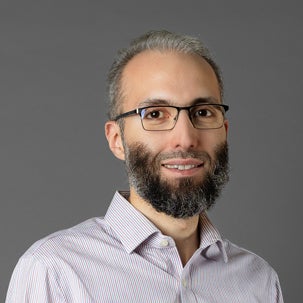
Majd Hawasly
Scientist
Educational Qualifications
PhD in Informatics
MSc in Artificial Intelligence
Entity
Qatar Computing Research Institute
Division
Arabic Language Technologies
Biography
Dr. Majd Hawasly is a scientist at the Arabic Language Technologies group at Qatar Computing Research Institute. He received his PhD from the University of Edinburgh in 2014 in a topic at the intersection of robotics and machine learning. He then joined Five AI, a UK-based autonomous driving startup, where he eventually became a lead research scientist at the applied research team in motion planning and prediction. His research interest lies in developing robust and intelligent AI systems that continually learn and adapt.
PhD in Informatics
The University of Edinburgh
2014
MSc in Artificial Intelligence
Heriot-Watt University
2009
BSc in Computer Engineering
Damascus University
2006
- Robust Intelligent Systems
- Lifelong Learning
- Sequential Decision Making
Scientist
Arabic Language Technologies, Qatar Computing Research Institute
2023 - Present
Lead Research Scientist
Motion Planning and Prediction, Five AI Ltd
2022 - 2023
Senior Research Scientist
Motion Planning and Prediction, Five AI Ltd
2020 - 2022
Research Scientist
Motion Planning and Prediction, Five AI Ltd
2017 - 2020
Research Fellow
School of Computing, University of Leeds
2016 - 2017
- 2009 - 2012, The University of Edinburgh Overseas Research Scholarship Award.
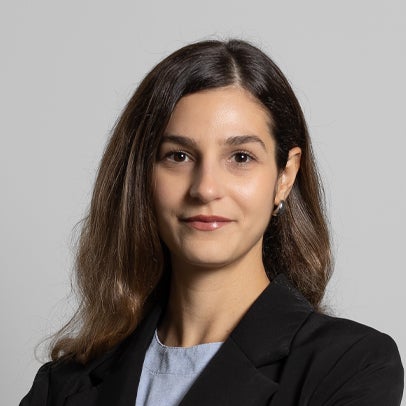
Dr. Deborah Giustini
Assistant Professor
Dr. Deborah Giustini
Assistant Professor
Educational Qualifications
PhD in Sociology
MA in Translation and Interpreting Studies
Entity
College of Humanities and Social Sciences
Program
Master of Arts in Intercultural Communication
Division
Department of Language, Culture and Communication
Biography
Deborah Giustini holds a PhD in Sociology from the University of Manchester. Before joining HBKU, she was a lecturer and postdoctoral fellow at KU Leuven (where she remains a research fellow in Interpreting Studies), lecturer and teaching assistant at the School of Social Sciences and the Humanitarian and Conflict Response Institute of the University of Manchester, and a research fellow in Sociology at Higher School of Economics. She has held research visiting positions at the Warwick Business School, at Tokyo University of Foreign Studies and Sophia University (Japan).
Her research takes a sociologically-informed perspective on labour processes and digitalization in knowledge-intensive sectors, such as the language industry, and practices of intercultural communication in organizations. Deborah has recognized international expertise in practice theory, and is a member of the Practice Theory Consortium at Lancaster University.
Deborah’s expertise is also built on her experience as a language specialist accredited to the Chartered Institute of Linguists, and with international think tanks including the WBG’s Macroeconomic Policy Working Group and the Economic Change Unit. She is an active member of the European Sociological Association, the British Sociological Association, the British Universities Industrial Relations Association, and the European Group for Organizational Studies.
PhD in Sociology
The University of Manchester
2019
MA in Translation and Interpreting Studies
University of International Studies (UNINT)
2013
BA in Modern Languages and Intercultural Mediation
La Sapienza University of Rome
2011
- Intercultural communication and interpreting within and beyond organizations
- Digitalization of work and employment in knowledge-intensive sectors (e.g. the language industry)
- Practice-based approaches to the study of knowledge change and technology
- Sociology of interpreting and translation
- Power and discrimination in knowledge-intensive workplaces
- Including gender and tech-induced tensions
- Qualitative research and ethnographic approaches
Assistant Professor
College of Humanities and Social Sciences, Hamad Bin Khalifa University
2023 - Present
Honorary Research Fellow
KU Leuven
2023 - Present
Postdoctoral Fellow and Lecturer
KU Leuven
2021 - 2023
Postdoctoral Research Fellow
National Research University Higher School of Economics
2020 - 2021
Visiting Assistant Professor
Hamad Bin Khalifa University
2021
Visiting Assistant Professor
KU Leuven
2020 - 2021
Teaching Assistant and Lecturer
The University of Manchester
2016 - 2020
- Editorial Board Member of Sociology (Sage)
- Editorial Board Member of Interpreting and Society (Sage)
- International Advisory Editorial Board Member of the British Journal of Sociology (Wiley)
- Executive Council Member of the International Association of Translation and Intercultural Studies (IATIS)
- 2020, Leadership in Education Awards Programme (LEAP), UK Higher Education Association, Full Fellowship (FHEA)
- 2017, Leadership in Education Awards Programme (LEAP), UK Higher Education Academy, Associate Fellowship (AFHEA)
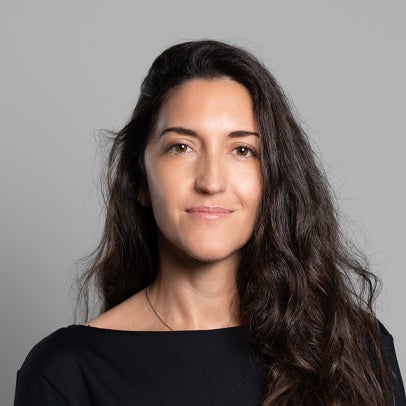
Dr. Maria Jimenez-Andres
Assistant Professor
Dr. Maria Jimenez-Andres
Assistant Professor
Educational Qualifications
PhD in Translation and Intercultural Studies
MA in Higher Education
Entity
College of Humanities and Social Sciences
Division
Department of Language, Culture and Communication
Biography
Dr. Maria Jimenez-Andres has extensive teaching experience in the fields of translation, interpreting and languages in the UK, Spain and the UAE. As a translator and interpreter, Dr. Maria has engaged in various roles at institutions such as the Bolivarian Embassy of Venezuela and Ipsos Mori in the United Kingdom.
Dr. Maria has a degree in Translation and Interpreting, an MA in Higher Education, and a PhD in Translation and Intercultural Studies. Her dissertation was on communication and language management in organizations supporting refugees. Her commitment to this work goes beyond academia. She is active in outreach and has carried out a number of research and non-research projects with NGOs working with refugee and migrant communities in Europe and the Middle East. More recently, she has produced a documentary, Tempo, on the lives of refugee musicians.
PhD in Translation and Intercultural Studies
Universitat Autònoma de Barcelona, Spain
2022
MA in Higher Education
Middlesex University, London, UK
2017
BA in Translation and Interpreting (EN/FR-ES)
University of Alicante, Spain
2012
Senior Lecturer in Spanish
Translation and Interpreting; Middlesex University.
2013 - 2023
Language Consultant
Open University of Catalunya.
January 2017 - June 2017
Predoctoral researcher
The Autonomous University of Barcelona.
2019 - 2021
Translation coordinator
MedTrans at Ipsos Mori.
2015 - 2016
Translator and researcher
Embassy of the Bolivarian Republic of Venezuela in London, UK
2013 - 2014
Spanish teacher
Eton Institute
September 2012 - December 2012
Jiménez-Andrés, María (2021). Multilingualism and Multimodality in Communication with Refugees: Experiences of Local Service Providers and Language Teachers in European Countries. Multilingualism, Translation and Language Teaching. The PluriTAV Project. Valencia: Tirant lo Blanch. 333-358.
- September 2021, Utopic futures of the Mediterranean, Executive Producer Audiovisual project grant, University of the Balearic Islands.
- 2014, Nominated Most Innovative Teacher in the Student-Led MDXSU Teaching Awards, Middlesex University, UK.
- December 2017, Fellow of the Higher Education Academy, UK.
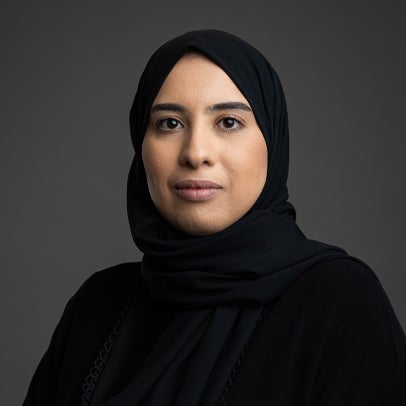
Dr. Kholoud K. Saleh
Research Associate
Educational Qualifications
PhD in Molecular, Cellular and Integrative Physiology
Bachelor’s degree in science, Biological Sciences
Entity
College of Health and Life Sciences
Biography
Dr. Saleh obtained her bachelor’s degree in Biological Sciences from Qatar University in 2014. She later joined the Ardehali Laboratory as a visiting scientist at David Geffen School of Medicine at University of California-Los Angeles (UCLA). She participated in the characterization of cardiovascular progenitor cells derived from human pluripotent stem cells. Dr. Saleh then joined Dr. Apil Pyle Laboratory as a Graduate Student Researcher; she investigated how Duchenne Muscular Dystrophy disease severity, in mouse models, impacts the systemic delivery of human skeletal muscle progenitor cells. She obtained her PhD in Molecular, Cellular and Integrative Physiology from UCLA in 2022.
PhD in Molecular, Cellular and Integrative Physiology
University of California Los Angeles, USA
2022
Bachelor’s degree in science, Biological Sciences
Qatar University, Qatar
2014
Pre-Medical Program
Weill Cornell Medical College, Qatar
2007 - 2010
- Human Pluripotent Stem Cells and their differentiation to Muscle Progenitor Cells
- Muscle Physiology
- Insulin Resistance
- Lipid metabolism
Graduate Student Researcher
Pyle Laboratory, UCLA
April 2017 - July 2022
UCLA Teaching Assistantship Physiology and Human Biology
UCLA
Spring 2018 and Spring 2019
Visiting Scholar Researcher
Ardehali Laboratory, UCLA
Nov 2014 - Dec 2016
Undergraduate Researcher
Qatar University
2013 - 2014
Summer Undergraduate Researcher
Kotter Laboratory at Anne McLaren Laboratory for Regenerative Medicine at Cambridge University
Summer 2013
- 2020, Biomedical, Life Sciences and Health Sciences Research Award, UCLA David Geffen School of Medicine, USA.
- 2016 - 2022, Qatar Research Leadership Program (QRLP) - Graduate Research Scholar Fellowship, QNRF, Qatar.
- 2014 - 2016, Qatar Research Leadership Program (QRLP) - Management Track Fellowship, QNRF, Qatar.
- 2013 - 2014, Qatar Science Leadership Program - Undergraduate Track Fellowship, QF, Qatar.
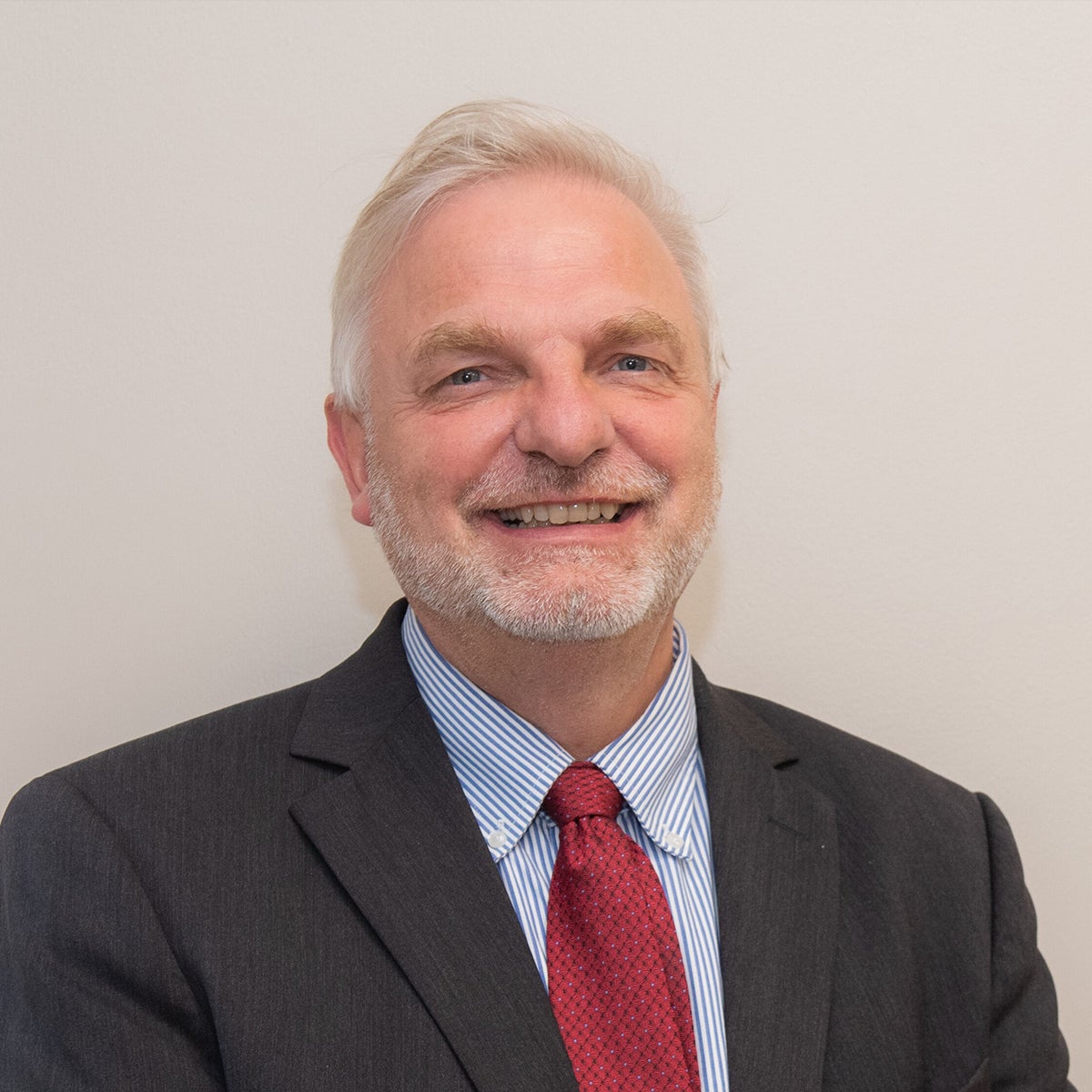
Dr. Martin Steinhoff
Professor
Office location
00974 44395101
Dr. Martin Steinhoff
Professor
Educational Qualifications
PhD in Human Biology
MD Medicine Thesis
Entity
College of Health and Life Sciences
Biography
Professor Martin Steinhoff is a Professor at Hamad Bin Khalifa University. He is also the Chairman of the Department of Dermatology and Venereology, Director of the Dermatology Institute, and Director of the Translational Research Institute (TRI) at Hamad Medical Corporation (HMC). He is also a Full Professor at Weill Cornell Medical College New York, USA, Weill-Cornell Medicine-Qatar, and Qatar University. He also holds the position of residency program director for dermatology at HMC.
Professor Steinhoff studied medicine and human biology in Germany, where he received his MD, M.Sc., and PhD from the University of Marburg. After his residency in Dermatology/Venereology, he became an Assistant Professor of Dermatology at the University of Muenster in 2002, promoted from assistant to full professor in 6 years.
He holds board certificates in Dermatology, Venereology, Phlebology and Allergy. His clinical fields of interest are inflammatory skin diseases, translational medicine, and -omics technologies. Prof. Steinhoff is an established physician-scientist with a long-standing basic and clinical research background. His group has discovered several mechanisms that are now the basis for new therapies for skin diseases. He is the author of the most relevant textbooks for Dermatology on Skin Inflammation and Allergy.
For his research, Prof Steinhoff received several prestigious international research awards worldwide. He was a member of the board of directors of the European Society of Dermatology Research (ESDR) and an honorary member of several Societies for Dermatology. According to a publication in 2023, he was considered among the Top 1% of dermatologists worldwide.
PhD in Human Biology
University of Marburg, Germany
1997 - 2001
MD Medicine Thesis
University of Marburg, Germany
1986 - 1994
MSc in Human-Biology
University of Marburg, Germany
1990 - 1992
BSc in Biology
Technical University of Braunschweig, Germany
1983 - 1986
- Neuroimmunology
- Atopic Dermatitis
- Psoriasis
- Rosacea
- Systems Medicine
- Cell signaling
- Identification of disease biomarkers
- and new therapies
Director
Translational Research, Hamad Medical Corporation
2017 - Present
Professor
College of Health and Life Sciences, Hamad Bin Khalifa University
2016 - Present
Chairman
Dermatology, Venerology, Allergy, Hamad Medical Corporation
2016 - Present
Chairman and Director
Dermatology, University College Dublin, Ireland
2014 - 2016
Full Professor
Dermatology, University of California San Francisco, United States
2009 - 2013
Associate Professor
Dermatology, University of Muenster, Germany
2005 - 2011
Assistant Professor
Dermatology, University of Muenster, Germany
2003 - 2005
Scientific University Assistant
Dermatology, University of Muenster, Germany
1999 - 2003
Postdoc (MD)
Neurosciences, Cell Biology, University of California San Francisco, United States
1997 - 1999
AiP & Resident
Dermatology, Venerology, Allergy, University of Goettingen, Germany
1995 - 1997
Postgraduate clinical training (AiP)
Internal Medicine, University of Marburg, Germany
1995
Steinhoff, M., Szabo, I., Schmelz, M., & Oaklander, A. L. (2018). Neuropathic itch. The Lancet Neurology, 17(8), 709–720.
Kido-Nakahara, M., Buddenkotte, J., Kempkes, C., Ikoma, A., Cevikbas, F., Akiyama, T., Nunes, F., Seeliger, S., Hasdemir, B., Mess, C., Buhl, T., Sulk, M., Müller, F.-U., Metze, D., Bunnett, N. W., Bhargava, A., Carstens, E., Furue, M., & Steinhoff, M. (2014). Neural peptidase endothelin-converting enzyme-1 regulates endothelin-1-induced pruritus. Journal of Clinical Investigation, 124(6), 2683–2695.
Cevikbas, F., Wang, X., Akiyama, T., Kempkes, C., Savinko, T., Antal, A., Kukova, G., Buhl, T., Ikoma, A., Buddenkotte, J., Soumelis, V., Feld, M., Alenius, H., Dillon, S. R., Carstens, E., Homey, B., Basbaum, A., & Steinhoff, M. (2014). A sensory neuron-expressed interleukin-31 receptor mediates T-helper cell-dependent itch: Involvement of TRPV1 and TRPA1. Journal of Allergy and Clinical Immunology, 133(2), 448–460.e7.
Affara, N. I., Ruffell, B., Medler, T. R., Gunderson, A. J., Johansson, M., Bornstein, S., Bergsland, E., Steinhoff, M., Li, Y., Gong, Q., Ma, Y., Wiesen, J. F., Wong, M. H., Kulesz-Martin, M., Irving, B., & Coussens, L. M. (2014). B cells regulate macrophage phenotype and response to chemotherapy in squamous carcinomas. Cancer Cell, 25(6), 809–821.
Steinhoff, M., Vergnolle, N., Young, S. H., Tognetto, M., Amadesi, S., Ennes, H. S., Trevisani, M., Hollenberg, M. D., Wallace, J. L., Caughey, G. H., Mitchell, S. E., Williams, L. M., Geppetti, P., Mayer, E. A., & Bunnett, N. W. (2000). Agonists of proteinase-activated receptor 2 induce inflammation by a neurogenic mechanism. Nature Medicine, 6(2), 151–158.
- 2024; Qatar Foundation QNRF Award Precision Medicine Research, 3 years.
- 2016; SFI-Pfizer Innovation Research Award from Minister of Health, Ireland (Development of biologic) Science Foundation Ireland
- 2011; NIH R01 Research Award, NIAMS (5 years. 3 Mio US $ with overhead), P.I. 8th percentile.
- 2001; Oskar-Gans Main research award, German Society of Dermatology, Berlin, Germany, May 5, 2001 (Protease-activated receptors and neuroinflammation and pruritus).
- 1997; NIH-Scholarship (University of California, San Francisco, CA, USA (Depts. of Physiology & Surgery, Prof. Dr. N. Bunnett), 3 years, NIH grant.
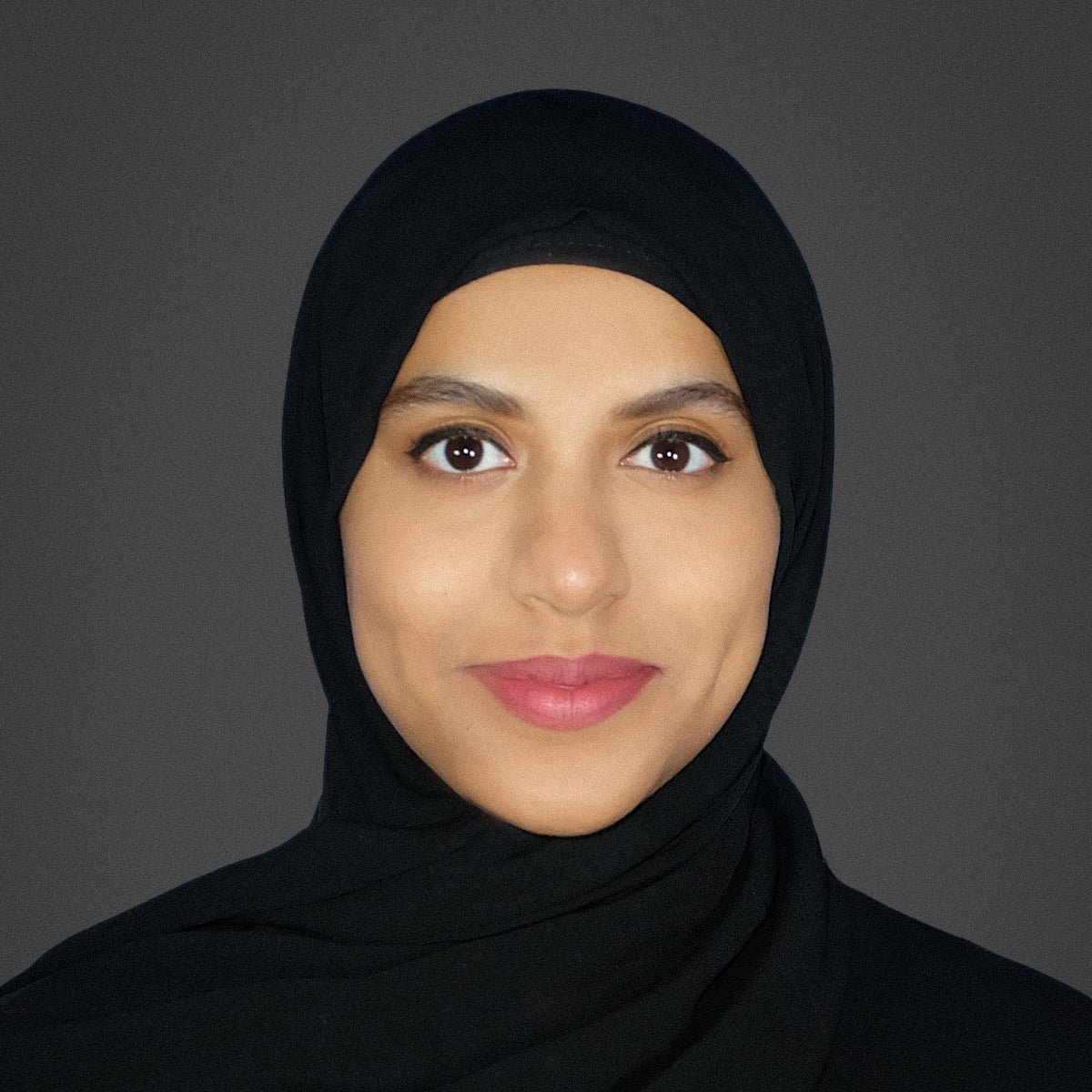
Dr. Umm-Kulthum Ismail Umlai
Post-doctoral Researcher
Educational Qualifications
PhD in Genomics and Precision Medicine
Master in Biomedical Research
Entity
College of Health and Life Sciences
Biography
Umm-Kulthum is an early career researcher with experience in genomics, metagenomics, biomedical research and metabolomics. She spent most of her life in Qatar where she also graduated with research honours from Carnegie Mellon University located at the prestigious Education City. Her postgraduate experience involved several biomedical research projects including metabolomics of Alzheimer’s disease and liver diseases at Imperial College of Science, Technology and Medicine in the UK. Her PhD research with Hamad Bin Khalifa University was a combination of clinical and genomics research, looking into the genetics underlying rare growth disorders in paediatric patients recruited from a hospital in Qatar. Currently, Umm-Kulthum is working as a post-doctoral researcher with Professor Omar Albagha where she is involved in numerous Genome-Wide Association Studies projects which utilize the Qatar Genome Programme data to investigate various traits.
PhD in Genomics and Precision Medicine
Hamad Bin Khalifa University (Doha, Qatar)
2022
Master in Biomedical Research
Imperial College of Science Technology and Medicine (London, England)
2017
Bachelor in Biological Sciences
Carnegie Mellon University (Doha, Qatar)
2016
Post-Doctoral Researcher
Hamad Bin Khalifa University (Doha, Qatar)
2022 - Present
Teaching Assistant Pharmacogenomics Course
Hamad Bin Khalifa University (Doha, Qatar)
2021 - 2021
Research Assistant
Queen Mary University of London, (London, England)
2016 - 2017
Research Student
Biological Sciences Department, Carnegie Mellon University (Doha, Qatar)
2014 - 2016
Summer Research Fellow
Mellon College of Science, Carnegie Mellon University (Pittsburgh, USA)
2013
- Hamad Bin Khalifa University sponsored PhD scholarship from Hamad Bin Khalifa University (Doha, Qatar), 2018 - 2022.
- Research Honors from Research Honors, 2016.
- Meeting of the Minds- 3rd place annual research showcase from Carnegie Mellon University (Doha, Qatar), 2015.
- Annual Research Award- 1st place student poster (Energy and Environment category) from Annual Research Conference Qatar Foundation, 2014.

Luigia Ingianni
Adjunct Professor
Educational Qualifications
Program on Negotiation
Women in Leadership Program
Entity
College of Law
Biography
Luigia is an employment lawyer and policy maker with more than 25 years of exponential experience in labor laws, conciliation and adjudication of employment disputes, leadership and organizational behavior, across different countries and legal systems (common and civil law jurisdictions).
She holds a Master Degree in Law, a Post-Degree Master in Human Resources and Communication, a Women in Leadership Executive Program with London Business School and is a qualified conciliator and mediator of labor disputes certified by the International Training Centre of the International Labour Organisation (ITCILO) and trained by Harvard Law School – Program on Negotiation (PON).
She has established the first administrative employment dispute resolution center in the Middle East operating under the ILO guidelines and is also a certified ITCILO Participatory Gender Audit (PGA) Facilitator, specialized in gender and organizational change.
Policy maker and advocate for justice, Luigia has designed innovative legislation and policies with particular focus on gender equality, decent work, harassment and violence in the workplace, justice and partnerships - UN SDGs 5, 8, 16 and 17 and is also a member of the WHO working group of the World of Work Dialogue.
Program on Negotiation
Harvard Law School
2020
Women in Leadership Program
London Business School
2019
Professional Certificate Data Protection Officer
European Centre for Privacy and Cybersecurity (ECPC), Maastricht University – The Netherlands
2018
Post Degree Master in Human Resources Communication
Superior Institute of Communication, Milan, Italy
2000
Bachelor and Master Degree in Law
University of Palermo – Italy
1995
Labor Law Consultant
Ispettorato Regionale del Lavoro – Palermo, Italy
1992
- World-of-work-related topics
Adjunct Professor
HBKU College of Law
2022 - Present
Commissioner of the Employment Standards Office
Qatar Financial Centre
2015 - Present
Manager of International Department
Qatar International Law Firm
2012 - 2015
Owner
Studio Ingianni Law Firm
1995 - 2012
- 2022 Shortlisted for Women in Law Mena Region Award LexisNexis.
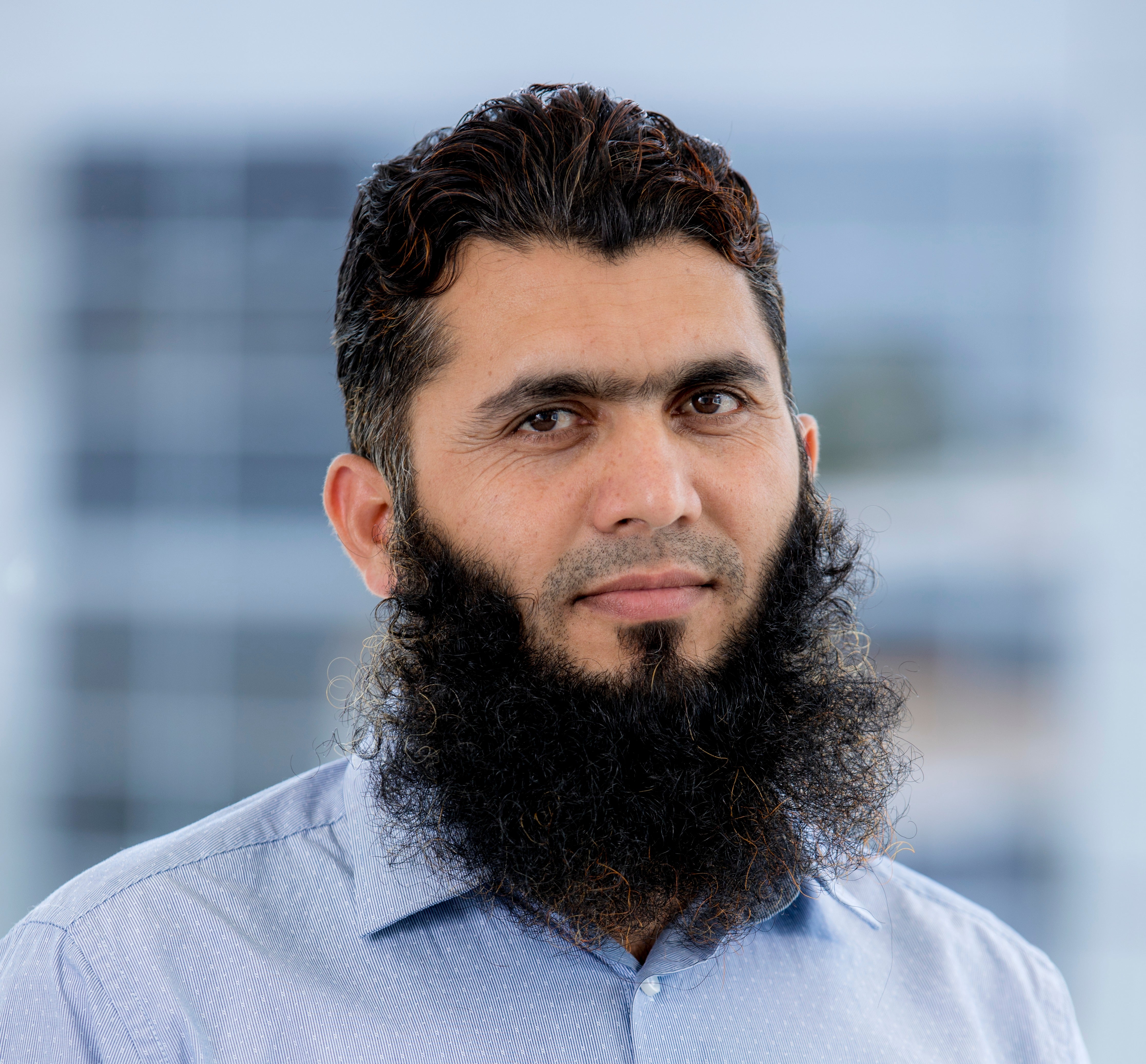
Dr. Zubair Shah
Assistant Professor
Dr. Zubair Shah
Assistant Professor
Educational Qualifications
PhD in Data Science
MSc in Computer System Engineering
Entity
College of Science and Engineering
Division
Information & Computing Technology
Biography
Dr. Zubair Shah is an Assistant Professor in the College of Science and Engineering specializing in artificial intelligence and big data analytics with a focus on health informatics. He holds an MS degree in Computer System Engineering from Politecnico di Milano, Italy, and a PhD from the University of New South Wales, Australia. Before joining HBKU, Dr. Shah was a Research Fellow at the Australian Institute of Health Innovation, Macquarie University, from 2017 to 2019.
Dr. Shah's research focuses on applying AI to healthcare, particularly in developing AI-driven applications that enhance disease diagnosis and prediction. He has secured critical funding from HBKU Innovation Center and QNRF to advance these efforts, including work on diabetes management and multimodal AI systems combining electronic health records (EHR), medical imaging, and multi-omics data. His team has developed innovative deep-learning techniques, including methods for identifying IDH mutations from histopathology slides and exploring the use of generative models like GANs and neural diffusion for medical data augmentation.
Dr. Shah has published extensively in leading international journals and conferences, and his research also explores the potential of foundation AI models in healthcare, contributing significantly to advancements in AI-powered medical diagnostics.
PhD in Data Science
University of New South Wales, Australia
2017
MSc in Computer System Engineering
Politecnico Di Milano, Italy
2011
BS in Computer Science
University of Peshawar, Pakistan
2005
- Digital Epidemiology and behavioral analysis of vaccination attitudes
- AI-driven healthcare applications
- Deep learning in medical imaging
- Generative models for medical data
Assistant Professor
College of Science and Engineering, Hamad Bin Khalifa University
2019 - Present
Research Fellow
Australian Institute of Health Innovation, Macquarie University, Australia
2017 - 2019
Lecturer
Computer Science, City University of Science and Information Technology, Pakistan
2012 - 2013
System Engineer
National Database and Registration Authority, Pakistan
2006 - 2009
Mohsen, F., Al-Absi, H. R. H., Yousri, N. A., El Hajj, N., & Shah, Z. (2023). A scoping review of artificial intelligence-based methods for diabetes risk prediction. NPJ Digital Medicine, 6(1), 197.
Mohsen, F., Ali, H., El Hajj, N., & Shah, Z. (2022). Artificial intelligence-based methods for fusion of electronic health records and imaging data. Scientific Reports, 12(1), 17981.
Ahmad, W., Ali, H., Shah, Z., & Azmat, S. (2022). A new generative adversarial network for medical images super resolution. Scientific Reports, 12(1), 1–20.
Shah, U., Biswas, M. R., Ali, R., Ali, H., & Shah, Z. (2022). Public attitudes on social media toward vaccination before and during the COVID-19 pandemic. Human Vaccines & Immunotherapeutics, 18(6), 2101835.
Liu, S., Shah, Z., Sav, A., Russo, C., Berkovsky, S., Qian, Y., Coiera, E., & Di Ieva, A. (2020). Isocitrate dehydrogenase (IDH) status prediction in histopathology images of gliomas using deep learning. Scientific Reports, 10(1), 7733.
- 2016 Postgraduate Research Student Support (PRSS), UNSW, Australia
- 2014 University College Postgraduate Research Scholarship (UCPRS), UNSW, Australia
- 2009 DSU-International Postgraduate Scholarship, Politecnico di Milano, Italy
- 2005 Distinction at Department of Computer Science, University of Peshawar, Pakistan
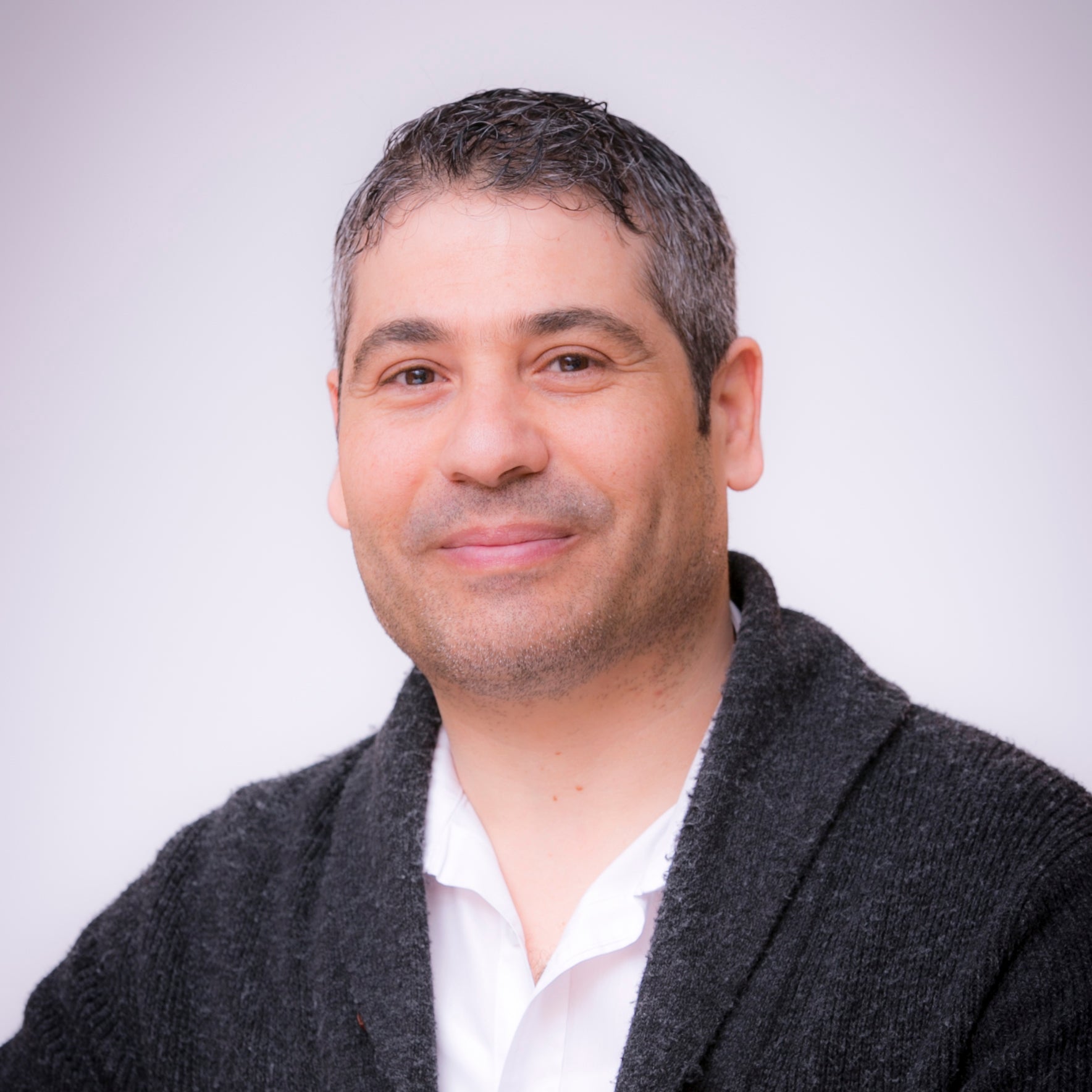
Dr. Afif Ben Mahmoud
Senior Research Associate
Dr. Afif Ben Mahmoud
Senior Research Associate
Educational Qualifications
PhD (Molecular and Human Genetics)
MSc in Genetics and Biodiversity
Entity
Qatar Biomedical Research Institute
Division
Neurological Disorders Research Center
Biography
Dr. Afif Ben Mahmoud is an accomplished geneticist and genome data analyst with extensive expertise in human molecular genetics. He earned an engineering degree in agriculture and animal production, a master's in genetics and biodiversity, and a PhD in molecular and human genetics. With over 12 years of experience in research and academia, Dr. Ben-Mahmoud has dedicated his work to elucidating cellular and molecular mechanisms underlying human genetic diseases, focusing on identifying disease genes and mutations responsible for rare recessive disorders, particularly in Arab populations.
His professional contributions in genetic pathology span from phenotypic and genotypic characterization of patients with monogenic diseases to functional studies aimed at demonstrating the pathogenicity of disease-causing novel genes and gene variations. He has also led numerous projects to decode rare human monogenic diseases, significantly advancing the field.
Dr. Afif Ben Mahmoud’s notable accomplishments include the first functional analysis of B3GALTL in Tunisian patients with Peters Plus Syndrome, the identification of MAST1 as a novel intellectual disability gene, and confirming the role of B3GALT6 in Al-Gazali Syndrome. Additionally, he has identified 16 autosomal dominant candidate genes in syndromic neurodevelopmental disorders and new candidate loci for intellectual disability and Kallmann syndrome. Dr. Ben-Mahmoud has published 25 high-quality articles in renowned international peer-reviewed journals, with over 500 citations and an h-index of 14.
PhD (Molecular and Human Genetics)
Sfax University, Tunisia
2015
MSc in Genetics and Biodiversity
Monastir University, Tunisia
2009
Engineering in Agriculture and Animal Production
Carthage University, Tunisia
2007
- Identification of novel disease genes and their pathogenic variants in autism and human monogenic diseases in Qatar.
- Investigation of genetic diversity and recessive disorders in Arab populations in Qatar.
- Functional validation of novel genes associated with intellectual disability and autism spectrum disorder in the Qatari population.
- Elucidation of cellular and molecular mechanisms in syndromic neurodevelopmental disorders in Qatar.
Senior Research Associate
Qatar Biomedical Research Institute, Hamad Bin Khalifa University
2019 - present
PostDoc Researcher
College of Medicine & Health Sciences, United Arab Emirates University, UAE
2016 - 2018
Ben-Mahmoud, A., Gupta, V., Kim, C.-H., Layman, L. C., & Kim, H.-G. (2023). Digenic or oligogenic mutations in presumed monogenic disorders: A review. Journal of Genetic Medicine, 20(1), 15–24.
- 2018; Researchers at UAEU develop cell lines with gene-editing technology CRISPR-Cas9 used to understand diseases
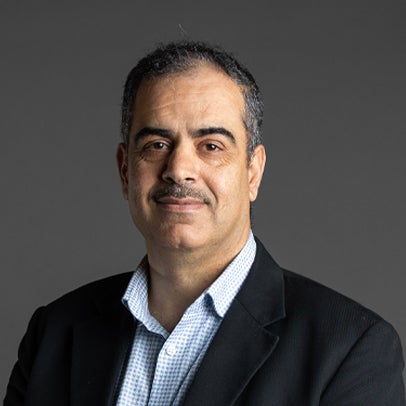
Dr. Nehad Alajez
Principal Investigator
Joint Professor
Educational Qualifications
PhD
MSc
Entity
Qatar Biomedical Research Institute
College of Health and Life Sciences
Division
Translational Oncology Research Center
Biography
Dr. Nehad Alajez earned his PhD in tumour immunology from the University of Pittsburgh School of Medicine in USA, and subsequently completed his post-doctoral training at the Princess Margaret Cancer Center (University Health Network), a premier cancer research institute in Canada. His main research interest is to investigate the role of the Polycomb gene family and non-coding microRNAs in driving cancer progression and their potential utilization for targeted therapies. Dr. Alajez is a recipient of several prestigious awards and has published more than 100 articles in top-tier ISI-indexed journals including Blood, Cancer Research, Cell Death and Differentiation, Cell Death and Disease, Signal Transduction and Targeted Therapy, Molecular Therapy (family journals), EMBO Molecular Medicine, and in Science Translational Medicine. Dr. Alajez currently has close to 5000 citations and an h-index of 35 and i10-index of 74.
Prior to his current appointment, Dr. Alajez was appointed as the Associate Professor at King Saud University College of Medicine, Kingdom of Saudi Arabia. Dr. Alajez’s main research interests are focused on ‘translational oncology research’ with main emphasis on novel biomarker discovery and targeted therapeutics for breast cancers. In particular, Dr. Alajez’s team is studying noncoding RNAs (micoRNAs and lncRNAs) as disease and predictive biomarkers for patients’ response to therapy. Dr. Alajez has strong expertise in transcriptome analysis, noncoding RNAs, and biomarker discovery field and is currently ranked among the top 2% most cited scientist globally. He is a recipient of several major grants, including funding from Qatar National Research Fund, in addition to his editorial roles on several journals.
PhD
University of Pittsburgh, USA
2003
MSc
San Francisco State University, USA
1999
BSc
Islamic University of Gaza, Palestine
1995
Dr. Alajez main research interests are focused on precision medicine aiming at the discovery of novel tumour and circulating biomarkers for breast cancer diagnosis, prognosis, and therapy. Additionally, Dr. Alajez’s group is conducting CRISPR-Cas9 genomic screens to elucidate the role of miRNAs and lncRNAs in driving breast cancer survival and resistance to standard therapies.
- Identification of molecular signatures predictive of pathological complete response to neoadjuvant therapy in breast cancer.
- Identification of circulating miRNAs as diagnostic and predictive biomarkers for breast cancer.
- Transcriptomic profiling of breast cancer for diagnostic
- prognostic
- and therapeutic applications.
- CRISPR-Cas9 genomic screen to identify novel therapeutic vulnerabilities in breast cancer.
Principal Investigator
Translational Oncology Research Center, Qatar Biomedical Research Institute
2022 - Present
Senior Scientist
Translational Cancer and Immunity Center, Qatar Biomedical Research Institute
2018 - 2022
Associate Professor
College of Medicine, King Saud University
2015 - 2018
Assistant Professor
College of Medicine, King Saud University
2011 - 2015
- 2022, Qatar Biomedical Research Institute top publishing.
- 2022, Qatar Biomedical Research Institute top external received funding.
- 2022, among top 2% most cited scientists worldwide.
- 2021, among top 2% most cited scientists worldwide.
- 2021, Qatar Biomedical Research Institute highest publication award.
- 2010, Scholar-in-Training Award, American Association of Cancer Research.
- 2007, Excellence in Radiation Research for the 21st Century Award, Canadian Institute for Health Research.
- 2004, Scholar-in-Training Award, American Association of cancer research.
- 2001, DOD pre-doctoral training Award on Breast Cancer Research.
- 1999, San Francisco State University distinguished achievement award for academic excellence.
- 1997, Fulbright Scholarship.