 Apply Now
primary
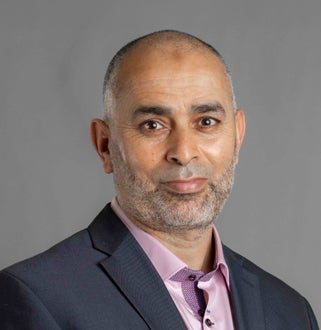
Dr. Mustapha Aouida
Senior Scientist and Senior Laboratory Manager
Dr. Mustapha Aouida
Senior Scientist and Senior Laboratory Manager
Educational Qualifications
PhD in Biology (Molecular and Cell Biology)
Master Degree in Microbiology
Entity
College of Health and Life Sciences
Biography
Dr. Mustapha Aouida received his PhD in Molecular and Cell Biology in 2003 from both the Science University of Tunis and Gustave Roussy Institute, Paris. For his post-doctoral fellowship he joined Professor Ramotar at Maisonneuve-Rosemont Research Institute in Montreal where he studied the mechanism by which yeast cells and mammalian cells become resistant to the antitumor drug bleomycin. Dr. Aouida joined the College of Health and Life Sciences in April 2016 as a Lab Manager and is currently a Research Scientist at the college.
PhD in Biology (Molecular and Cell Biology)
Gustave Roussy Institute, Paris (France); Science University Of Tunis, Tunisia
2003
Master Degree in Microbiology
Science University Of Tunis, Tunisia
1999
Bachelor in Natural Sciences
Bachelor in Natural Sciences
1997
High School diploma in Science
Technical High School Zarzis, Tunisia
1993
- Genome engineering
- CRISPR
- Molecular and cell biology
- Genomics
Senior Laboratory Manager
College of Science and Engineering, Hamad Bin Khalifa University
2024 - Present
Laboratory Manager
College of Science and Engineering, Hamad Bin Khalifa University
2016 - 2024
Research Scientist
Genome Engineering Laboratory, King Abdullah of Science and Technology
2010 - 2015
Postdoctoral Research Scientist
Maisonneuve Research Center, University of Montreal
2003 - 2010
Complete Publication Listing(s): PubMed | Google Scholar
- 2005-2008 Post PhD fellowship from National Cancer Institute of Canada
- 2003-2005 Scholarship from Maisonneuve-Rosemont Foundation, Montreal (University of Montreal)
- 1999-2003 Scholarship from Tunisian Government and second scholarship from CNRS-France
- 1993-1999 Scholarship from Tunisian Government
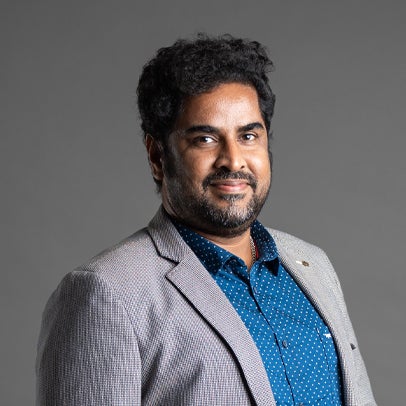
Dr. Vishnubalaji Radhakrishnan
Postdoctoral Researcher
Entity
Qatar Biomedical Research Institute
Division
Translational Oncology Research Center
Biography
Dr. Vishnubalaji Radhakrishnan earned his Master’s degree in Biochemistry and Biotechnology, and Ph.D. in Stem Cells and Regenerative Medicine from Bharathidasan University, India, and has conducted his Ph.D. research work at Southampton University, UK; Southern University, Denmark and King Saud University, Riyadh. Dr. Vishnu completed his post-doctoral work at the King Saud University, Riyadh and Southern University, Denmark. His experiences are very well accomplished in the field of stem cells and cancer biology with interdisciplinary techniques. During his postdoctoral training, he studied on novel biomarker discovery and targeted therapeutics for breast and colorectal cancers together with cancer stem cells and also investigated the novel epigenetic compounds that regulate the bone forming potential of human mesenchymal stem cells. He has published more than 20 articles in top-tier ISI-indexed journals.
Dr. Vishnubalaji Radhakrishnan, has joined as a Postdoc at the Translational Oncology Research Center, reporting to Dr. Nehad Alajez. His office is located in the RDC, office no 1330; you can reach him on: vbradhakrishnan@hbku.edu.qa
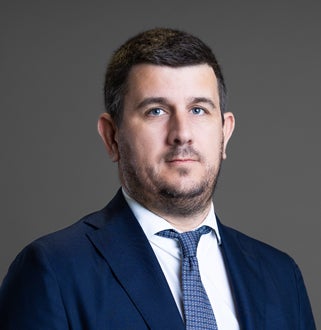
Dr. Gabriele Oligeri
Associate Professor
Dr. Gabriele Oligeri
Associate Professor
Educational Qualifications
PhD in Computer Engineering
MSc in Computer Engineering
Entity
College of Science and Engineering
Division
Information & Computing Technology
Biography
Dr. Gabriele Oligeri is an Associate Professor at College of Science and Engineering. Before joining Hamad Bin Khalifa University, he was an assistant research professor at KINDI Center for Computing Research at Qatar University. He received his M.Sc and PhD degrees in Computer Engineering from the University of Pisa. He spent about 6 years at the Italian National Research Council (CNR), 1 year at the University of California (UCI), 2 years at the University of Trento (IT), and 2 years at the University of Roma Tre (IT).
PhD in Computer Engineering
University of Pisa, Italy
2007
MSc in Computer Engineering
University of Pisa, Italy
2005
- Signals intelligence
Associate Professor
College of Science and Engineering, Hamad Bin Khalifa University
2022 - Present
Assistant Professor
College of Science and Engineering, Hamad Bin Khalifa University
2018 - 2022
Assistant Research Professor
KINDI Center for Computing Research, Qatar University
2016 - 2017
Postdoc Researcher
University of Roma Tre, Italy
2013 - 2016
Postdoc Researcher
Information Engineering and Computer Science, University of Trento, Italy
2011 - 2013
Caprolu, M., Sciancalepore, S., Grigorov, A., Kolev, V., & Oligeri, G. (2024, May 27–30). Watch nearby! Privacy analysis of the people nearby service of Telegram. The 17th ACM Conference on Security and Privacy in Wireless and Mobile Networks (WiSec2024), Seoul, Korea.
Oligeri, G., Sciancalepore, S., Raponi, S., & Di Pietro, R. (2023). PAST-AI: Physical-layer authentication of satellite transmitters via deep learning. IEEE Transactions on Information Forensics and Security, 18, 274–289. [Engineering/Safety, Risk, Reliability, and Quality; CiteScore: 14.4]
Oligeri, G., Sciancalepore, S., Ibrahim, O. A., & Di Pietro, R. (2022). GPS spoofing detection via crowd-sourced information for connected vehicles. Elsevier Computer Networks, 216(C). [Computer Science/Computer Networks and Communications; CiteScore: 10.8]
Raponi, S., Oligeri, G., & Ali, I. M. (2022). Sound of guns: Digital forensics of gun audio samples meets artificial intelligence. Springer Nature Multimedia Tools and Applications, 81, 30387–30412. [Engineering/Media Technology; CiteScore: 4.6]
Oligeri, G., Sciancalepore, S., Raponi, S., & Di Pietro, R. (2020, July 8–10). Brokenstrokes: On the (in)security of wireless keyboards. 13th ACM Conference on Security and Privacy in Wireless and Mobile Networks (WiSec’20), Linz, Austria.
Complete Publication Listing(s): Google Scholar
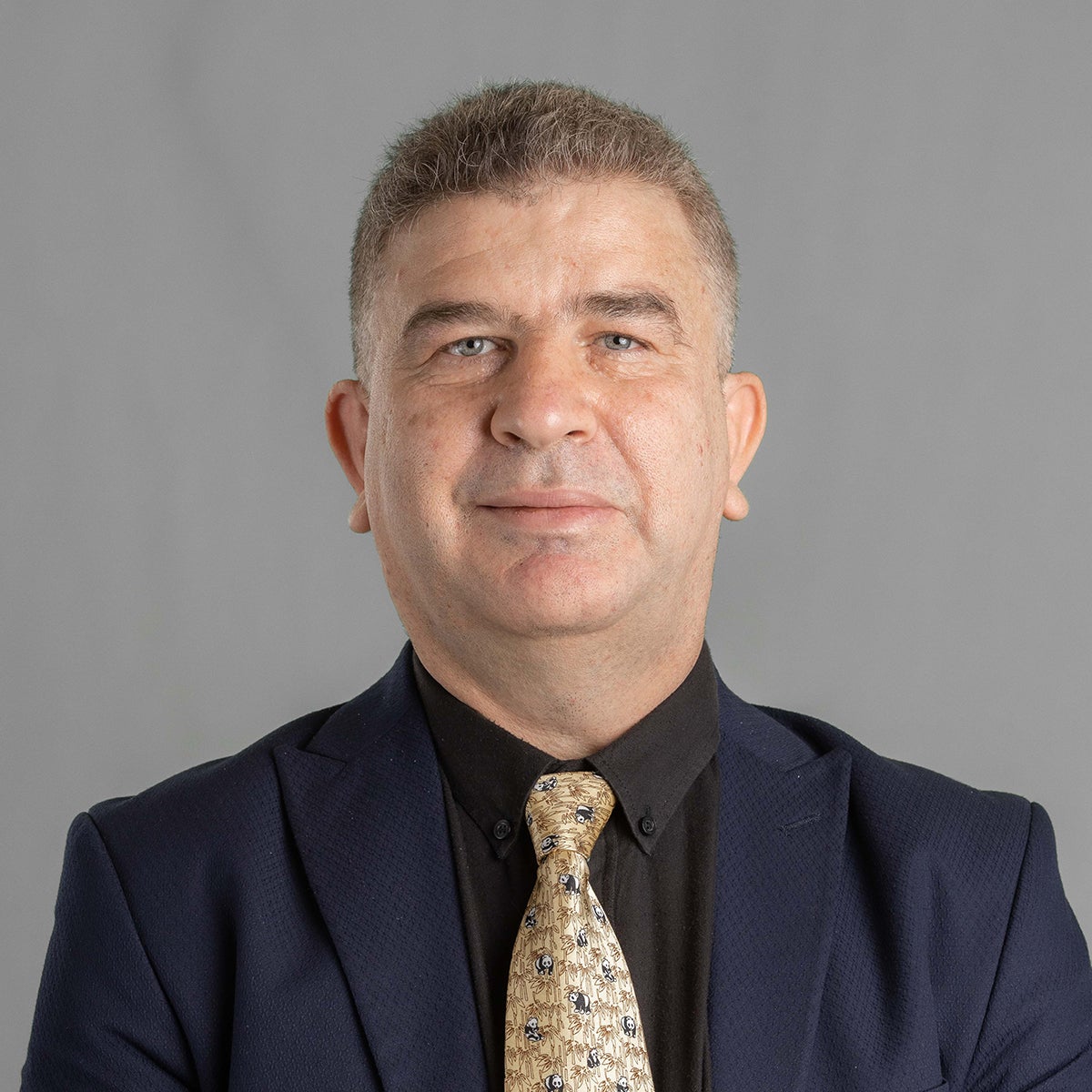
Dr. Amine Bermak
Distinguished Professor and Associate Dean
Educational Qualifications
PhD in Microelectronics and Microsystems
MPhil in Microelectronics and Microsystems
Entity
College of Science and Engineering
Division
Information & Computing Technology
Biography
Prof. Amine Bermak is a Distinguished Professor and Associate Dean of the College of Science and Engineering. He received his Master's and PhD degrees in Electrical and Electronic Engineering (Microelectronics and Microsystems) from Paul Sabatier University, Toulouse, France, in 1994 and 1998, respectively.
His research can be best described as being at the crossroads between algorithmic solutions and hardware-friendly VLSI architecture for sensors, microsystems, and Artificial Intelligence applications. He has published 539 papers (230 journals, 8 book chapters, 286 conference papers, and 15 patents), mostly in top-tier venues. Prof. Bermak has delivered 26 invited keynotes and won 7 best paper awards.
He is the recipient of the Best Researcher Award at CSE in 2019, the Best Innovator Award at HBKU in 2022, the Service Excellence Award at HBKU in 2023, and the Research Excellence Award at HBKU in 2024. He is the General Chair of IEEE DELTA 2008, IEEE BioCAS 2009, and ICM 2024. He has also served on multiple editorial boards of IEEE journals. Prof. Bermak is a Fellow of IEEE and an IEEE Distinguished Lecturer. He has been the Chair of the HBKU University Senate since 2024.
PhD in Microelectronics and Microsystems
Paul Sabatier University, LAAS-CNRS, Toulouse, France
1998
MPhil in Microelectronics and Microsystems
Paul Sabatier University, LAAS-CNRS, Toulouse, France
1994
BSc in Physics and Electronics
National Polytechnics Institute of Algiers, Algeria
1993
- Integrated circuit design and VLSI Systems for signal and image processing
- CMOS Image Sensors
- Wearable and printed Electronics
- Edge Intelligence and AI Circuits and Systems
Distinguished Professor and Associate Dean
College of Science and Engineering, Hamad Bin Khalifa University
2024 – Present
Professor and Associate Dean
College of Science and Engineering, Hamad Bin Khalifa University
2015 – 2024
Assistant/Associate/ Full Professor and Associate Head
Department of Electronic and Computer Engineering, Hong Kong University of Science and Technology, Hong Kong
2002 – 2015
Co-Director MIT-HKUST Consortium
Department of Electronic and Computer Engineering, Hong Kong University of Science and Technology, Hong Kong
2015
Senior Lecturer
Edith Cowan University, Australia
2001 – 2002
Xia, Y., Luo, J., Yin, P., Yan, D., Zhou, X., Bermak, A., & Tang, F. (2024). Theory and low-power design of moving accumulative sign filter. IEEE Transactions on Circuits and Systems I: Regular Papers.
Awan, M. A., Ahmad, K., Bermak, A., Biswas, K. H., & Wang, B. (2024). An asynchronous CMOS current readout with 124 dB dynamic range for bioluminescence sensing. IEEE Solid-State Circuits Letters.
Cao, T., Ding, R., Gao, F., Xuan, W., Wan, Q., Luo, J., Luo, Y., Khelif, A., & Bermak, A. (2024). High electromechanical coupling factor Lamb wave resonator. Journal of Applied Physics, 136(19).
Gao, F., Benchabane, S., Bermak, A., Dong, S., & Khelif, A. (2023). On-chip tightly confined guiding and splitting of surface acoustic waves using line defects in phononic crystals. Advanced Functional Materials, 2213625.
Duan, M., Zhong, X., Wang, B., Wu, J., Khelif, A., Lee, Y. K., & Bermak, A. (2023). A highly integrated lab-on-a-CMOS platform for real-time monitoring of E. coli growth kinetics. IEEE Transactions on Biomedical Circuits and Systems.
- “Research Excellence award” at HBKU, 2024.
- “Service Excellence award”, at HBKU, 2023.
- HBKU “Best inventor award”, 2022.
- Co-author of the paper receiving the “Best paper Award” at the ICISM 2019 Conference.
- Best Faculty Researcher Award at the College of Science and Engineering, Hamad Bin Khalifa University, Qatar, 2018.
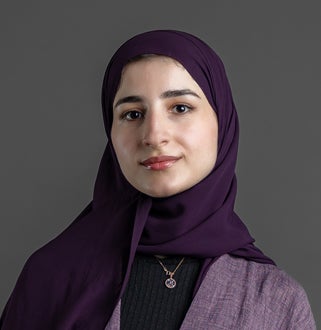
Dr. Areej Ghassan Mesleh
Postdoctoral Researcher
Educational Qualifications
PhD in Genomics and Precision Medicine
MSc in Genomics and Precision Medicine
Entity
Qatar Biomedical Research Institute
Division
Neurological Disorders Research Center
Biography
Areej Mesleh is a Postdoctoral Researcher with expertise in neurodegenerative and neurodevelopmental disorders. She graduated with distinction from Qatar University in 2017 and completed her master’s degree in 2019 at Hamad Bin Khalifa University, where she investigated neuroinflammation in Parkinson's disease. Mesleh earned her PhD in 2023, focusing on proteomics in autism spectrum disorder. She is currently working on developing conformation-specific nanobodies against alpha-synuclein as a potential diagnostic and therapeutic tool for Parkinson's disease.
PhD in Genomics and Precision Medicine
Hamad Bin Khalifa University
2023
MSc in Genomics and Precision Medicine
Hamad Bin Khalifa University
2019
BSc in Biomedical Science
Qatar University
2017
- Multi-OMICS; Proteomics
- Neurodegenerative disorders
- Neurodevelopmental disorders
- Immunology
Postdoctoral Researcher
Qatar Biomedical Research Institute, Hamad Bin Khalifa University
2024 - Present
- Graduated with distinction from QU
- GSRA award for postgraduate studies

Dr. Abeer Al-Shammari
Scientist
Assistant Professor
Dr. Abeer Al-Shammari
Scientist
Assistant Professor
Educational Qualifications
PhD in Biomedical Sciences
MRes in Biosciences
Entity
Qatar Biomedical Research Institute
College of Health and Life Sciences
Division
Neurological Disorders Research Center
Biography
Dr. Abeer Al-Shammari is a Scientist at the Neurological Disorders Research Center of the Qatar Biomedical Research Institute. She was awarded a PhD in Biomedical Sciences from the University of Oxford in the U.K. In 2019, she received the Education Excellence Award under the patronage of His Highness the Emir of Qatar. Her research focuses on understanding the molecular mechanisms underlying neurodevelopmental disorders, including autism, with the ultimate goal of identifying potential biomarkers and developing targeted therapies.
Dr. Al-Shammari leads a dynamic research team that employs cutting-edge techniques, including immunological assays, stem cell-derived brain cells, gene editing, bioinformatic analysis of single-cell sequencing data, advanced imaging techniques, and deep learning models. Her work has been recognized with multiple research grants and awards. She actively supervises graduate students and postdoctoral fellows, fostering the next generation of scientists. With a passion for advancing scientific discovery, Dr. Al-Shammari is committed to translating her research findings into real-world applications that could improve the lives of individuals with neurodevelopmental disorders.
PhD in Biomedical Sciences
University of Oxford, United Kingdom
2017
MRes in Biosciences
Cardiff University, United Kingdom
2010
BSc in Biomedical Sciences
Cardiff University, United Kingdom
2009
- Autism
- Immunology
- Neuroscience and stem cells
- Biomarkers and therapeutics
Assistant Professor
College of Health and Life Sciences, Hamad Bin Khalifa University
2024 - Present
Scientist
Qatar Biomedical Research Institute, Hamad Bin Khalifa University
2023 - Present
Research Fellow
Qatar Biomedical Research Institute, Hamad Bin Khalifa University
2017 - 2023
Complete Publication Listing(s): Google Scholar
- June 2023 – June 2025: Lead PI, Thematic Research Grant Program – Cycle 2 (HBKU, Qatar): A precision medicine approach to investigate autism-related functions of altered blood proteins as potential targets for autism therapy.
- January 2023 – December 2025: Lead PI, Intramural Grant Program – Cycle 5 (QBRI, Qatar): Identifying cellular sources of altered cytokines in autism.
- February 2021 – February 2024: Lead PI, Early Career Researcher Award (QNRF, Qatar): Neuro-immune interactions in autism spectrum disorder.
- March 2019: Received the Education Excellence Award from the Ministry of Education and Higher Education in the PhD holders category under the patronage of His Highness Sheikh Tamim bin Hamad Al Thani, the Emir of Qatar.
- June 2016 and March 2017: Received two Letters of Recognition for outstanding academic performance from Her Excellency Sheikha Hind bint Hamad Al Thani, Vice Chairperson and CEO of the Qatar Foundation.
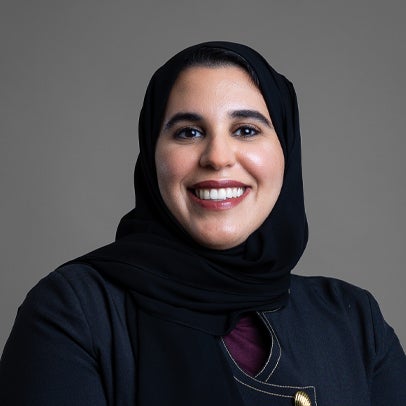
Maha Al-Thani
Research Fellow
Educational Qualifications
PhD in Clinical Neurosciences
MS in Biological and Biomedical Sciences
Entity
Qatar Biomedical Research Institute
Division
Neurological Disorders Research Center
Biography
Maha Al-Thani is a Research Fellow at Qatar Biomedical Research Center. Her primary research focus is human iPSC disease modeling and neurovascular unit co-culture. She received her PhD in Clinical Neurosciences from the University of Cambridge, and her dissertation “hiPSC-Derived Cerebral Small Vessel Disease Models”, published in 2023, was centered around blood-brain barrier modeling that led to novel hiPSC-derived models of the cerebral Small Vessel Disease variants COL4A1/2 and HTRA1. These models were later used in a drug-screening collaboration with AstraZeneca. The project was funded by the British Heart Foundation, Alzheimer’s Association, Stroke Association and Medical Research Foundation.
PhD in Clinical Neurosciences
University of Cambridge, England
2024
MS in Biological and Biomedical Sciences
Hamad Bin Khalifa University
2019
BSc in Biomedical Science
Qatar University
2015
Maha’s research interest is in investigating the role of different post-translational modifications of alpha-synuclein. Her research aims to examining their possible utility as a biomarker target or in developing a vaccine for Parkinson's disease.
- hiPSCs-derived disease models
- Neurovascular unit
- 3D co-culture
- Microfluidic
Research Fellow
Qatar Biomedical Research Center, Hamad Bin Khalifa University
2025 - Present
- Amiri Scholarship Program by Qatar’s Ministry of Education and Higher Education, 2019
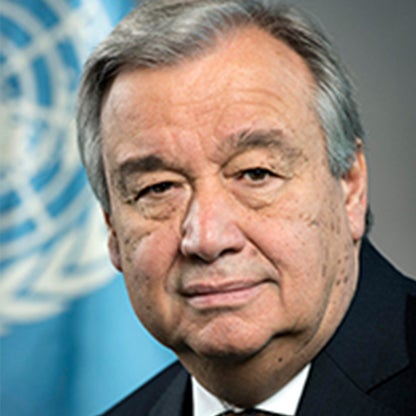
António Guterres
UN Secretary-General
António Guterres
UN Secretary-General
Entity
Translation and Interpreting Institute (TII)
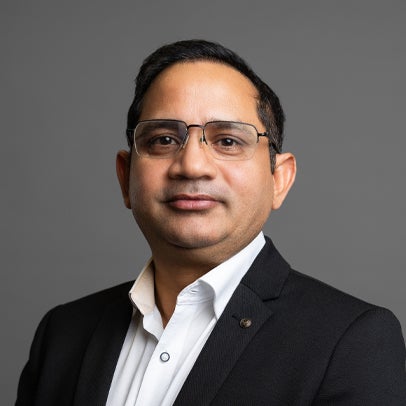
Dr. Mohammad Farhan
Associate Professor
Dr. Mohammad Farhan
Associate Professor
Educational Qualifications
PhD in Biotechnology
MSc in Biotechnology
Entity
College of Health and Life Sciences
Biography
Dr. Mohammad Farhan is an Associate Professor at the College of Health and Life Sciences at Hamad Bin Khalifa University. He leads an innovative research program focused on the genomics and epigenetics of psychiatric and neurological disorders. With a PhD in transcriptomic biomarkers of acquired epilepsy from the Institute of Genomics & Integrative Biology, Delhi, and postdoctoral training at the University of Oxford and A-STAR & Duke-NUS Medical School, he has cultivated a multidisciplinary expertise. At Hamad Bin Khalifa University, Dr. Farhan has established active collaborations with Sidra Medicine and Hamad Medical Corporation, investigating the genetics and biomarkers of mental health disorders in the Qatari population.
Dr. Farhan is a member of several scientific societies and serves as an editor for Translational Medicine Communications and Frontiers in Molecular Neuroscience. His research endeavors are supported by various grants from QNRF, MRC, and HBKU. Dr. Farhan’s research aims to unravel the molecular underpinnings of these conditions and pave the way for precision medicine approaches. Dr. Farhan's contributions to the field have been recognized through publications in high-impact journals such as Nature Methods, Neuron, Current Biology, PLOS Biology, BMC Medicine, etc. He actively engages in scientific outreach, participating in op-eds for newspapers, magazines, and TV shows, both locally and internationally.
PhD in Biotechnology
Savitribai Phule Pune University, India
2009
MSc in Biotechnology
Jamia Hamdard, India
2003
BSc Hons. in Botany
Aligarh Muslim University, India
2001
- Deciphering the genetic and epigenetic basis of Cerebral Palsy in Qatar for precision medicine strategies.
- Establishing a comprehensive precision medicine pipeline for Autism Spectrum Disorder
- spanning variant validation to multi-level phenotyping.
- Pioneering precision psychiatry through peripheral biomarker exploration and targeted therapeutics for Schizophrenia and treatment resistance.
- Leveraging Drosophila models
- in-silico approaches
- and machine learning to advance therapeutic discovery for neurological and psychiatric disorders.
Associate Professor
College of Health & Life Sciences, Hamad Bin Khalifa University
2024 - Present
Assistant Professor
College of Health & Life Sciences, Hamad Bin Khalifa University
2018 - 2024
Postdoctoral & Senior Research Fellow
Neuroscience and Behavioural Disorders, Duke-NUS Medical School, Singapore
2011 - 2018
Postdoctoral Fellow
Institute of Molecular & Cell Biology, The University of Oxford, United Kingdom
2009 - 2010
Complete Publication Listing(s): Google Scholar
- QNRF-NPRP14S: (LPI); A Precision Medicine Initiative To Target Pediatric Cerebral Palsy, A Movement Disorder. (US$ 629,557).
- QNRF-UREP28 (LPI): Exploring neuronal and non-neuronal defects associated with neurodevelopmental disorders. (US$ 10,000)
- QNRF- NPRP13S: (PI); Establishing a precision medicine platform to target colorectal cancer in preclinical models. (US$ 420,000).
- HMC-MRC-2022: (PI); Mechanisms mediating resistance to antipsychotic therapy in schizophrenia: Identifying novel therapeutic targets in the Qatari population. (US$ 100,000).
- HMC-MRC-2023: Role of Inflammatory Biomarkers in the Treatment Efficacy in Patients with Major Depressive Disorder. (US$ 100,000).
Lina Hassna
Programs & Partnership Senior Manager
Entity
Qatar Biomedical Research Institute
Division
Management
Biography
Lina Hassna holds the position of Planning Manager at QBRI. She has a combined technical and management experience. She started her career in 2005 at Hamad Medical Cooperation as a lab technologist. It provided her with a rich knowledge and experience of technical aspects in biomedical science, which helps in her current position. In 2009 she joined Qatar Foundation, specifically Qatar Research Leadership Program (QRLP) with an ambition to lead and actively participate in the development and administration of research and development. As part of this program, she worked in different national and international institutes where she led & participated in different projects, got hands on experience and gained important skills among the projects that she led is the development of market access plan for new drug discovered by Sanofi Aventis in Paris.
After successfully graduating from QRLP, Lina joined QBRI in 2011 as Planning Manager and played an important role in launching the institute. She actively participated in building the infrastructure and attracting highly qualified talents. In QBRI she is mainly in charge of business planning and monitoring, capacity building programs and research partnerships. She led and participated in strategically important projects e.g. QBRI integration with Shafallah Medical Genetic Center and Hamda Bin Khalifa University, the building of first QBRI Research lab, the development of Summer Research Program, the development of QBRI Risk Register, the partnership with Hamad Medical Collaboration ---etc.
Lina has multidimensional educational experiences ranging from a B.Sc. degree in Biomedical Science, Qatar University to a Masters degree in Business Administration (MBA), Qatar University which has enhanced her administration knowledge and ability. She recently focused on project and portfolio management and has been certified as a Project Management Professional (PMP) by the Project Management Institute (PMI), USA.
An assessment of the relationship between the faculty performance in teaching, scholarly endeavor, and service at Qatar University. Research in Higher Education Journal, Volume 10.
The Impact of Diabetes on Pregnancy in Qatar. Qatar Medical Journal, Volume 18.