 Apply Now
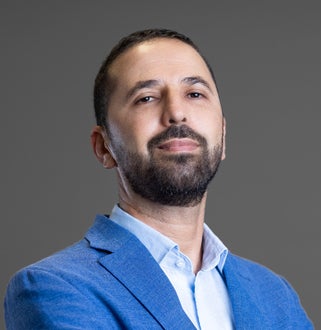
Dr. Adel Elomri
Associate Professor
Dr. Adel Elomri
Associate Professor
Educational Qualifications
PhD in Industrial Engineering
MSc in Industrial Engineering
Entity
College of Science and Engineering
Division
Engineering Management & Decision Sciences
Biography
Dr. Adel Elomri is an Associate Professor in the Division of Engineering Management and Decision Sciences at the College of Science and Engineering, Hamad Bin Khalifa University. He holds a PhD and MSc with highest honors in supply chain and operations management from École Centrale Paris (CentraleSupélec), France, and a BS with highest honors in industrial engineering from the National Engineering School of Tunis (ENIT), Tunisia.
Dr. Adel Elomri is a scholar in operations management and supply chains, with expertise and research interests at the intersection of operations research, economics, and sustainability. His research explores how complex supply chains can be designed and managed, and his findings have been widely published, attracting significant funding. Dr. Elomri’s work spans three key areas: sustainable supply chain management, smart supply chains, and healthcare operations management.
PhD in Industrial Engineering
École Centrale Paris (CentraleSupélec), France
2009
MSc in Industrial Engineering
École Centrale Paris (CentraleSupélec), France
2006
BSc in Industrial Engineering
National Engineering School of Tunis (ENIT), Tunisia
2005
- Sustainable supply chain
- Smart supply chain
- Healthcare operations management
Associate Professor
College of Science and Engineering, Hamad Bin Khalifa University
2022 - Present
Assistant Professor
College of Science and Engineering, Hamad Bin Khalifa University
2019 - 2022
Assistant Professor
College of Engineering, Qatar University
2012 - 2019
Postdoctoral Fellow
Industrial and Systems Engineering, University of Minnesota, United States
2010 - 2012
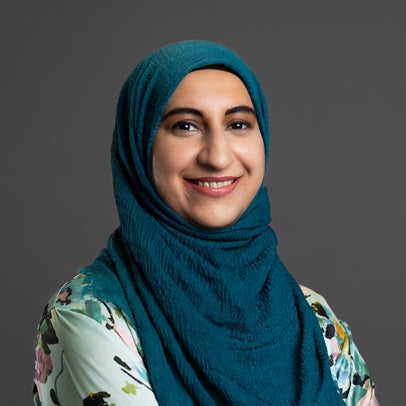
Dr. Hira Amin
Assistant Professor
Educational Qualifications
PhD in History
MSc in History of International Relations
Entity
College of Public Policy
Biography
Dr. Hira Amin is an Assistant Professor at the College of Public Policy at Hamad Bin Khalifa University. After completing her PhD in History at the University of Cambridge, she has been involved in various interdisciplinary projects. Her research interests broadly fall into two categories: the first is social, cultural, and religious transformations in the modern Muslim world; the second is social inclusion, accessibility, and disability.
She has undergone training in systems thinking, LEGO Serious Play, participatory co-design, and strategic foresight at the Institute for the Future. She is currently working on multiple research grants that utilize these various tools and methods, such as education for sustainability and global citizenship, strategic foresight in culture, identity, and education, and systems mapping the disability diagnostics landscape in Qatar.
PhD in History
University of Cambridge, United Kingdom
2017
MSc in History of International Relations
London School of Economics, United Kingdom
2012
BSc in Mathematics and Philosophy
King’s College London, United Kingdom
2008
- Modern Muslim movements
- Migration
- diaspora
- and citizenship
- Social inclusion and accessibility
- Strategic foresight
Assistant Professor
College of Public Policy, Hamad Bin Khalifa University
2021 - Present
Visiting Assistant Professor
College of Islamic Studies, Hamad Bin Khalifa University
2018 - 2021
Lecturer
University of Kent, United Kingdom
2018
Amin, H. (2022). The shifting contours of Saudi influence in Britain. In Wahhabism and the world: Understanding Saudi Arabia's global influence on Islam. Oxford University Press.
Complete Publication Listing(s): Google Scholar
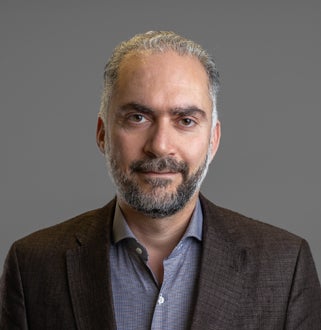
Dr. Mutaz Alkhatib
Program Director and Associate Professor of Methodology and Ethics
Dr. Mutaz Alkhatib
Program Director and Associate Professor of Methodology and Ethics
Educational Qualifications
PhD in Islamic Studies
MA in Islamic Studies
Entity
College of Islamic Studies
Division
Research Center for Islamic Legislation and Ethics (CILE)
Applied Islamic Ethics
Biography
Dr. Mutaz al-Khatib is currently Associate Professor of Methodology and Ethics at the Research Center for Islamic Legislation and Ethics (CILE), as well as the first-of-its-kind MA program in Applied Islamic Ethics at the College of Islamic Studies at Hamad Bin Khalifa University. He is a founding member of the Journal of Islamic Ethics and the Studies in Islamic Ethics book series, where he also serves as editor-in-chief of the latter. He holds a BA in Islamic Studies from Damascus (1997) and in Arabic Literature from Al-Azhar University.
Al-Khatib was a founding member of al-Multaqā al-Fikrī li-l Ibdā’ (Intellectual Forum for Innovation, 1999), and the anchor of “Al Sharia wa-l Ḥayāt” program on Al Jazeera Channel (2004 -2013). He was also the Editor-in-Chief of the "Islam and Contemporary Affairs" section on IslamOnline.net (2003-2008).
He was a visiting fellow at ZMO in Berlin (2006) and a visiting scholar at the Forum Transregionale Studien, Berlin (2012-2013), as well as a Visiting Lecturer at the American University of Beirut, the Islamic University of Beirut, and Qatar University. He has presented lectures at various reputable academic institutions, including University of Oxford, University of Cambridge, Princeton University, University of Florida, University of California, University of Tübingen, Ludwig-Maximilians-Universität München, and Lund University.
He is a reviewer for a number of journals and has authored and edited several books and over 40 academic articles on Ḥadīth criticism, Islamic Ethics, Islamic intellectual history, Maqāṣid (the higher objectives of Sharia), and Islamic Law. He has also published extensively in Arabic-language newspapers and magazines.
PhD in Islamic Studies
Omdurman Islamic University, Sudan
2009
MA in Islamic Studies
Omdurman Islamic University, Sudan
2002
BA in Arabic Literature
Al-Azhar University, Egypt
1998
BA in Islamic Studies
Omdurman Islamic University, Sudan
1997
- Islamic ethics
- Ḥadīth criticism
- Islamic jurisprudence
- Islamic intellectual history
- The higher objectives of Shari'a
Program Director of MA program in Applied Islamic Ethics
College of Islamic Studies, Hamad Bin Khalifa University
2020 – Present
Associate Professor of Methodology and Ethics
College of Islamic Studies, Hamad Bin Khalifa University
2020 – Present
Assistant Professor of Methodology and Ethics
College of Islamic Studies, Hamad Bin Khalifa University
2014 – 2020
Visiting Fellow
Zentrum Moderner Orient, Berlin
2006 - 2006
Visiting Lecturer
Philosophy, American University of Beirut
2018 – 2019
Visiting Fellow
Europe in the Middle East; the Middle East in Europe (EUME), Forum Transregionale Studien, Berlin
2012 – 2013
Visiting Lecturer
College of Sharia, Qatar University
2010 – 2011
Visiting Lecturer
Islamic Studies, Islamic University of Beirut
2010 – 2010
Senior Producer, Religious & Intellectual Programs
Al Jazeera Network, Qatar
2005 – 2013
al-Khatib, M. (Ed.). (2024). Key classical works on Islamic ethics. Leiden: Brill.
Al-Khatib, M. (2017). Al-ʿunf al-mustabāḥ: Al-sharīʿa fī muwājahat al-umma wa-l-dawla (Violence made permissible: ‘Sharia’ versus the people and the state). Cairo: Dār al-Mashriq.
Al-Khatib, M. (2011). Radd al-ḥadīth min jihat al-matn: Dirāsa fī manāhij al-muḥaddithīn wa-l-uṣūliyyīn (Matn criticism: A study of the methods of traditionists and jurists). Beirut: Arab Network for Studies and Publishing.
Complete Publication Listing(s): HBKU Academia
- Principal Investigator: “Indigenizing Genomics in the Gulf Region (IGGR): The Missing Islamic Bioethical Discourse,” Qatar National Research Fund (QNRF), NPRP program (2016–2019)
- Principal Investigator: “Islam ChatGPT,” The Qatar Research, Development, and Innovation Council (QRDI).
- Project Co-Lead: “Islamic Media Ethics in the Digital Age: AI-Powered Solutions for Combating Misinformation and Promoting Constructive Cross-Cultural Dialogue,” Signature Research Grant 3rd Cycle, HBKU.

Dr. Joseph Lumbard
Associate Professor of Quranic Studies
Dr. Joseph Lumbard
Associate Professor of Quranic Studies
Educational Qualifications
PhD in Islamic Studies
M.Phil in Religious Studies
Entity
College of Islamic Studies
Program
Master of Arts in Contemporary Islamic Studies
Division
Islamic Studies
Biography
Dr. Joseph Lumbard is Associate Professor of Quranic Studies at CIS. He has previously taught at the American University of Sharjah, Brandeis University, and the American University in Cairo. He also served as Advisor for Interfaith Affairs to the Jordanian Royal Court. He received his PhD in Islamic Studies from Yale University and has studied with scholars in Morocco, Egypt, Yemen, Jordan, and Iran. His scholarship contributes to the fields of Islamic philosophical theology, Sufism, and Quranic studies. He served as author, translator, and general editor for The Study Quran (HarperOne 2015), which has been heralded as one of the most important contributions to Islamic studies in the English language. His current research incorporates aspects of Quranic studies, philosophy, and theology to focus upon the development of epistemologies in Islam.
PhD in Islamic Studies
Yale University
2003
M.Phil in Religious Studies
Yale University
2001
MA in Religious Studies
George Washington University
1995
BA in English Literature and Religious Studies
George Washington University
1993
- Qur'anic studies
- Islamic philosophy
- Sufism
- Decolonial and postcolonial studies
- Islam and the environment
Associate Professor of Quranic Studies
College of Islamic Studies, Hamad Bin Khalifa University
2018 – Present
Associate Professor
Department of Arabic and Translation Studies, American University of Sharjah
2015 – 2018
Chair of Islamic and Middle Eastern Studies
Brandeis University, Waltham, MA, USA
2007 – 2015
Assistant Professor
Classical Islam, Near Eastern and Judaic Studies Department, Brandeis University, Waltham, MA, USA
2006 – 2015
Advisor for Interfaith Affairs
The Royal Hashemite Court of Jordan, Jordan
2005 – 2006
Arabic Literature Unit Head
American University of Cairo, Egypt
2004 – 2005
Assistant Professor of Arab and Islamic Studies
American University of Cairo, Egypt
2003 – 2005
Lumbard, J.E.B. (2024). Islam and the challenge of epistemic sovereignty. Religions, 15(4), 406.
Lumbard, J.E.B. (2022). Decolonizing Qurʾanic studies. Religions, 13(2), 176.
Nasr, S.H., Dagli, C.K., Dakake, M.M., Lumbard, J.E.B. & Rustom, M. (2017). The Study Quran: A new translation and commentary. HarperCollins Publishers.
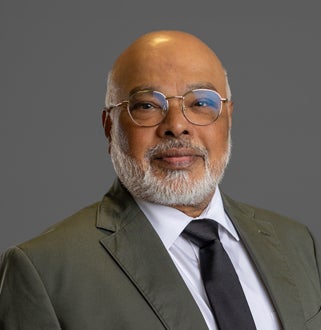
Prof. Dheen Mohamed M Meerasahibu
Program Director and Professor of Comparative Religion and Contemporary Quranic Studies
Prof. Dheen Mohamed M Meerasahibu
Program Director and Professor of Comparative Religion and Contemporary Quranic Studies
Educational Qualifications
PhD in Theology and Philosophy
MA in Theology and Philosophy
Entity
College of Islamic Studies
Program
PhD in Islamic Studies
Division
Muhammad Bin Hamad Al Thani Center for Muslim Contribution to Civilization (CMCC)
Islamic Studies
Biography
Dr. Dheen Mohamed is Program Director of the PhD program in Islamic Studies and Professor of Comparative Religion and Contemporary Quranic Studies at the College of Islamic Studies (CIS), Hamad Bin Khalifa University (HBKU). He earned his BA (Hons.), MA, and PhD in Theology and Philosophy from al‑Azhar University. Before joining HBKU in 2013, he served as Professor and Associate Dean for Academic Affairs at Qatar University (QU) and held senior academic roles as Dean, HoD, and Director of Academics at the International Islamic University, Islamabad (IIUI). His teaching and research span comparative religion, Sufism (taṣawwuf), contemporary Qur’anic studies, Islamic philosophy, and Islamic thought. Recent publications include the chapter “Introduction to Islam” in Contemporary Islamic Perspectives in Public Health (Cambridge University Press, 2025), and peer‑reviewed articles in Afkar (2024) and the Journal of Islamic Thought and Civilization (2024). He has supervised more than 35 graduate theses and contributed to curriculum design at IIUI, QU, and HBKU. At CIS, he works at Muhammad Bin Hamad Al Thani Center for Muslim Contribution to Civilization (CMCC) and contributes to the Digital Sīrah Initiative.
PhD in Theology and Philosophy
Al-Azhar University
1988
MA in Theology and Philosophy
Al-Azhar University
1982
BA (Hons.) in Theology and Philosophy
Al-Azhar University
1978
Maulavi (Aalim)
Eastern Arabic College, Addalachenai, Sri Lanka
1973
- Comparative religion
- Sufism and comparative mysticism
- Contemporary Qur’anic studies
- Islamic philosophy (religion modernity engagements)
- Comparative theology
Program Director of PhD in Islamic Studies
College of Islamic Studies, Hamad Bin Khalifa University
2024 – Present
Professor of Comparative Religion
Muhammad Bin Hamad Al Thani Center for Muslim Contribution to Civilization (CMCC), CIS, HBKU
2013 – Present
Professor of Comparative Religion, Head, Department of Dawa and Islamic Culture
College of Shariah and Islamic Studies, Qatar University
2009 – 2013
Associate Dean for Academic Affairs
College of Sharia and Islamic Studies, Qatar University
2007 – 2013
Associate Professor
Department of Dawa and Islamic Culture, College of Shariah and Islamic Studies, Qatar University
2004 – 2009
Head of Department of Dawah and Islamic Culture
College of Sharia and Islamic Studies, Qatar University
2004 – 2007
Dean FUD and Associate Professor
Department of Comparative Religion, Faculty of Usuluddin (FUD), International Islamic University Islamabad (IIUI)
2002 – 2004
Director of Academic Affairs
International Islamic University Islamabad (IIUI)
2001 – 2003
Dean of Students Affairs
International Islamic University Islamabad (IIUI)
2001 – 2002
Assistant Professor
Department of Comparative Religion, Faculty of Usuluddin (Islamic Studies), International Islamic University Islamabad (IIUI)
1990 – 2001
Lecturer
Islamic Research Academy, Al-Azhar University, Egypt
1989 – 1990
Lecturer
Department of Cultural Studies, Eastern University, Sri Lanka
1988 – 1989
Teacher
Government Secondary School, Sri Lanka
1974 – 1976
Meerasahibu, D. M. M. (2025). Al-Ḥadāthiyyah wa-taḥaddiyātuhā fī al-tafsīr al-Qurʾānī wa-dawr al-Azhar fī muwājahatihā 2 vols. (pp. 480). Cairo: Islamic Research Academy, al-Azhar University.
دين محمد. (2024). "الإيمان والعبادة بين الوحدة الفطرية والتعددية التصويرية: رؤية أكبرية" مجلة الدراسات الإسلامية، مجمع البحوث الإسلامية، الجامعة الإسلامية العالمية بإسلام آباد، باكستان، يوليو 2024.
Dr. Fares Al-Ejeh
Senior Scientist
Educational Qualifications
Bachelor of Biotech (Honours)
Ph.D. (Cancer Biology)
Entity
Qatar Biomedical Research Institute
Division
Translational Oncology Research Center
Biography
Associate Professor Fares Al-Ejeh was awarded his Bachelor of Biotechnology degree, and his PhD from the University of Wollongong (NSW, Australia). His first post-doctoral position was industry-funded by Oncaidia Ltd at the Royal Adelaide Hospital/Hanson Institute. .
After five years in industry-oriented research, Dr. Al-Ejeh started his academic career at one of Australia's largest research institutes, the QIMR Berghofer Medical Research Institute. At QIMR, he established his own group, Personalised Medicine, in 2015. His track record includes two granted patents on Apomab and five submitted patent applications undergoing evaluation. He has more than 50 peer-reviewed publications focusing on cancer diagnostics and therapeutics with focus on translational medical research.
Dr. Al-Ejeh has contributed as a keynote speaker at several conferences and as a member of several panels for grant reviews in Australia and internationally. He is an Associate Member of the Australian Academy of Health and Medical Sciences (AAHMS) and an adjunct Associate Professor at the Faculty of Medicine, University of Queensland, Australia in recognition of his teaching and supervision of postgraduate students.
Bachelor of Biotech (Honours)
University of Wollongong (NSW/Australia)
2001
Ph.D. (Cancer Biology)
University of Wollongong (NSW/Australia)
2005
- Personalized/Precision Oncology
- Multi-omics
- Novel Biomarkers and Drug Targets
- Breast Cancer
Senior Scientist
Qatar Biomedical Research Institute/HBKU, Translational Oncology Research Center. Doha, Qatar.
2020 - present
Team Head (Faculty) and Senior Research Fellow
QIMR Berghhofer Medical Research Institute. Brisbane, Australia
2010 - 2019
Senior Researcher and Chief Scientific Officer
Oncaidia Ltd. and the Royal Adelaide Hospital, Hanson Institute. Adelaide, Australia
2005 - 2009
Prognostic tools and candidate drugs based on plasma proteomics of patients with severe COVID-19 complications. Nature Communications. 2022; 13, 946. https://doi.org/10.1038/s41467-022-28639-4 https://www.nature.com/articles/s41467-022-28639-4
Epigenome erosion and SOX10 drive neural crest phenotypic mimicry in triple-negative breast cancer. NPJ Breast Cancer. 2022;8(1):57. https://doi.org/10.1038/s41523-022-00425-x https://pubmed.ncbi.nlm.nih.gov/35501337/
G9a Inhibition Enhances Checkpoint Inhibitor Blockade Response in Melanoma. Clin Cancer Res. 2021;27(9):2624-2635. https://doi.org/10.1158/1078-0432.CCR-20-3463https://pubmed.ncbi.nlm.nih.gov/33589432/
A short ERK5 isoform modulates nucleocytoplasmic shuttling of active ERK5 and associates with poor survival in breast cancer. bioRxiv 2021.03.23.436061; https://doi.org/10.1101/2021.03.23.436061 https://www.biorxiv.org/content/10.1101/2021.03.23.436061v1.abstract
G9a-mediated repression of CDH10 in hypoxia enhances breast tumour cell motility and associates with poor survival outcome. Theranostics. 2020;10(10):4515-4529. Published 2020 Mar 15. https://doi.org/10.7150/thno.41453 https://pubmed.ncbi.nlm.nih.gov/32292512/
Differential gene expression of tumor-infiltrating CD8+ T cells in advanced versus early-stage colorectal cancer and identification of a gene signature of poor prognosis. J Immunother Cancer. 2020;8(2):e001294. https://doi.org/10.1136/jitc-2020-001294 https://pubmed.ncbi.nlm.nih.gov/32948653/
Differential gene expression of tumor-infiltrating CD4+ T cells in advanced versus early stage colorectal cancer and identification of a gene signature of poor prognosis. Oncoimmunology. 2020;9(1):1825178. Published 2020 Sep 30. https://doi.org/10.1080/2162402X.2020.1825178 https://pubmed.ncbi.nlm.nih.gov/33101776/
Clinicopathologic significance of nuclear HER4 and phospho-YAP(S127) in human breast cancers and matching brain metastases. Ther Adv Med Oncol. 2020;12:1758835920946259. https://doi.org/10.1177/1758835920946259 https://pubmed.ncbi.nlm.nih.gov/33014146/
Genome-wide association and transcriptome studies identify target genes and risk loci for breast cancer. Nature Communications, 2019;10(1):1741. https://www.ncbi.nlm.nih.gov/pubmed/30988301
Secreted cellular prion protein binds doxorubicin and correlates with anthracycline resistance in breast cancer. JCI Insight, 2019;5. pii: 124092. https://www.ncbi.nlm.nih.gov/pubmed/30830863
EphA3 Pay-Loaded Antibody Therapeutics for the Treatment of Glioblastoma. Cancers (Basel), 2018 ;10(12). pii: E519. https://www.ncbi.nlm.nih.gov/pubmed/30562956
A transcriptome-wide association study of 229,000 women identifies new candidate susceptibility genes for breast cancer. Nature Genetics, 2018; 50(7):968-978. https://www.ncbi.nlm.nih.gov/pubmed/29915430
Characterization of a novel breast cancer cell line derived from a metastatic bone lesion of a breast cancer patient. Breast Cancer Res Treat, 2018;170(1):179-188. https://www.ncbi.nlm.nih.gov/pubmed/29468485
Multidimensional phenotyping of breast cancer cell lines to guide preclinical research. Breast Cancer Res Treat, 2018;167(1):289-301. https://www.ncbi.nlm.nih.gov/pubmed/28889351
Long Noncoding RNAs CUPID1 and CUPID2 Mediate Breast Cancer Risk at 11q13 by Modulating the Response to DNA Damage. American Journal of Human Genetics, 2017;101(2):255-266. https://www.ncbi.nlm.nih.gov/pubmed/28777932
RAD51 inhibition in triple negative breast cancer cells is challenged by compensatory survival signaling and requires rational combination therapy. Oncotarget, 2016, 13;7(37):60087-60100. https://www.ncbi.nlm.nih.gov/pubmed/27507046
Meta-analysis of the global gene expression profile of triple-negative breast cancer identifies genes for the prognostication and treatment of aggressive breast cancer. Oncogenesis, 2014;3:e100. https://www.ncbi.nlm.nih.gov/pubmed/24752235
Gemcitabine and CHK1 inhibition potentiate EGFR-directed radioimmunotherapy against pancreatic ductal adenocarcinoma. Clinical Cancer Research, 2014;20(12):3187-97. https://www.ncbi.nlm.nih.gov/pubmed/24838526
Kinome profiling reveals breast cancer heterogeneity and identifies targeted therapeutic opportunities for triple negative breast cancer. Oncotarget, 2014;5(10):3145-58. https://www.ncbi.nlm.nih.gov/pubmed/24762669
Postchemotherapy and tumor-selective targeting with the La-specific DAB4 monoclonal antibody relates to apoptotic cell clearance. Journal of Nuclear Medicine, 2014;55(5):772-9. https://www.ncbi.nlm.nih.gov/pubmed/24676755
Treatment of triple-negative breast cancer using anti-EGFR-directed radioimmunotherapy combined with radiosensitizing chemotherapy and PARP inhibitor. Journal of Nuclear Medicine, 2013;54(6):913-21. https://www.ncbi.nlm.nih.gov/pubmed/23564760
All publications at https://www.ncbi.nlm.nih.gov/pubmed/?term=al-ejeh
- 2016 - Certificate of Excellence in Reviewing, Oncology Reports Journal - Spandidos Publications (Athens/Greece)
- 2016 - Commendation Letter for Outstanding Contribution to Institutional Animal Ethics Committee, QIMRB Medical Research Institute (Brisbane, Australia)
- 2016 - Outstanding External Assessor Contribution to NH&MRC Honour Roll 2016, Australian National Health & Medical Research Council (Canberra, Australia)
- 2014 - Commendation Letter for insightful oral presentation as a keynote speaker at the Australian and New Zealand Society of Nuclear Medicine, Australian and New Zealand Society of Nuclear Medicine (ANZSNM, Australia)
- 2008 - Asia-Pacific Frost & Sullivan Technology Innovation Award For APOMAB innovation in Oncaidia Ltd., Frost & Sullivan (Santa Clara, California)
- 2003 - ASMR Young Investigator Award, Australian Society for Medical Research (ASMR, Australia)
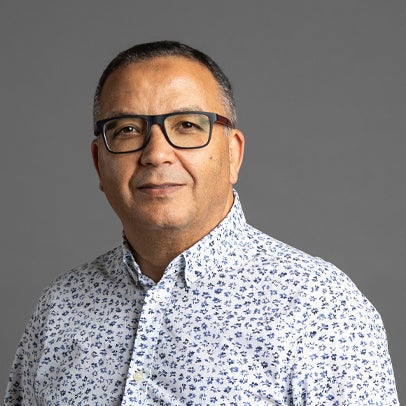
Dr. Mahmoud Naas
Research Grant Manager
Phone
66 980 238Office location
Office # 1360 Segment 6, Building 2 HBKU Research Complex
Dr. Mahmoud Naas
Research Grant Manager
Educational Qualifications
PhD
MSc
Entity
Qatar Biomedical Research Institute
Division
Management
Biography
Mahmoud Naas has been in the medical research field and academia for more than 30 years. .
He was previously an associate professor at Qatar University’sCollege of Health Sciences, where he developed and delivered a variety of courses.
As a scientist, Professor Naas’ research activity is an integral part of his academic role; his research has generated several peer reviewed publications, as well as poster presentations at national and international conferences.
PhD
Reading - United Kingdom
1992
MSc
Reading - United Kingdom
1986
BSc
The Higher Institute of Technology, Brack - Libya
1983
- The development of new method for Haemoglobinopathy Screening –all single
- Non-invasive early pregnancy screening for maternal and fetal wellbeing
- such as Preeclampsia
- Ectopic Pregnancy
- Gestational Diabetes and Fetal Aneuploidy T21 Down Syndrome.
- Cancer-Early diagnosis and monitoring.
Associate Professor
Community College Qatar (CCQ), Doha - Qatar
2018 - 2019
Project Manager
Map Sciences Ltd, Bedford - United Kingdom
2016 - 2018
Associate Professor
Qatar University, Doha - Qatar
2013 - 2016
Senior Lecturer
Middlesex University, London _ United Kingdom
2004 - 2013
Tissue Bank Manager
Queen Mary University, London – UK
2001 - 2004
Future Laboratory Medicine: Rapid, Efficient and Affordable Screening for Haemoglobinopathies by MALDI-ToF Mass Spectrometry. Adv Biochem Biotehcnol (in press)
Novel insights into the expression of CGB1 & 2 genes by epithelial cancer cell lines secreting ectopic free hCGβ. Anticancer Research 34:2239-2248
No evidence for the involvement of XMRV or MCV in the pathogenesis of breast cancer British Journal of Cancer 106:1166 – 1170
Human Papilloma Viruses Infections in Sporadic Benign Prostatic Hyperplasia and Prostate Cancer Journal of Pathology 226: S14-
GLI1 induces a basal-like phenotype that confers androgen independence upon LNCaP prostate cancer cells. PLoS One. ;6 (5)
Association between Large-scale Genomic Homozygosity without Chromosomal Loss and Nonseminomatous Germ Cell Tumor Development. Cancer Res 65: 9137-9141
- 1997; Research Fellowship; Joint Research Board, St Bartholomew’s Hospital; London – United Kingdom

Dr. Ramesh Elango
Postdoctoral Researcher
Dr. Ramesh Elango
Postdoctoral Researcher
Educational Qualifications
PhD in Biochemistry
MSc in Biochemistry
Entity
Qatar Biomedical Research Institute
Division
Translational Oncology Research Center
Biography
Dr. Ramesh Elango is a Postdoctoral Researcher at Qatar Biomedical Research Institute’s Translational Oncology Research Center. He earned his PhD from Bharathidasan University, India, where he researched the anti-atherogenic effects of epigallocatechin gallate from green tea. His work demonstrated that EGCG protects against oxidative damage, reduces inflammation, and regulates key genes involved in cholesterol metabolism. Dr. Ramesh Elango is an expert in advanced techniques such as CRISPR/Cas9-based functional genomics, RNA sequencing, and the profiling of microRNAs and long noncoding RNAs (lncRNAs).
He later completed postdoctoral studies at King Saud University, Saudi Arabia, where his work led to the discovery of a miRNA-based molecular signature associated with lymph node metastasis in breast cancer. His research focuses on pioneering cancer therapies and identifying novel molecular biomarkers. With over a decade of experience in cancer research, his contributions have been pivotal in identifying therapeutic targets in aggressive cancer subtypes, particularly triple-negative breast cancer (TNBC). He emphasizes the translation of molecular discoveries into clinical applications. Dr. Elango has published over 30 peer-reviewed research articles and book chapters, contributing significantly to the field of oncology.
PhD in Biochemistry
Bharathidasan University, India
2009
MSc in Biochemistry
Periyar University, India
2003
BSc in Biochemistry
Periyar University, India
2001
- Exploring molecular signatures for predicting pathological complete response to Neoadjuvant therapy in breast cancer
- Utilizing transcriptomic profiling for insights into breast cancer diagnosis
- prognosis
- and therapeutic approaches
- Applying CRISPR-Cas9 genomic screens to uncover novel therapeutic vulnerabilities and mechanisms of chemotherapy resistance in breast cancer
- Investigating miRNA and lncRNA signatures in triple-negative breast cancer (TNBC) for understanding treatment resistance and tumorigenicity
Postdoctoral Researcher
Qatar Biomedical Research Institute, Hamad Bin Khalifa University
2019 - Present
Assistant Research Professor
Stem Cell Unit, King Saud University, Saudi Arabia
2016 - 2019
Biotechnology Application Specialist
Asila-Riyadh Company, Saudi Arabia
2012 - 2016
Postdoctoral Researcher
Food Science and Nutrition, King Saud University, Saudi Arabia
2009 - 2012
Elango, R., Vishnubalaji, R., Rashid, S., Al-Sarraf, R., Akhtar, M., Ouararhni, K., & Alajez, N. M. (2024). Long noncoding RNA profiling unveils LINC00960 as an unfavorable prognostic biomarker promoting triple-negative breast cancer progression. Cell Death Discovery, 10(1), 333.
Elango, R., Rashid, S., Vishnubalaji, R., Al-Sarraf, R., Akhtar, M., Ouararhni, K., Decock, J., Albagha, O. M. E., & Alajez, N. M. (2023). Transcriptome profiling and network enrichment analyses identify subtype-specific therapeutic gene targets for breast cancer and their microRNA regulatory networks. Cell Death & Disease, 14(1), 415.
Elango, R., Vishnubalaji, R., Shaath, H., & Alajez, N. M. (2021). Transcriptional alterations of protein-coding and noncoding RNAs in triple-negative breast cancer in response to DNA methyltransferases inhibition. Cancer Cell International.
Elango, R., Vishnubalaji, R., Shaath, H., & Alajez, N. M. (2021). Molecular subtyping and functional validation of TTK, TPX2, UBE2C, and LRP8 in sensitivity of TNBC to paclitaxel. Molecular Therapy - Methods & Clinical Development, 20, 601–614.
Elango, R., Alsaleh, K. A., Vishnubalaji, R., Manikandan, M., Ali, A. M., Abd El-Aziz, N., Altheyab, A., Al-Rikabi, A., Alfayez, M., Aldahmash, A., & Alajez, N. M. (2020). MicroRNA expression profiling on paired primary and lymph node metastatic breast cancer revealed a distinct microRNA profile associated with LNM. Frontiers in Oncology.
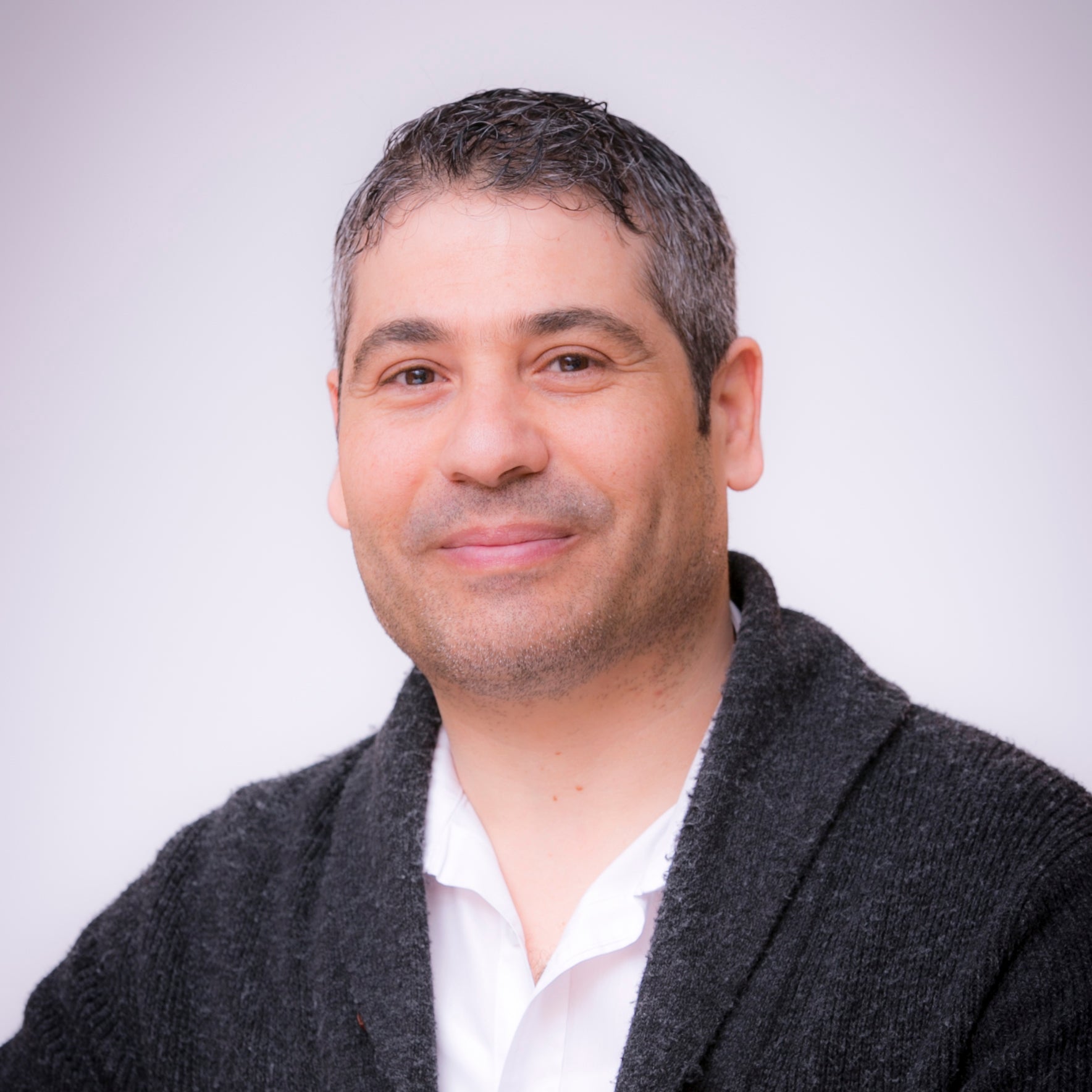
Dr. Afif Ben Mahmoud
Senior Research Associate
Dr. Afif Ben Mahmoud
Senior Research Associate
Educational Qualifications
PhD (Molecular and Human Genetics)
MSc in Genetics and Biodiversity
Entity
Qatar Biomedical Research Institute
Division
Neurological Disorders Research Center
Biography
Dr. Afif Ben Mahmoud is an accomplished geneticist and genome data analyst with extensive expertise in human molecular genetics. He earned an engineering degree in agriculture and animal production, a master's in genetics and biodiversity, and a PhD in molecular and human genetics. With over 12 years of experience in research and academia, Dr. Ben-Mahmoud has dedicated his work to elucidating cellular and molecular mechanisms underlying human genetic diseases, focusing on identifying disease genes and mutations responsible for rare recessive disorders, particularly in Arab populations.
His professional contributions in genetic pathology span from phenotypic and genotypic characterization of patients with monogenic diseases to functional studies aimed at demonstrating the pathogenicity of disease-causing novel genes and gene variations. He has also led numerous projects to decode rare human monogenic diseases, significantly advancing the field.
Dr. Afif Ben Mahmoud’s notable accomplishments include the first functional analysis of B3GALTL in Tunisian patients with Peters Plus Syndrome, the identification of MAST1 as a novel intellectual disability gene, and confirming the role of B3GALT6 in Al-Gazali Syndrome. Additionally, he has identified 16 autosomal dominant candidate genes in syndromic neurodevelopmental disorders and new candidate loci for intellectual disability and Kallmann syndrome. Dr. Ben-Mahmoud has published 25 high-quality articles in renowned international peer-reviewed journals, with over 500 citations and an h-index of 14.
PhD (Molecular and Human Genetics)
Sfax University, Tunisia
2015
MSc in Genetics and Biodiversity
Monastir University, Tunisia
2009
Engineering in Agriculture and Animal Production
Carthage University, Tunisia
2007
- Identification of novel disease genes and their pathogenic variants in autism and human monogenic diseases in Qatar.
- Investigation of genetic diversity and recessive disorders in Arab populations in Qatar.
- Functional validation of novel genes associated with intellectual disability and autism spectrum disorder in the Qatari population.
- Elucidation of cellular and molecular mechanisms in syndromic neurodevelopmental disorders in Qatar.
Senior Research Associate
Qatar Biomedical Research Institute, Hamad Bin Khalifa University
2019 - present
PostDoc Researcher
College of Medicine & Health Sciences, United Arab Emirates University, UAE
2016 - 2018
Ben-Mahmoud, A., Gupta, V., Kim, C.-H., Layman, L. C., & Kim, H.-G. (2023). Digenic or oligogenic mutations in presumed monogenic disorders: A review. Journal of Genetic Medicine, 20(1), 15–24.
- 2018; Researchers at UAEU develop cell lines with gene-editing technology CRISPR-Cas9 used to understand diseases

Dr. Yongsoo Park
Senior Scientist
Associate Professor
Dr. Yongsoo Park
Senior Scientist
Associate Professor
Educational Qualifications
PhD in Molecular Neurobiology
BS in Life Science
Entity
Qatar Biomedical Research Institute
College of Health and Life Sciences
Biography
Dr. Yongsoo Park is an Associate Professor at the College of Health and Life Sciences and a Senior Scientist at Qatar Biomedical Research Institute. He received PhD in investigating exocytosis and plasticity of vesicle fusion at the Pohang University of Science and Technology (POSTECH), South Korea.
After completing his PhD degree in 2009, he worked as a Postdoctoral Researcher at the Max Planck Institute for Biophysical Chemistry, Göttingen, Germany, being trained by a mentor Prof. Reinhard Jahn, a world-renowned scientist by his pioneering research into fusion and neurotransmitter release. In 2015, he was appointed as an Assistant Professor at the Izmir International Biomedicine and Genome Institute where he joined the Department of Molecular Biology and Genetics at the Koç University, Istanbul, Turkey.
In 2019 Dr. Park moved to the Qatar Biomedical Research Institute (QBRI) and is coaffiliated at the College of Health and Life Sciences aiming to model neurological disease with patient-specific hiPSC-derived neurons. His lab focuses on extracellular vesicle biomarkers for autism spectrum disorder (ASD), Parkinson’s disease, and Alzheimer's disease. He also studies lipid dysregulation in neurological disease conditions with a focus on calcium signaling and vesicle fusion. By applying interdisciplinary approaches, his team investigates molecular mechanisms of neurological disorders and the development of therapeutics.
PhD in Molecular Neurobiology
Pohang University of Science and Technology (POSTECH), South Korea
2002 - 2009
BS in Life Science
Handong Global University, South Korea
1996 - 2001
- Exosome and extracellular vesicle (EV) biomarkers for neurological disorders including autism spectrum disorder (ASD).
- Use of neuronal differentiation of human induced pluripotent stem cells (hiPSC) as a disease model of ASD
- Alzheimer's disease
- and Parkinson’s disease.
- Lipid dysregulation in neurological disease condition with a focus on vesicle fusion.
- Molecular mechanisms of neuronal degeneration in neurological disorders and microRNA exocytosis in health and disease.
Senior Scientist
Qatar Biomedical Research Institute, Hamad Bin Khalifa University
2024 - Present
Associate Professor
College of Health and Life Sciences, Hamad Bin Khalifa University
2024 - Present
Scientist
Qatar Biomedical Research Institute, Hamad Bin Khalifa University
2019 - 2024
Assistant Professor
College of Health and Life Sciences, Hamad Bin Khalifa University
2019 - 2024
Assistant Professor
Molecular Biology and Genetics, Koç University, Turkey
2017 - 2019
Assistant Professor
Izmir International Biomedicine and Genome Institute, Turkey
2015 - 2017
Postdoctoral Researcher
Max Planck Institute for Biophysical Chemistry, Germany
2009 - 2015
Ali Moussa, H. Y., Shin, K. C., & Park, Y. (2025). Ca2+/calmodulin and protein kinase C (PKC) reverse the vesicle fusion arrest by unmasking PIP2. Science Advances.
Shin, K. C., Ali Moussa, H. Y., & Park, Y. (2024). Cholesterol imbalance and neurotransmission defects in neurodegeneration. Experimental & Molecular Medicine, 56(8), 1685–1690.
Ali Moussa, H. Y., Shin, K. C., Ponraj, J., Park, S. H., Lee, O. S., Mansour, S., & Park, Y. (2024). PIP2 is an electrostatic catalyst for vesicle fusion by lowering the hydration energy: Arresting vesicle fusion by masking PIP2. ACS Nano, 18(20), 12737–12748.
Shin, K. C., Ali, G., Ali Moussa, H. Y., Gupta, V., de la Fuente, A., Kim, H. G., Stanton, L. W., & Park, Y. (2023). Deletion of TRPC6, an autism risk gene, induces hyperexcitability in cortical neurons derived from human pluripotent stem cells. Molecular Neurobiology, 60(12), 7297–7308.
Ali Moussa, H. Y., Shin, K. C., Ponraj, J., Kim, S. J., Ryu, J. K., Mansour, S., & Park, Y. (2023). Requirement of cholesterol for calcium-dependent vesicle fusion by strengthening synaptotagmin-1-induced membrane bending. Advanced Science, 10(15), e2206823.
Complete Publication Listing(s): NCBI
- Member, International Advisory Board of the International Symposium on Chromaffin Cell Biology (ISCCB) (2023).
- Best faculty/researcher poster award, second place, the 1st HBKU Research Day (7.Sep.2022).
- Member, EMBO Young Investigator Programme (YIP) as an EMBO Installation Grantee (2016-2020).
- Science Academy’s Young Scientist Awards Program (BAGEP), Bilim Akademisi, Turkey (27. 04. 2017).
- Research fellowship for post-doctoral researcher, Alexander von Humboldt Foundation (2010 – 2012).