 Apply Now
Manal Alsalama
Research Associate
Educational Qualifications
PhD in Sustainable Energy
Master's Degree in Materials Science and Technology
Entity
Qatar Environment and Energy Research Institute
Biography
Dr. Manal Alsalama is a Research Associate at the Qatar Environment and Energy Research Institute (QEERI). Manal holds a Bachelor’s degree in Physics from King Saud University in Saudi Arabia and a Master’s degree in materials science and technology from Qatar University. She obtained her Ph.D. in sustainable energy from Hamad Bin Khalifa University. Her research focuses on the development of nano-bulk and nanocomposites thermoelectric materials for energy conversion applications. She has experience in nanomaterial synthesis and characterization.
PhD in Sustainable Energy
Hamad Bin Khalifa University, Qatar
Master's Degree in Materials Science and Technology
Qatar University
Bachelor Degree in Physics
King Saud University, Saudi Arabia, Riyadh
- Nano Materials Application in energy conversion applications
- Developing new generation of THz and Infrared detectors based on rectenna principal
- Molecular electronic devices based on self-assembled monolayer
- Surface analysis
Research Associate
QEERI
2021 - Present
Graduate Trainee
QRLP Science track, Qatar Foundation
2012 - 2021
Physics Teacher
Secondary Independent Schools
2008 - 2012
Enhancement of Thermoelectric Properties of Layered Chalcogenide Materials
The effect of graphene structural integrity on the power factor of tin selenide nanocomposite
- Best Poster Award at QU Research Forum in Materials Science category poster competition 2014
- Academic Excellence Award, Education Excellence Day 2006
- University First Class Honors: King Saud University 2005
Dr. Usaama Al-Azami
Assistant Professor of Islamic Studies
Dr. Usaama Al-Azami
Assistant Professor of Islamic Studies
Educational Qualifications
PhD in Near Eastern Studies
MA in Near Eastern Studies
Entity
College of Islamic Studies
Division
Islamic Studies
Biography
Dr. Usaama al-Azami is an Assistant Professor of Islamic Studies at the College of Islamic Studies. He earned his BA in Arabic and Islamic Studies at the University of Oxford, his ʿālimiyya at the Al-Salam Institute, and his MA and PhD in Near Eastern Studies at Princeton University.
His interests lie in Islamic intellectual history, with a particular focus on diachronic transformations in Islamic political thought. His first book, Islam and the Arab Revolutions (Oxford University Press, 2022), examines the way in which influential Islamic scholars responded to the Arab uprisings of 2011 through 2013. He is currently working on a monograph project that explores the question of takfir or excommunication and its diachronic developments from early Islam to modernity.
Dr. Al-Azami's PhD thesis, the chapters of which he is preparing for publication, is entitled "Modern Islamic Political Thought: Islamism in the Arab World from the Late Twentieth to the Early Twenty-first Centuries." In it, he explores how Arab ulama of a mainstream "Islamist" orientation have engaged Western political concepts such as democracy, secularism, and the nation-state, selectively adapting and assimilating aspects of these ideas into their understandings of Islam. Dr. Al-Azami's broader interests extend to a range of disciplines from the Islamic scholarly tradition from the earliest period of Islam up to the present.
PhD in Near Eastern Studies
Princeton University, United States
2018
MA in Near Eastern Studies
Princeton University, United States
2013
BA in Arabic and Islamic Studies
University of Oxford, United Kingdom
2008
- Islamic intellectual history
- Fiqh and legal theory
- Islamic politics and political theory
- Methodological issues in Islamic studies
Assistant Professor
College of Islamic Studies, Hamad Bin Khalifa University
2025 – Present
Assistant Professor
Faculty of Religion and Theology, Vrije Universiteit Amsterdam, The Netherlands
2023 – 2025
Departmental Lecturer
Faculty of Asian and Middle Eastern Studies, University of Oxford, United Kingdom
2019 – 2023
Lecturer
Department of Islamic Studies, Markfield Institute, United Kingdom
2016 – 2019
Complete Publication Listing(s): Google Scholar
Dr. George Mikros
Professor
Phone
+974 44540920Office location
C.01.030, First Floor, Minaretein Building
Dr. George Mikros
Professor
Educational Qualifications
Ph.D. in Linguistics, Dissertation: Sociolinguistic approach of Modern Greek phonological problems.
B.A. in Italian Language and Literature.
Entity
College of Humanities and Social Sciences
Program
Master of Arts in Digital Humanities and Societies
Division
Middle Eastern Studies Department (MESD)
Biography
George Mikros before assuming his Professor position at the MA Program of Digital Humanities at HBKU, he was Professor of Computational and Quantitative Linguistics at the University of Athens Greece. He is the director of the Computational Stylistics lab. He is also Adj. Professor at the Department of Applied Linguistics at the University of Massachusetts, Boston, USA. He had the position of Research Associate at the Institute for Language and Speech Processing and he was part of research groups that have developed significant language resources and NLP tools for Modern Greek. Since 1999 holds the position of Teaching Associate at the Hellenic Open University and since 2016 he is the Director of the Undergraduate Program “Spanish Language and Culture”. Prof. Mikros has authored 5 monographs and more than 80 papers published in peer-reviewed journals, conference proceedings, and edited volumes. Since 2007 he has been elected as Member of the Council of the International Association of Quantitative Linguistics (IQLA). In 2018 he was elected its President. He is a keynote speaker and invited speaker in many international conferences, workshops and summer schools related to Digital Humanities and Quantitative Linguistics. His main research interests are computational stylistics, quantitative linguistics, computational linguistics, and forensic linguistics.
Ph.D. in Linguistics, Dissertation: Sociolinguistic approach of Modern Greek phonological problems.
Phonetic variation in nasal consonants, Department of Linguistics, Faculty of Philology, National and Kapodistrian University of Athens, Greece.
1992 - 1999
B.A. in Italian Language and Literature.
Department of Italian Language and Literature, Aristotelian University of Thessaloniki, Greece.
1987 - 1991
- Computational Stylistics
- Quantitative Linguistics
- Computational Linguistics
- Forensic Linguistics
Core Editor of the International Journal of Digital Humanities published by Springer.
https://www.springer.com/journal/42803/updates/19892272
2021
Visiting Researcher
Department of Linguistic and Literary Studies (DiSLL) Università Degli Studi di Padova, Italy.
2018
Director of the Computational Stylistics Laboratory
Department of Italian Language and Literature, School of Philosophy, National and Kapodistrian University of Athens, Greece.
2017 - Present
Director of the Undergraduate Program “Spanish Language and Literature”
Hellenic Open University, Patras, Greece.
2016 - 2019
Visiting Researcher
Exploring Variations in Language (EVL) Laboratory. Department of Computing Science and Mathematics, Duquesne University, Pittsburgh, U.S.A.
2015
Visiting Professor
Department of Applied Linguistics, University of Massachusetts, Boston, U.S.A.
2014
Adjunct Faculty
Department of Applied Linguistics, Master of Arts Online Program, University of Massachusetts, Boston, U.S.A.
2013 - Present
Teaching Associate
Coordinator of the Linguistics Module at the Hellenic Open University, Patras, Greece.
2001 - 2019
Professor of Computational and Quantitative Linguistics
Department of Italian Language and Literature, School of Philosophy, National and Kapodistrian University of Athens, Greece.
2000 - 2019
Language and Text: Data, Models, Information, Applications. Amsterdam: John Benjamins. (ISBN 9789027210104), 275 pp.
Development and Validation of a Corpus of Written Parliamentary Questions in the Hellenic Parliament. Journal of Open Humanities Data, 7: 18, pp. 1–14. DOI: https://doi.org/10.5334/johd.45
A Modern Greek Readability Tool: Development of Evaluation Methods. In Pawłowski, A., Mačutek, J., Embleton, S. & Mikros, G., (eds). Language and Text: Data, Models, Information, Applications, (pp. 163-176). Amsterdam: John Benjamins.
The terms “immigrant”, “refugee” and “illegal immigrant” in the Questions Corpus of the Hellenic Parliament. In the Proceedings of the 13th Conference «Hellenic Language and Terminology», November 11-13, 2021, Athens, Greece.
Authorship Detection and Gender Identification in ‘fake’ proclamations using Stylometry. The case of the ‘orphan’ proclamations of the Greek Revolutionary Organization 17N. In the 15th Biennial Conference of the International Association of Forensic Linguists, Aston Institute for Forensic Linguistics (IAFL), Aston University, Birmingham, UK, September 13-16, 2021.
Does the Century matter? Machine learning methods to attribute historical periods in an Italian literary corpus. In QUALICO 2021 (postponed QUALICO 2020), Tokyo, Japan, September 9-12, 2021.
Big-Five personality author prediction in Modern Greek essays using stylometric features. In QUALICO 2021 (postponed QUALICO 2020), Tokyo, Japan, September 9-12, 2021.
Emotion and ideology in terrorist language: A case of four violent Greek groups. In 3rd ILLA Focus Conference on Forensic Linguistics, University of Alicante, September 6, 2021.
Exploring the development of written syntactic complexity in L2 Greek: The case of Spanish and Catalan L1 learners. In 54th Annual Meeting of the Societas Linguistica Europaea (SLE 2021), August 30 – September 3,2021 http://sle2021.eu/downloads/SLE%202021%20List%20of%20accepted%20papers.pdf
“#εμβόλιο. A quantitative analysis of the vaccination discourse in Greek Twitter”. In DH goes Viral Digital Workshop, April 26, 2021, https://apollonis-infrastructure.gr/2021/04/08/dh-goes-viral-digital-workshop-26-04-2021/
XtraLingua: An open-source tool for extracting quantitative text profiles. In Digital Humanities 2020, July 20 - 25, 2020, Ottawa, Canada. https://aseees.hcommons.org/deposits/item/hc:31757
#κορονοιος: analyzing tweets containing the greek coronavirus hashtag in the first month of the COVID19 pandemics. In Twitter Conference #DHgoesVIRAL (April 2, 2020) https://twitter.com/gmikros/status/1245695951764885504
Improving machine translation output of German compound and multiword financial terms: comparison with cross-linguistic data. Human-Intelligent Systems Integration, 2(1), 29-34. https://doi.org/10.1007/s42454-020-00014-y
Journal of the Association for Information Science and Technology, 70: 61-70. doi:10.1002/asi.24073
Journal of Quantitative Linguistics, DOI: 10.1080/09296174.2018.1458395
In A. Tuzzi & M. Cortelazzo (Eds.), Drawing Elena Ferrante's Profile. Workshop Proceedings,Padova, 7 September 2017 (pp. 85-95). Padova: Padova University
Towards a Blended Authorship Attribution Methodology. Paper presented at the 14th International Conference on Statistical Analysis of Textual Data (JADT 18), 15 June 2018, Rome, Italy.
In Iezzi, D., Celardo, L. and Misuraca, M. (Eds.), JADT 2018: Proceedings of the 14th International Conference on Statistical Analysis of Textual Data, (pp.165-173), Rome: UniversItalia.
Word length distribution and text length: two important factors influencing the properties of word length motifs. In H. Liu & J. Liang (Eds.), Motifs in Language and Text (pp. 151-164). Berlin: Walter de Gruyter.
Cross-Linguistic Correlations in Lexical Complexity: An Approach to Cross-Linguistic Authorship Attribution.
Personality prediction in Facebook status updates using multilevel Ngram profiles (MNP) and word features. Paper presented at QUALICO 2016, 24-28 August 2016, Trier, Germany.
Paper presented in the Digital Humanities 2016, 11-16 July, Kraków, Poland. Available at: http://dh2016.adho.org/abstracts/158.
Sentiment Analysis of Hotel Reviews in Greek: A Comparison of Unigram Features. In V. Katsoni (Ed.), Cultural Tourism in a Digital Era (pp. 373-383). New York: Springer.
Athens: Hellenic Academic Libraries Link. Available Online at http://hdl.handle.net/11419/4860
Berlin: Walter de Gruyter. (ISBN: 978-3-11-036287-9
In Mikros George & J. Mačutek (Eds.), Sequences in Language and Text (pp. 125-132). Berlin: De Gruyter.
In A. Tuzzi, M. Benešová & J. Macutek (Eds.), Recent Contributions to Quantitative Linguistics (Vol. 70, pp. 75-88). Berlin: De Gruyter.
A constructional approach to polysemy and the grammar of challenge. Cognitive Linguistics, 25(4), 655-699. doi: 10.1515/cog-2014-0060
Theoretical and methodological approaches [in Greek]. Athens: Metexmio. (ISBN: 978-960-455-524-6), 408 pp.
“Basic quantitative characteristics of the Modern Greek language using the Hellenic National Corpus”. Journal of Quantitative Linguistics, 12, pp. 167-184.
Athens: LIBRIS-TECH (ISBN: 960-8319-29-3), 150 pp.
“Word length, word frequencies, and Zipf’s law in the Greek language”. Journal of Quantitative Linguistics, 8, pp. 175-185.
Textbook for the Program of Studies “Spanish Language and Culture”, Patras: Hellenic Open University, 220 pp.
- 2017 Unmasking Elena Ferrante’s real identity using multiple author profiling methods during the International Workshop “Drawing Elena Ferrante’s Profile” organized by the FISPPA Department at the University of Padua, 7th September 2017.
- 2017 Teaching award for excellence in lecturing at IQLA-GIAT Summer School in Quantitative Analysis of Textual Data from the University of Padua, Italy, 2017.
- 2015, 2016 Teaching distinction (merit award) due to the “dedicated and creative contribution in teaching, research, and service activities” in the Online Master of Applied Linguistics of the University of Massachusetts, Boston, USA. 2015, 2016)
- 2011 2nd position (out of 13 participating research teams) in the international competition of authorship attribution task organized by the 5th International Workshop on Uncovering Plagiarism, Authorship, and Social Software Misuse PAN'11 (Official results available at http://www.uni-weimar.de/medien/webis/research/events/pan-11/pan11-talks/pan11-results.pdf)
Dr. Azhar Siddique
Scientist
Dr. Azhar Siddique
Scientist
Educational Qualifications
Postdoctorate
PhD
Entity
Qatar Environment and Energy Research Institute
Biography
Dr. Azhar Siddique has more than 20 years’ experience in the field of evaluation of environmental stressors affecting receptor ecology through contaminant exposure in urban areas of developing countries. Additionally, he has comprehensive experience in supervising and conducting ambient air quality monitoring, managing projects, setting goals, and interpreting data for regulation/abetment purposes.
In the early stages of his career, he dealt mostly with biophysical interactions in aquatic systems. Later, his work shifted towards the current air quality studies of fine particulate matter (PM2.5) and associated health risks in urban areas of the Middle East region. His work has been associated with similar studies in Pakistan and the USA, partners with the US National Academy of Sciences.
Additionally, he had conducted studies on non-methane hydrocarbons (VOCs) profiling during the holy pilgrimage in western Saudi Arabia with the University of California, Irvine.
Over the years, his training as a laboratory-based chemistry graduate shifted more towards field-based environmental studies involving an interdisciplinary perspective of health and well-being. This was drawn from a variety of academic areas, including epidemiology, hazard identification, risk assessment, management and communication, which are critical subfields of public health.
Postdoctorate
State University of New York at Albany, NY, USA
2009
PhD
University of Karachi, Pakistan
2007
His research and teaching interests lie in environmental health and in pursuing the air quality mediated health effects. He is currently involved in the following research areas:
- Exposure and health impacts related to indoor and outdoor air pollution including allergens
- vehicle emissions
- black carbon
- volatile organic compounds
- and other air toxins.
- Presence and dynamics of health significant bioaerosols in the outdoor and indoor environment.
- Source apportionment
- risk characterization
- and chemical characteristics of fine particles responsible for the observed health outcome.
- Fine particles and cardio-pulmonary morbidity and mortality in urban areas.
- Water and human health issues
- such as drinking water quality and human health risks associated with water contaminants.
Air Quality Specialist
Ministry of Public Health Qatar
2017 - 2019
Consultant
Canalytic Inc., Toronto, Canada
2016 - 2017
Research Associate
QEERI, Qatar Foundation, Qatar
2015 - 2016
Research Assistant Professor
KAU, Jeddah, Saudi Arabia
2010 - 2015
Postdoctoral Research Fellow
SUNY- Albany, NY. USA
2007 - 2009
Unprecedented environmental and energy impacts and challenges of COVID-19 pandemic. Environmental Research 193(489):110443
Assessing the association between fine particulate matter (PM2.5) constituents and cardiovascular diseases in a mega-city of Pakistan. Environmental Pollution 252(2019)1412-1422.
Fine particles exposure and cardiopulmonary morbidity in Jeddah: A time-series analysis. Science of the Total Environment 647 (2019) 1314–1322
Influence of household water filters on bacteria growth and trace metals in tap water of Doha, Qatar. Nature, Scientific Reports. (8):8268.
Climate change and water scarcity: the case of Saudi Arabia. Annals of Global Health. DOI: http://dx.doi.org/10.1016/j.aogh.2015.08.005
Multipathways Human Health Risk Assessment of Trihalomethane Exposure through Drinking Water. Ecotoxicology and Environmental Safety. 116: 129–136
Air quality in Mecca and surrounding holy places in Saudi Arabia during Hajj: Initial survey. Environmental Science & Technology. 48(15):8529-37. doi: 10.1021/es5017476.
Heavy metal toxicity levels in the coastal sediments of the Arabian Sea along the urban Karachi (Pakistan) region. Marine Pollution Bulletin. 58(9): 1406-1414
- 2007 HEC Postdoctoral Fellowship Award, Islamabad, Pakistan
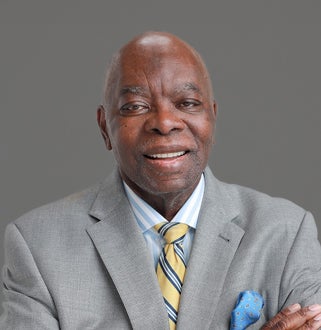
Dr. Akel Ismail Kahera
Program Director and Professor of Islamic Architecture and Urbanism
Dr. Akel Ismail Kahera
Program Director and Professor of Islamic Architecture and Urbanism
Educational Qualifications
PhD in Near Eastern Studies (Architecture, Law & Urbanism) with distinction
Master of Architecture
Entity
College of Islamic Studies
Program
Master of Science in Islamic Art, Architecture and Urbanism
Division
Islamic Art, Architecture and Urbanism
Biography
Dr. Akel Ismail Kahera is a professor and the director of the Graduate Program in Islamic Architecture and Sustainable Urbanism at the College of Islamic Studies, Hamad Bin Khalifa University in Doha, Qatar. Raised in Brooklyn, New York, he earned his Bachelor of Architecture from the Pratt Institute, followed by a Master of Architecture from the Massachusetts Institute of Technology and a Ph.D. from Princeton University.
With over thirty years of international experience as an architect, urban planner, and critic, he has also held a range of academic and administrative roles, including professor and dean at Virginia Commonwealth University’s School of the Arts in Qatar; professor and senior associate dean for research and graduate studies at Clemson University in South Carolina; and professor and director at Prairie View A&M University.
Dr. Kahera’s research, supported by grants from the Qatar Foundation and the Brown Foundation of Houston, Texas, explores the cultural, typological, and sustainable dimensions of architecture and urbanism across the MENA region, the Americas, and the Global South. Dr. Kahera is a trustee of the International Network for Traditional Building, Architecture, and Urbanism (INTBAU) and serves on the editorial board of the Journal of New Design Ideas, among other affiliations.
PhD in Near Eastern Studies (Architecture, Law & Urbanism) with distinction
Princeton University
1997
Master of Architecture
Massachusetts Institute of Technology
1987
Certificate: Heritage Preservation and Cultural Value
University of Oxford
2017
Certificate: Global Leadership
Reed College, Portland, Oregon
2016
Certificate: Race and Reconciliation
Reed College, Portland, Oregon
2016
Bachelor of Architecture
Pratt Institute, Brooklyn, NY
1977
- Sustainable environments and critical regionalism
- Revitalization and historic preservation
- Typologies of Islamic architecture
- Hermeneutics and ontology
- Housing and community development
Professor of Architecture and Urbanism
College of Islamic Studies, Hamad Bin Khalifa University
2019 – Present
Dean and Professor
Virginia Commonwealth University in Qatar’s School of the Arts
2015 – 2018
Associate Dean and Professor
College of Architecture, Art and Humanities, Clemson University, South Carolina, USA
2012 – 2015
Associate Professor and Director
School of Architecture, Prairie View/Texas A&M University, USA
2005 – 2012
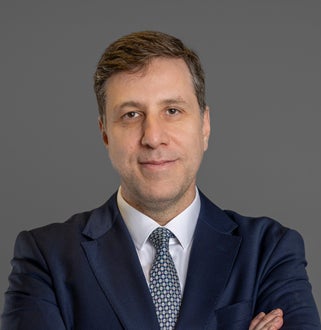
Dr. Ahmet Faruk Aysan
Associate Dean of Research and Professor of Islamic Finance and Economy
Professor in Economics and Islamic Finance
Dr. Ahmet Faruk Aysan
Associate Dean of Research and Professor of Islamic Finance and Economy
Professor in Economics and Islamic Finance
Educational Qualifications
PhD in Economics
MA in Economics
Entity
College of Islamic Studies
School of Economics and Management
Program
PhD in Islamic Finance and Economy
Master of Science in Islamic Finance
Division
Islamic Finance
Center for Islamic Economics and Finance (CIEF)
Biography
Dr. Ahmet Faruk Aysan is a Professor and Associate Dean for Research at Hamad Bin Khalifa University and a full member of the Turkish Academy of Sciences (TÜBA). He previously served as a Board Member and Monetary Policy Committee Member at the Central Bank of the Republic of Türkiye. He has also consulted for prominent institutions, including the World Bank, Oxford Analytica, and the Central Bank of Türkiye. His research contributions have earned him multiple awards, including the Islamic Economics Research Award from IKAM, the Arab Fintech Forum’s Fintech Researcher of the Year Award (2023), and HBKU’s Research Excellence Award (2024). He is also a recipient of the Boğaziçi University Foundation’s Publication and Academic Promotion Awards, as well as the prestigious Ibn Khaldun Prize. Dr. Aysan is a Research Associate at University College London’s Centre for Blockchain Technologies (UCL CBT), a Research Fellow at the Economic Research Forum, and a Non-resident Fellow at the Middle East Council on Global Affairs. He also chairs the MENA Chapter Academy of Sustainable Finance, Accounting, Accountability & Governance (ASFAAG). In 2020, Dr. Aysan was listed among the top influencers in Islamic banking and finance by an academic article published in the Pacific-Basin Finance Journal.
PhD in Economics
University of Maryland College Park, USA
2005
MA in Economics
University of Maryland College Park, USA
2001
BA in Economics (with Honors)
Boğaziçi University, Turkey
1999
- Islamic finance and economy
- Fintech
- Banking and finance
- Macroeconomics
- Central banking
Associate Dean of Research
College of Islamic Studies, Hamad Bin Khalifa University
2023 – Present
Elected Full Member of Turkish Academy of Sciences (TUBA)
Turkish Academy of Sciences (TUBA)
2023 – Present
Program Director of PhD in Islamic Finance and Economy
College of Islamic Studies, Hamad Bin Khalifa University
2020 – 2023
Program Director of MSc in Islamic Finance
College of Islamic Studies, Hamad Bin Khalifa University
2021 – 2023
Professor of Islamic Finance and Economy
College of Islamic Studies, Hamad Bin Khalifa University
2020 – Present
Dean, Professor, and Chair of Department of Economics
School of Management and Administrative Sciences, Istanbul Şehir University
2017 – 2020
Member of the Board and the Monetary Policy Committee
The Central Bank of the Republic of Turkey
2011 - 2017
Associate Professor
Department of Economics, Boğaziçi University
2009 - 2011
Assistant Professor
Department of Economics, Boğaziçi University
2005 - 2009
Complete Publication Listing(s): Google Scholar
- Recipient of Research Excellence Award, Hamad Bin Khalifa University, May 2024
- Islamic Economics Research Award, Research Center for Islamic Economics, İslam İktisadı Araştırma Merkezi, (IKAM) İlam Iktisadi Araştirma Ödülü October 2023
- Fintech Researcher of the Year Award, Arab Fintech Forum, October 2023
- Top influencer recognition in Islamic Banking and Finance, stated in academic article in the Pacific-Basin Journal (2020)
- Ibn Khaldun Prize for the best paper on any subject in any North African or Middle Eastern Country or Countries, granted in 2009 by the Middle East Economic Association
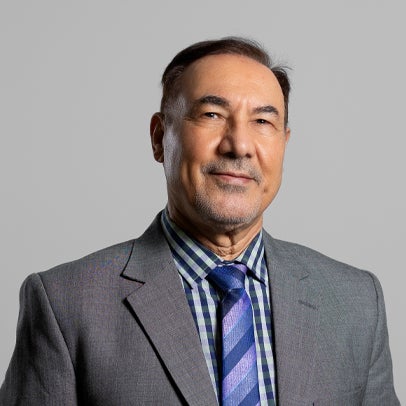
Dr. Mehdi Riazi
Professor and Associate Dean for Research
Phone
+974 44545725Office location
C.00.021, Ground Floor, Minaretein Building
Dr. Mehdi Riazi
Professor and Associate Dean for Research
Educational Qualifications
PhD in Applied Linguistics
Masters in Teaching English as a Foreign Language
Entity
College of Humanities and Social Sciences
Program
Doctor of Philosophy in Humanities and Social Sciences
Biography
Dr. Mehdi Riazi obtained his PhD in Applied Linguistics from the University of Toronto. He has supervised 50 master’s and 22 doctoral theses to completion. He has been the chief investigator for three research projects on test validation funded by IELTS, Pearson, and Educational Testing Service (the writing section of the TOEFL-iBT).
He is the author of the Routledge Encyclopedia of Research Methods (Routledge, 2016) and Mixed Methods Research (Equinox, 2017), and more. His academic works have been cited 4,397 times by other researchers. He has an h-index of 33 and an ih-index of 63 according to Google Scholar.
PhD in Applied Linguistics
University of Toronto, Toronto, Canada
1995
Masters in Teaching English as a Foreign Language
Shiraz University, Shiraz, Iran
1989
BA in English Language & Literature
Shiraz University, Shiraz, Iran
1985
- Advanced academic writing and knowledge production
- Research methodology
- Program evaluation
- Text analysis
- Issues related to teaching, learning, and assessment
Full Professor/Department of Linguistics
College of Humanities/Macquarie University
2016 - 2020
Associate Professor/Department of Linguistics
College of Humanities/Macquarie University
2009 - 2015
Director of Higher Degree Research/Department of Linguistics
College of Humanities/Macquarie University
2009 - 2012
Associate Professor/Dean of the college of humanities
Shiraz University
2003 - 2008
Director of research & member of strategic planning
Shiraz University
1998 - 2002
Assistant professor/Foreign Languages
College of Humanities/Shiraz University
1995 - 2002
English language instructor/Foreign Languages
College of Humanities/Shiraz University
1986 - 1991
Riazi, A. M. (2021). The Routledge encyclopedia of research methods in applied linguistics. Routledge.
- 2020 - Student selected professor, Macquarie University, Sydney, Australia
- 2014 - Research grant, Educational Testing Service, New Jersey, USA
- 2012 - Research grant, Pearson, London, England
- 2011 - Research grant, IELTS, Sydney, Australia
- 1998 - Distinguished assistant professor, Shiraz University, Shiraz, Iran
- 2003 - Distinguished researcher, Shiraz University, Shiraz, Iran
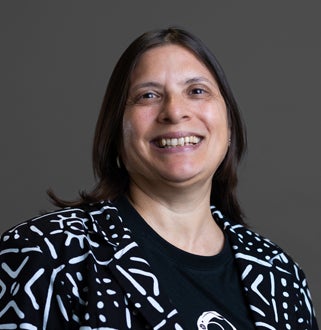
Dr. Kamilla Swart-Arries
Associate Professor and Director - MS Sport and Entertainment Management Program
Associate Professor in Sports Management
Dr. Kamilla Swart-Arries
Associate Professor and Director - MS Sport and Entertainment Management Program
Associate Professor in Sports Management
Educational Qualifications
EdD in Sport Tourism
MA in Human Movement Studies
Entity
College of Science and Engineering
School of Economics and Management
Division
Engineering Management & Decision Sciences
Biography
Kamilla Swart-Arries is an Associate Professor and Director of the Masters in Sport and Entertainment Management program, a joint degree with the University of South Carolina. She has 30 years of experience in sport, tourism, and event management that spans academia and the private sector and has consulted broadly in both public and private sectors.
Swart-Arries has worked in industry as a Sport and Facilities Manager at the Cape Town 2004 Olympic bid and as a Sponsorship Consultant for Octagon SA delivering strategic sponsorship services to major corporates in South Africa. She also headed the Durban Events Corporation – a public-private sector partnership with the City of Durban to use events to attract tourism where she was instrumental in driving the 2010 FIFA World Cup research agenda. Kamilla has headed major research projects managing field research at the 2008, 2012, and 2016 Olympic Games, and the 2010 and 2014 FIFA World Cups.
She worked closely with Qatar Foundation's 2022 FIFA World Cup master program and the supreme committee for delivery and legacy in driving the research agenda. Kamilla served as Co-Chair of the World Association of Sport Management Conference Qatar 2023. She has been appointed to the Scientific Committee (research pillar) of the UNESCO Chair on Governance & Social Responsibility in Sports.
EdD in Sport Tourism
Illinois State University, United States
2001
MA in Human Movement Studies
Rhodes University, South Africa
1995
BA in Human Movement Studies
Rhodes University, South Africa
1993
BA in Human Movement and Psychology
Rhodes University, South Africa
1992
- Sports tourism and event management
- Mega-event impacts and legacies
- Sustainability in sport
- Inclusion in sport
Program Director
College of Science and Engineering, Hamad Bin Khalifa University
2022 - Present
Associate Professor
College of Science and Engineering, Hamad Bin Khalifa University
2019 - 2022
Professor and Program Director
College of Business Administration, American University in the Emirates, United Arab Emirates
2017 - 2019
Professor and Head of the Centre for Tourism Research in Africa
Department of Tourism and Events Management, Cape Peninsula University of Technology (CPUT), South Africa
2016 - 2017
Associate Professor and Head of the Centre for Tourism Research in Africa
Department of Tourism and Events Management, Cape Peninsula University of Technology (CPUT), South Africa
2009 - 2016
Al-Harahsheh, S.T., Swart, K., Neves, J., et al. (2022). Inclusion of persons with disability in sport: part 1 – rights and challenges in Qatar. British Journal of Sports Medicine. Published Online First: 16 September 2022. doi: 10.1136/bjsports-2022-106224
Complete Publication Listing(s): Google Scholar
- 2009; Researcher of the Year, Black Business Quarterly Youth Awards South Africa
- 2006; Best academic paper, Crine, and sport tourism events in South Africa: Implications for the 2010 World Cup, Valencia Summit – Major sports events as an opportunity for development: The international promotion of the city – Spain (co-authors Turco & Bob)
- 2001; Raptor Award, Association of Marketers South Africa – for the Beach Africa Event Sponsorship
- 2000; Raptor Award, Association of Marketers South Africa – for the Old Mutual Two Oceans Marathon Sponsorship
- 1990; One of the 10 Outstanding Persons in Sports Tourism in the 1990s by the Sport Tourism International Council, Canada
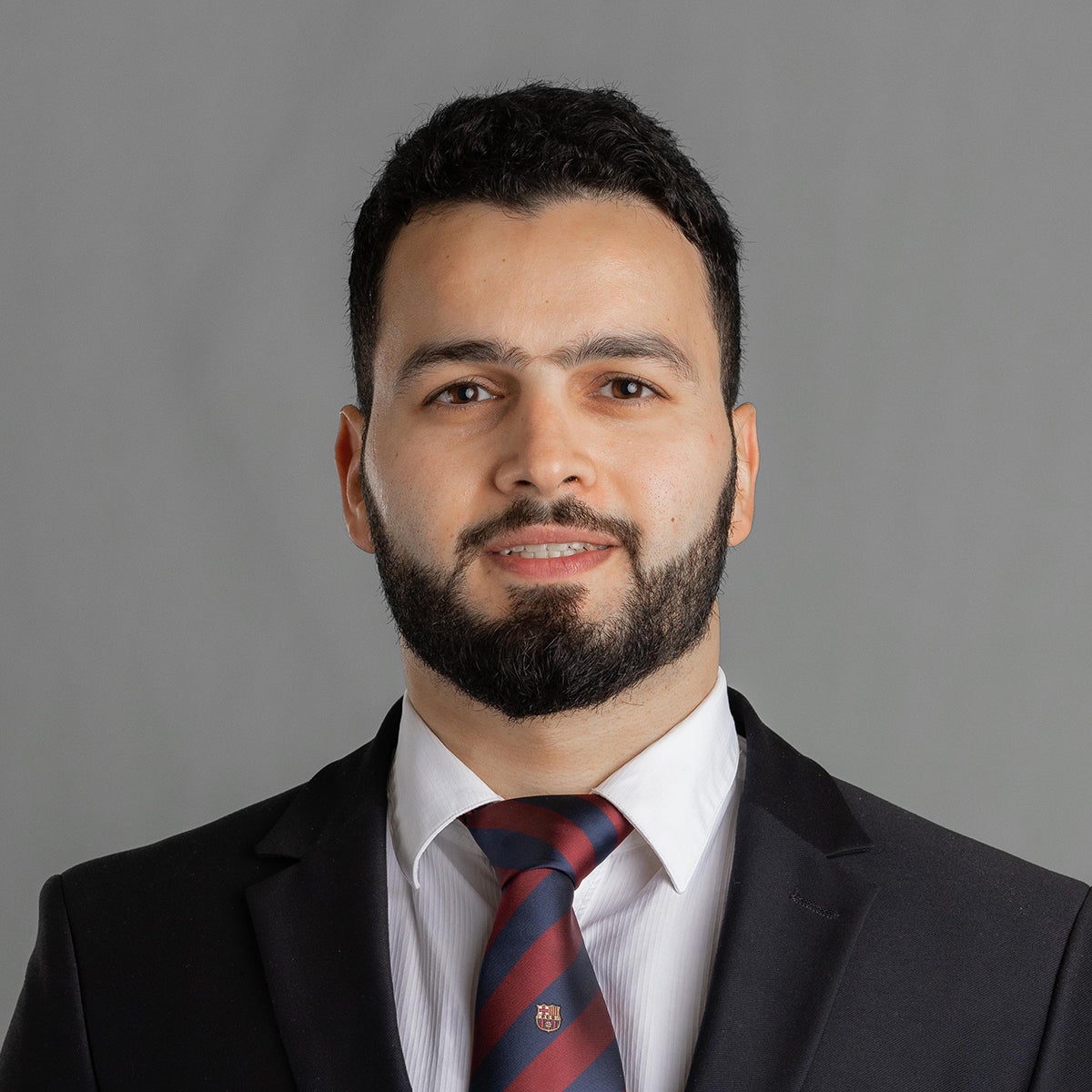
Dr. Yehia Manawi
Scientist
Educational Qualifications
BS in Chemical Engineering
MS in Environmental Engineering
Entity
Qatar Environment and Energy Research Institute
Biography
Yehia Manawi is a scientist at Qatar Environment and Energy Research Institute’s (QEERI’s) Water Center and Natural and Environmental Hazards Observatory (NEHO). He works on pressure-driven membrane processes at the Water Center and on monitoring naturally occurring radioactive materials (NORMs) in Qatar’s groundwater and seawater at NEHO.
BS in Chemical Engineering
MS in Environmental Engineering
Qatar University
PhD in Sustainable Environment
Hamad Bin Khalifa University
- Monitoring of NORMs in the vegetation
- groundwater and seawater of Qatar
- The development of atlas maps for the NORMs in Qatar
- Pressure-Driven Membrane Processes (MF
- UF
- NF and RO)
Scientist
Qatar Environment and Energy research Institute (QEERI) at the Water Center and Natural and Environmental Hazards Observatory (NEHO).
2019 - Present
Post-doc
Qatar Environment and Energy research Institute (QEERI) at the Water group.
2018 - 2019
Research Associate
QEERI at the Water group.
2013 - 2018
Research Engineer
Qatar University in a membrane distillation project in collaboration with ConocoPhillips.
2011 - 2013
Y Manawi. Scientific reports 7.1 (2017): 15831.
Yehia Manawi, Viktor Kochkodan, Ahmad Fauzi Ismail, Abdul Wahab Mohammad and Muataz Ali Atieh. Membranes 2019, 9(2), 30.
Yehia Manawi, Gordon McKay, Norafiqah Ismail, Ahmad Kayvani Fard, Viktor Kochkodan, Muataz Ali Atieh. Chemical Engineering Journal, Volume 352, 2018,(828-836).
Souhir Sabri, Ahmad Najjar, Yehia Manawi, Nahla Omer Eltai, Asma Al-Thani, Muataz Ali Atieh and Viktor Kochkodan. Membranes 2019, 9(2), 29.
Yehia M. Manawi, Kui Wang, Viktor Kochkodan, Daniel J. Johnson, Muataz A. Atieh and Marwan K. Khraisheh. Membranes 2018, 8(4), 106.
Ahmad Kayvani Fard, Tarik Rhadfi, Gordon McKay, Yehia Manawi, Viktor Kochkodan, One-Sun Lee, Muataz A. Atieh. Desalination and Water Treatment. 211 (2021) 280-295.
Y Manawi, A Samara, T Al-Ansari, MA Atieh. Materials 11 (5), 822.6. Characterization and Separation Performance of a Novel Polyethersulfone Membrane Blended with Acacia Gum. Y Manawi. Scientific reports 7.1 (2017): 15831.
Yehia Manawi, Victor Kochkodan, Muataz Hussein, Moe A. Khaleel, Marwan Kraisheh, Nidal Hilal, Desalination 391, 69-88 (2016).
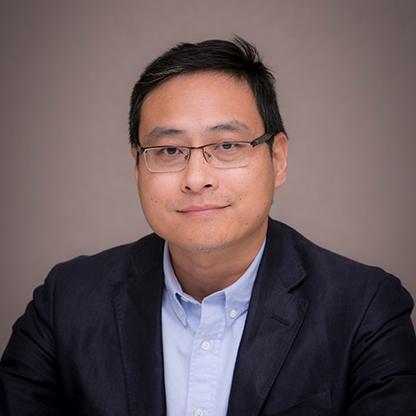
Dr. Zhaoyang Liu
Senior Scientist
Dr. Zhaoyang Liu
Senior Scientist
Educational Qualifications
PhD
Entity
Qatar Environment and Energy Research Institute
Division
Water Center
Biography
Dr. Zhaoyang Liu is a Senior Scientist at Qatar Environment and Energy Research Institute's (QEERI) Water Center. He specializes in advancing water treatment technologies, with a number of his research outcomes published in top journals like Energy & Environmental Science, and Advanced Materials, and featured in Nature. Dr. Liu has an h-index of 45 on Google Scholar (Jan. 2023). Leading projects at QEERI, he focuses on addressing local challenges from the perspective of the Water-Energy-Food nexus. His team has developed pilot-scale water treatment prototypes. He is the holder of multiple patents (PCT, US, EU), one of which has been licensed to a commercial company in Singapore. He serves on the editorial boards for the journals of Desalination and Scientific Reports. Dr. Liu's experience extends to mentoring PhD candidates at HBKU.
PhD
Dalian University of Technology, China
2005
- Advancing processes and materials for seawater desalination and wastewater treatment.
- Tailoring methods for treating oil-contaminated water (marine oil spill and oil/gas produced water).
- Sustainable green hydrogen production utilizing non-potable water sources.
- Developing sustainable irrigation systems for green walls and roofs.
Senior Scientist
Water Center/QEERI, HBKU
2014 - Present
Senior Research Fellow and PhD Student Advisor
School of Civil and Environmental Engineering, Nanyang Technological University, Singapore
2006 - 2014
- 2023, Editorial Board Member of Desalination - a water research journal.
- 2017, Editorial Board Member of Scientific Reports - a Nature journal.
- 2017, QNRF TDF award for technology promotion and demonstration from lab to pilot scale.
- 2016, QNRF NPRP award for water treatment with 2D nanomaterials.