 Apply Now
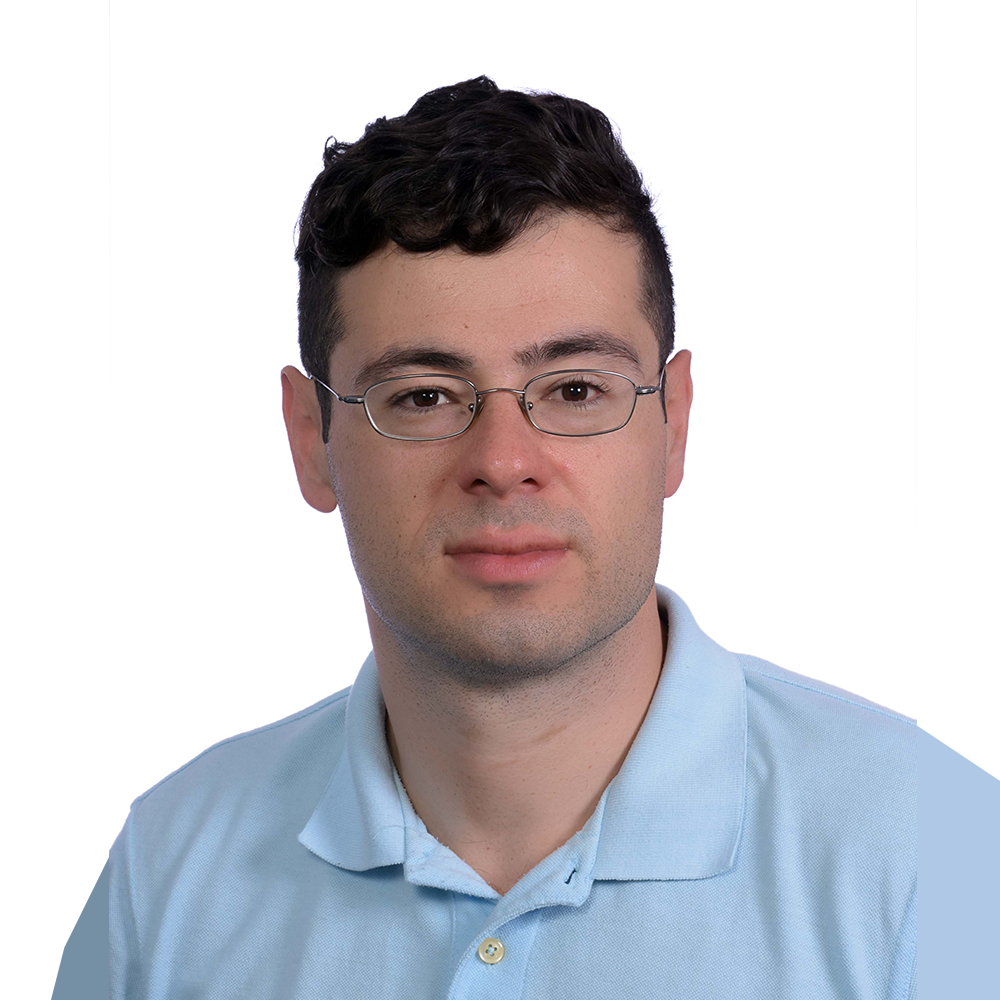
Dr. Yazan Boshmaf
Scientist
Dr. Yazan Boshmaf
Scientist
Educational Qualifications
PhD in Electrical and Computer Engineering
MSc Information Technology
Entity
Qatar Computing Research Institute
Division
Cybersecurity
Biography
Dr. Boshmaf received his PhD in Electrical and Computer Engineering from the University of British Columbia under the mentorship of Prof. Konstantin Beznosov and Prof. Matei Ripeanu. His PhD thesis presented one of the first security analyses of malicious social bots on the web.
PhD in Electrical and Computer Engineering
University of British Columbia; Vancouver, Canada
2015
MSc Information Technology
University of Stuttgart, Germany
2008
BSc Computer Engineering
Jordan University of Science and Technology, Irbid, Jordan
2005
Full Stack Software Engineer
Hootsuite; Vancouver, BC Canada
2015
Research Intern
Microsoft Research Silicon Valley; Mountain View, CA USA
2014
Research Intern
Telefonica Research; Barcelona, Spain
2013
Research Intern
Facebook Menlo Park, CA USA
2012
Research Intern
Sophos Vancouver, BC Canada
2012
Research Intern
High Performance Computing Center (HLRS); Stuttgart, Germany
2008
Software Engineer
Intel Walldorf, Germany
2007
Infrastructure Consultant
Microsoft Consulting Services; Muscat, Oman
2005
Source Attribution of Cryptographic API Misuse in Android Applications; Proc. of 11th ACM Asia Conference on Computer and Communications Security (AsiaCCS '18); Songdo, Incheon Korea; Jun 2018
Interacting with Large Distributed Datasets using Sketch; Proc. of 2016 Eurographics Symposium on Parallel Graphics and Visualization (EGPGV '16); Groningen, The Netherlands; Jun 2016
Leveraging Victim Prediction for Robust Fake Account Detection in OSNs; Proc. of 2015 Network and Distributed System Security Symposium (NDSS '15); San Diego, CA USA; Feb 2015
The Socialbot Network: When Bots Socialize for Fame and Money; Proc. of 27th Annual Computer Security Applications Conference (ACSAC '11), Orlando, FL USA; Dec 2011
SIMD-Scan: Ultra Fast in-Memory Table Scan Using on-Chip Vector Processing Units; Proc. of the VLDB Endowment; Volume 2, Issue 1; Pages 385-394; Aug 2009
- 2013; Best Paper Award; Advances in Social Networks Analysis and Mining Conference; Niagara Falls, ON Canada
- 2012; Research Internship Award; MITACS Accelerate; Vancouver, BC Canada
- 2011; Outstanding Paper Award; Annual Computer Security Applications Conference; Orlando, FL USA
- 2009; Four Year Doctoral Fellowship; University of British Columbia; Vancouver, BC Canada
- 2009; Faculty of Applied Science Award; University of British Columbia; Vancouver, BC Canada
- 2006; Full Tuition Scholarship for Outstanding Students; University of Stuttgart; Stuttgart, Germany
- 2001; Royal Academic Sponsorship; Jordan University of Science and Technology; Irbid, Jordan
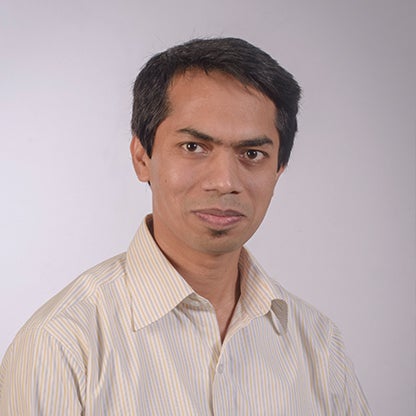
Dr. Firoj Alam
Senior Scientist
Dr. Firoj Alam
Senior Scientist
Educational Qualifications
PhD in Computer Science
MSc in Human Language Technology and Interface
Entity
Qatar Computing Research Institute
Division
Social Computing
Biography
Dr. Firoj Alam is a Senior Scientist at the Qatar Computing Research Institute. He earned his PhD from the University of Trento, Italy, and has over a decade of experience in Artificial Intelligence, Deep/Machine Learning, Natural Language Processing, Social Media Content Analysis, Image Processing, and Conversational Analysis. He has published over 100 research papers (including 6 book chapters and 11 journal articles) in international journals, conferences, and notable workshops.
Dr. Alam has served as the lead principal investigator for several funded projects. His current research focuses on large language models (benchmarking, native and cultural alignment), generative AI content detection, disinformation detection, fact-checking, and multimodal propaganda detection. He has also been actively contributing to building a community of researchers in these areas by organizing workshops and shared tasks. Some notable shared tasks include the CheckThat! lab at CLEF, NLP4IF 2021, and several SemEval tasks.
He has significantly contributed to developing AI-based tools and resources to support humanitarian organizations during disaster events and aid the UN-OCHA in streamlining their Education Insecurity efforts. Dr. Alam has served as a program committee member for several top-tier conferences, including ACL, NAACL, EMNLP, ICLR, Interspeech, ICASSP, AAAI, IJCAI, and ICWSM. Additionally, he has reviewed numerous journals, including Computer Speech and Language (CSL), ACM Transactions on Asian and Low-Resource Language Information Processing (TALLIP), and PLOS ONE.
PhD in Computer Science
University of Trento, Italy
2016
MSc in Human Language Technology and Interface
University of Trento, Italy
2011
BSc in Computer Science & Engineering
BRAC University, Bangladesh
2007
- Generative AI
- Large language models (LLMs): Benchmarking
- native
- local
- and cultural alignment
- Machine Learning (Deep Learning)
- Natural Language Processing
- Speech Processing
- Affective behavioral signal processing (Empathy
- Emotions
- Personality traits) from speech and text
- Social media analysis
Senior Scientist
Qatar Computing Research Institute, Hamad Bin Khalifa University
2024 - Present
Scientist
Qatar Computing Research Institute, Hamad Bin Khalifa University
2019 - 2024
Post-doctoral Researcher
Qatar Computing Research Institute, Hamad Bin Khalifa University
2017 - 2019
Research Associate
Qatar Computing Research Institute, Hamad Bin Khalifa University
2016 - 2017
PhD Researcher
SIS Lab, University of Trento, Italy
2011- 2016
Research Intern
Fondazione Bruno Kessler (FBK), Italy
2011
Research Programmer
Computer Science and Engineering, BRAC University, Bangladesh
2006 - 2010
- Full scholarship for PhD, University of Trento, Italy.
- Full scholarship for MSc, University of Trento, Italy.
- Grant from ISCA to attend SLTU2010 Conference, 2010.
- Grant from ADD to attend ADD4 Summer School, 2009.
- Grant from PAN Localization to attend CLT’09 Conference, 2009.
- Grant from ADD to attend ADD3 Summer School, 2008.
- Full scholarship for the Summer School organized by PAN Localization, 2006.
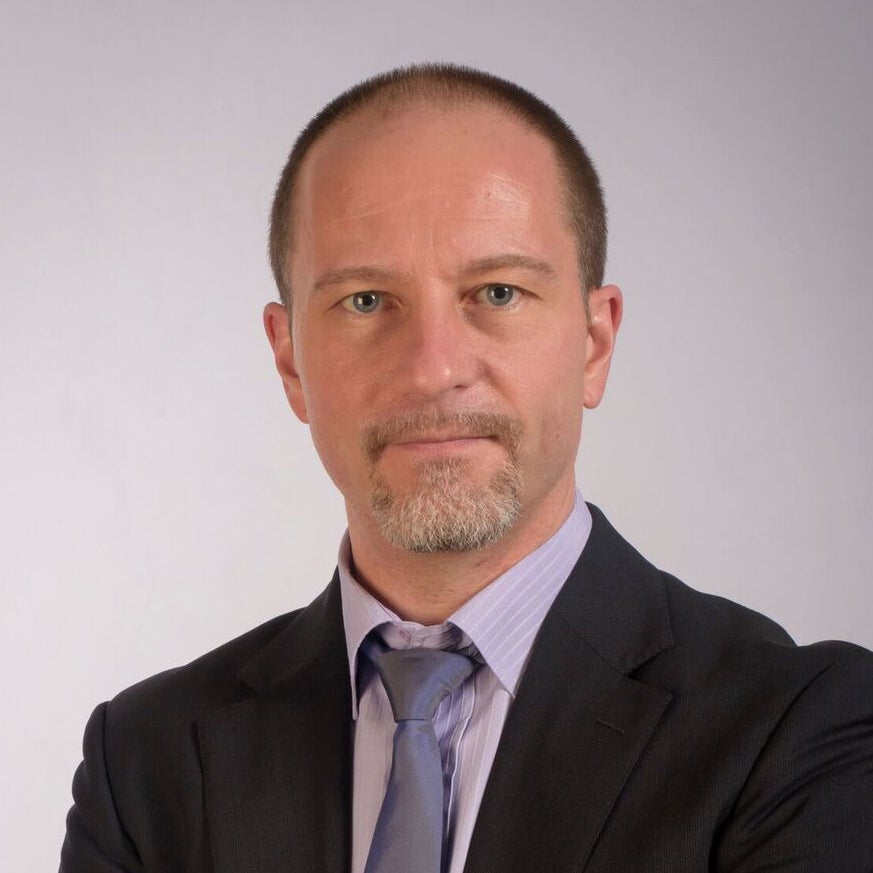
Dr. Michaël Aupetit
Senior Scientist
Dr. Michaël Aupetit
Senior Scientist
Educational Qualifications
Accreditation for Research Supervision (HDR) in Computer Science
PhD in Industrial Engineering
Entity
Qatar Computing Research Institute
Division
Qatar Center for Artificial Intelligence
Biography
Dr. Michaël Aupetit joined QCRI in August 2014. He is a Senior Scientist at the Qatar Center for Artificial Intelligence (QCAI), working on AI foundation models design and analysis, and applying his research to health and material sciences.
Before joining QCRI, Michaël worked for 10 years as a research scientist and senior expert in data mining and visual analytics at CEA LIST in Paris Saclay, where he designed decision support systems to solve complex industrial problems in health and security domains.
Michaël initiated and co-organized 5 international workshops. He has been a PC member of IEEE VAST, EuroVis, EuroVA, PacificVis, ESANN, and ICANN conferences, and is a regular reviewer for IEEE TVCG, and the Computer Graphics Forum journal. He has published over 100 scientific papers and holds 6 US, 3 WO, and 1 EP patents. He obtained the Habilitation for Research Supervision (HDR) in Computer Science from Paris 11 Orsay University in 2012, and the PhD degree in Industrial Engineering from Grenoble National Polytechnic Institute (INPG) in 2001.
Accreditation for Research Supervision (HDR) in Computer Science
Paris 11 Orsay University; Orsay/France
2012
PhD in Industrial Engineering
Grenoble National Polytechnic Institute (INPG); Grenoble/France
2001
MSc in Robotics and Microelectronics
Montpelier University, Montpellier, France
1998
Engineering in Computer Science specialized in Artificial Intelligence
Ecole pour les Etudes et la Recherche en Informatique et Electronique (EERIE); Nîmes/France
1998
- Statistical and generative machine learning
- Representation learning
- Visual analytics
- Topological data analysis
Senior Scientist
Qatar Computing Research Institute; Hamad Bin Khalifa University
2019 - Present
Scientist
Qatar Computing Research Institute; Hamad Bin Khalifa University
2014 - 2018
Senior Expert Scientist
Laboratory for Integration of Systems and Technology; CEA Tech
2008 - 2014
Research Scientist
Department of Earth and Environmental Science; CEA DAM
2004 - 2008
Postdoc
Department of Earth and Environmental Science; CEA DAM
2002 - 2004
Complete Publication Listing(s): The dblp computer science bibliography
- 2007; Award for the Best presentation at CAp 2007 French conf. on Mach.Learning; SPSS; France
- 1998; Best M.Sc internship; CEA; Nîmes/France
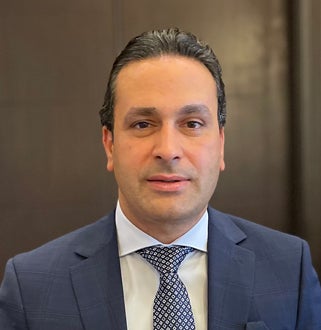
Dr. Essam M. Abdelalim
Associate Professor
Educational Qualifications
PhD in Medical Science
MVSc (Master’s degree in Vet. Science)
Entity
College of Health and Life Sciences
Biography
Dr. Abdelalim is an Associate Professor at the College of Health and Life Sciences, Hamad Bin Khalifa University, and a Principal Investigator at Sidra Medicine, leading the Pluripotent Stem Cell Disease Modeling Laboratory. He holds a PhD in medical science from Shiga University of Medical Science, Japan, where he also completed a postdoctoral fellowship and served as an assistant professor.
Before joining Sidra Medicine, he served as a senior scientist at QBRI until February 2024, establishing Qatar's first pluripotent stem cell program dedicated to diabetes research. His team successfully generated multiple iPSC lines from patients with genetic disorders and developed innovative protocols to improve the differentiation of stem cells into pancreatic islets and other cell types.
In addition, Dr. Abdelalim chaired the HSCI-QBRI steering committee, overseeing collaborative diabetes and stem cell research initiatives. He serves on the editorial boards of “Stem Cells Translational Medicine” and “Stem Cells and Development” and has published over 75 articles in prestigious journals. He has received numerous research grants and awards throughout his career.
PhD in Medical Science
Shiga University of Medical Science, Japan
2009
MVSc (Master’s degree in Vet. Science)
Suez Canal University, Egypt
2002
BVM (Bachelor of Veterinary Medicine)
Suez Canal University, Egypt
1998
- Leveraging human pluripotent stem cells to model diabetes and rare genetic disorders
- to identify potential therapeutic targets.
- Generation of patient-derived iPSCs and application of gene-editing techniques to investigate the impact of specific gene functions and genetic mutations on disease mechanisms.
- Enhancement of differentiation protocols for stem cells to produce functional pancreatic beta cells for potential therapeutic use.
Principal Investigator-Associate Level
Translational Medicine, Sidra Medicine
2024 - Present
Joint Associate Professor
College of Health and Life Sciences, Hamad Bin Khalifa University
2023 - Present
Senior Scientist
Diabetes Research Center, Hamad Bin Khalifa University
2023 - 2024
Joint Assistant Professor
College of Health and Life Sciences, Hamad Bin Khalifa University
2018 - 2023
Joint Assistant Professor
College of Science and Engineering, Hamad Bin Khalifa University
2015 - 2018
Complete Publication Listing(s): PubMed
- 2022: 1st Place, QBRI-Affiliated Publications Award for Outstanding Corresponding Author for the years 2017-2022.
- 2022: QBRI Award for Excellence in Mentoring Graduate Students.
- 2021: QNL Open Initiative Award, for promoting student mentorship, biomedical science education, and open-access research in Qatar.
- 2021: QBRI Publication Award for outstanding contributions from 2018 to 2021.
- 2019: International Society for Stem Cell Research (ISSCR) Merit Award for our research, presented by my PhD student, Bushra Memon, at the ISSCR 2019 conference in Los Angeles.
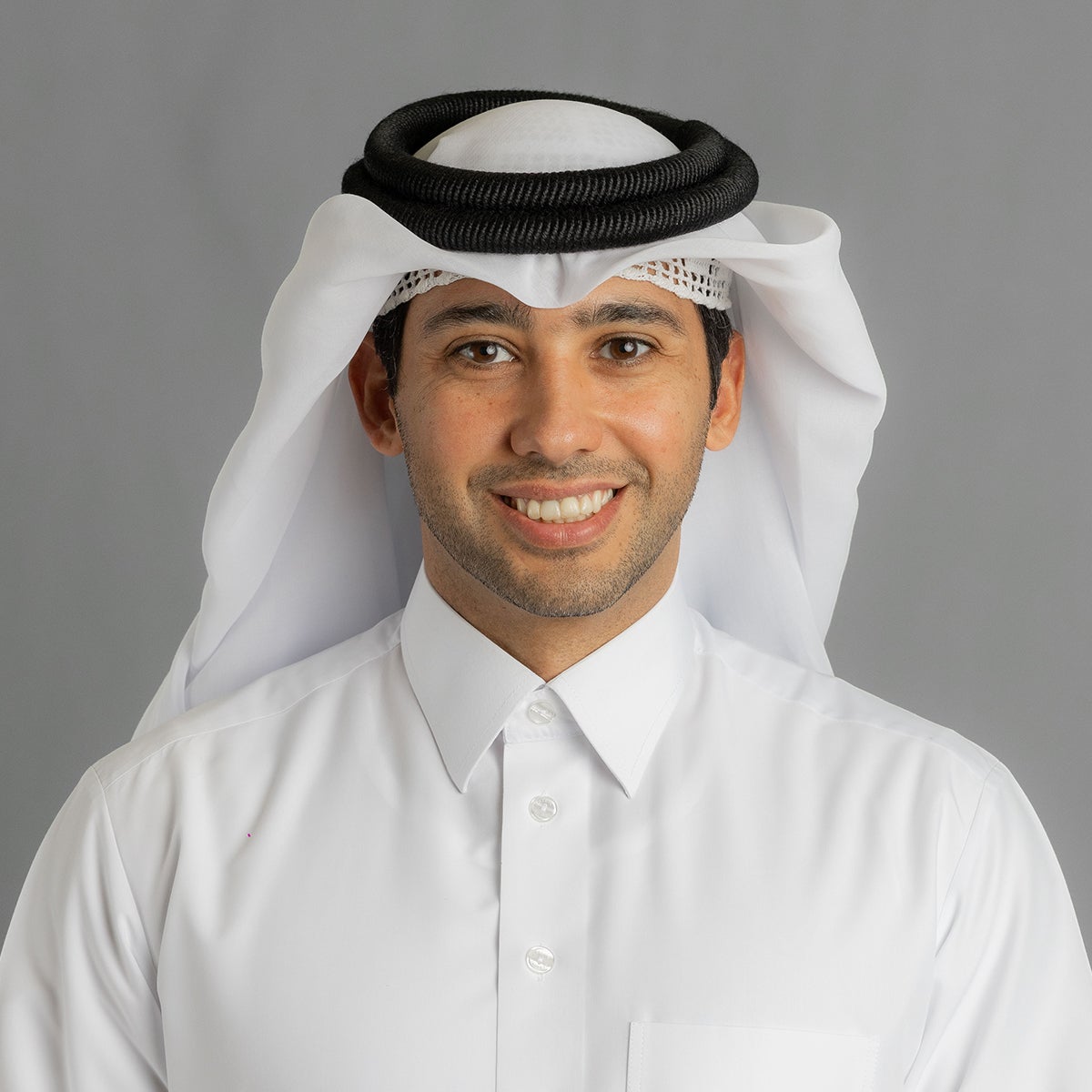
Dr. Ahmad Sami A S Abushaikha
Associate Professor
Dr. Ahmad Sami A S Abushaikha
Associate Professor
Educational Qualifications
PhD in Petroleum Engineering
MS in Reservoir geosciences and engineering
Entity
College of Science and Engineering
Division
Sustainable Development
Biography
Dr. Ahmad Sami Abushaikha is a founding faculty member. He received his BS in Petroleum Engineering and his BA in Economics from the University of Texas at Austin in 2004. In 2006, he received his MS in Reservoir Geosciences and Engineering from "Institut Français du Pétrole". From 2007 to 2009, he worked at TOTAL Research Centre at Pau, France and at Qatar Petroleum. In 2013, he received his PhD in Petroleum Engineering from Imperial College London. From 2015 to 2017, he was a Postdoctoral Research Fellow at Stanford University specializing in discretization schemes for fluid flow in porous media.
PhD in Petroleum Engineering
Imperial College London, London, United Kingdom
2014
MS in Reservoir geosciences and engineering
École Nationale Supérieure du Pétrole et des Moteurs, Rueil-Malmaison, France
2006
BA in Economics
University of Texas at Austin, Texas, United States
2004
BS in Petroleum Engineering
University of Texas at Austin, Texas, United States
2004
- Computational physics
- Reservoir simulation
- Petroleum engineering
- Sustainability
Postdoctoral Research Fellow
Stanford University, Palo Alto, United States
2015 – 2017
QRLP- Science Track Felllow
Qatar Foundation - Research and Development, Doha, Qatar
2009 – 2015
Reservoir Engineer
North Field, Qatar Petroleum, Doha, Qatar
2004 – 2009
Ahmad S. Abushaikha, Denis V. Voskov, Hamdi A. Tchelepi, SPE Reservoir Simulation Conference; 2017, DOI:10.2118/182697-MS
A.S. Abushaikha, D.V. Voskov, H.A. Tchelepi, ECMOR XV - 15th European Conference on the Mathematics of Oil Recovery; 2016, DOI:10.3997/2214-4609.201601785
Ahmad S. Abushaikha, Martin J. Blunt, Olivier R. Gosselin, Christopher C. Pain, Matthew D. Jackson, Journal of Computational Physics; 2015; 298., DOI:10.1016/j.jcp.2015.05.024
Ahmad S. Abushaikha, Olivier R. Gosselin, Europec/EAGE Conference and Exhibition; 2008, DOI:10.2118/113890-MS
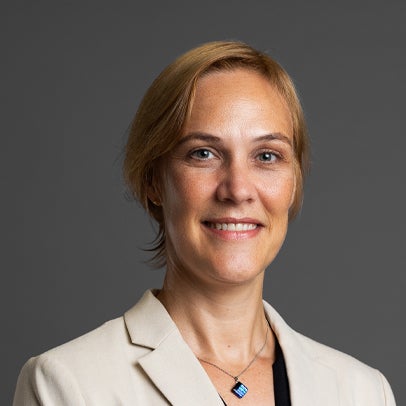
Dr. Julie Decock
Senior Scientist
Joint Associate Professor
Dr. Julie Decock
Senior Scientist
Joint Associate Professor
Educational Qualifications
PhD
MSc in Biomedical Sciences
Entity
Qatar Biomedical Research Institute
College of Health and Life Sciences
Division
Translational Oncology Research Center
Biography
Dr. Julie Decock received her Master of Science (MSc) in Biomedical Sciences from the Free University of Brussels (VUB, Belgium) and completed her Doctor of Philosophy (PhD) in Medical Sciences at the Catholic University of Leuven, KU Leuven, Belgium. Her doctoral research focused on the cancer degradome, the repertoire of proteases in the tumor microenvironment that contribute to shaping the extracellular environment and modulating pericellular signaling, thereby affecting tumor progression and clinical outcome.
She joined QBRI in 2013 and established a research program in the areas of tumor antigen discovery and tumor immunity, two key research areas that can help accelerate breast cancer research and advance the development of new treatments. Currently, her research focuses on cancer testis antigens, a group of tumor associated antigens that play pivotal roles in tumorigenesis and progression, and display high tumor specificity with minimal on- and off-target side effects. Her efforts have demonstrated that cancer testis antigens not only play important roles in multiple cancer hallmarks but can also serve as tumor specific molecular targets and modulators of anti-tumor immunity, offering diverse opportunities for anti-cancer targeting.
PhD
Faculty of Medicine, Catholic University of Leuven (KULeuven), Belgium
2008
MSc in Biomedical Sciences
Free University of Brussels (VUB), Belgium
2002
- Tumor-derived and circulating immune-related biomarkers in breast cancer
- The role of cancer testis antigens within the tumor-immune ecosystem
- Therapeutic potential of targeting cancer testis antigens for precision medicine in breast cancer
- Genetic determinants of non-BRCA high-risk familial breast cancer
Scientist, Translational Oncology Research Center
Qatar Biomedical Research Institute (QBRI), Qatar.
2016 - present
Joint Assistant Professor
College of Health and Life Sciences (CHLS), Hamad Bin Khalifa University (HBKU), Doha, Qatar.
2016 - present
Postdoctoral Researcher
Translational Oncology Research Center, Qatar Biomedical Research Institute (QBRI), Qatar.
2013 - 2016
Postdoctoral Researcher
School of Biological Sciences, Faculty of Science, University of East Anglia (UEA), UK.
2008 - 2013
Al-Siddiqi HH, Butler AE, Decock J, Mohamed-Ali V, Al-Ejeh F. Prognostic tools and candidate drugs based on plasma proteomics of patients with severe COVID-19 complications. Nat Commun. 2022;13(1):946. https://doi.org/10.1038/s41467-022-28639-4.
Targeting of lactate dehydrogenase C dysregulates the cell cycle and sensitizes breast cancer cells to DNA damage response targeted therapy. Mol Oncol. 2022 Feb;16(4):885-903. doi: 10.1002/1878-0261.13024.
Cancer testis antigen PRAME: An anti-cancer target with immunomodulatory potential. J Cell Mol Med. 2021;25(22):10376-103888. doi: 10.1111/jcmm.16967.
Immune checkpoint inhibitors in triple negative breast cancer treatment: promising future prospects. Front Oncol. 2021;10:600573. doi:10.3389/fonc.2020.600573.
Ancestry-associated transcriptomic profiles of breast cancer in patients of African, Arab and European ancestry. NPJ Breast Cancer. 2021 Feb 8;7(1):10. doi: 10.1038/s41523-021-00215-x.
Immune checkpoints in the tumor microenvironment. Semin Cancer Biol. 2020;65:1-12. doi: 10.1016/j.semcancer.2019.06.021.
Lactate Metabolism and Immune Modulation in Breast Cancer: A Focused Review on Triple Negative Breast Tumors. Front. Oncol., doi:10.3389/fonc.2020.598626.
Identification of two HLA-A*0201 immunogenic epitopes of lactate dehydrogenase C (LDHC): potential novel targets for cancer immunotherapy. Cancer Immunol Immunother. 2020 Jan 13. doi: 10.1007/s00262-020-02480-4.
The obesity paradox in cancer, tumor immunology and immunotherapy: Focus on triple negative breast cancer. Front. Immunol. 10:1940. doi: 10.3389/fimmu.2019.01940. Review.
Cancer Testis Antigens and Immunotherapy: Where Do We Stand in the Targeting of PRAME? Cancers (Basel). 2019 Jul 15; 11(7). Review.
PRAME promotes epithelial-to-mesenchymal transition in triple negative breast cancer. J Transl Med. 17(1):9. doi: 10.1186/s12967-018-1757-3.
NY-ESO-1 based immunotherapy of cancer: current perspectives. Front. Immunol. 9:947. doi: 10.3389/fimmu.2018.00947. Review.
Complete list of publications https://www.ncbi.nlm.nih.gov/myncbi/julie.decock.1/bibliography/public/
- Elected as full member of the Royal Society of Biology, UK (2022)
- Open Initiative Award 2020, Qatar National Library, Qatar
- Recognition for excellence 2016, Cancer Biology and Therapeutics Program (HMS-CBT), Harvard Medical School, USA
- Open Initiative Award 2020, Qatar National Library, Qatar
- Recognition for excellence 2016, Cancer Biology and Therapeutics Program (HMS-CBT), Harvard Medical School, USA.
- HBKU Thematic Research Grant Program, “Validation of LDHC as a novel target for precision medicine in breast cancer”. Lead PI, 2021-2023.
- QBRI Internal Grant Program (IGP), “Exploration of novel therapeutic opportunities targeting LDHC in triple negative breast cancer”. Lead PI, 2021-2024.
- QBRI Interdisciplinary research program (IDRP), “Integrative, translational research against COVID-19”. Lead PI, 2021-2023.
- QBRI Internal Grant Program (IGP), “Mechanisms in pancreatic development and breast cancer stemness mitigated by Sox2”. Co-PI, 2021-2024.
- “How beta cell-derived interleukin-33 shapes T cell regulation in T1D”. Co-PI (2020-2023).
- QBRI Interdisciplinary research program (IDRP), “Diagnostic and predictive biomarkers in breast cancer”. Co-PI, 2019-2024.
- QBRI Interdisciplinary research program (IDRP), “An integrated -omic approach to identify biomarkers for Type 2 Diabetes associated complications and comorbidities”. Co-PI, 2018-2023.
- QBRI Interdisciplinary research program (IDRP), “Identifying Potential Molecular Biomarkers for Autism Spectrum Disorder”. Co-PI, 2018-2023.
- QBRI Internal Grant Program (IGP #2016-003), “Pilot study of the role of Lactate Dehydrogenase C (LDHC) in the growth and migratory potential of triple negative breast cancer cells”. Lead PI, 2017-2019.
- QBRI Internal Grant Program (IGP #2014-006), “Cancer Testis Antigens as candidate targets for cancer immunotherapy of Triple Negative Breast Cancer and the role of hypoxia in T cell based immunotherapy. Lead PI, 2016-2019.
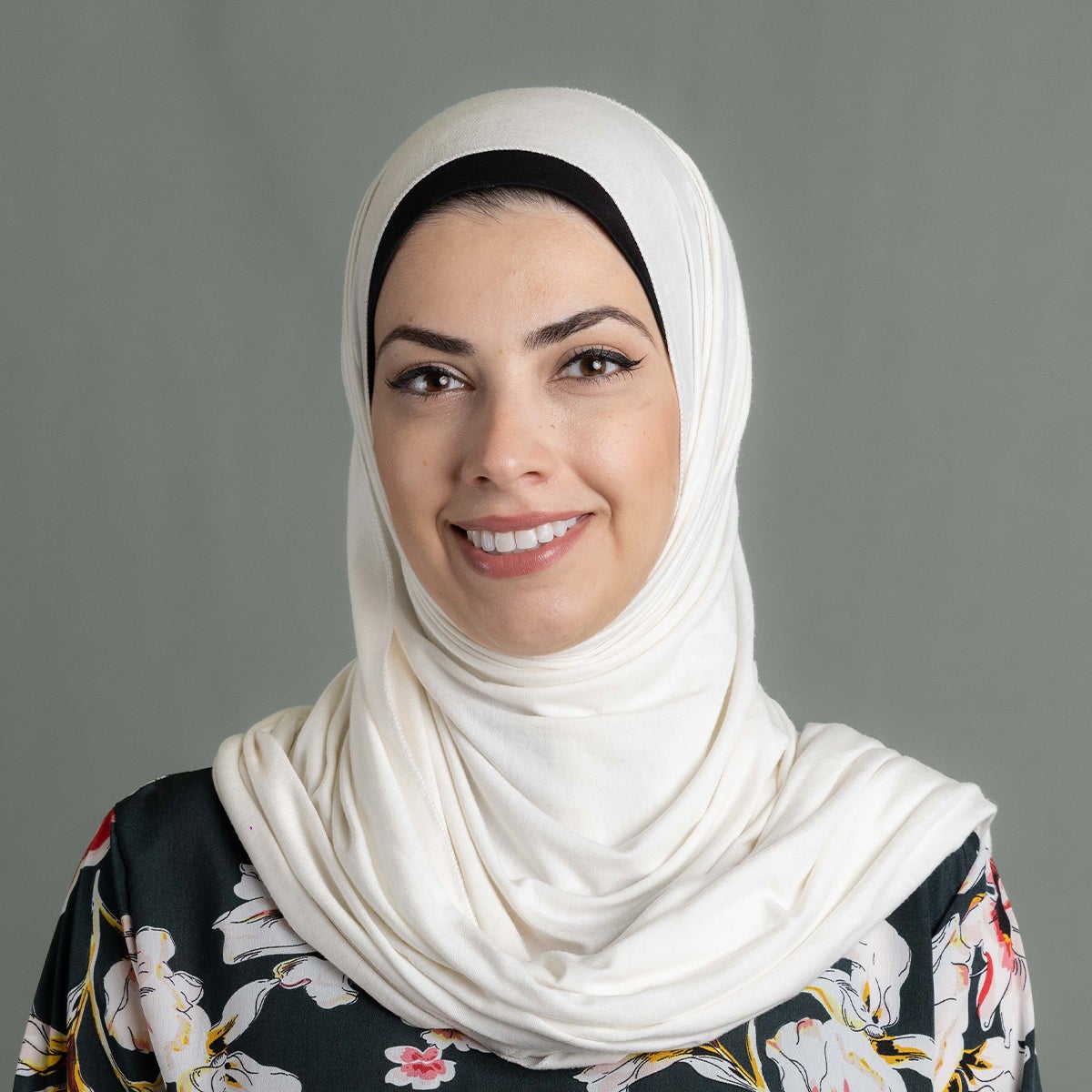
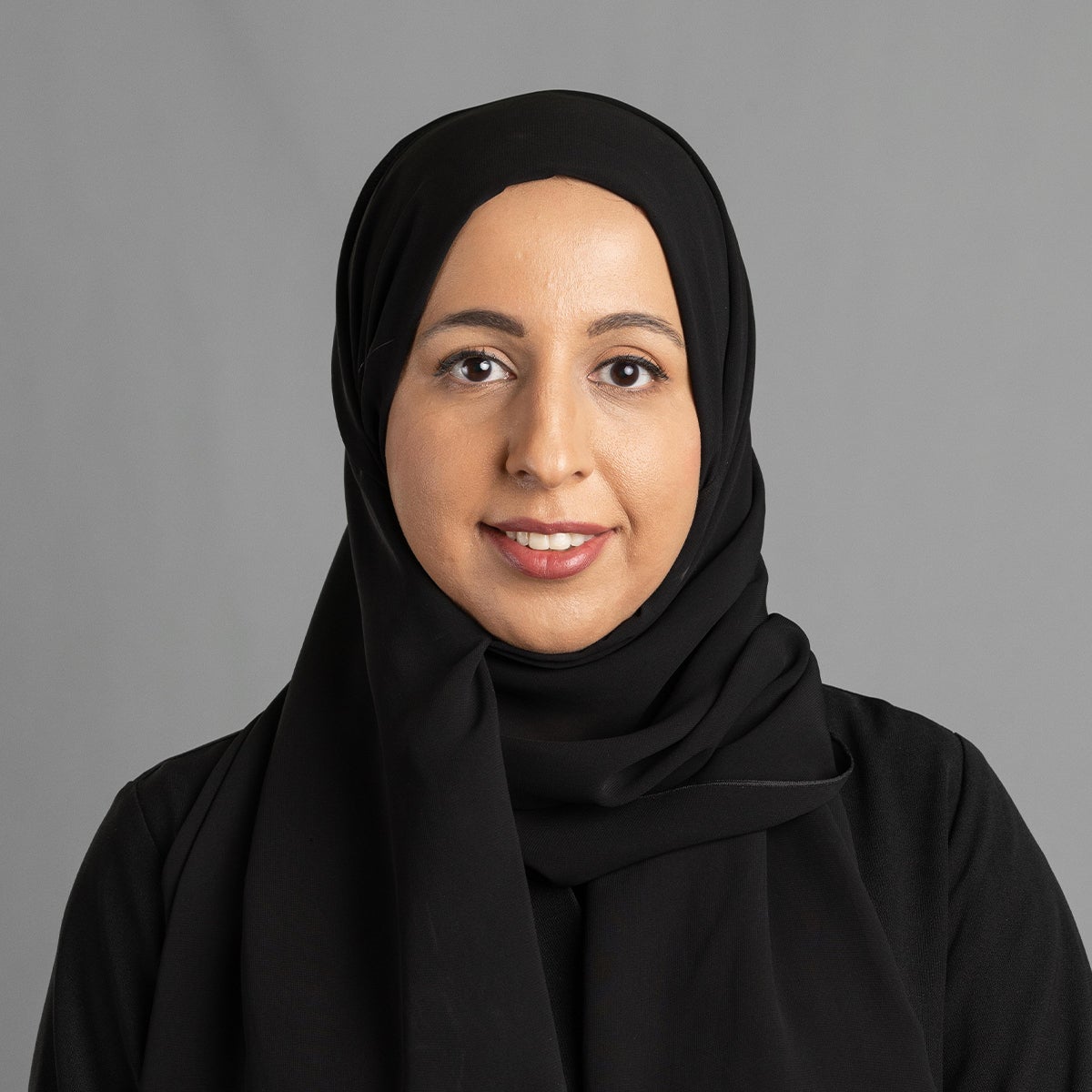
Dr. Marwa Khalid Qaraqe
Associate Professor
Dr. Marwa Khalid Qaraqe
Associate Professor
Educational Qualifications
PhD in Electrical Engineering
MSc in Electrical Engineering
Entity
College of Science and Engineering
Division
Information & Computing Technology
Biography
Dr. Marwa Qaraqe is an Associate Professor in the College of Science and Engineering at Hamad Bin Khalifa University. She is also the co-founder of the Autism Sensing Center (A-Sense) of the College of Science and Engineering at HBKU. She received her BSc in Electrical Engineering from Texas A&M University at Qatar with summa cum laude. Dr. Qaraqe earned her MSc and PhD in Electrical Engineering from Texas A&M University in College Station, United States.
Dr. Qaraqe serves as a TPC and reviewer to several prestigious technical journals and conferences, including the IEEE Wireless Communication and Networking Conference (WCNC) and IEEE Wireless Communication Magazine. She is also a member of the IEEE Communication Society (ComSoc) board for the Europe, Middle East, and Africa (EMEA) Region.
She has received several awards throughout her academic career, including the Best Paper Award in the 2022 IEEE Global Communications Conference (GLOBECOM), the Richard E. Wing Award for Excellence in Research, and first place in the Qatar Foundation Annual Research Forum in the Health and Biomedical Sector. She has also been awarded more than 2 million US dollars as lead principal investigator in competitive research grants for her research initiatives.
PhD in Electrical Engineering
Texas A&M University, United States
2016
MSc in Electrical Engineering
Texas A&M University, United States
2012
BSc in Electrical Engineering
Texas A&M University at Qatar
2010
- Lightweight security for wireless networks
- Machine learning for wireless communication
- AI-enabled technology for personalized learning and intervention in children with autism
- Predictive analytics
Associate Professor
College of Science and Engineering, Hamad Bin Khalifa University
2022 - Present
Assistant Professor
College of Science and Engineering, Hamad Bin Khalifa University
2016 - 2022
Research Assistant
Department of Electrical and Computer Engineering, Texas A&M University, United States
2010 - 2016
Complete Publication Listing(s): Google Scholar
- LPI: M. Qaraqe, PI: Dr. Dena Al-Thani, Dr. Fredrick Shic, and Ms. Chahnaz Baroudi, “Attention-AI: AI-Enabled Sensing for Joint Attention Detection in Children with Autism,” QRDI ARG, Cycle 1, $739,233, Jan 2024 – Jan 2027. Collaborating partners: Renad Academy, Seattle Children’s Hospital
- LPIs: M. Qaraqe, Saud Althunibat, Jonathan Rodriguez, “Developing Physical-Layer Security Schemes for Internet of Things Networks,” NATO - Science for Peace and Security Program (SPS), 600,000 Euros ($704,000), Nov 2020 – Nov 2023. Collaborating partners: Al-Hussein Bin Talal University and Institute of Telecommunication – Portugal
- LPIs: M. Qaraqe, H. Celebi, “Intelligent Public Safety Platform for Smart Cities, TUBITAK-QNRF Joint Funding Program, Cycle 3, $750,000, April 2021 – April 2024. Collaborating partners: Gibze Technical University, Texas A&M University, Ministry of Interior Qatar, Informatica Qatar, Havelsan, and Turkcell.
- LPI: M. Qaraqe, M. Stotland, “Non-subjective facial assessment of children with cranio-facial abnormalities,” HBKU Innovation Fund Center, $14,000, Aug 2020 – Aug 2021. Collaborating partners: Sidra Medicine
- Best Paper Award, “A Novel Sybil Attach Detection Mechanism for Mobile IoT networks,” 2022 IEEE Global Communications Conference (IEEE Globecom)
Dr. Dena Al-Thani
Associate Professor
Educational Qualifications
PhD in Computer Science
MSc in Software Engineering
Entity
College of Science and Engineering
Division
Information & Computing Technology
Biography
Dr. Dena Al-Thani is an Associate Professor, Co-Founder of the A-sense Center of Excellence, and Head of the Information and Computing Technology Division at the College of Science and Engineering. She received her Ph.D. in Computer Science from Queen Mary University of London. Her research interests include accessibility, inclusive design, and eHealth.
Dr. Al-Thani actively publishes in top journals and presents at international conferences. Her research on inclusion aims to make a global impact. She is a member of the WHO's technical advisory group on assistive technology and the Arab ICT Accessibility Expert Group, led by Mada.
PhD in Computer Science
Queen Mary University of London, England
2016
MSc in Software Engineering
Queen Mary University of London, England
2009
BSc in Computer Science
Qatar University
2004
- Inclusive Design
- Autism
- Accessibility
- Explainable AI
Associate Professor
College of Science and Engineering, Hamad Bin Khalifa University
2022 - Present
Assistant Professor
College of Science and Engineering, Hamad Bin Khalifa University
2016 - 2022
Senior Manager Portal and Integration Platforms
Ooredoo, Qatar
2009 - 2011
Complete Publication Listing(s): Google Scholar | Scopus
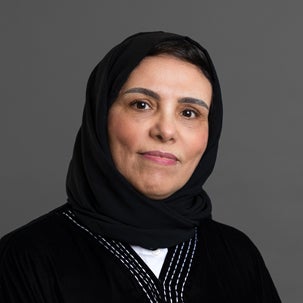
Dr. Halima Bensmail
Principal Scientist
Joint Professor
Phone
+974 44540195Office location
1116, First Floor, HBKU Research Development Complex
Dr. Halima Bensmail
Principal Scientist
Joint Professor
Educational Qualifications
PhD in Biostatistics
MSc in Statistical Machine Learning
Entity
Qatar Computing Research Institute
College of Science and Engineering
Division
Qatar Center for Artificial Intelligence
Information & Computing Technology
Biography
Dr. Halima Bensmail is a Principal Scientist at the Qatar Computing Research Institute, a Professor at the College of Science and Engineering at Hamad Bin Khalifa University, and a visiting full Professor at Texas A&M University at Qatar. She received her PhD from Pierre & Marie Currie University in Paris, France, and worked as a postdoctoral fellow at the University of Washington and FHCRC in Seattle, Washington, USA. Halima was an assistant and associate professor at the University of Tennessee and the Virginia Medical School before joining Qatar Foundation. Halima's expertise lies in the frontiers of machine learning, bioinformatics, and computational biology, and she is also a statistician and a biostatistician.
She has published over 140 peer-reviewed papers in high-impact journals such as Nature Communications, Nucleic Acids Research, Genome Research, Briefings in Bioinformatics, Scientific Reports, and Bioinformatics. She has also earned multiple research awards taught courses in Qatar, the US, and France, and mentored many summer interns, and master's and PhD students. Halima has been the principal investigator and co-investigator on various research grants, and she is currently a member of a $2 million newly founded center provided by the USDA grant agency to the obesity center at Texas Tech. Halima has worked as a reviewer for the NIH and NSF, and she is a board member of the Artificial Intelligence and Quantum Technology Foundation in Davos and an AdCom representative of IEEE EMBs in MENA.
PhD in Biostatistics
Pierre and Marie Curie University, France
1996
MSc in Statistical Machine Learning
Pierre and Marie Curie University, France
1991
B.S. in Applied Mathematics and Statistics
University of Science - Rabat, Morocco
1989
- Machine learning and artificial intelligence for Multiomics and Multimodal data modeling
- Bioinformatics and computational biology and novel algorithms for biomarkers discovery and disease prediction and diagnosis
- Statistical inferences and their application in sciences
- Biostatistics and drug repurposing
Principal Scientist
Qatar Computing Research Institute, Hamad Bin Khalifa University
2011 - Present
Professor
College of Science and Engineering, Hamad Bin Khalifa University
2016 - Present
Associate Professor
Public Health, Eastern Virginia Medical School, United States
2006 - 2009
Associate Professor
Statistics, University of Tennessee, United States
2005 - 2006
Assistant Professor
Statistics, University of Tennessee, United States
2000 - 2005
Scientist
Data Theory, University of Leiden, Netherlands
1997 - 2000
Research Associate
Biostatistics, Fred Hutchinson Cancer Center, United States
1996 - 1997
Postdoc
Statistics, University of Washington, United States
1994 - 1996
Villiers, W., Mifsud, B., Lavender, P., Kelly, A., Bensmail, H., Elbasir, A., Dillon, A., & Osborne, C. (2023). Multi-omics and deep learning reveal context-specific gene regulatory activities of PML-RARA in acute promyelocytic leukemia. Nature Communications, 14(1), 724.
Patel, C. N., Mall, R., & Bensmail, H. (2023). AI-driven drug repurposing and binding pose meta-dynamics identifies novel targets for monkeypox virus. Journal of Infection and Public Health, 16(5), 799–807.
Chen, Z., Zhao, P., Li, F., Wang, Y., Smith, A. I., Webb, G. I., Akutsu, T., Baggag, A., Bensmail, H., & Song, J. (2020). DeepPRoMIse: A deep-learning framework for predicting two major types of RNA post-transcriptional modification sites from RNA sequences. Briefings in Bioinformatics, 21(5), 1676–1696.
Elbasir, A., Moovarkumudalvan, B., Kunji, K., Kolatkar, P., Mall, R., & Bensmail, H. (2020). A deep learning framework for sequence-based protein crystallization prediction. Journal of Bioinformatics, 35(13), 2216–2225.
Mall, R., Cerulo, L., Garofano, L., Frattini, V., Kunji, K., Bensmail, H., & Sabedot, T. S. (2020). RGBM: Regularized gradient boosting machines for identification of the transcriptional regulators of discrete glioma subtypes. Nucleic Acids Research, 46(7), e39.
- 2023; Research award for Women in AI awarded by “Middle East Enterprise AI & Analytics Summit.
- 2016; Best Contribution in Information Complexity awarded by the International Conference on Information Complexity and Statistical Modeling in High Dimensions with Applications (IC-SMHD-2016).
- 2013; Best Research Team of the 2013 NPRP outcome, awarded by Qatar National Research Fund, Doha, Qatar.
- 2011; Best Researcher in Computing, awarded by Annual Research Forum, Qatar Foundation.
- 2000; ONRST Postdoctoral Fellowship, Office of Naval Research Science and Technology, Arlington, Virginia, U.S.A.
- 1996; Best Research Award in Statistics for Classification, International Federation for Classification (IFCS96), Rome, Italy.
- 1994; Graduate Fellowship, Institute National for Research in Informatics and Automatics (INRIA), Versailles, France.
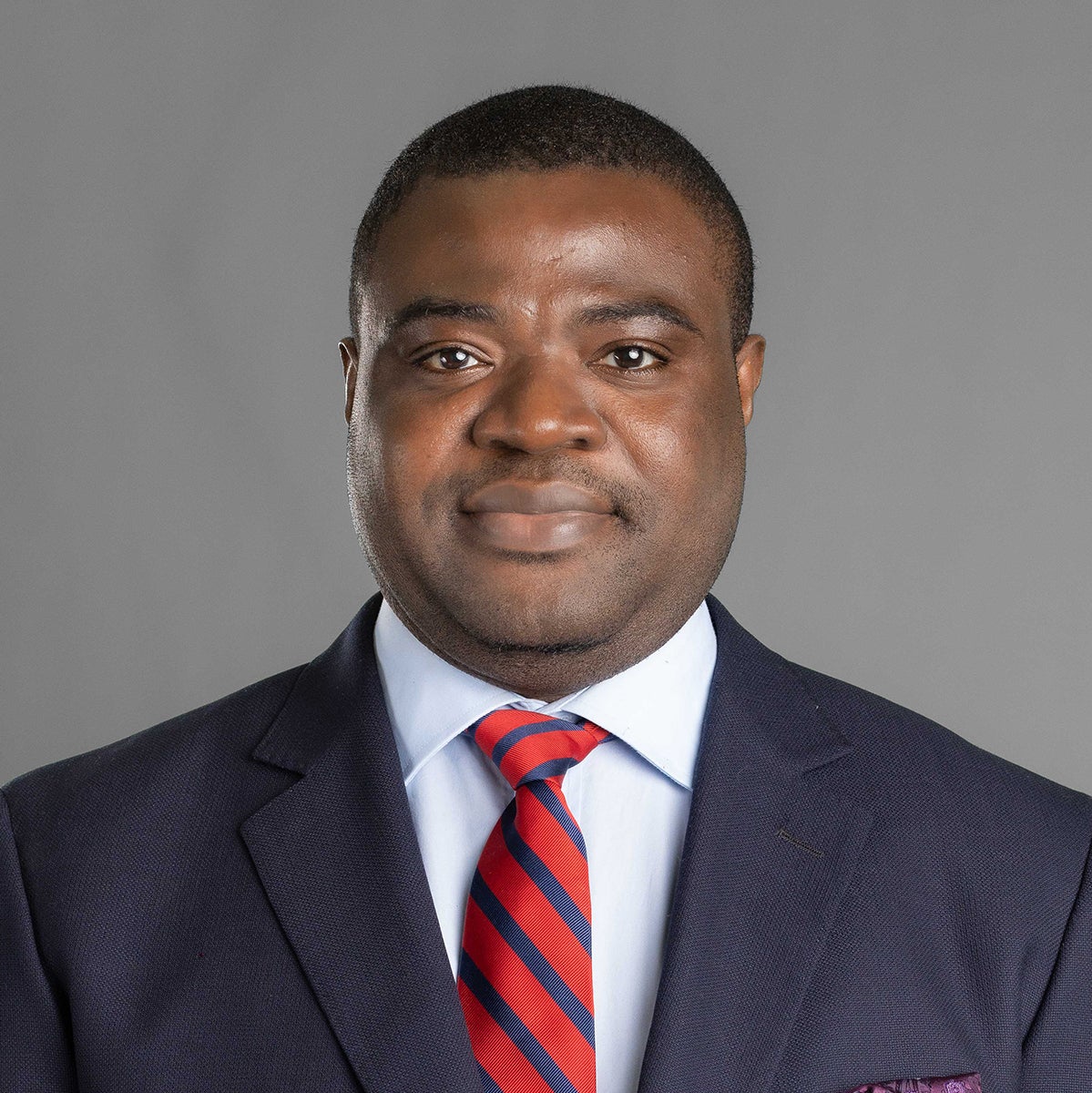
Dr. Damilola S. Olawuyi
Professor and Associate Dean for Research, UNESCO Chairholder on Environmental Law and Sustainable Development
Phone
+974 4454 2906Office location
C 03.016, College of Islamic Studies Building
Dr. Damilola S. Olawuyi
Professor and Associate Dean for Research, UNESCO Chairholder on Environmental Law and Sustainable Development
Educational Qualifications
DPhil
LL.M
Entity
College of Law
Biography
Professor Damilola S. Olawuyi, SAN (KC), FCIArb, is a Professor and UNESCO Chairholder on Environmental Law and Sustainable Development at the College of Law. He is also Chancellor’s Fellow and Director of the Institute for Oil, Gas, Energy, Environment and Sustainable Development (OGEES Institute), Afe Babalola University, Nigeria.
A prolific and highly regarded scholar, Professor Olawuyi has practiced and taught law in Europe, North America, Asia, Africa, and the Middle East.
Professor Olawuyi has published close to 100 articles, book chapters, and books on petroleum law, energy, and international environmental law.
Professor Olawuyi serves on the executive committees and boards of several organizations. He is Vice Chair of the International Law Association; co-chair of the Africa Interest Group of the American Society of International Law (2016-2019); and member of the Academic Advisory Group of the International Bar Association’s Section on Energy, Environment, Natural Resources and Infrastructure Law (SEERIL). He is the Editor-in-Chief of the Journal of Sustainable Development Law and Policy.
Professor Olawuyi holds a doctorate (DPhil) in energy and environmental law from the University of Oxford; a master of laws (LLM) from Harvard University; and another LLM from the University of Calgary. He has been admitted as Barrister and Solicitor in Alberta, Canada; Ontario, Canada; and Nigeria.
Professor Olawuyi is a regular media commentator on all aspects of natural resources, energy and environmental law.
DPhil
University of Oxford, United Kingdom
2013
LL.M
Harvard Law School, Cambridge, United States
2009
LLM
University of Calgary, Canada
2008
BL(First Class Honours)
Nigerian Law School, Abuja, Nigeria
2006
LLB (First Class Honours)
Igbinedion University, Okada, Nigeria
2005
- International Petroleum Transactions
- Energy Law and Policy
- Climate Change Law and Policy
- Africa and the Middle East
- International Environmental Law
- Business and Human Rights
- Business Organizations
- Structuring Transactions: Business Practice
- Environmental Dispute Resolution
- International Commercial Arbitration
Senior Visiting Research Fellow
Oxford Institute for Energy Studies, University of Oxford, United Kingdom
2016 - Present
Chancellor’s Fellow and Professor of International Law
Afe Babalola University, Nigeria
2016
Senior Lecturer in Law
College of Law, Afe Babalola University, Nigeria
2012-2016
David Sive Scholar
Columbia Law School, New York
2016-2016
Visiting Professor of Law
China University of Political Science and Law, Beijing, China
2015, 2016
Barrister and Solicitor
Energy Practice Group, Norton Rose Fulbright Canada LLP, Calgary, Alberta, Canada
2012-2016
University Research Fellow
Energy and Environmental Law, University of Calgary, Canada
2011-2012
Consultant
Energy and Environmental Law, International Development Law Organization, Rome, Italy
2011
(2nd Edition, Kluwer Law International, 2020) with Eduardo Pereira
in Inigo Del Guayo, Lee Godden, Donald N. Zillman, Milton Fernando Montoya, & Jose Juan Gonzalez (eds.), Energy Law and Energy Justice (Oxford University Press, 2020) 254-272.
103 (1) Journal of Environmental Science & Policy (Elsevier)
Current Opportunities and Future Directions (2020) Extractives Industry and Society Journal (Elsevier)
Handbook of International Investment Law (Springer, 2019) 1-21.
JOURNAL OF ENERGY & NATURAL RESOURCES LAW (Taylor and Francis, London) 93-117.
Innovation in Energy Law and Technology: Dynamic Solutions for Energy Transitions (Oxford University Press, 2018) 354-370.
Sustainable Development, International Aviation, and Treaty Implementation (Cambridge University Press, 2018) 154-174.
Energy Justice: US and International Perspectives (Edward Elgar, 2018) 73-104.
Encyclopaedia of Human Rights and the Environment, Indivisibility, Dignity and Legality (Edward Elgar, 2018).
Complexity's Embrace: The International Law Implications of Brexit (McGill-Queens University Press, 2018) 225-240.
7 (1) GLOBAL JOURNAL OF COMPARATIVE LAW (BRILL) 115-133 (With Mohammed E. Tok and Cristina D’ Alessandro)
36:1 JOURNAL OF ENERGY & NATURAL RESOURCES LAW (Taylor and Francis, London) 61-84.
34:1 JOURNAL OF ENERGY & NATURAL RESOURCES LAW (Taylor and Francis, London) (2016) 27-44.
MCGILL INT. JOURNAL OF SUST. DEV. LAW AND POLICY (2015) 113-158.
SANTA CLARA J. OF INTL. LAW (2015) 133-149.
OPEC ENERGY REVIEW (Blackwell Wiley) (2015) 247-265.
LAW AND DEVELOPMENT. REV. (2014) 107–129.
AFRICAN J. OF INT. & COMP. LAW (Edinburgh University Press) (2009) 270-301.
- David Sive Research Fellowship, Columbia Law School, United States (2016)
- Former Governor General of Canada, The Rt. Hon. Jeanne Sauvé's Fellowship Award for emerging global leaders (2010)
- Future Leader Award, Nigerian Leadership Initiative (2011)
- University Research Fellowship in energy law, Consortium for Peace Studies, University of Calgary, Canada (2012)
- Distinguished Alumni Award, Igbinedion University, Okada, Nigeria (2012)
- Doctoral Fellowship, Social Sciences and Humanities Research Council of Canada (2010-2013)
- Clarendon Scholarship, Oxford University Press, University of Oxford (2009-2012)
- Overseas Research Scholarship, Government of the United Kingdom (2009-2012)
- Sloane Robinson Merit Award, Keble College, University of Oxford, United Kingdom (2009-2012)
- Doctoral Fellowship, A.G Leventis Foundation, Greece (2011, 2012)
- Harvard University Graduate Scholarship Award (2008)
- Certificate of Merit, Harvard University Sustainability Program (2008)
- Alberta Law Foundation Scholarship Award (2007)
- University of Calgary Graduate Research Award (2007)
- International Fellowship, Canadian Institute of Resources Law (2007)
- Faculty of Law Graduate Award, University of Calgary (2007)
- Valedictorian and Winner of the Chancellor's Prize for the overall best graduating student (2005)
- Oba Ereduiwa's Outstanding Achievement Award, Igbinedion University, Nigeria (2005)
- Vice Chancellor's Prize for the Overall Best Graduating Law Student (2005)
- Governor Adamu Muazu's Prize for Outstanding Performance, Igbinedion University (2005)
- Professor Olu Aina's Family Prize for the Best Graduating Student in Igbinedion University (2005)