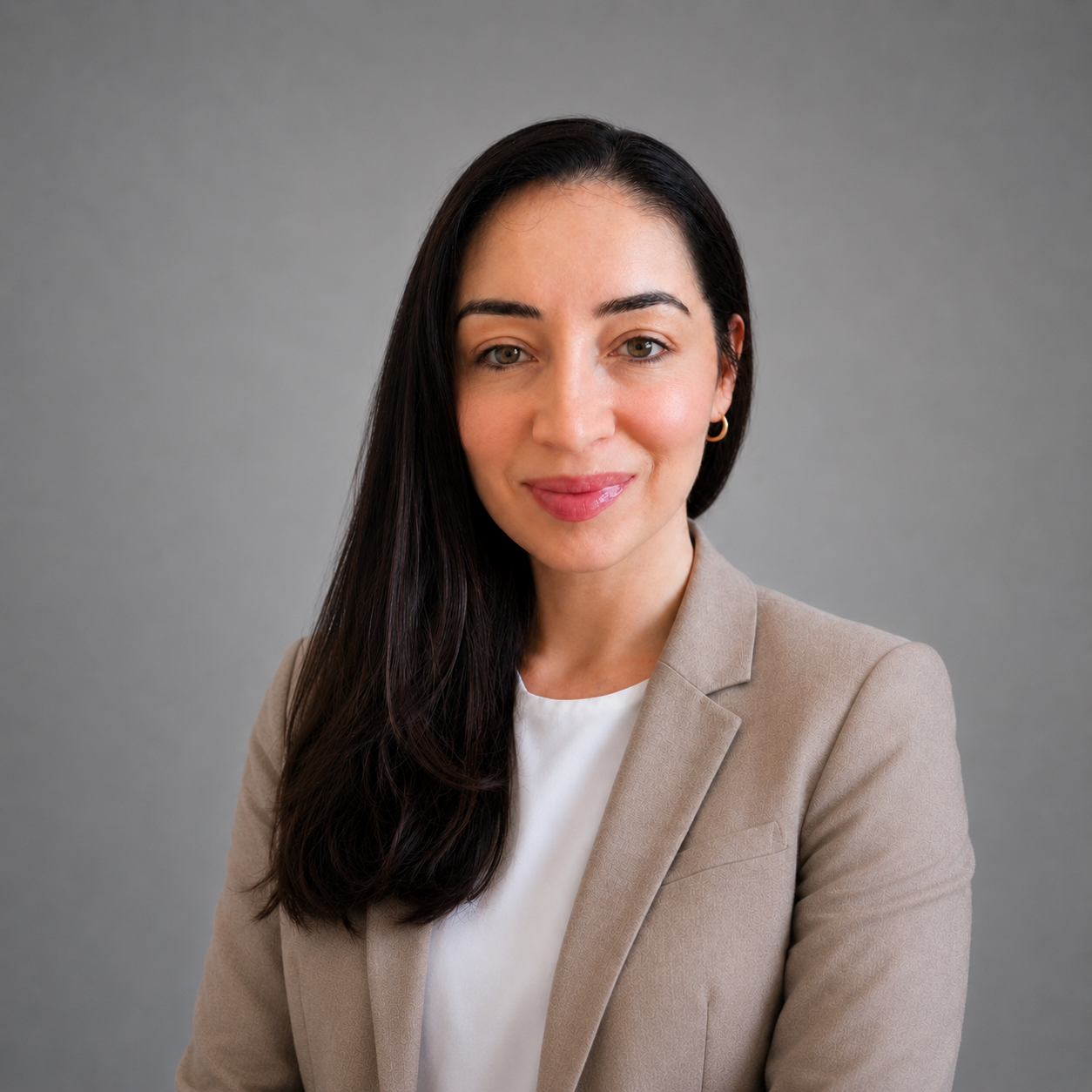
Dr. Pakize Uludag Baykan
Assistant Professor of Practice
Educational Qualifications
PhD in Education with a Specialization in Applied Linguistics
MA in Teaching English as a Second Language
Entity
College of Humanities and Social Sciences
Division
Department of Language, Culture and Communication
Biography
Pakize Uludag is an Assistant Professor of Practice in the Division of Language, Culture and Communication (LCC) at the College of Humanities and Social Sciences. She holds a PhD in Education with a specialization in Applied Linguistics from Concordia University in Montreal, Canada. Her research and professional practice focus on developing inclusive, research-informed approaches to language teaching and learning.
Prior to joining HBKU, she accumulated over 15 years of experience across North America, Turkey, and Qatar. Her research on second-language writing and assessment has been published in leading international peer-reviewed journals.
PhD in Education with a Specialization in Applied Linguistics
Concordia University, Canada
2021
MA in Teaching English as a Second Language
Northern Arizona University, United States
2011
BA in English Language and Literature
Erciyes University, Turkey
2008
- Ethnographic approaches to second language acquisition
- Intercultural competence and plurilingualism in Gulf educational contexts
- Equity-driven assessment and task design in the era of artificial intelligence
Assistant Professor of Practice
College of Humanities and Social Sciences, Hamad Bin Khalifa University
2026 - Present
Manager, Global Learning Programs
Seneca Polytechnic, Canada
2022 - 2025
Assistant Professor
Centre for Engineering in Society, Concordia University, Canada
2021 - 2022
Research Project Manager
Department of Education, Concordia University, Canada
2018 - 2021
Lecturer
Foundation English Department, Qatar University
2012 - 2017
Complete Publication Listing(s): Google Scholar
- Mitacs Globalink Research Award (2019–2021)
- British Council Assessment Research Award (2019–2021)
- TIRF Doctoral Dissertation Grant — Honorable Mention (2020)
- Concordia University Graduate Fellowship Award (2018–2020)
- CICan Silver Award for Excellence, Contributor (Seneca Polytechnic)
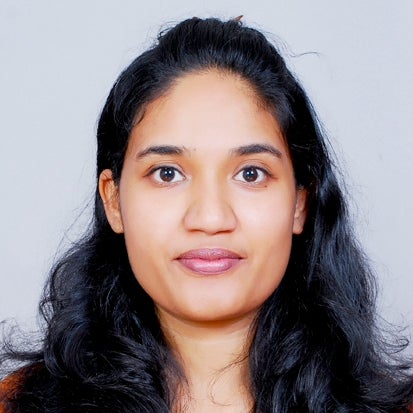
Dr. Taniya M. Samuel
Research Assistant
Dr. Taniya M. Samuel
Research Assistant
Educational Qualifications
PhD in Biological Science
MSc in General Biotechnology
Entity
Qatar Biomedical Research Institute
Division
Translational Oncology Research Center
Biography
Dr. Taniya M. Samuel was awarded her PhD in Biological Science from the Academy of Scientific and Innovative Research (AcSIR), India, with her doctoral research conducted at CSIR–National Institute for Interdisciplinary Science and Technology (CSIR-NIIST), Thiruvananthapuram, Kerala. She holds a Master’s degree in General Biotechnology and a Bachelor’s degree in Botany.
With over six years of research experience, Dr. Taniya’s expertise spans translational cancer biology, inflammation, and bioactive-driven therapeutics. Her doctoral research centered on the in vitro evaluation of the anti-breast cancer and anti-inflammatory properties of bioactive compounds and peptides derived from quinoa and amaranth. She is proficient in apoptosis assays, cell migration, immunoblotting, immunofluorescence, cytokine profiling, oxidative stress assays, and transcriptomic/proteomic analyses, including RNA isolation, NGS workflows, PPI networks, and pathway analysis.
Dr. Taniya joined Dr. Fares Al-Ejeh’s research team at the Qatar Biomedical Research Institute (QBRI) as a Research Assistant, where she is currently involved in personalised/precision oncology research with a focus on multi-omics, novel biomarker and drug target discovery, and breast cancer.
PhD in Biological Science
Academy of Scientific and Innovative Research (AcSIR), India
2024
MSc in General Biotechnology
University of Calicut, India
2015
BSc in Botany
University of Calicut, India
2013
- Breast cancer therapeutics
- Immunology
- Biomarker discovery
- Multi-omics approaches
Research Assistant
Qatar Biomedical Research Institute (QBRI), Doha, Qatar
2026 - Present
Research Volunteer
Weill Cornell Medicine–Qatar (WCM-Q)
June 2025- Jan 2026
Research Fellow
CSIR - National Institute For Interdisciplinary Science and Technology (NIIST), India
2017 - 2024
- CSIR-UGC NET Junior Research Fellowship – Council of Scientific and Industrial Research, India.
- First Prize – BIO-NAT oral Presentation, International Seminar.
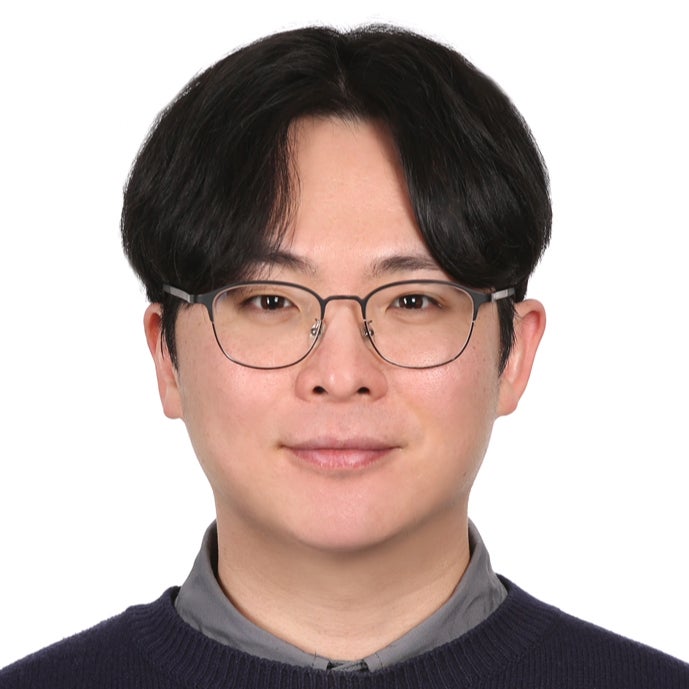
Dr. Myoung-Hyoun Song
Postdoctoral researcher
Educational Qualifications
Ph.D. in Medical Science (Integrated M.S.–Ph.D. Program)
B.S. in Biomedical Sciences
Entity
Qatar Biomedical Research Institute
Division
Neurological Disorders Research Center
Biography
Dr. Myoung-Hyoun Song is a Postdoctoral Researcher at the Qatar Biomedical Research Institute (QBRI), Hamad Bin Khalifa University. He obtained his Ph.D. in Medical Science through an integrated M.S.–Ph.D. program from the College of Medicine, Seoul National University, South Korea, in August 2025. Since 2016, he has conducted extensive research on the establishment, long-term culture, and characterization of human organoid models, which formed the foundation of his doctoral work. His research focused on integrative genomic and transcriptomic analyses, primarily whole-exome sequencing (WES) and bulk RNA sequencing, using advanced organoid-based disease models to investigate intra-tumor heterogeneity, host–microbiome interactions, and disease-associated molecular signatures.
Dr. Song has hands-on experience directing the differentiation of human induced pluripotent stem cells (iPSCs) into vascular lineages, as well as generating intestinal organoids for functional and translational studies. He also has substantial experience with high-throughput screening (HTS) platforms combined with image-based quantitative analysis to assess cellular phenotypes and drug responses, with an emphasis on reproducible and scalable analytical workflows. Building on his expertise in multi-omics integration, organoid biology, stem cell–derived model systems, and image-based phenotyping, he is expanding his research interests toward the brain-gut axis.
At QBRI, he aims to integrate patient-specific iPSC-derived neuronal cell models with omics- and imaging-driven approaches to study neurodevelopmental and neurological disorders, including autism spectrum disorder (ASD), and to advance biomarker discovery and precision disease modeling through interdisciplinary collaboration.
Ph.D. in Medical Science (Integrated M.S.–Ph.D. Program)
Seoul National University College of Medicine, South Korea
2025
B.S. in Biomedical Sciences
CHA University of Life Sciences, South Korea
2016
- Brain-Gut axis modeling using patient-derived iPSCs.
- Extracellular vesicles and exosome biology in Neuro diseases.
- Advanced imaging and image-based high-throughput screening.
- Multi-omics data integration and analysis.
Postdoctoral Researcher
Neurological Disorders Research Center, Qatar Biomedical Research Institute, Hamad Bin Khalifa University
2026 – Present
Visiting Researcher
Department of Plastic Surgery, Seoul National University Bundang Hospital, South Korea
Sep 2025 – Nov 2025
Technical Research Personnel (Alternative Military Service)
Department of Biomedical Sciences, College of Medicine, Seoul National University, South Korea
2020 – 2023
Song, M.-H., Kim, M. J., Ji, Y. S., Park, J. W., Shin, Y. K., Kim, S. C., … Jeong, S. Y. (2025). Cell free supernatants of Bifidobacterium adolescentis and Bifidobacterium longum suppress tumor growth in a colorectal cancer organoid model. Scientific Reports, 15(1), 935.
Song, M. H., Park, J. W., Kim, M. J., Shin, Y. K., Kim, S. C., Jeong, S. Y., & Ku, J. L. (2022). Colon cancer organoids using monoclonal organoids established in four different lesions of one cancer patient reveal tumor heterogeneity and different real-time responsiveness to anti-cancer drugs. Biomedicine & Pharmacotherapy, 152, 113260.
- 2022: Brain Korea 21 (BK21) Outstanding Graduate Student Award
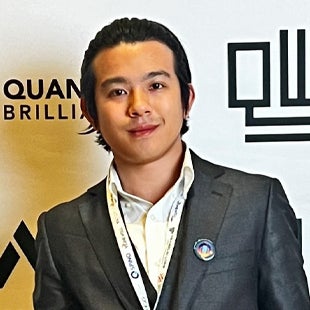
Dr. Kuancheng Chen
Postdoc Quantum Computing
Educational Qualifications
PhD in Quantum Engineering
MSc in Advanced Materials Science and Engineering
Biography
Louis Chen is a postdoctoral researcher whose work lies at the intersection of quantum artificial intelligence and distributed quantum computing. His research focuses on algorithm-level frameworks for scalable quantum computation, including distributed quantum algorithms, heterogeneous quantum architectures, and fault-tolerant strategies tailored to networked quantum systems.
He received both his MSc and PhD from Imperial College London. His doctoral research spanned device-level quantum information processing and system-level design, providing a strong foundation for bridging quantum hardware constraints with advanced algorithmic and AI-driven methods.
Louis’s current research investigates how distributed quantum systems and quantum-AI models can be leveraged to address large-scale, real-world problems in optimization, machine learning, and quantum materials simulation. A particular focus is placed on distributed quantum error-correction codes, resource-aware fault-tolerant protocols, and learning-assisted quantum control for emerging quantum networks.
He has authored over 40 peer-reviewed publications in leading journals, including Physical Review Applied, Machine Learning: Science and Technology, Advanced Quantum Technologies, Materials for Quantum Technology, and Optics Express. His work has been recognized with the 2025 IEEE Quantum Technical Community Distinguished QCE Technical Paper Award and the IEEE QCE 2025 Best Paper Awards in both the Photonic Track and Quantum Application Track.
PhD in Quantum Engineering
Imperial College London
2024
MSc in Advanced Materials Science and Engineering
Imperial College London
2017
BSc in Chemistry
National Sun Yat-Sen University, Taiwan
2016
- Quantum artificial intelligence
- Distributed quantum computing
- Quantum optimization
- Quantum HPC
Postdoc
Quantum Computing Group (QC2), Hamad Bin Khalifa University
2026 - Present
Postdoc
Imperial QuEST, Imperial College London
2024 - 2026
Chen, K.-C., et al. (2025). Validating large-scale quantum machine learning: Efficient simulation of quantum support vector machines using tensor networks. Machine Learning: Science and Technology, 6(1), 015047.
Chen, K.-C., et al. (2025). Distributed quantum neural networks on distributed photonic quantum computing. In 2025 IEEE International Conference on Quantum Computing and Engineering (QCE) (Vol. 1). IEEE.
Chen, K.-C., et al. (2026). Adaptive resource orchestration for distributed quantum computing systems. IEEE Internet Computing.
Liu, C.-Y., et al. (2025). Quantum-enhanced parameter-efficient learning for typhoon trajectory forecasting. In 2025 IEEE International Conference on Quantum Computing and Engineering (QCE) (Vol. 1). IEEE.
Burt, F., Chen, K.-C., & Leung, K. K. (2026). A multilevel framework for partitioning quantum circuits. Quantum, 10, 1984.
Complete Publication Listing(s): Google Scholar
- 2025 IEEE QTC Distinguished QCE25 Technical Paper Award
- IEEE QCE 2025 Best Paper in Photonic Track and Quantum Application Track
- Imperial College Global Fellowship 2024
- Deloitte Climate Quantum Challenge First Prize
- The Blaise Pascal Quantum Challenge Third Prize
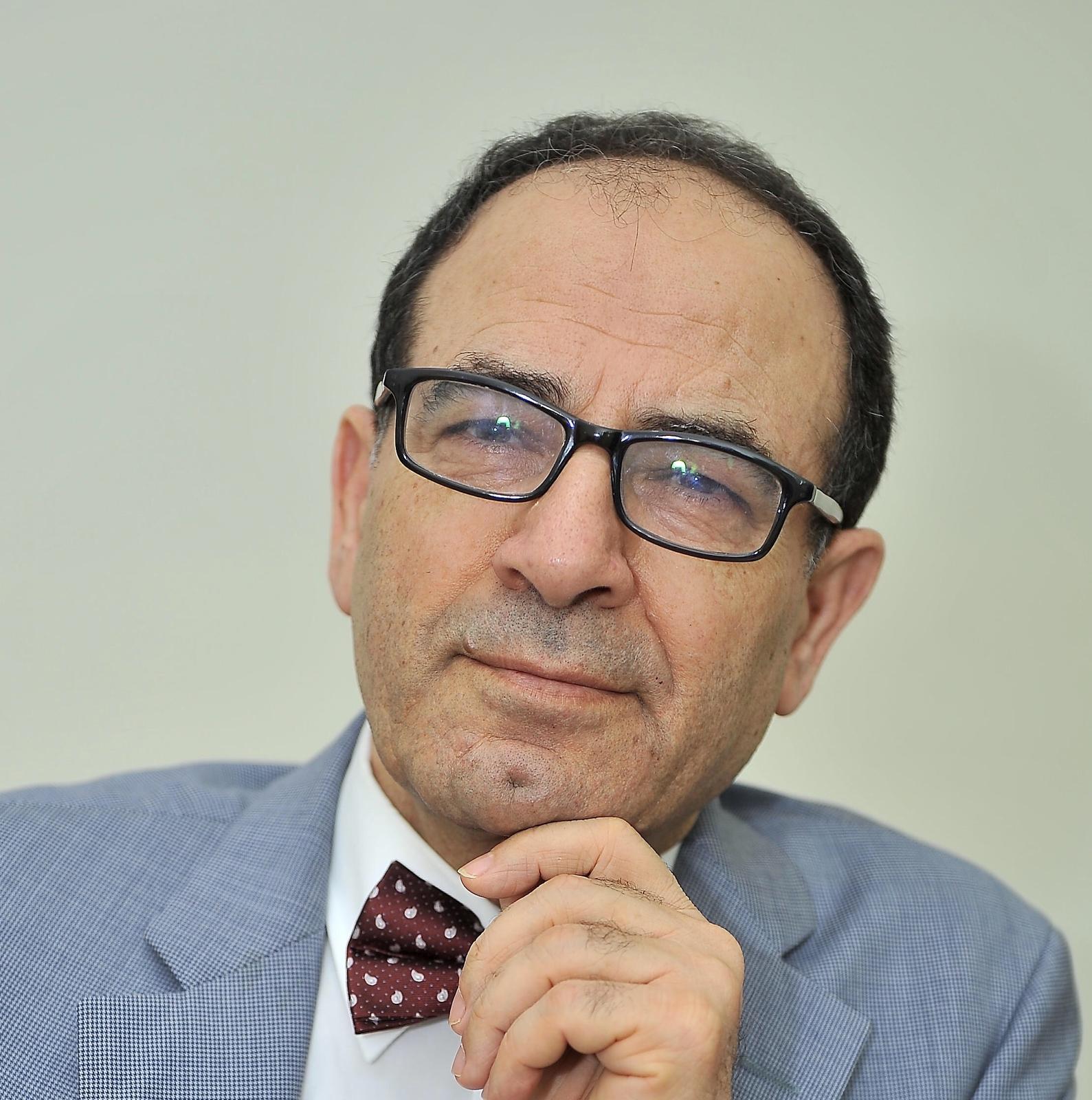
Dr. Yasir Suleiman-Malley
Dean of the College of Humanities and Social Sciences
Dr. Yasir Suleiman-Malley
Dean of the College of Humanities and Social Sciences
Educational Qualifications
PhD in Linguistics
MA
Entity
College of Humanities and Social Sciences
Biography
Professor Yasir Suleiman-Malley has vast academic leadership experience in the UK and the Arab World. He is Emeritus Professor of Modern Arabic Studies at the University of Cambridge, formerly His Majesty Sultan Qaboos Bin Said chair of Contemporary Arabic Studies at the University of Cambridge, and Iraq chair of Arabic Studies at the University of Edinburgh. He is Chair of the International Prize for Arabic Fiction (IPAF), Member of the Board of Trustees of the Gulf Research Centre-Cambridge, and a member of the Panel of Judges of the British Kuwaiti Friendship Society Book Prize for Middle Eastern Studies. Professor Suleiman-Malley is a former Vice President and Chair of Council of the British Society for Middle Eastern Studies, Former Chair of the British Kuwaiti Friendship Society Book Prize, and former member of the Board of Trustees of the University of Edinburgh. Professor Suleiman-Malley is an internationally leading scholar in Arabic sociolinguistics and Middle Eastern Studies. His edited book ‘Being Palestinian: Personal Reflections on Palestinian Identity in the Diaspora’ won the Palestine Book Award, Narrative Section in 2016. The Universities of Cambridge and Edinburgh set up graduate awards and prizes in his name in recognition of his significant contributions to both institutions.
PhD in Linguistics
University of St. Andrews, Scotland
1984
MA
University of Cambridge, UK
2010
BA in Classical Arabic and Syriac
University of Durham, UK
1986
BA in English Language and Literature
University of Jordan
1972
- Sociocultural linguistics
- Arabic literature
- Translation studies
- Diaspora studies
Dean
College of Humanities and Social Sciences, Hamad Bin Khalifa University
2025 - Present
Founding President, Acting President, and Provost
Doha Institute for Graduate Studies
2015 - 2020
Founding Director
Centre of Islamic Studies, University of Cambridge
2008 - 2017
Head of Department of Middle Eastern Studies
University of Cambridge
2007 - 2010
Chair of School of Languages, Literatures and Cultures
University of Edinburgh
2006 - 2007
- Commander of the Order of the British Empire, CBE (2011, Queen Elizabeth II)
- Fellow, Royal Society of Edinburgh, FRSE (2001, RSE Council and President)
- Fellow, Royal College of Physicians of Edinburgh, FRCPE (2016, College Council and President)
- Ambassador of the University of Sarajevo (2013, University Council and President)
- Emeritus Professor in Linguistics, University of Jordan (2024, University Deans Council and President)
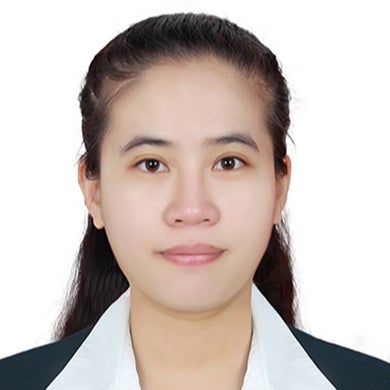
Dr. Chunliang Yang
Research Fellow
Educational Qualifications
PhD. In Basic Medical Sciences
M.S. in Immunology
Entity
Qatar Biomedical Research Institute
Division
Diabetes Research Center
Biography
Dr. Chunliang Yang is a Research Fellow in the Diabetes Research Center at the Qatar Biomedical Research Institute (QBRI). She earned her Ph.D. in Immunology from Huazhong University of Science and Technology (HUST), under the mentorship of Prof. Cong-Yi Wang, a leading expert in diabetes immunology. During her doctoral and master's training at HUST, Dr. Yang specialized in dissecting the immunometabolic mechanisms underlying type 1 and type 2 diabetes, with a particular focus on the pathogenic roles of T cells and macrophages in disease progression.
Dr. Yang is highly skilled in establishing murine models of diabetes and employing advanced techniques in cellular immunology and metabolic phenotyping to investigate disease pathogenesis. Her productive research has led to multiple first-author publications in high-impact journals, including Molecular Therapy, in which her work has elucidated novel mechanisms involving the PDIA3 chaperone function and interferon regulatory factors in diabetes.
At QBRI, Dr. Yang continues to pursue her research interests at the intersection of immunology and metabolic diseases. She aims to further unravel the cellular crosstalk and immunometabolic pathways that contribute to diabetes and related metabolic disorders, with the ultimate goal of identifying novel therapeutic strategies.
PhD. In Basic Medical Sciences
Huazhong University of Science and Technology, China
2025
M.S. in Immunology
Huazhong University of Science and Technology, China
2021
B.S. in Medical Laboratory Technology
University of South China
2018
- The genetic and epigenetic mechanisms underlying type 1 diabetes and related autoimmune disorders.
- Immunometabolic crosstalk between key cell types (e.g., T cells, macrophages) and metabolic organs in the pathogenesis of obesity and type 2 diabetes.
- Diet-derived metabolites or small molecules for the prevention and treatment of metabolic and autoimmune diseases.
- The cellular and molecular mechanisms driving the recurrence of metabolic disorders following therapeutic intervention.
Research Fellow
Diabetes Research Center, Qatar Biomedical Research Institute, Hamad Bin Khalifa University
2025 - Present
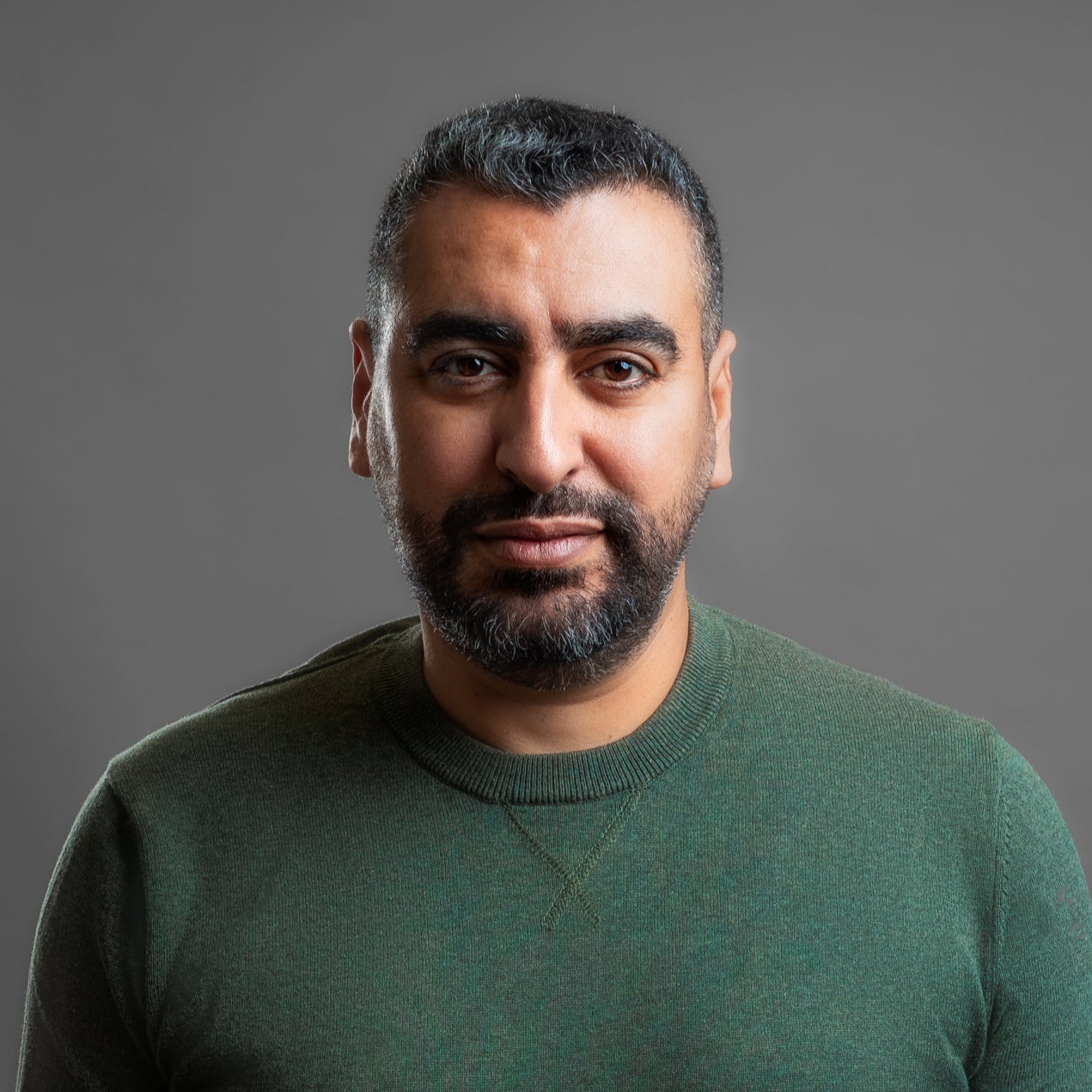
Dr. Salim Bougarn
Research Assistant
Educational Qualifications
PhD in Immunology
M.Sc. in Drug Toxicology
Entity
Qatar Biomedical Research Institute
Biography
Dr. Salim Bougarn is a multidisciplinary clinical and translational research scientist with over 15 years of experience in immunology, oncology, infectious diseases, and cellular therapy. He has led pioneering research at the intersection of cancer biology, immune engineering, and host-pathogen interactions.
From 2015 to 2023, Dr. Bougarn served as a staff scientist associate at Sidra Medicine, Doha, where he led projects on primary immunodeficiencies, pediatric infectious diseases, immune profiling in rare diseases, cancer stem cells, and cellular therapy. His work advanced functional genomics in neonates and children, and deepened understanding of genetic susceptibility to infections.
His oncology research includes adoptive cell therapy, CAR-T and CAR-NK engineering, microRNA roles in tumorigenesis, and cancer risk modeling in IBD. He previously held a postdoctoral position at Weill Cornell Medical College (Qatar and New York) and served as a research assistant/lecturer at the Universities of Amiens and Tours in France, contributing to vaccine development and innate immunity research.
Dr. Bougarn holds a Ph.D. in Immunology and Infectious Diseases from INRA, France, a Doctor of Veterinary Medicine (DVM), and a Master’s in Drug Toxicology.
His research interests include cancer immunotherapy, cancer stem cells, pediatric immunology, host-pathogen interactions, precision medicine, and functional genomics.
PhD in Immunology
Tours University
2011
M.Sc. in Drug Toxicology
Paris 5 University
2007
- Oncology
- Immunology
- Rare diseases
- Cancer therapy
Staff Scientist
Sidra Medicine
2015 - 2024
Postdoctoral Fellow
Genetic Medicine, Weill Cornell Medicine-Qatar
2013 - 2015
Assistant Professor/Lecturer
Laboratory of Cellular and Molecular Physiology, Amiens University
2011 - 2012
Assistant Professor/Lecturer
Inserm Unit U618, Proteases and pulmonary vectorization, Tours University
2010 - 2011
- 2nd and 3rd best Poster, Best of ASCO, 2024
- Best Oral communication, Rencontre du réseau IAD, 2010
- 1st place in doctoral competition in Region Centre, France, 2007
- Graduated within the top 10 of the class from the National Veterinary College

Dr. Omneya Abdelsalam
Professor and Program Coordinator
Educational Qualifications
PhD
Entity
School of Economics and Management
Biography
Professor Omneya Abdelsalam is a professor of ethical finance & sustainable Development, a certified educator accredited by the UK Chartered Association of Business Schools (CABS), and a fellow of the UK Higher Education Academy (Advance HE) since 2004. She obtained her PhD from Edinburgh Business School and held academic positions in triple-accredited UK business schools for 25 years. She has also assumed various academic leadership roles in top international universities over the last 15 years. She is the founding director of the International Research Centre “Ethical Finance, Accountability & Governance” (EFAG) at Durham University (top 100) and the founding and lead director of Durham University Sustainable Development Goals Implementation Network, funded by the British Council (Newton Fund). She received multiple awards and secured substantial research funding totalling £2.25 million from UK and international research councils and industry. She is currently working on two funded international research projects. She published her research in top international academic journals such as the Journal of Corporate Finance, British Accounting Review, Journal of Economic Behavior and Organization, Journal of Banking & Finance (All A* rated) as well as Journal of Business Ethics (Financial Times top 50), Journal of Financial Services Research, Journal of International Financial Markets, Institutions & Money, and Journal of Financial Stability (All A rated). She is a subject editor of the Journal of International Financial Markets Institutions & Money (A rated) and Emerging Markets Review (A rated). She supervised 126 Master's, MBA & PhD students up to successful completion, and her students have progressed well in academic, research, as well as professional careers in many countries around the world (UK, Qatar, Saudi Arabia, Malaysia, Egypt, Germany, UK, Morocco, etc).
PhD
Edinburgh Business School
1999
- Socially responsible investment
- Sustainable development goals implementation
- ESG Analytics
- Islamic banking and finance
- Impact assessment

Dr. Ghanimeh El-Taweel
Affliate Instructor
Educational Qualifications
PhD in Translation Studies: Media Accessibility
MA in Audiovisual Translation
Entity
College of Humanities and Social Sciences
Biography
Dr. Ghanimeh El-Taweel is an Affiliate Instructor at the College of Humanities and Social Sciences at Hamad Bin Khalifa University in Qatar. She is a disability advocate and activist whose work centers on media accessibility and inclusive communication in the Arab world. She holds a PhD in Translation Studies: Media Accessibility from the University of Antwerp. Ghanimeh teaches courses in Translation for Access, covering topics such as audio description, subtitling for deaf and hard-of-hearing audiences, and easy-to-understand language. Her research explores the intersection of disability, deafness, and accessibility within Arabic media and cultural contexts.
PhD in Translation Studies: Media Accessibility
University of Antwerp
2025
MA in Audiovisual Translation
Hamad bin Khalifa University
2016
- Media accessibility
- Disability studies
- Community-based research
- Participatory research
Affiliate Instructor
Language, Culture and Communication, College of Humanities and Social Sciences, HBKU
2022 - Present
Teacher’s Assistant (part-time)
Language, Culture and Communication, College of Humanities and Social Sciences, HBKU
2016 – 2021
Jimenez-Andres, M., & El-Taweel, G. (2024). Interculturality and access: Reflections from a community-based project in a higher education course in Qatar. In Teaching interculturally in Qatar (pp. 171–187). Routledge.
El-Taweel, G. (in press). Mapping subtitling services for deaf and hard-of-hearing audiences in the Arab world. Journal of Audiovisual Translation
El-Taweel, G., El-Taweel, N., Jimenez, M., & Hamouda, A. (in press). Standard vs. creative audio description in Arabic: A reception study on accessibility and engagement. EFIT: Estudis Filològics i de Traducció.
Hubail, F., & El-Taweel, G. (in press). “Have you tried olive oil?”: Navigating gender and disability across narratives and spaces in Qatar. In The myths that divide us. Nova Science Publishers.
Jimenez, M., El-Taweel, G., & Hijazi, N. (in press). Media accessibility of taboo in Arabic: The analysis of a political film. Journal of Audiovisual Translation.
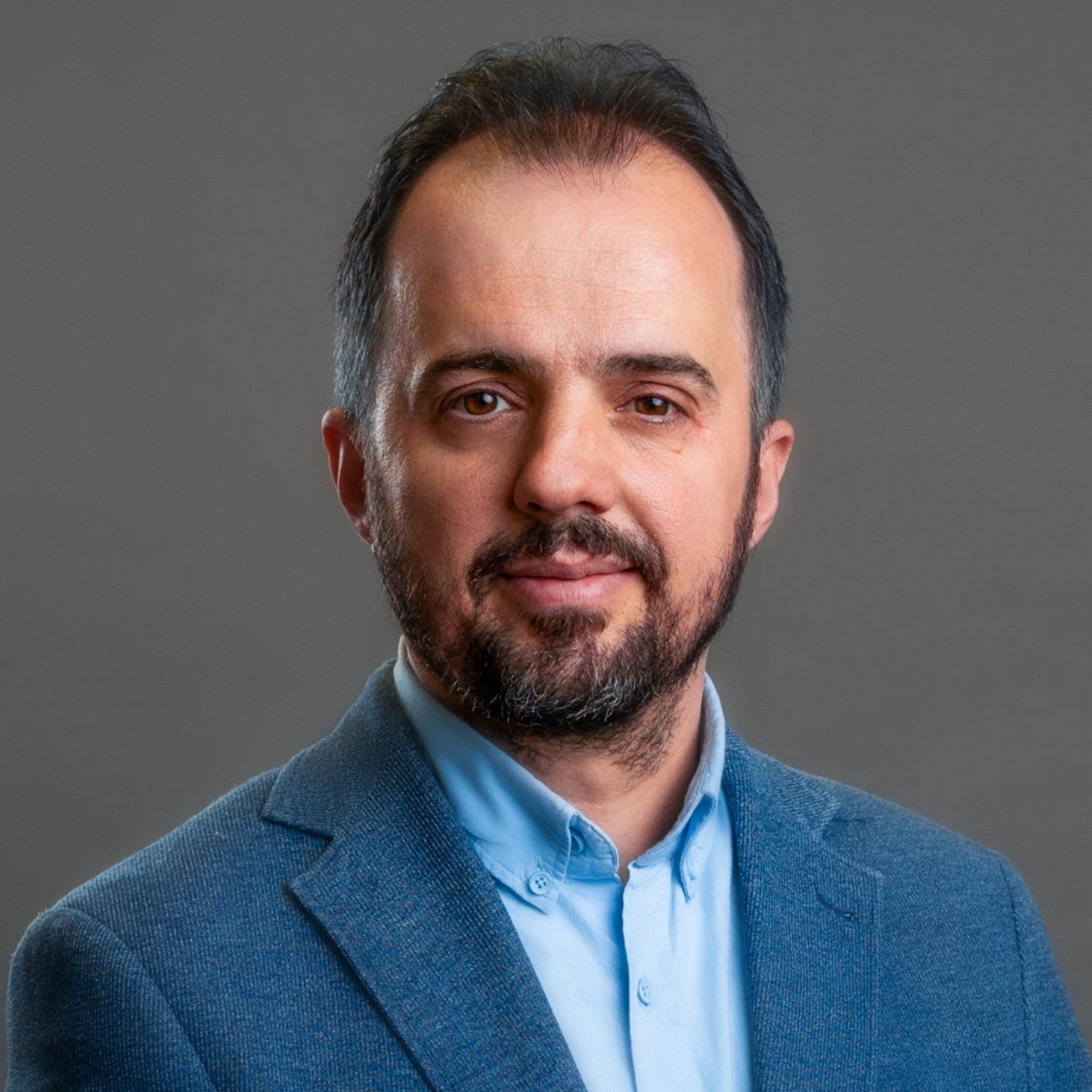
Dr. Rezart Beka
Assistant Professor of Islamic Studies
Dr. Rezart Beka
Assistant Professor of Islamic Studies
Educational Qualifications
PhD in Arabic and Islamic Studies
MA in Study of Contemporary Muslim Thought and Societies
Entity
College of Islamic Studies
Division
Islamic Studies
Biography
Dr. Rezart Beka is an assistant professor of Islamic Studies at the College of Islamic Studies (CIS), Hamad Bin Khalifa University (HBKU). He has also served as a consultant for the Digital Sirah Project at CIS, where he leads multilingual research and digital teams in producing innovative 3D and VR educational content on the Prophet’s life.
PhD in Arabic and Islamic Studies
Georgetown University
2022
MA in Study of Contemporary Muslim Thought and Societies
College of Islamic Studies, Hamad Bin Khalifa University
2016
MA in Interdisciplinary Studies in Religion and Cultures
Pontifical Gregorian University, Italy
2011
BA in Sociology
University of Tirana, Albania
2004
- Contemporary Islamic thought
- Islamic law
- Ijtihad and renewal
- Sirah
Assistant Professor of Islamic Studies
College of Islamic Studies, Hamad Bin Khalifa University
2026 – Present
Consultant
College of Islamic Studies, Hamad Bin Khalifa University
2022 – 2026
Beka, R. (Forthcoming 2025). Fiqh al-Aqalliyat (The Jurisprudence of Minorities). In Oxford Handbook of Islamic Reformism. Oxford University Press.
Beka, R. (2022). Entries (in Arabic) “Realism in Western Philosophy”, “John the Baptist”, “Joshua”. In Encyclopedia of Westernization (Mawṣūʿat al-Istigrāb). Qatar University Publication.
Beka, R. (2019). Islamophobia in the contemporary Albanian public discourse. In E. Bayraklı & F. Hafez (Eds.), Islamophobia in Muslim majority societies (pp. 45–59). Routledge.
- One-year merit-based fellowship at Prince Al Waleed Bin Talal Center for Muslim-Christian Understanding (ACMCU), Georgetown University (2018)
- Full merit-based scholarship for PhD in Islamic & Arabic Studies at Georgetown University (2016–2022)
- International scholarship for MA in Islamic Studies, CIS, HBKU (2013–2016)
- Scholarship for non-Christians for the Study of Christianity, Nostra Aetate Foundation (2009–2010)