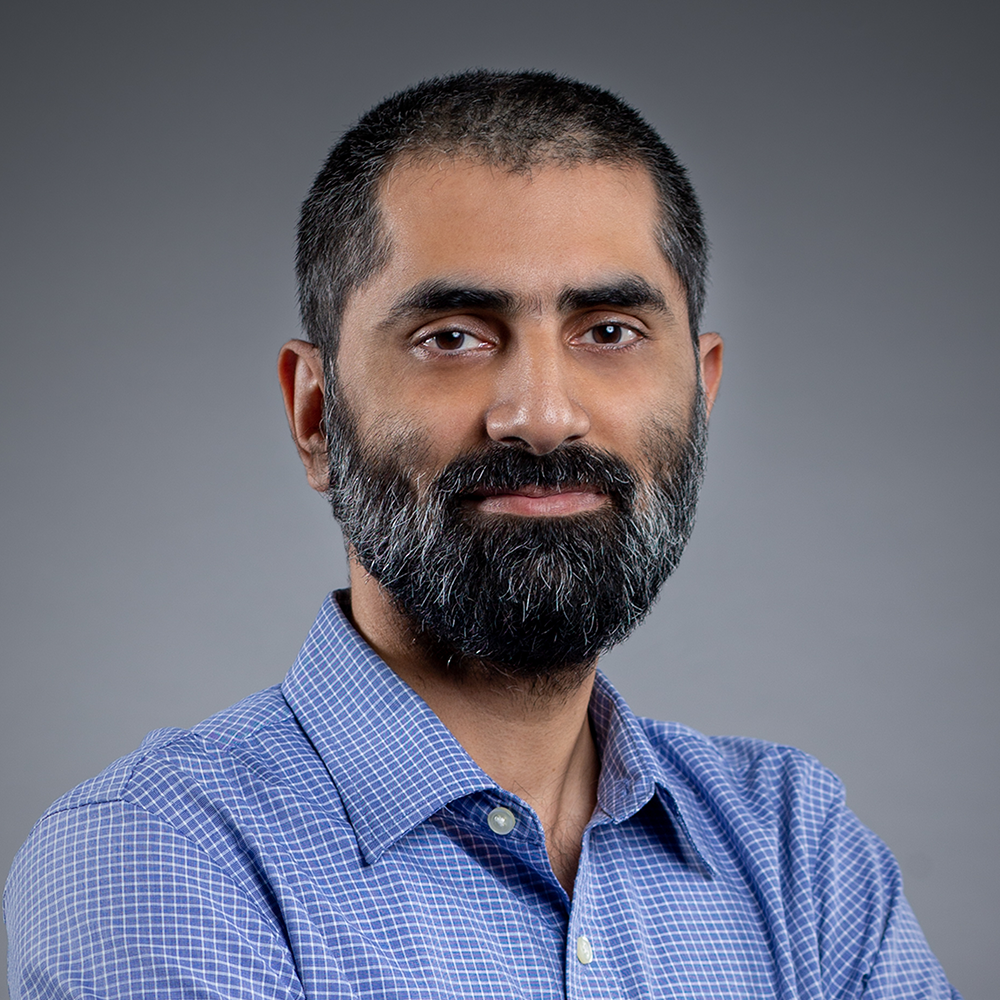
Dr. Ehsan Ullah
Post-Doctoral Researcher
Phone
+974 44545737Office location
Office Number A102, 1st Floor, Research and Development Complex
Dr. Ehsan Ullah
Post-Doctoral Researcher
Educational Qualifications
Ph.D. Computer Science
M.Sc
Entity
Qatar Computing Research Institute
Division
Qatar Center for Artificial Intelligence
Biography
Dr. Ehsan Ullah is a post-doctoral researcher at Qatar Computing Research Institute, Hamad Bin Khalifa University. Dr. Ullah received his Ph.D. degree in 2014 from Tufts University, Medford, Massachusetts. He received his M.Sc. and B.Sc. from University of Engineering and Technology, Lahore. Ehsan Ullah is interested in health informatics, computational biology, genomics and algorithms.
Ph.D. Computer Science
Tufts University Medford, USA
2014
M.Sc
Electrical Engineering University of Engineering and Technology Lahore, Pakistan
2007
B.Sc.
Electrical Engineering University of Engineering and Technology Lahore, Pakistan
2002
- Health informatics
- Computational biology
- Genomics and algorithms.
Research / Teaching Assistant
Tufts University, Medford, USA.
2008-2014
Lecturer
Department of Electrical Engineering, University of Engineering and Technology Pakistan.
2004-2008
Research Assistant/Associate
Al-Khwarizmi Institute of Computer Science, Lahore Pakistan
2003-2008
Selection Finder (SelFi): A computational metabolic engineering tool to enable directed evolution of enzymes; Metabolic Engineering Communications 4, 37-47
A design study to identify inconsistencies in kinship information: The case of the 1000 Genomes project; Pacific Visualization Symposium (PacificVis), 2016 IEEE, 254-258
An algorithm for computing elementary flux modes using graph traversal; IEEE/ACM Transactions on Computational Biology and Bioinformatics
An uncertainty-aware algorithm for identifying predictable profitable pathways in biochemical networks; IEEE/ACM transactions on computational biology and bioinformatics
Discovery of substrate cycles in large scale metabolic networks using hierarchical modularity; BMC systems biology 9 (1)
Integrative 1H-NMR-based metabolomic profiling to identify type-2 diabetes biomarkers: An application to a population of Qatar; Metabolomics 5 (1),
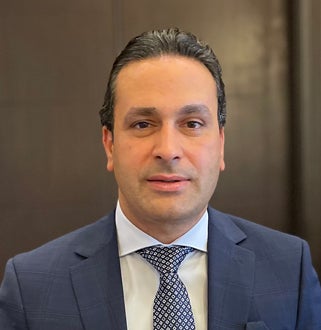
Dr. Essam M. Abdelalim
Associate Professor
Educational Qualifications
PhD in Medical Science
MVSc (Master’s degree in Vet. Science)
Entity
College of Health and Life Sciences
Biography
Dr. Abdelalim is an Associate Professor at the College of Health and Life Sciences, Hamad Bin Khalifa University, and a Principal Investigator at Sidra Medicine, leading the Pluripotent Stem Cell Disease Modeling Laboratory. He holds a PhD in medical science from Shiga University of Medical Science, Japan, where he also completed a postdoctoral fellowship and served as an assistant professor.
Before joining Sidra Medicine, he served as a senior scientist at QBRI until February 2024, establishing Qatar's first pluripotent stem cell program dedicated to diabetes research. His team successfully generated multiple iPSC lines from patients with genetic disorders and developed innovative protocols to improve the differentiation of stem cells into pancreatic islets and other cell types.
In addition, Dr. Abdelalim chaired the HSCI-QBRI steering committee, overseeing collaborative diabetes and stem cell research initiatives. He serves on the editorial boards of “Stem Cells Translational Medicine” and “Stem Cells and Development” and has published over 75 articles in prestigious journals. He has received numerous research grants and awards throughout his career.
PhD in Medical Science
Shiga University of Medical Science, Japan
2009
MVSc (Master’s degree in Vet. Science)
Suez Canal University, Egypt
2002
BVM (Bachelor of Veterinary Medicine)
Suez Canal University, Egypt
1998
- Leveraging human pluripotent stem cells to model diabetes and rare genetic disorders
- to identify potential therapeutic targets.
- Generation of patient-derived iPSCs and application of gene-editing techniques to investigate the impact of specific gene functions and genetic mutations on disease mechanisms.
- Enhancement of differentiation protocols for stem cells to produce functional pancreatic beta cells for potential therapeutic use.
Principal Investigator-Associate Level
Translational Medicine, Sidra Medicine
2024 - Present
Joint Associate Professor
College of Health and Life Sciences, Hamad Bin Khalifa University
2023 - Present
Senior Scientist
Diabetes Research Center, Hamad Bin Khalifa University
2023 - 2024
Joint Assistant Professor
College of Health and Life Sciences, Hamad Bin Khalifa University
2018 - 2023
Joint Assistant Professor
College of Science and Engineering, Hamad Bin Khalifa University
2015 - 2018
Complete Publication Listing(s): PubMed
- 2022: 1st Place, QBRI-Affiliated Publications Award for Outstanding Corresponding Author for the years 2017-2022.
- 2022: QBRI Award for Excellence in Mentoring Graduate Students.
- 2021: QNL Open Initiative Award, for promoting student mentorship, biomedical science education, and open-access research in Qatar.
- 2021: QBRI Publication Award for outstanding contributions from 2018 to 2021.
- 2019: International Society for Stem Cell Research (ISSCR) Merit Award for our research, presented by my PhD student, Bushra Memon, at the ISSCR 2019 conference in Los Angeles.
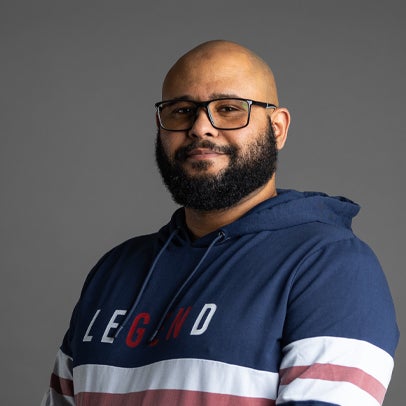
Mohamed Eldaw
Research Associate
Entity
Qatar Biomedical Research Institute
Division
Diabetes Research Center
Biography
Mr. Mohamed Eldaw Graduated from Sudan University of Science and Technology with a Bachelor's degree in Medical Laboratory Science (Microbiology) in 2006 and a Higher Diploma from Institute of Endemic Diseases-University of Khartoum in 2007. He served in various positions beginning with the Military Hospital in Sudan until he joined Shafallah Medical Genetic Center in 2010, where he worked until 2014 as a Research Assistant in Molecular Genetic Department. During this period he was involved in many projects including (Gene identification in Mendelian forms of Familial Epilepsy) and (Autosomal Recessive diseases) and the internal CAP accredited Diagnostic Laboratory. In 2014, he joined QBRI as a Research Associate in the protein laboratory.
Currently, Eldaw works with Dr. Kolatkar and is involved as a team member in various studies including mechanistic analysis of transcription factor networks involved in pluripotency and β islet cell development using a variety of methods. This includes Protein expression & purification, Bioreactor, CD, ITC, MALS, as well as X-ray crystallography. He has also helped with the techniques in biochemistry and molecular and cell biology course by assisting faculty with supervising students.
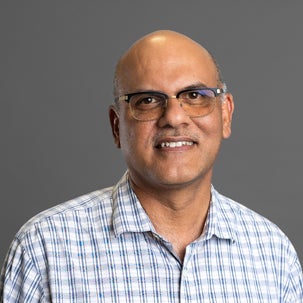
Dr. Sanjay Chawla
Chief Scientist
Entity
Qatar Computing Research Institute
College of Science and Engineering
Division
Qatar Center for Artificial Intelligence
Engineering Management & Decision Sciences
Biography
"QCRI provides an ideal environment to conduct high-impact research which can transcend disciplinary boundaries."
On Integrated Clustering and Outlier Detection. NIPS
Sleep Analytics and the Online Selective Anomaly Detection. SIGKDD
On Sparse Feature Attack in Adversarial Learning. IEEE ICDM
On the Statistical Consistency of Algorithms for Binary Classification under Class Imbalance. ICML
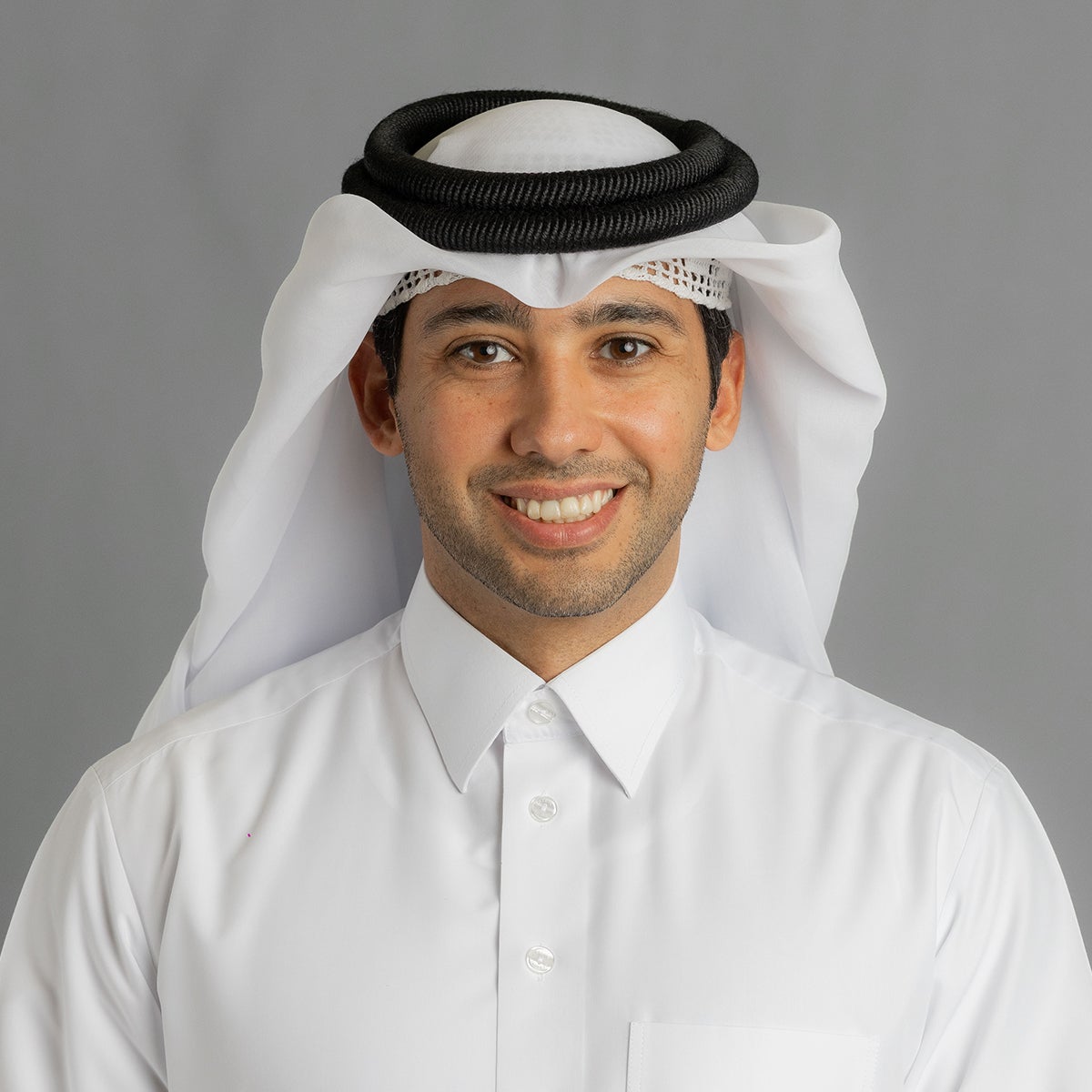
Dr. Ahmad Sami A S Abushaikha
Associate Professor
Dr. Ahmad Sami A S Abushaikha
Associate Professor
Educational Qualifications
PhD in Petroleum Engineering
MS in Reservoir geosciences and engineering
Entity
College of Science and Engineering
Division
Sustainable Development
Biography
Dr. Ahmad Sami Abushaikha is a founding faculty member. He received his BS in Petroleum Engineering and his BA in Economics from the University of Texas at Austin in 2004. In 2006, he received his MS in Reservoir Geosciences and Engineering from "Institut Français du Pétrole". From 2007 to 2009, he worked at TOTAL Research Centre at Pau, France and at Qatar Petroleum. In 2013, he received his PhD in Petroleum Engineering from Imperial College London. From 2015 to 2017, he was a Postdoctoral Research Fellow at Stanford University specializing in discretization schemes for fluid flow in porous media.
PhD in Petroleum Engineering
Imperial College London, London, United Kingdom
2014
MS in Reservoir geosciences and engineering
École Nationale Supérieure du Pétrole et des Moteurs, Rueil-Malmaison, France
2006
BA in Economics
University of Texas at Austin, Texas, United States
2004
BS in Petroleum Engineering
University of Texas at Austin, Texas, United States
2004
- Computational physics
- Reservoir simulation
- Petroleum engineering
- Sustainability
Postdoctoral Research Fellow
Stanford University, Palo Alto, United States
2015 – 2017
QRLP- Science Track Felllow
Qatar Foundation - Research and Development, Doha, Qatar
2009 – 2015
Reservoir Engineer
North Field, Qatar Petroleum, Doha, Qatar
2004 – 2009
Ahmad S. Abushaikha, Denis V. Voskov, Hamdi A. Tchelepi, SPE Reservoir Simulation Conference; 2017, DOI:10.2118/182697-MS
A.S. Abushaikha, D.V. Voskov, H.A. Tchelepi, ECMOR XV - 15th European Conference on the Mathematics of Oil Recovery; 2016, DOI:10.3997/2214-4609.201601785
Ahmad S. Abushaikha, Martin J. Blunt, Olivier R. Gosselin, Christopher C. Pain, Matthew D. Jackson, Journal of Computational Physics; 2015; 298., DOI:10.1016/j.jcp.2015.05.024
Ahmad S. Abushaikha, Olivier R. Gosselin, Europec/EAGE Conference and Exhibition; 2008, DOI:10.2118/113890-MS
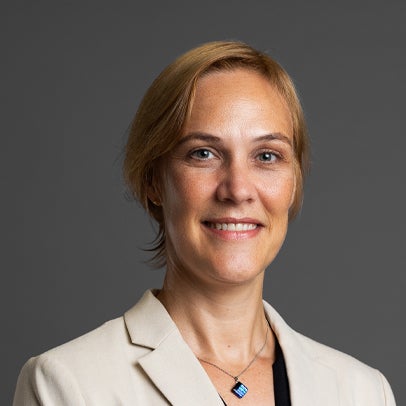
Dr. Julie Decock
Senior Scientist
Joint Associate Professor
Dr. Julie Decock
Senior Scientist
Joint Associate Professor
Educational Qualifications
PhD
MSc in Biomedical Sciences
Entity
Qatar Biomedical Research Institute
College of Health and Life Sciences
Division
Translational Oncology Research Center
Biography
Dr. Julie Decock received her Master of Science (MSc) in Biomedical Sciences from the Free University of Brussels (VUB, Belgium) and completed her Doctor of Philosophy (PhD) in Medical Sciences at the Catholic University of Leuven, KU Leuven, Belgium. Her doctoral research focused on the cancer degradome, the repertoire of proteases in the tumor microenvironment that contribute to shaping the extracellular environment and modulating pericellular signaling, thereby affecting tumor progression and clinical outcome.
She joined QBRI in 2013 and established a research program in the areas of tumor antigen discovery and tumor immunity, two key research areas that can help accelerate breast cancer research and advance the development of new treatments. Currently, her research focuses on cancer testis antigens, a group of tumor associated antigens that play pivotal roles in tumorigenesis and progression, and display high tumor specificity with minimal on- and off-target side effects. Her efforts have demonstrated that cancer testis antigens not only play important roles in multiple cancer hallmarks but can also serve as tumor specific molecular targets and modulators of anti-tumor immunity, offering diverse opportunities for anti-cancer targeting.
PhD
Faculty of Medicine, Catholic University of Leuven (KULeuven), Belgium
2008
MSc in Biomedical Sciences
Free University of Brussels (VUB), Belgium
2002
- Tumor-derived and circulating immune-related biomarkers in breast cancer
- The role of cancer testis antigens within the tumor-immune ecosystem
- Therapeutic potential of targeting cancer testis antigens for precision medicine in breast cancer
- Genetic determinants of non-BRCA high-risk familial breast cancer
Scientist, Translational Oncology Research Center
Qatar Biomedical Research Institute (QBRI), Qatar.
2016 - present
Joint Assistant Professor
College of Health and Life Sciences (CHLS), Hamad Bin Khalifa University (HBKU), Doha, Qatar.
2016 - present
Postdoctoral Researcher
Translational Oncology Research Center, Qatar Biomedical Research Institute (QBRI), Qatar.
2013 - 2016
Postdoctoral Researcher
School of Biological Sciences, Faculty of Science, University of East Anglia (UEA), UK.
2008 - 2013
Al-Siddiqi HH, Butler AE, Decock J, Mohamed-Ali V, Al-Ejeh F. Prognostic tools and candidate drugs based on plasma proteomics of patients with severe COVID-19 complications. Nat Commun. 2022;13(1):946. https://doi.org/10.1038/s41467-022-28639-4.
Targeting of lactate dehydrogenase C dysregulates the cell cycle and sensitizes breast cancer cells to DNA damage response targeted therapy. Mol Oncol. 2022 Feb;16(4):885-903. doi: 10.1002/1878-0261.13024.
Cancer testis antigen PRAME: An anti-cancer target with immunomodulatory potential. J Cell Mol Med. 2021;25(22):10376-103888. doi: 10.1111/jcmm.16967.
Immune checkpoint inhibitors in triple negative breast cancer treatment: promising future prospects. Front Oncol. 2021;10:600573. doi:10.3389/fonc.2020.600573.
Ancestry-associated transcriptomic profiles of breast cancer in patients of African, Arab and European ancestry. NPJ Breast Cancer. 2021 Feb 8;7(1):10. doi: 10.1038/s41523-021-00215-x.
Immune checkpoints in the tumor microenvironment. Semin Cancer Biol. 2020;65:1-12. doi: 10.1016/j.semcancer.2019.06.021.
Lactate Metabolism and Immune Modulation in Breast Cancer: A Focused Review on Triple Negative Breast Tumors. Front. Oncol., doi:10.3389/fonc.2020.598626.
Identification of two HLA-A*0201 immunogenic epitopes of lactate dehydrogenase C (LDHC): potential novel targets for cancer immunotherapy. Cancer Immunol Immunother. 2020 Jan 13. doi: 10.1007/s00262-020-02480-4.
The obesity paradox in cancer, tumor immunology and immunotherapy: Focus on triple negative breast cancer. Front. Immunol. 10:1940. doi: 10.3389/fimmu.2019.01940. Review.
Cancer Testis Antigens and Immunotherapy: Where Do We Stand in the Targeting of PRAME? Cancers (Basel). 2019 Jul 15; 11(7). Review.
PRAME promotes epithelial-to-mesenchymal transition in triple negative breast cancer. J Transl Med. 17(1):9. doi: 10.1186/s12967-018-1757-3.
NY-ESO-1 based immunotherapy of cancer: current perspectives. Front. Immunol. 9:947. doi: 10.3389/fimmu.2018.00947. Review.
Complete list of publications https://www.ncbi.nlm.nih.gov/myncbi/julie.decock.1/bibliography/public/
- Elected as full member of the Royal Society of Biology, UK (2022)
- Open Initiative Award 2020, Qatar National Library, Qatar
- Recognition for excellence 2016, Cancer Biology and Therapeutics Program (HMS-CBT), Harvard Medical School, USA
- Open Initiative Award 2020, Qatar National Library, Qatar
- Recognition for excellence 2016, Cancer Biology and Therapeutics Program (HMS-CBT), Harvard Medical School, USA.
- HBKU Thematic Research Grant Program, “Validation of LDHC as a novel target for precision medicine in breast cancer”. Lead PI, 2021-2023.
- QBRI Internal Grant Program (IGP), “Exploration of novel therapeutic opportunities targeting LDHC in triple negative breast cancer”. Lead PI, 2021-2024.
- QBRI Interdisciplinary research program (IDRP), “Integrative, translational research against COVID-19”. Lead PI, 2021-2023.
- QBRI Internal Grant Program (IGP), “Mechanisms in pancreatic development and breast cancer stemness mitigated by Sox2”. Co-PI, 2021-2024.
- “How beta cell-derived interleukin-33 shapes T cell regulation in T1D”. Co-PI (2020-2023).
- QBRI Interdisciplinary research program (IDRP), “Diagnostic and predictive biomarkers in breast cancer”. Co-PI, 2019-2024.
- QBRI Interdisciplinary research program (IDRP), “An integrated -omic approach to identify biomarkers for Type 2 Diabetes associated complications and comorbidities”. Co-PI, 2018-2023.
- QBRI Interdisciplinary research program (IDRP), “Identifying Potential Molecular Biomarkers for Autism Spectrum Disorder”. Co-PI, 2018-2023.
- QBRI Internal Grant Program (IGP #2016-003), “Pilot study of the role of Lactate Dehydrogenase C (LDHC) in the growth and migratory potential of triple negative breast cancer cells”. Lead PI, 2017-2019.
- QBRI Internal Grant Program (IGP #2014-006), “Cancer Testis Antigens as candidate targets for cancer immunotherapy of Triple Negative Breast Cancer and the role of hypoxia in T cell based immunotherapy. Lead PI, 2016-2019.
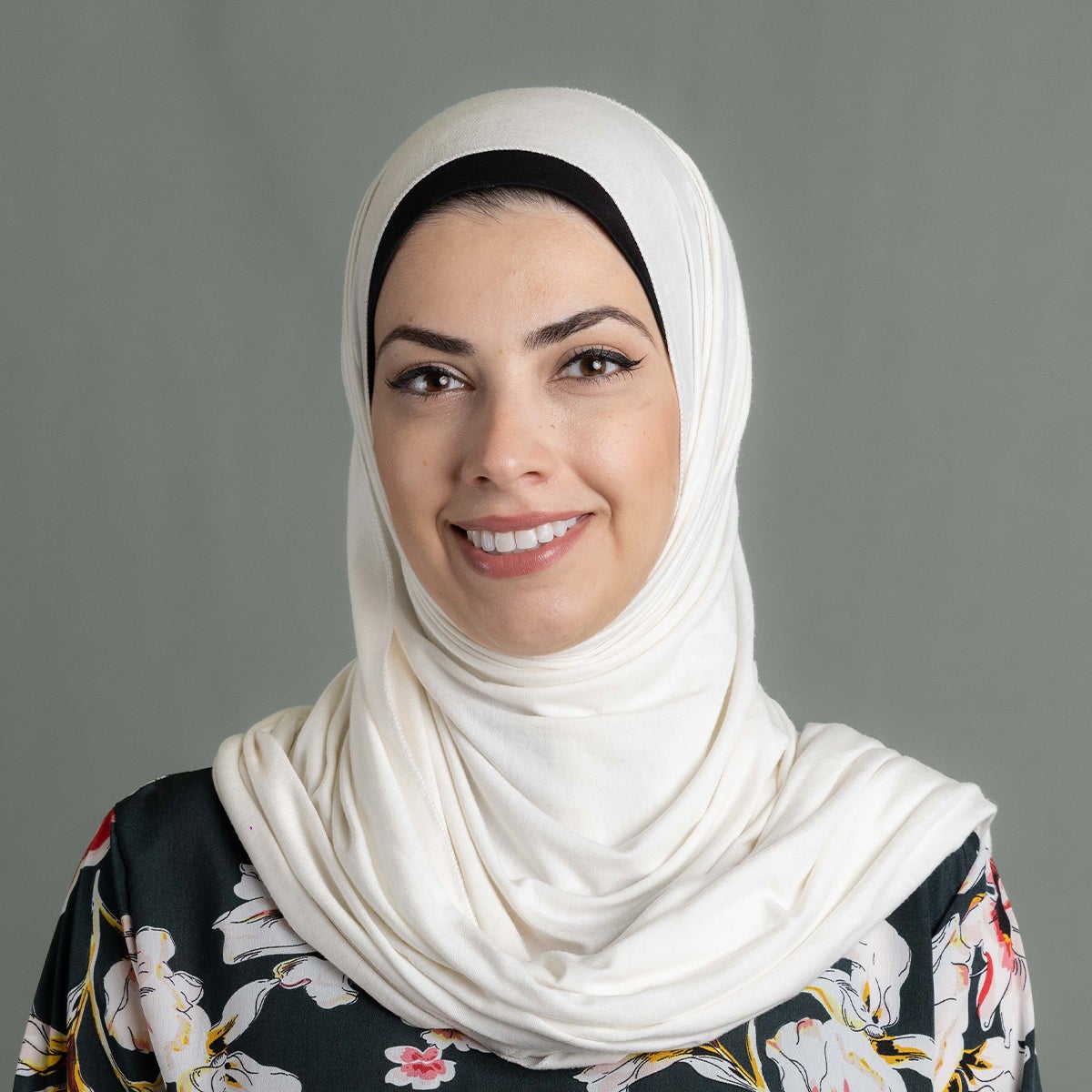
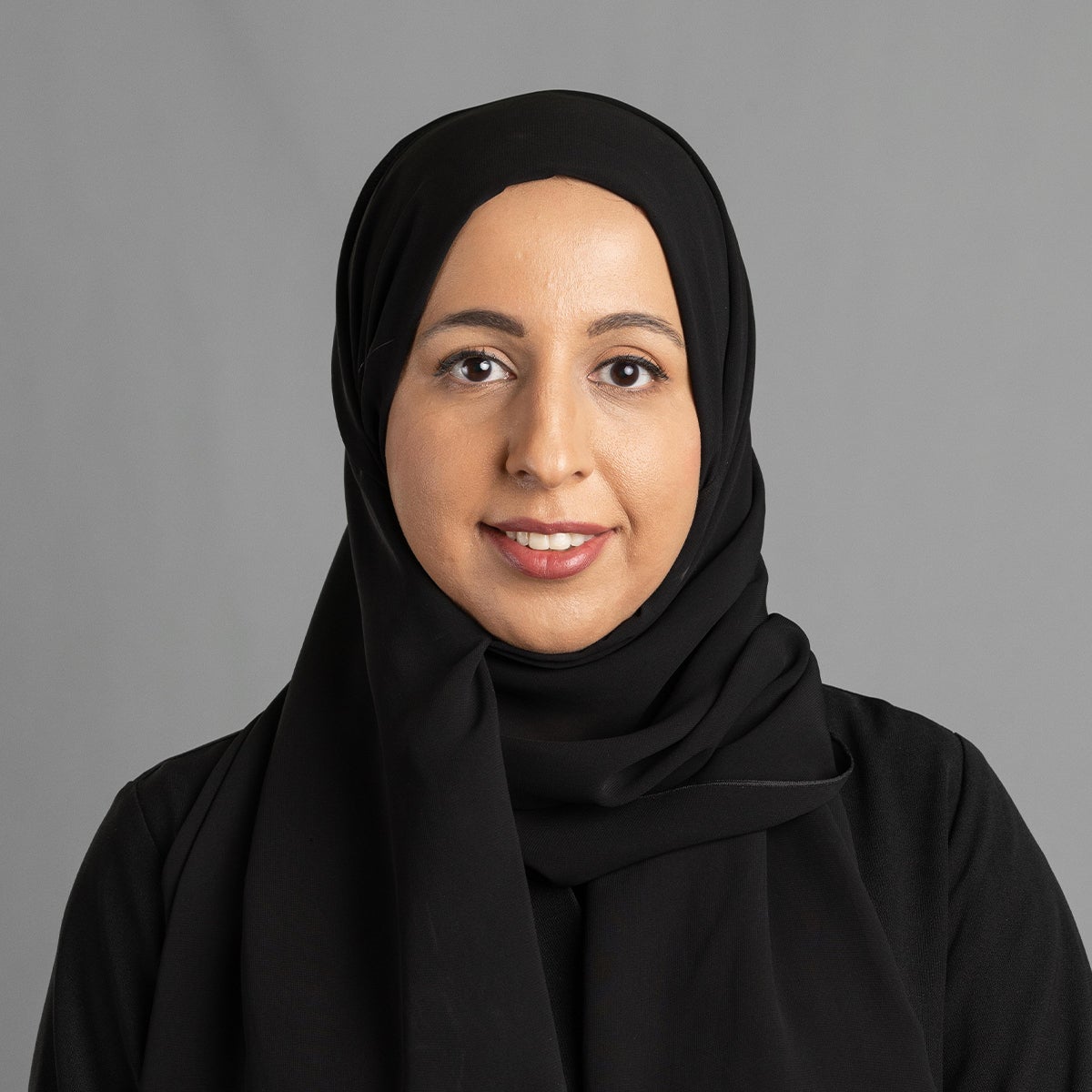
Dr. Marwa Khalid Qaraqe
Associate Professor
Dr. Marwa Khalid Qaraqe
Associate Professor
Educational Qualifications
PhD in Electrical Engineering
MSc in Electrical Engineering
Entity
College of Science and Engineering
Division
Information & Computing Technology
Biography
Dr. Marwa Qaraqe is an Associate Professor in the College of Science and Engineering at Hamad Bin Khalifa University. She is also the co-founder of the Autism Sensing Center (A-Sense) of the College of Science and Engineering at HBKU. She received her BSc in Electrical Engineering from Texas A&M University at Qatar with summa cum laude. Dr. Qaraqe earned her MSc and PhD in Electrical Engineering from Texas A&M University in College Station, United States.
Dr. Qaraqe serves as a TPC and reviewer to several prestigious technical journals and conferences, including the IEEE Wireless Communication and Networking Conference (WCNC) and IEEE Wireless Communication Magazine. She is also a member of the IEEE Communication Society (ComSoc) board for the Europe, Middle East, and Africa (EMEA) Region.
She has received several awards throughout her academic career, including the Best Paper Award in the 2022 IEEE Global Communications Conference (GLOBECOM), the Richard E. Wing Award for Excellence in Research, and first place in the Qatar Foundation Annual Research Forum in the Health and Biomedical Sector. She has also been awarded more than 2 million US dollars as lead principal investigator in competitive research grants for her research initiatives.
PhD in Electrical Engineering
Texas A&M University, United States
2016
MSc in Electrical Engineering
Texas A&M University, United States
2012
BSc in Electrical Engineering
Texas A&M University at Qatar
2010
- Lightweight security for wireless networks
- Machine learning for wireless communication
- AI-enabled technology for personalized learning and intervention in children with autism
- Predictive analytics
Associate Professor
College of Science and Engineering, Hamad Bin Khalifa University
2022 - Present
Assistant Professor
College of Science and Engineering, Hamad Bin Khalifa University
2016 - 2022
Research Assistant
Department of Electrical and Computer Engineering, Texas A&M University, United States
2010 - 2016
Complete Publication Listing(s): Google Scholar
- LPI: M. Qaraqe, PI: Dr. Dena Al-Thani, Dr. Fredrick Shic, and Ms. Chahnaz Baroudi, “Attention-AI: AI-Enabled Sensing for Joint Attention Detection in Children with Autism,” QRDI ARG, Cycle 1, $739,233, Jan 2024 – Jan 2027. Collaborating partners: Renad Academy, Seattle Children’s Hospital
- LPIs: M. Qaraqe, Saud Althunibat, Jonathan Rodriguez, “Developing Physical-Layer Security Schemes for Internet of Things Networks,” NATO - Science for Peace and Security Program (SPS), 600,000 Euros ($704,000), Nov 2020 – Nov 2023. Collaborating partners: Al-Hussein Bin Talal University and Institute of Telecommunication – Portugal
- LPIs: M. Qaraqe, H. Celebi, “Intelligent Public Safety Platform for Smart Cities, TUBITAK-QNRF Joint Funding Program, Cycle 3, $750,000, April 2021 – April 2024. Collaborating partners: Gibze Technical University, Texas A&M University, Ministry of Interior Qatar, Informatica Qatar, Havelsan, and Turkcell.
- LPI: M. Qaraqe, M. Stotland, “Non-subjective facial assessment of children with cranio-facial abnormalities,” HBKU Innovation Fund Center, $14,000, Aug 2020 – Aug 2021. Collaborating partners: Sidra Medicine
- Best Paper Award, “A Novel Sybil Attach Detection Mechanism for Mobile IoT networks,” 2022 IEEE Global Communications Conference (IEEE Globecom)
Dr. Dena Al-Thani
Associate Professor
Educational Qualifications
PhD in Computer Science
MSc in Software Engineering
Entity
College of Science and Engineering
Division
Information & Computing Technology
Biography
Dr. Dena Al-Thani is an Associate Professor, Co-Founder of the A-sense Center of Excellence, and Head of the Information and Computing Technology Division at the College of Science and Engineering. She received her Ph.D. in Computer Science from Queen Mary University of London. Her research interests include accessibility, inclusive design, and eHealth.
Dr. Al-Thani actively publishes in top journals and presents at international conferences. Her research on inclusion aims to make a global impact. She is a member of the WHO's technical advisory group on assistive technology and the Arab ICT Accessibility Expert Group, led by Mada.
PhD in Computer Science
Queen Mary University of London, England
2016
MSc in Software Engineering
Queen Mary University of London, England
2009
BSc in Computer Science
Qatar University
2004
- Inclusive Design
- Autism
- Accessibility
- Explainable AI
Associate Professor
College of Science and Engineering, Hamad Bin Khalifa University
2022 - Present
Assistant Professor
College of Science and Engineering, Hamad Bin Khalifa University
2016 - 2022
Senior Manager Portal and Integration Platforms
Ooredoo, Qatar
2009 - 2011
Complete Publication Listing(s): Google Scholar | Scopus
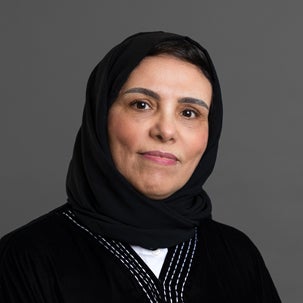
Dr. Halima Bensmail
Principal Scientist
Joint Professor
Phone
+974 44540195Office location
1116, First Floor, HBKU Research Development Complex
Dr. Halima Bensmail
Principal Scientist
Joint Professor
Educational Qualifications
PhD in Biostatistics
MSc in Statistical Machine Learning
Entity
Qatar Computing Research Institute
College of Science and Engineering
Division
Qatar Center for Artificial Intelligence
Information & Computing Technology
Biography
Dr. Halima Bensmail is a Principal Scientist at the Qatar Computing Research Institute, a Professor at the College of Science and Engineering at Hamad Bin Khalifa University, and a visiting full Professor at Texas A&M University at Qatar. She received her PhD from Pierre & Marie Currie University in Paris, France, and worked as a postdoctoral fellow at the University of Washington and FHCRC in Seattle, Washington, USA. Halima was an assistant and associate professor at the University of Tennessee and the Virginia Medical School before joining Qatar Foundation. Halima's expertise lies in the frontiers of machine learning, bioinformatics, and computational biology, and she is also a statistician and a biostatistician.
She has published over 140 peer-reviewed papers in high-impact journals such as Nature Communications, Nucleic Acids Research, Genome Research, Briefings in Bioinformatics, Scientific Reports, and Bioinformatics. She has also earned multiple research awards taught courses in Qatar, the US, and France, and mentored many summer interns, and master's and PhD students. Halima has been the principal investigator and co-investigator on various research grants, and she is currently a member of a $2 million newly founded center provided by the USDA grant agency to the obesity center at Texas Tech. Halima has worked as a reviewer for the NIH and NSF, and she is a board member of the Artificial Intelligence and Quantum Technology Foundation in Davos and an AdCom representative of IEEE EMBs in MENA.
PhD in Biostatistics
Pierre and Marie Curie University, France
1996
MSc in Statistical Machine Learning
Pierre and Marie Curie University, France
1991
B.S. in Applied Mathematics and Statistics
University of Science - Rabat, Morocco
1989
- Machine learning and artificial intelligence for Multiomics and Multimodal data modeling
- Bioinformatics and computational biology and novel algorithms for biomarkers discovery and disease prediction and diagnosis
- Statistical inferences and their application in sciences
- Biostatistics and drug repurposing
Principal Scientist
Qatar Computing Research Institute, Hamad Bin Khalifa University
2011 - Present
Professor
College of Science and Engineering, Hamad Bin Khalifa University
2016 - Present
Associate Professor
Public Health, Eastern Virginia Medical School, United States
2006 - 2009
Associate Professor
Statistics, University of Tennessee, United States
2005 - 2006
Assistant Professor
Statistics, University of Tennessee, United States
2000 - 2005
Scientist
Data Theory, University of Leiden, Netherlands
1997 - 2000
Research Associate
Biostatistics, Fred Hutchinson Cancer Center, United States
1996 - 1997
Postdoc
Statistics, University of Washington, United States
1994 - 1996
Villiers, W., Mifsud, B., Lavender, P., Kelly, A., Bensmail, H., Elbasir, A., Dillon, A., & Osborne, C. (2023). Multi-omics and deep learning reveal context-specific gene regulatory activities of PML-RARA in acute promyelocytic leukemia. Nature Communications, 14(1), 724.
Patel, C. N., Mall, R., & Bensmail, H. (2023). AI-driven drug repurposing and binding pose meta-dynamics identifies novel targets for monkeypox virus. Journal of Infection and Public Health, 16(5), 799–807.
Chen, Z., Zhao, P., Li, F., Wang, Y., Smith, A. I., Webb, G. I., Akutsu, T., Baggag, A., Bensmail, H., & Song, J. (2020). DeepPRoMIse: A deep-learning framework for predicting two major types of RNA post-transcriptional modification sites from RNA sequences. Briefings in Bioinformatics, 21(5), 1676–1696.
Elbasir, A., Moovarkumudalvan, B., Kunji, K., Kolatkar, P., Mall, R., & Bensmail, H. (2020). A deep learning framework for sequence-based protein crystallization prediction. Journal of Bioinformatics, 35(13), 2216–2225.
Mall, R., Cerulo, L., Garofano, L., Frattini, V., Kunji, K., Bensmail, H., & Sabedot, T. S. (2020). RGBM: Regularized gradient boosting machines for identification of the transcriptional regulators of discrete glioma subtypes. Nucleic Acids Research, 46(7), e39.
- 2023; Research award for Women in AI awarded by “Middle East Enterprise AI & Analytics Summit.
- 2016; Best Contribution in Information Complexity awarded by the International Conference on Information Complexity and Statistical Modeling in High Dimensions with Applications (IC-SMHD-2016).
- 2013; Best Research Team of the 2013 NPRP outcome, awarded by Qatar National Research Fund, Doha, Qatar.
- 2011; Best Researcher in Computing, awarded by Annual Research Forum, Qatar Foundation.
- 2000; ONRST Postdoctoral Fellowship, Office of Naval Research Science and Technology, Arlington, Virginia, U.S.A.
- 1996; Best Research Award in Statistics for Classification, International Federation for Classification (IFCS96), Rome, Italy.
- 1994; Graduate Fellowship, Institute National for Research in Informatics and Automatics (INRIA), Versailles, France.
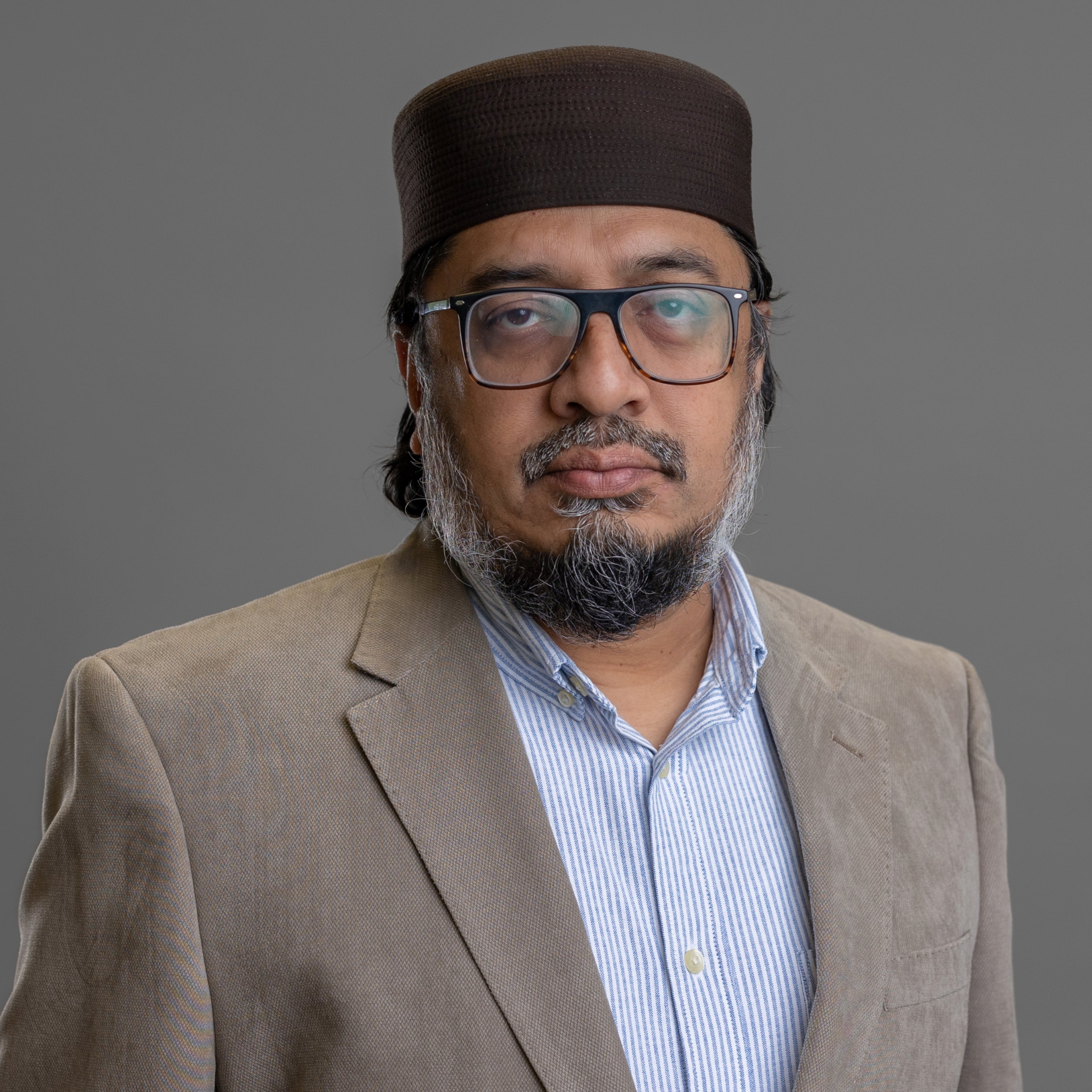
Dr. Muhammad Modassir Ali
Assistant Dean of Student Affairs and Senior Researcher
Dr. Muhammad Modassir Ali
Assistant Dean of Student Affairs and Senior Researcher
Educational Qualifications
PhD in Comparative Religion
MA in Comparative Religion
Entity
College of Islamic Studies
Program
Master of Arts in Contemporary Islamic Studies
Division
Muhammad Bin Hamad Al Thani Center for Muslim Contribution to Civilization (CMCC)
Islamic Studies
Biography
Dr. Muhammad Modassir Ali is Assistant Dean of Student Affairs and Senior Researcher at the College of Islamic Studies (CIS), Hamad Bin Khalifa University (HBKU). He received his BA (Hons.) in Usuluddin and his MA and PhD in Comparative Religion from the International Islamic University Islamabad (IIUI). His teaching and research focus on comparative religion, particularly Christianity and Eastern religions, Qur’anic civilizations, Sīrah studies, and the intellectual history of the Indian subcontinent. Before joining CIS‑HBKU in 2015, he taught and held leadership roles at the International Islamic University Islamabad (IIUI) and Qatar University. Recent activity includes a peer‑reviewed article on medieval Muslim youth culture (Islamic Studies, 2025) and a chapter in Mercy and Grace: Christian and Muslim Perspectives (Georgetown University Press, 2025). He currently leads or contributes to projects on medieval Muslim culture, Islamic education in colonial India, and translations of classical works in Islamic education. He is a two‑time Fulbright scholar (UCSB 2003; UIUC 2008).
PhD in Comparative Religion
International Islamic University, Islamabad (IIUI)
2014
MA in Comparative Religion
International Islamic University, Islamabad (IIUI)
1999
BA (Hons.) in Usuluddin (Islamic Studies)
International Islamic University, Islamabad (IIUI)
1994
- Comparative religion
- Muslim thought of the sub-continent
- Sirah studies
- Quranic civilizations
- Education in the medieval Muslim world
Assistant Professor and In-Charge, Department of Comparative Religion
Faculty of Usuluddin (Islamic Studies), International Islamic University, Islamabad (IIUI)
2007 – 2011
Assistant Dean of Student Affairs
College of Islamic Studies, Hamad Bin Khalifa University
2024 – Present
Senior Researcher
Muhammad Bin Hamad Al Thani Center for Muslim Contribution to Civilization (CMCC), CIS, HBKU
2017 – Present
Reseach Coordinator
Muhammad Bin Hamad Al Thani Center for Muslim Contribution to Civilization (CMCC), CIS, HBKU
2015 – 2017
Visiting Assistant Professor
College of Islamic Studies, Hamad Bin Khalifa University
2015
Associate Dean for Student Affairs
College of Sharia and Islamic Studies, Qatar University
2011 – 2014
- Best Teachers Award, International Islamic University Islamabad, Higher Education Commission of Pakistan, 2004
- Fulbright Scholar, University of California, Santa Barbara (2003)
- Fulbright Scholar, University of Illinois at Urbana‑Champaign (2008)