

Dr. Martin Steinhoff
Professor
Office location
00974 44395101
Dr. Martin Steinhoff
Professor
Educational Qualifications
PhD in Human Biology
MD Medicine Thesis
Entity
College of Health and Life Sciences
Biography
Professor Martin Steinhoff is a Professor at Hamad Bin Khalifa University. He is also the Chairman of the Department of Dermatology and Venereology, Director of the Dermatology Institute, and Director of the Translational Research Institute (TRI) at Hamad Medical Corporation (HMC). He is also a Full Professor at Weill Cornell Medical College New York, USA, Weill-Cornell Medicine-Qatar, and Qatar University. He also holds the position of residency program director for dermatology at HMC.
Professor Steinhoff studied medicine and human biology in Germany, where he received his MD, M.Sc., and PhD from the University of Marburg. After his residency in Dermatology/Venereology, he became an Assistant Professor of Dermatology at the University of Muenster in 2002, promoted from assistant to full professor in 6 years.
He holds board certificates in Dermatology, Venereology, Phlebology and Allergy. His clinical fields of interest are inflammatory skin diseases, translational medicine, and -omics technologies. Prof. Steinhoff is an established physician-scientist with a long-standing basic and clinical research background. His group has discovered several mechanisms that are now the basis for new therapies for skin diseases. He is the author of the most relevant textbooks for Dermatology on Skin Inflammation and Allergy.
For his research, Prof Steinhoff received several prestigious international research awards worldwide. He was a member of the board of directors of the European Society of Dermatology Research (ESDR) and an honorary member of several Societies for Dermatology. According to a publication in 2023, he was considered among the Top 1% of dermatologists worldwide.
PhD in Human Biology
University of Marburg, Germany
1997 - 2001
MD Medicine Thesis
University of Marburg, Germany
1986 - 1994
MSc in Human-Biology
University of Marburg, Germany
1990 - 1992
BSc in Biology
Technical University of Braunschweig, Germany
1983 - 1986
- Neuroimmunology
- Atopic Dermatitis
- Psoriasis
- Rosacea
- Systems Medicine
- Cell signaling
- Identification of disease biomarkers
- and new therapies
Director
Translational Research, Hamad Medical Corporation
2017 - Present
Professor
College of Health and Life Sciences, Hamad Bin Khalifa University
2016 - Present
Chairman
Dermatology, Venerology, Allergy, Hamad Medical Corporation
2016 - Present
Chairman and Director
Dermatology, University College Dublin, Ireland
2014 - 2016
Full Professor
Dermatology, University of California San Francisco, United States
2009 - 2013
Associate Professor
Dermatology, University of Muenster, Germany
2005 - 2011
Assistant Professor
Dermatology, University of Muenster, Germany
2003 - 2005
Scientific University Assistant
Dermatology, University of Muenster, Germany
1999 - 2003
Postdoc (MD)
Neurosciences, Cell Biology, University of California San Francisco, United States
1997 - 1999
AiP & Resident
Dermatology, Venerology, Allergy, University of Goettingen, Germany
1995 - 1997
Postgraduate clinical training (AiP)
Internal Medicine, University of Marburg, Germany
1995
Steinhoff, M., Szabo, I., Schmelz, M., & Oaklander, A. L. (2018). Neuropathic itch. The Lancet Neurology, 17(8), 709–720.
Kido-Nakahara, M., Buddenkotte, J., Kempkes, C., Ikoma, A., Cevikbas, F., Akiyama, T., Nunes, F., Seeliger, S., Hasdemir, B., Mess, C., Buhl, T., Sulk, M., Müller, F.-U., Metze, D., Bunnett, N. W., Bhargava, A., Carstens, E., Furue, M., & Steinhoff, M. (2014). Neural peptidase endothelin-converting enzyme-1 regulates endothelin-1-induced pruritus. Journal of Clinical Investigation, 124(6), 2683–2695.
Cevikbas, F., Wang, X., Akiyama, T., Kempkes, C., Savinko, T., Antal, A., Kukova, G., Buhl, T., Ikoma, A., Buddenkotte, J., Soumelis, V., Feld, M., Alenius, H., Dillon, S. R., Carstens, E., Homey, B., Basbaum, A., & Steinhoff, M. (2014). A sensory neuron-expressed interleukin-31 receptor mediates T-helper cell-dependent itch: Involvement of TRPV1 and TRPA1. Journal of Allergy and Clinical Immunology, 133(2), 448–460.e7.
Affara, N. I., Ruffell, B., Medler, T. R., Gunderson, A. J., Johansson, M., Bornstein, S., Bergsland, E., Steinhoff, M., Li, Y., Gong, Q., Ma, Y., Wiesen, J. F., Wong, M. H., Kulesz-Martin, M., Irving, B., & Coussens, L. M. (2014). B cells regulate macrophage phenotype and response to chemotherapy in squamous carcinomas. Cancer Cell, 25(6), 809–821.
Steinhoff, M., Vergnolle, N., Young, S. H., Tognetto, M., Amadesi, S., Ennes, H. S., Trevisani, M., Hollenberg, M. D., Wallace, J. L., Caughey, G. H., Mitchell, S. E., Williams, L. M., Geppetti, P., Mayer, E. A., & Bunnett, N. W. (2000). Agonists of proteinase-activated receptor 2 induce inflammation by a neurogenic mechanism. Nature Medicine, 6(2), 151–158.
- 2024; Qatar Foundation QNRF Award Precision Medicine Research, 3 years.
- 2016; SFI-Pfizer Innovation Research Award from Minister of Health, Ireland (Development of biologic) Science Foundation Ireland
- 2011; NIH R01 Research Award, NIAMS (5 years. 3 Mio US $ with overhead), P.I. 8th percentile.
- 2001; Oskar-Gans Main research award, German Society of Dermatology, Berlin, Germany, May 5, 2001 (Protease-activated receptors and neuroinflammation and pruritus).
- 1997; NIH-Scholarship (University of California, San Francisco, CA, USA (Depts. of Physiology & Surgery, Prof. Dr. N. Bunnett), 3 years, NIH grant.

Luigia Ingianni
Adjunct Professor
Educational Qualifications
Program on Negotiation
Women in Leadership Program
Entity
College of Law
Biography
Luigia is an employment lawyer and policy maker with more than 25 years of exponential experience in labor laws, conciliation and adjudication of employment disputes, leadership and organizational behavior, across different countries and legal systems (common and civil law jurisdictions).
She holds a Master Degree in Law, a Post-Degree Master in Human Resources and Communication, a Women in Leadership Executive Program with London Business School and is a qualified conciliator and mediator of labor disputes certified by the International Training Centre of the International Labour Organisation (ITCILO) and trained by Harvard Law School – Program on Negotiation (PON).
She has established the first administrative employment dispute resolution center in the Middle East operating under the ILO guidelines and is also a certified ITCILO Participatory Gender Audit (PGA) Facilitator, specialized in gender and organizational change.
Policy maker and advocate for justice, Luigia has designed innovative legislation and policies with particular focus on gender equality, decent work, harassment and violence in the workplace, justice and partnerships - UN SDGs 5, 8, 16 and 17 and is also a member of the WHO working group of the World of Work Dialogue.
Program on Negotiation
Harvard Law School
2020
Women in Leadership Program
London Business School
2019
Professional Certificate Data Protection Officer
European Centre for Privacy and Cybersecurity (ECPC), Maastricht University – The Netherlands
2018
Post Degree Master in Human Resources Communication
Superior Institute of Communication, Milan, Italy
2000
Bachelor and Master Degree in Law
University of Palermo – Italy
1995
Labor Law Consultant
Ispettorato Regionale del Lavoro – Palermo, Italy
1992
- World-of-work-related topics
Adjunct Professor
HBKU College of Law
2022 - Present
Commissioner of the Employment Standards Office
Qatar Financial Centre
2015 - Present
Manager of International Department
Qatar International Law Firm
2012 - 2015
Owner
Studio Ingianni Law Firm
1995 - 2012
- 2022 Shortlisted for Women in Law Mena Region Award LexisNexis.


Dr. Robert R. Ruffolo, PhD, DSc (h.c.), DEng (h.c.), FCPP, FASPET
Chair of Scientific Advisory Committee
Dr. Robert R. Ruffolo, PhD, DSc (h.c.), DEng (h.c.), FCPP, FASPET
Chair of Scientific Advisory Committee
Entity
Qatar Biomedical Research Institute
Biography
Dr. Ruffolo is currently the Chairman of Aragen Biosciences, Inc. and Managing Director of Ruffolo Consulting, LLC, a consulting company for the pharmaceutical and biotechnology industries. He is the retired President of Research and Development for Wyeth Pharmaceuticals, and Corporate Senior Vice President of the Wyeth Corporation (now Pfizer). In that role, he managed an R&D organization of 9,000 scientists with an annual budget in excess of $5 billion. Prior to joining Wyeth, Dr. Ruffolo was Senior Vice President and Director of Drug Discovery Research Worldwide at SmithKline Beecham Pharmaceuticals (now GlaxoSmithKline) where he was responsible for approximately 1,700 scientists with an annual budget in excess of $1.2 billion. Prior to that, he was Chairman of the Cardiovascular Research Committee at Eli Lilly and Company.
During his career in the pharmaceutical industry, Dr. Ruffolo played a significant role in the discovery and development of a number of products that are marketed globally, including carvedilol (Coreg®, Dilatrend®, Kredex®, Dimitone®, Eucardia® and Cardiol®) for the treatment of congestive heart failure, ropinirole (Requip®) for Parkinson's disease, dobutamine (Dobutrex®) for the management of acute congestive heart failure and eprosartan (Teveten®) for hypertension. In addition, the research and development groups that Dr. Ruffolo supervised during his career brought 32 new medicines to the market.
Dr. Ruffolo has authored over 500 full-length publications and more than 200 abstracts, and he has edited 15 books. He was the Editor-in-Chief of four international pharmacology journals. He has received many honors throughout his career. Recently, the American Society for Pharmacology and Experimental Therapeutics (ASPET) elected Dr. Ruffolo as a Fellow of ASPET (FASPET), which is an honor bestowed only on its most distinguished members. In addition, ASPET established an annual award in Dr. Ruffolo’s name, the Robert R. Ruffolo Career Achievement in Pharmacology Award (Medal), to honor the contributions made by Dr. Ruffolo to biomedical research and to drug discovery and development. This Award is presented annually to the most prestigious scientists in the world at the height of their careers.
Dr. Ruffolo received two Lifetime Achievement Awards and two Honorary Doctorates. The Pharmaceutical Research and Manufacturers of America (PhRMA) awarded its most prestigious award, the Discoverer’s Award, to Dr. Ruffolo for the discovery of carvedilol (Coreg®) for the treatment of congestive heart failure. Carvedilol has saved the lives of tens of millions of patients around the world who suffer from this devastating disease. The American Society for Information Science and Technology designated Dr. Ruffolo as a Highly Cited Scientist for being among the top 100 most-cited pharmacologists in the world for over two decades.
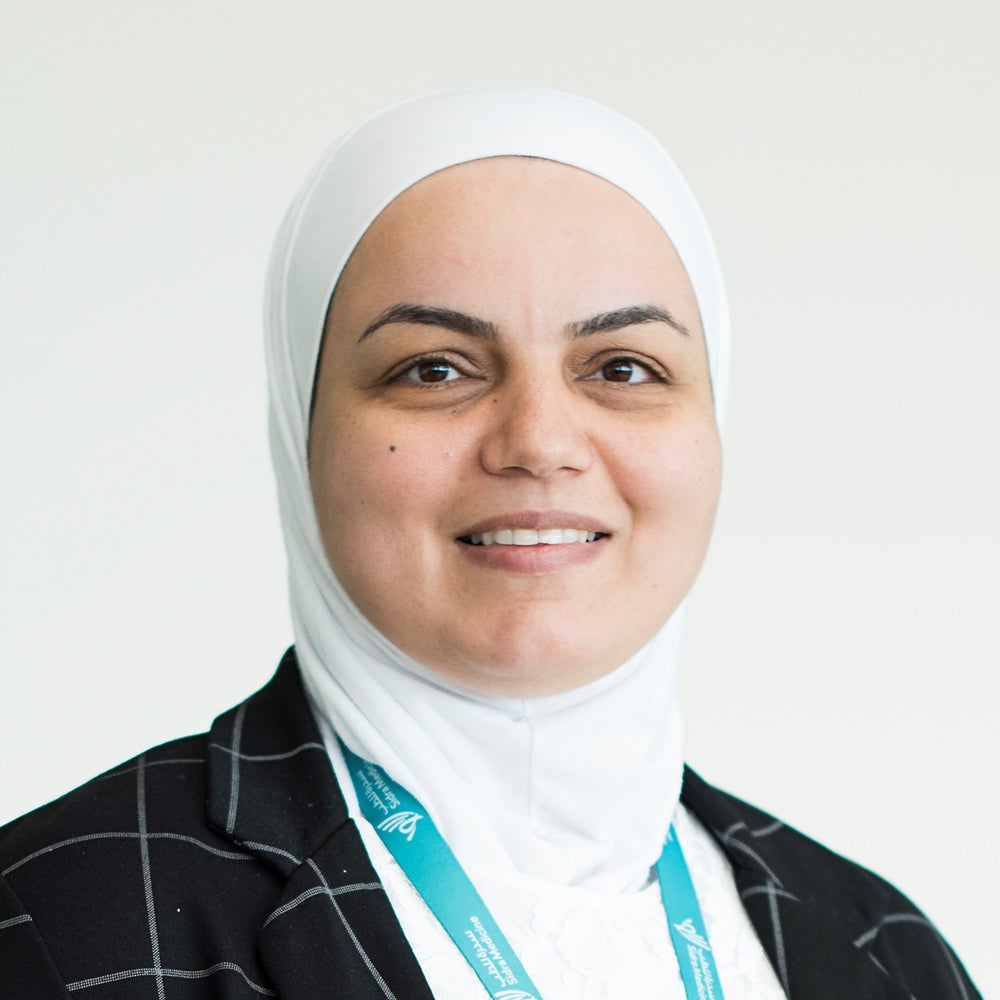
Dr. Souhaila Al Khodor
Joint Associate Professor
Phone
+974 40037397Office location
Sidra Medicine, OPC, 5th Floor, Room 321
Dr. Souhaila Al Khodor
Joint Associate Professor
Educational Qualifications
Ph.D. in Microbiology and Immunology
M.Sc. in Microbiology and Immunology
Entity
College of Health and Life Sciences
Biography
Dr. Al Khodor has been the Director of the Maternal and Child Health program in the research department at Sidra Medicine, Qatar, since July 2019 and an investigator since January 2015. Dr. Al Khodor received her bachelor’s degree in Medical Lab. Technology from the Faculty of Public Health at the Lebanese University in 2001. Soon after, she started her master’s degree in Microbiology and Immunology at the American University of Beirut. Dr. Al Khodor received her second master’s degree and PhD in Microbiology and Immunology from the University of Louisville, Louisville, KY, USA.
She is a Joint Associate Professor at the College of Health and Life Sciences (CHLS), and an adjunct assistant professor at the Department of Biomedical Sciences, College of Health Science, Qatar University.
Dr. Al Khodor has over 36 peer-reviewed publications, a membership of the American Society of Microbiology (since 2005), and is a member of the editorial board of the Frontiers in Microbiology (since 2015).
Dr. Al Khodor currently acts as a guest associate editor for Frontiers in Cellular and Infection Microbiology and has been the associate editor for the Journal of Translational Medicine since 2017.
Ph.D. in Microbiology and Immunology
University of Louisville, Louisville, KY
2005 - 2008
M.Sc. in Microbiology and Immunology
University of Louisville, Louisville, KY
2006
M.Sc. in Microbiology and Immunology
American University of Beirut, Beirut, Lebanon
2004
B.Sc. in Medical Lab Technology
Universite Libanaise, FSP V, Saida, Lebanon
2001
- Microbiome in Health and Disease
- Interaction Between Human Microbiome and Immunogenome
- Host-Microbe Interaction
- Cell Signaling
- Use Metagenomics as a Tool to Predict Disease Onset or Disease Progression
- Maternal and Child Health
- Dynamics of Microbiome in Pregnancy
- Multiomics for Biomarker Prediction
Postdoctoral Research Fellow- Advisor name: Dr. Iain Fraser
Laboratory of Systems Biology: Cell Signaling Unit. NIH, NIAID, Bethesda, MD.
2/2010 - 8/2014
Postdoctoral Researcher- Advisor name: Dr. Yousef Abu Kwaik
Department of Microbiology and Immunology, University of Louisville, Louisville, KY
12/2008 - 2/2010
Graduate Student and Research Assistant- Advisor name: Dr. Yousef Abu Kwaik
Department of Microbiology and Immunology, University of Louisville, Louisville, KY
2008 - 2010
Senior Microbiology and Medical lab technologist in charge of Blood bank and Microbiology Sections
Hammoud Hospital, Saida, Lebanon
11/2001 - 6/2005
François Nosten, Daniel H Paris, Rose McGready, Damien Chaussabel: A prospective cohort for the investigation of alteration in temporal transcriptional and microbiome trajectories preceding preterm birth: a study protocol. BMJ Open 2018;9: e023417. doi:10.1136/ bmjopen-2018-023417
DS86760016, a leucyl-tRNA synthetase inhibitor, with activity against Pseudomonas aeruginosa. Antimicrob Agents Chemother. 2019 Jan 22. pii: AAC.02122-18. doi: 10.1128/AAC.02122-18. [Epub ahead of print]
Vitamin D Deficiency in the Gulf Cooperation Council: Exploring the Triad of Genetic Predisposition, the Gut Microbiome and the Immune System. 2019 April 24. Front. Immunol. 10:1042. doi: 10.3389/fimmu.2019.01042
Evaluation of Methods for the Extraction of Microbial DNA From Vaginal Swabs Used for Microbiome Studies. Front Cell Infect Microbiol. 2019 Jun 6;9:197. doi: 10.3389/fcimb.2019.00197. eCollection 2019.
Integrating omics for a better understanding of Inflammatory Bowel Disease: a step towards personalized medicine. J Transl Med 17, 419 (2019) doi:10.1186/s12967-019-02174-1
Profiling the Salivary microbiome of the Qatari population. J Transl Med. 2020 Mar 14;18(1):127. doi: 10.1186/s12967-020-02291-2.
Corneal Nerve Loss in Children With Type 1 Diabetes Mellitus Without Retinopathy or Microalbuminuria. J Diabetes Investig. 2020 Jun 3. doi: 10.1111/jdi.13313. Online ahead of print.
Cell. Microbiol. 12: 16040-1621, 2010
Al-Khodor, S., and Kwaik, Y. A.
A literature-based approach for curating gene signatures in multifaceted diseases. J Transl Med. 2020-DOI: 10.1186/s12967-020-02408-7
Role of the gut microbiota in the pathogenesis of coeliac disease and potential therapeutic implications. European Journal of Nutrition. 2020-07-10. DOI: 10.1007/s00394-020-02324-y
Darawan Rinchai, Damien Chaussabel, Mathieu Garand: Annexin A3 in sepsis: novel perspectives from an exploration of public transcriptome data. Immunology. 2020 Jul 18. doi: 10.1111/imm.13239.
The role of Polymorphyisms in Vitamin D-related Genes in Response to Vitamin D supplementation. Nutrients 2020, 12(9), 2608; DOI: 10.3390/nu12092608
Pathophysiology and treatment strategies for COVID-19. J Transl Med. 2020 Sep 15;18(1):353. doi: 10.1186/s12967-020-02520-8
Corneal confocal microscopy demonstrates minimal evidence of distal neuropathy in children with celiac disease. PLoS One. 2020 Sep 21;15(9):e0238859. doi: 10.1371/journal.pone.0238859. eCollection 2020.
Cohort profile: molecular signature in pregnancy (MSP): longitudinal high-frequency sampling to characterise cross-omic trajectories in pregnancy in a resource-constrained setting. BMJ Open. 2020 Oct 10;10(10): e041631. doi: 10.1136/bmjopen-2020-041631
Infect. Immun. 77: 374-386, 2009
Al-Khodor, S., Kalachikov, S., Morozova, I., Price, C. T., and Kwaik. Y. A.
The potential role of vitamin D supplementation as a gut microbiota modifier in healthy individuals. Sci Rep. 2020 Dec 10;10(1):21641. doi: 10.1038/s41598-020-77806-4. PMID: 33303854.
- Graduate Dean’s Citation: the University of Louisville for the superior accomplishment of the Ph.D. publications and dissertations, December 2008.
- First prize-winning poster: 6th International Tularemia Meeting, Berlin, Germany, 2009.
- Second award-winning abstract (as a Senior Author) in CUDOS 2018, Doha, Qatar
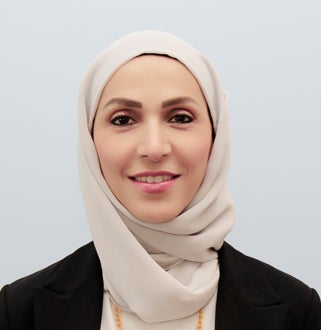
Dr. Sahar Isa Da’as
Assistant Professor
Dr. Sahar Isa Da’as
Assistant Professor
Educational Qualifications
PhD in Biomedical and Biological Sciences
MSc in Applied Biological Sciences
Entity
College of Health and Life Sciences
Biography
Sahar Isa Da’as is a distinguished research manager at Sidra Medicine and an assistant professor at Hamad Bin Khalifa University. Her research is centered on functional genomics and translational research. She has worked at IWK Health Centre in Canada, focusing on rare genetic disorders and childhood cancers. She was also awarded the Innovation Excellence Award from Cancer Care Nova Scotia Health Authority.
Dr. Da'as has pioneered innovative approaches using the zebrafish model, focusing on rare pediatric hereditary diseases. She has successfully developed patient-specific genotype models, providing a comprehensive insight into gene variation, clinical presentations, and disease prognosis. This achievement promises a roadmap toward precision medicine and underscores her dedication to advancing healthcare through cutting-edge research.
Through collaborative projects, Dr Da'as continues translating scientific discoveries into practical applications, providing a foundation for translational studies of novel genes and variants. Her work is published in many reputable journals and has significantly advanced the understanding of hereditary diseases.
PhD in Biomedical and Biological Sciences
Hamad Bin Khalifa University, Qatar
2019
MSc in Applied Biological Sciences
Jordan University of Science and Technology, Jordan
1999
BSc in Biological Sciences
University of Jordan, Jordan
1996
- Rare hereditary pediatric disease modeling
- Genetics and functional characterization of neurological disorders
- Genetics and functional characterization of cardiovascular diseases
Assistant Professor
College of Health and Life Sciences, Hamad Bin Khalifa University
2024 - Present
Research Manager
Research Department, Sidra Medicine
2013
Laboratory Manager
Weill Cornell Medical College, Qatar
2012 - 2013
Laboratory Manager
Pediatrics Department, IWK Health Centre, Canada
2007 - 2012
Complete Publication Listing(s): Google Scholar
- 2022; Top author – Core Facilities Category, Sidra Medicine, Qatar
- 2015; THANAA Award- Qatar Foundation Professional Excellence Award. Doha, Qatar
- 2014; THANAA Award- Qatar Foundation Professional Excellence Award. Doha, Qatar
- 2012; Innovation Excellence Award – Cancer Care Nova Scotia Excellence Awards, Canada
- 2012; IWK STARS Team Recognition Award – IWK Health Centre, Halifax, Canada
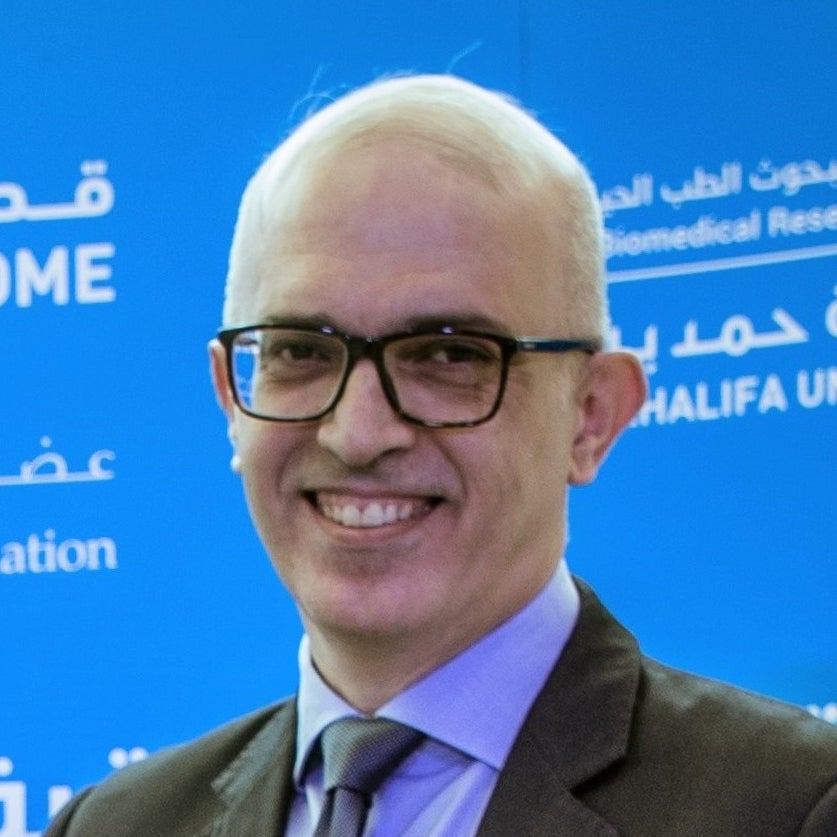
Dr. Said Ismail
Adjunct Professor
Dr. Said Ismail
Adjunct Professor
Educational Qualifications
Ph.D.
M.Sc.
Entity
College of Health and Life Sciences
Biography
Dr. Said Ismail is the director of the Qatar Genome Programme (QGP), one of the major national programs in the region. He obtained his Doctor of Philosophy (PhD) from the University of Oxford and has work experience extending into various fields including research, education, and consultancy.
As a research fellow at University College London (UCL), Dr. Ismail served as a consultant to several regional and international pharma and biotech companies.
Dr. Ismail is especially interested in promoting research among young students and researchers in the Arab world. He launched one of the largest efforts to enhance the Arabic medical and scientific content on the internet; The “Bel-Arabi” or “In- Arabic” initiative. He is also a board member of the Phi Science Institute, which aims to spread creative sciences and research among youth.
Ph.D.
University of Oxford, UK, (10/97-8/2000): Gene Therapy
M.Sc.
University College London, UK, (9/1995-9/1996): Applied Molecular Biology and Biotechnology
B.Sc.
University of Jordan, Jordan (1/1991-1/1995): Medical Laboratories Technology
- Cancer Genetics and Targeted Therapeutics
- Genomics and Precision Medicine
Director
Qatar Genome Program, Qatar Foundation
2015 - present
Adjunct Professor
College of Health and Life Sciences, Hamad Bin Khalifa University (HBKU), Qatar Foundation
2017 - present
Professor of Molecular Biology
Medical School, University of Jordan
2002 - 2015
Head, Biochemistry and Physiology Department,
Medical School, University of Jordan
2014 - 2015
Head, Molecular Biology Research Laboratory
Faculty of Medicine University of Jordan
2005 - 2015
Managing director
Molecular Diagnostics Reference Lab, University of Jordan Hospital
2008 - 2015
Research Fellow
Ludwig Institute for Cancer Research, University College London, UK
2000 - 2002
Split-intron retroviral vectors; Enhanced expression and improved safety. Journal of Virology, 2000. 74:2365-2371.
Use of intron disrupted polyadenylation sites to enhance expression and safety of retroviral vectors. Journal of Virology, 2001. 75: 199-204.
Transcriptional Networks and Cellular Senescence in Human Mammary Fibroblasts. Molecular Biology of the Cell, 2005. Vol. 16, Issue 2, 943-953.
Molecular Heterogeneity of glucose 6 phosphate dehydrogenase (G6PD) deficiency in Jordan. Haematologica, 2005. Dec; 90(12): 1693-4.
Highly sensitive multiplex RT-PCR system for the detection of all common BCR-ABL transcripts. Jordan Medical Journal, 2006, 41(2): 96-104.
Identification of atypical PML-RARA breakpoint in a patient with acute promyelocytic leukemia. Acta Haematologica, 2007, 118:183-187.
Successful Bone Marrow Transplantation for Treatment of Chronic Myeloid Leukemia from a Donor with Mosaic Klinefelter Syndrome. International Journal of Hematology, 2007, 86(3): 287-288.
The Transforming Mutation E17K/AKT1 is not a Major Event in B-Cell Derived Lymphoid Leukaemias. British Journal of Cancer, 2008, 99: 488–490.
Methylenetetrahydrofolate Reductase (MTHFR) genotype association with the risk of Chronic Myelogenous Leukemia. Jordan Medical Journal, 2009, 43(1):8-13.
Screening patients with polycythemia vera for c-Kit mutations. Leukemia & Lymphoma, 2009; 50(1): 127–129.
Detection of combined genomic variants in a Jordanian family with familial non autoimmune hyperthyroidism. Journal of Genetics, 2009, 88(2): 233-238.
Methylenetetrahydrofolate Reductase (MTHFR) Genotype Association With the Risk of Follicular Lymphoma. Cancer Genetics and Cytogenetics. 2009, 195(2); 120-124
Frequency of t(14;18) in follicular lymphoma patients: Geographical or technical variation. International Journal of Laboratory Haematology, 2009, 31; 535-543.
Hotspot mutations of PIK3CA and AKT1 genes are absent in multiple myeloma. Leukemia Research, 2010, 34(6); 824-826.
N-Acetyltransferase-2 (NAT2) genotype frequency among Jordanian volunteers. Int. Jouornal of Clinical Pharmacology and Therapeutics. 2010, 48(10);688-694.
Frequent detection of Human Herpes Virus-8 (HHV-8) in bone marrow of Jordanian patients of multiple myeloma. Cancer Epidemiology. 2011, 35; 471-474.
CYP1AI, glutathione S-transferase gene polymorphisms and risk of Polycythemia vera. Cancer Epidemiology, 2012, 36 (1); 68-72.
UDP-Glucuronosyltransferase 1A4 (UGT1A4) Polymorphisms In A Jordanian Population. Molecular Biology Reports, 2012 Jul; 39(7): 7763-8.
Synthesis and biological activity assays of some new N1-(flavon-7-yl) amidrazone derivatives and related congeners. European Journal of Medicinal Chemistry, 2012, 54; 65-74.
The in vitro effect of autologous platelet lysate on different types of mesenchymal stem cells. Regenerative Research, 2012, 1(1); 25-32.
Allele and genotype frequencies of the polymorphic cytochrome P450 genes (CYP1A1, CYP3A4, CYP3A5, CYP2C9 and CYP2C19) in the Jordanian population. Mol Biol Rep. 2012, 39(10): 9423-33
Thymoquinone in liposomes: A study of loading efficiency and biological activity towards breast cancer. Drug Delivery. 2012, 19(8):371-377.
Thiopurine S-Methytransferase Gene Polymorphism in Patients with Rheumatoid Arthritis. Archives of Medical Research. 2013, (44); 105-109.
Thymoquinone efficiently inhibits the survival of EBV infected B cells and alters EBV gene expression. Integrative Cancer Therapies. 2013 12(3); 257-263.
Cancer Incidence in Jordan from 1996 to 2009 - A Comprehensive Study. Asian Pacific J Cancer Prev, 2013, 14 (6); 3527-3534.
Association of Kaposi's sarcoma-associated herpesvirus (KSHV) with bladder cancer in Croatian patients". Tumor Biology. 2014; 35(1):567-72.
Allele and Genotype Frequencies of the Polymorphic Methylenetetrahydrofolate Reductase and Colorectal Cancer among Jordanian Population. Asian Pacific Journal of Cancer Prevention, 2013, 14(8); 4559-4565.
In vitro selection of modified RNA aptamers against CD44 cancer stem cell marker. Nucleic Acid Therapeutics, 2013, 23(6):401-7.
Preparation, characterization and antiproliferative activity of thymoquinon-β-cyclodextrin self assembly nanoparticles. Die Pharmazie, 2013, 68:939-944.
Aptamers: Promising Molecules for Cancer Stem Cell Targeting. Journal of Molecular and Genetic Medicine, 2013, 7(4):1000090.
Incidence of bcr-abl fusion transcripts in healthy individuals. Molecular Medicine Reports, 2014; (9): 1271-1276.
Functionalizing liposomes with anti-CD44 aptamer for selective targeting of cancer cells. Bioconjugate Chemistry. 2015, 26(7):1307-13.
Allele and Genotype Frequencies of the Polymorphic Methylenetetrahydrofolate Reductase and Lung Cancer in ther Jordanian Population: a Case Control Study. Asian Pac J Cancer Prev. 2015;16(8):3101-9.
The effect of various interleukins on antibody production by Epstein Barr Virus (EBV) immortalized B cells. Monoclonal Antibodies in Immunodiagnosis and Immunotherapy 2015 June; 34(3):162-8.
Ephedrine requirements during spinal anesthesia for cesarean delivery in Jordanian parturients: association with b2- adrenoceptor gene variants. Ann Saudi Med, 2016; 36(1): 29-36
Occupational exposure to pesticides and occurrence of the chromosomal translocation t(14;18) among farmers in Jordan. Toxicology Reports, 2016,(3);225–229.
Remifentanil consumption in septoplasty surgery under general anesthesia. Association with humane mu-opioid receptor gene variants. Saudi Med J 2017, 38 (2): 170-175.
Selection and Targeting of EpCAM Protien by ssDNA Aptamer. PLOS ONE. 2017, (https://doi.org/10.1371/journal.pone.0189558).
Aptamer-guided siRNA-loaded nanomedicines for systemic gene Silencing in CD-44 expressing murine triple-negative breast cancer model. Journal of Controlled Release, 2018, (271): 98–106.
Therapeutic Aptamers in Discovery, Preclinical and Clinical Stages. Advanced Drug Delivery Reviews, 2018, 134; 51–64.
Aptamers in Therapeutics and Drug Delivery (Editorial). Advanced Drug Delivery Reviews, 134 (2018); 1-2.
Developing and Characterization of Chemically Modified RNA Aptamers for Targeting Wild Type and Mutated c-KIT Receptor Tyrosine Kinases. Journal of medicinal chemistry, 2019 Aug 15. doi: 10.1021/acs.jmedchem.9b00868
Aptamers Chemistry: Chemical Modifications and Conjugation Strategies. Molecules, 2020, 25, 3; doi:10.3390/molecules25010003.
SARS-CoV-2 entry in host cells- multiple targets for treatment and prevention. Biochimie, 175 (2020) 93-98.
Willingness to participate in genome testing: a survey of public attitudes from Qatar. Journal of Human Genetics, 2020, 1-7.
Grafting of anti-nucleolin aptamer into preformed and remotely loaded liposomes through aptamer-cholesterol post-insertion. Royal Society of Chemistry, RSC Advances, 2020, 10(59): 36219-36229.
THE FUTURE OF MEDICINE, healthcare innovation through precision medicine: policy case study of Qatar. Life Sciences, Society and Policy, (2020) 16:12. https://doi.org/10.1186/s40504-020-00107-1
- Overseas Research Studentship (ORS) award, Oxford University (1997-2000)
- Said Foundation (KRSF) Scholarship, Oxford University (1997-2000)
- Winner of Abdul Hamid Shoman Award Arab Researchers Award - 2013
- Winner of Ali Mango Award for distinguished researchers - 2012
- Winner of Said Foundation Award, for academic excellence - 2001
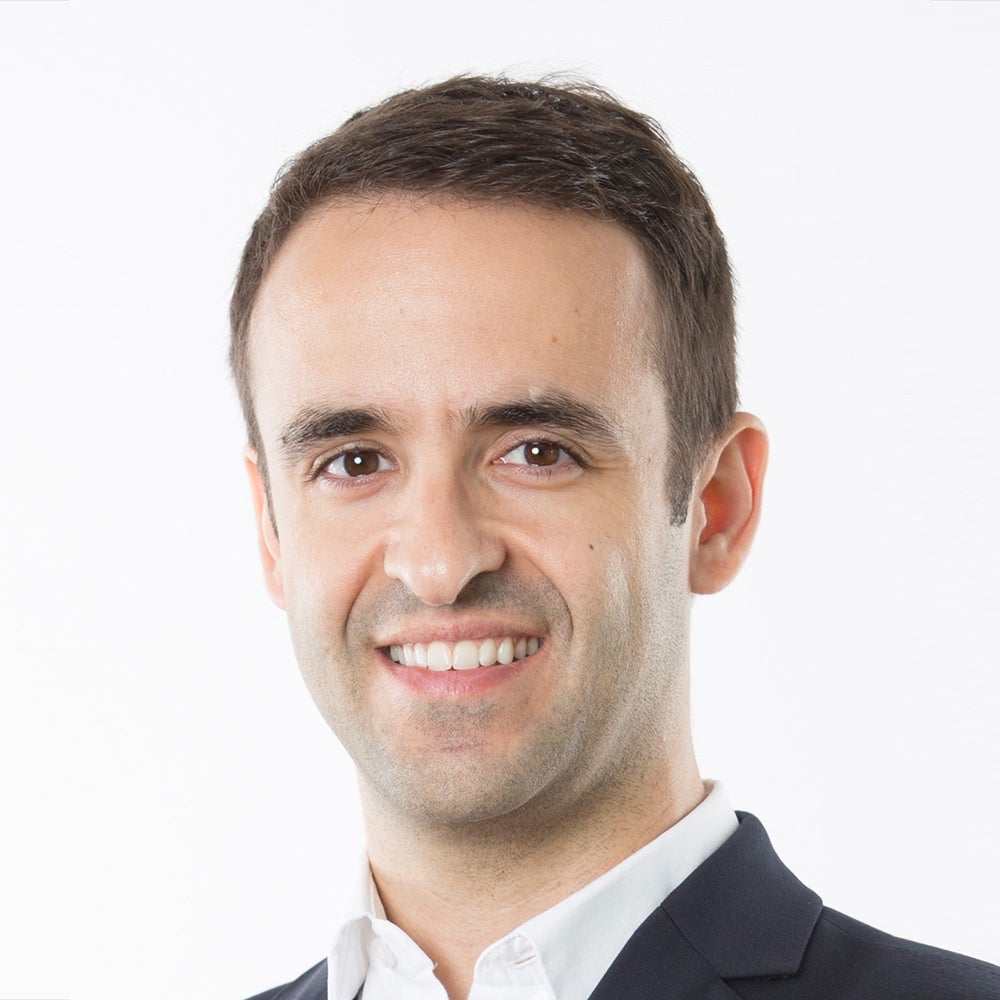
Dr. Luis R. Saraiva
Joint Associate Professor
Phone
+974 40037639Office location
C6-111, Out Patient Clinics Building, Sidra Medicine
Dr. Luis R. Saraiva
Joint Associate Professor
Educational Qualifications
Ph.D. in Genetics(Summa Cum Laude)
Licenciatura (B.Sc.+M.Sc.) in Biology
Entity
College of Health and Life Sciences
Biography
Luis R. Saraiva completed his Licenciatura (B.Sc.+M.Sc.) in Biology at the University of Evora, Portugal. He later became a Fellow of the International Graduate School in Genetics and Functional Genomics of the University of Cologne, Germany, where he received his Ph.D. in Genetics.
After spending a brief period as a visiting scientist at Harvard Medical School (USA), funded by the Boehringer Ingelheim Fonds, he became a post-doctoral scholar at the Fred Hutchinson Cancer Research Center (USA). In 2013, he was awarded the EBI–Sanger Postdoctoral (ESPOD) Fellowship and continued his postdoctoral training at the EMBL-European Bioinformatics Institute and the Wellcome Sanger Institute in Cambridge (UK). In 2014 he won a Sanger Early Career Innovation Award.
In 2015, he moved to Sidra Medicine (Qatar), where he is a Principal Investigator and leads the Human Disease and Therapeutics Lab at Sidra Medicine (Qatar). He also holds Adjunct Faculty positions at Monell Chemical Senses Center (USA) and Hamad bin Khalifa University (Qatar).
Ph.D. in Genetics(Summa Cum Laude)
University of Cologne - Institute for Genetics (Germany)
2008
Licenciatura (B.Sc.+M.Sc.) in Biology
University of Évora & Gulbenkian Institute of Science (Portugal)
2004
Adjunct Associate Professor
College of Health and Life Sciences - Hamad bin Khalifa University (HBKU), Doha (Qatar)
2018 - Present
Adjunct Associate Member
Monell Chemical Senses Center, Philadelphia (USA)
2016 - Present
Principal Investigator - Associate Level
Sidra Medicine, Doha (Qatar)
2015 - Present
EBI–Sanger Postdoctoral (ESPOD) Fellow
European Bioinformatics Institute (EMBL-EBI) and Wellcome Sanger Institute (UK)
2013 - 2015
Postdoctoral Associate
Fred Hutchinson Cancer Research Center (USA)
2008 - 2013
Visiting Scientist
Harvard Medical School, Boston (USA).
2008
- 2020, Silver Medal of Merit – Manteigas Municipality, Manteigas City Hall (Portugal)
- 2018, Chief Executive Recognition Award – Recognizing Service Excellence, Sidra Medicine, Doha (Qatar)
- 2014, Sanger Early Career Innovation Award, Wellcome Sanger Institute (WSI), Cambridge (UK)
- 2013, EBI–Sanger Postdoctoral (ESPOD) Fellowship, EMBL-EBI & WSI (UK)
- 2013, Science Communication Fellowship – Theme Neuroscience, Pacific Science Center, Seattle (USA)
- 2008, Travel Award – XV ISOT, AChemS (USA)
- 2008, Travel Grant – Harvard Medical School, Boehringer Ingelheim Fonds (Germany)
- 2008, summa cum laude Ph.D. in Genetics, University of Cologne (Germany)
- 2008, Travel Award – 28th Blankenese Conference, Minerva Foundation (Germany)
- 2004, Ph.D. Fellowship – International Graduate School for Genetics and Functional Genomics, University of Cologne (Germany)

Dr. Bernice Lo
Assistant Professor
Dr. Bernice Lo
Assistant Professor
Educational Qualifications
PhD in Cell & Molecular Biology
BS in Microbiology & Cell Science
Entity
College of Health and Life Sciences
Biography
Bernice Lo is an Assistant Professor at the College of Health and Life Sciences at Hamad Bin Khalifa University and an investigator at Sidra Medicine. Her research focuses on understanding the molecular mechanisms of immune regulation and tolerance. Her work includes identifying the genetic basis of disease in patients with immune dysregulation and autoimmunity. The ultimate goal is to elucidate the molecular pathways involved and, therefore, discover new therapeutic targets for disease treatment or novel drugs for immunomodulation.
She has made significant contributions to discovering, understanding, and diagnosing various genetic disorders of immune dysregulation. Dr. Lo’s lab specializes in using cellular and biochemical techniques to uncover the role of newly discovered gene mutations in causing disease and in understanding the function of these genes in immune regulation. She is also interested in developing methods for disease diagnosis or evaluating treatment efficacy by assessing immune biomarkers.
PhD in Cell & Molecular Biology
Duke University, United States
2008
BS in Microbiology & Cell Science
University of Florida, United States
2002
- Molecular mechanisms of immune regulation
- Primary immunodeficiency disorders / Inborn errors of immunity
- Monogenic immune dysregulation diseases
- Immunogenetics
Assistant Professor
College of Health and Life Sciences, Hamad Bin Khalifa University
2018 - Present
Investigator
Division of Translational Medicine, Sidra Medicine
2016 - Present
Research Fellow
Laboratory of Immunology, National Institute of Allergy and Infectious Diseases (NIAID/NIH), United States
2013 - 2015
Post-Doctoral Fellow
Laboratory of Immunology, National Institute of Allergy and Infectious Diseases (NIAID/NIH), United States
2008 - 2013
Complete Publication Listing(s): PubMed
- 2022; Top Author – Junior Investigator Category; Sidra Medicine
- 2013; AAI Trainee Award; American Association of Immunologists Annual Meeting
- 2002-2006; James B. Duke Fellowship; Duke University, NC, USA
- 2002; Four-Year Scholar; University of Florida, FL, USA
- 2001; Peterson Scholarship; University of Florida, FL, USA
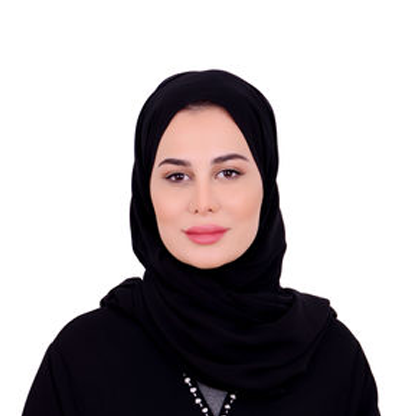
Dr. Sara Al-Khawaga
Adjunct Clinical Associate Professor
Educational Qualifications
Ph.D., Biological and Biomedical Science
Cancer Biology & Therapeutics (CBT) Program
Entity
College of Health and Life Sciences
Biography
Dr. Sara obtained her medical degree with excellence from Weill Cornell Medicine-Qatar, receiving several honors during her studies. She later completed her Ph.D. in Biological and Biomedical Sciences from Hamad bin Khalifa University in 2019. The focus of her Ph.D. was on the use of next-generation sequencing (NGS) and human pluripotent stem cell technologies in monogenic disorders. Dr. Sara has successfully published multiple high-impact publications in the field of pluripotent stem cell technology and NGS. Dr. Sara is an alumna of Harvard Medical School where she completed the Cancer Biology and Therapeutics (CBT) program during her postdoctoral fellowship with a special focus on melanoma, immunotherapy, and immune checkpoint inhibitors.
Dr. Sara further completed a postdoctoral fellowship in the Clinical Research Center in Sidra Medicine-Qatar focusing on mesenchymal stem cells isolated from adipose tissue (2015-2018). Dr. Sara joined the dermatology and venereology residency program at HMC in 2018 and served as the chief resident in 2020. Dr. Al-khawaga is currently leading the GeriDerm (Geriatric Dermatology Service) and the lead for the first National Clinical Practice Guidelines for the management of Stevens-Johnson Syndrome (SJS)/Toxic Epidermal Necrolysis (TEN) in Qatar. Dr. Sara received the National Educational Excellence in Research, an award from His Highness The Amir Shaikh Tamim Bin Hamad Al Thani in 2021, and was awarded the Regional Research award from The Arab Board in 2023, a highly competitive award from the Middle East. Dr. Sarah has recently been appointed as a professor in the College of Health and Life Sciences at Hamad Bin Khalifa University, Qatar Foundation.
Ph.D., Biological and Biomedical Science
College of Health and Life Sciences, Hamad Bin Khalifa University
2019
Cancer Biology & Therapeutics (CBT) Program
Harvard Medical School
2015 - 2016
Medical Doctor (MD)
Weill Cornell Medicine-Qatar
2014
- Metabolic Syndromes Associated with Chronic Inflammatory Skin Diseases
- Stevens-Johnson Syndrome (SJS)/Toxic Epidermal Necrolysis (TEN)
Specialist
Dermatology and Venereology, Hamad Medical Corporation
2022 - Present
Chief Resident
Dermatology and Venereology, Hamad Medical Corporation
2019 - 2020
Post-Doctoral fellow
Clinical Research Center, Translational Medicine, Sidra Medical and Research Center
- March 2021, National Educational Excellence Award, Fourteenth Edition, Ph.D. category. Ministry of Education and Higher Education, Doha, Qatar.
- 2023, Arab Board Best Research Award, Arab Board- Amman, Jordan.
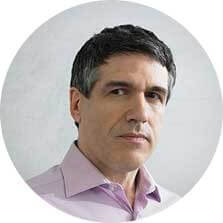
Larry Pederson
Professor
Larry Pederson
Professor
Entity
Qatar Computing Research Institute
Program
Master of Arts in Audiovisual Translation