Apply Now
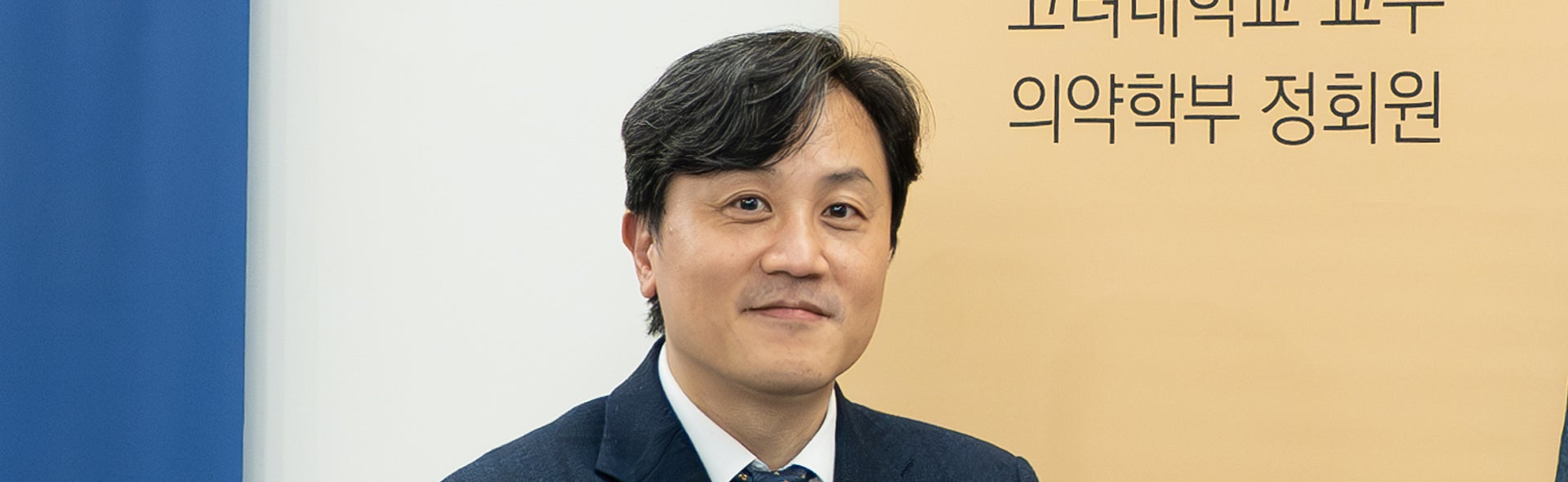
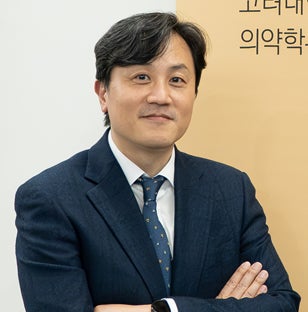
In this seminar, Dr. Woong Sun will share his latest research on creating miniature models of the human spinal cord, known as human spinal cord organoids (hSCOs). These models are being used to study diseases and test potential new treatments.
Dr. Sun’s team has optimized a scalable method to generate hSCOs that accurately recapitulate key stages of neurulation, the process by which the neural plate folds to form the central nervous system. These organoids undergo neural tube-like morphogenesis, differentiate into caudal spinal cord cell types, and mature into functional neural networks capable of synchronized activity.
To demonstrate the platform’s utility, the team used hSCOs in a toxicological screen to identify compounds that disrupt neural tube closure, providing a powerful model for studying teratogenic mechanisms and congenital spinal cord disorders, such as neural tube defects (NTDs).
Overall, this platform bridges critical gaps between traditional models and human developmental pathophysiology.