
A workshop targeting translators keen to master the translation of medical and health content from English to Arabic to work as translators for pharmaceutical industry corporations, physicians, patients, hospitals, and publishing companies (including internet publishing). It is also a good opportunity for those working in medical and health services and who are fluent in Arabic and would like to explore the methods, tools, electronic applications and recognized resources of medical translation.

Overview
Hamad Bin Khalifa University’s (HBKU) Student Affairs office has initiated ‘Student Life Awards’ to encourage students to become socially responsible through active involvement in the university’s nonacademic activities.
‘Student Life Awards’ will be conferred during an annual banquet recognizing students who have made noteworthy contributions to the university, outside academia.

How can you find and make use of the rich scientific research published by scholars around the world?
Elsevier is the largest publisher and content provider in the world for scholarly and scientific information. HBKU Library cordially invites HBKU students, faculty and researchers to attend a series of workshops and lectures to learn more about Elsevier e-resources.

This workshop will be conducted in English.
Are you interested in learning the underlying mechanisms of machine learning and its applications?
This workshop will introduce the basics of machine learning that make systems mimic the human brain, in learning and improving from experience, without being explicitly programmed.
Prerequisite:
Basic programming/coding skills are required.
This workshop is part one of our two Women in Data Science (WiDS) Qatar Datathon events.
Co-organizer:

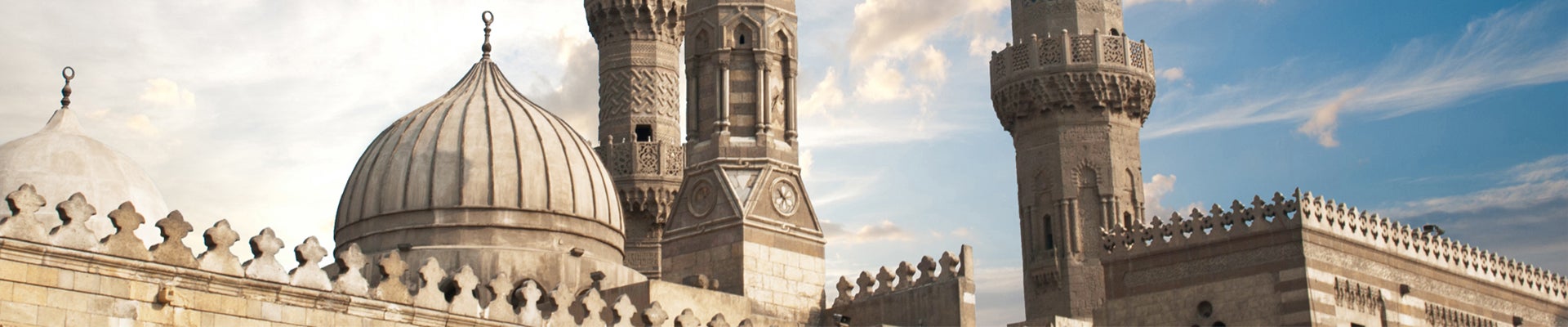
Are architectural forms and geographic locations associated with political power in the Islamic world? This presentation will argue that five distinct periods and architectural forms can be identified. Beginning with the mosque/dar al-imarah combination, followed by the building of palace complexes outside the urban capital, then the citadel as the residence of political rulers; the move of Muslim leaders to the European-type parts of their capital city and finally the creation of new capitals.
Exceptions to these generalizations will also be discussed.
Live streaming: