 Apply Now
Community

The lecture will discuss the role of corporate governance in the modern era, as well as the importance of regulation in preventing abuses and corporate failures. While corporate governance is often seen as a matter of corporate choice, free from state regulation, there has been growing interest in regulating the behavior of directors, given that corporations have obligations not just to shareholders, but also to a wider range of stakeholders.

Ibn Taymiyya is undeniably one of the most studied medieval Muslim theologians in the Arab world and in the West. The last two decades have broadened our knowledge of the theologian’s work and thought, including his position on matters of dogma, rationalism, the science of kalam, tafsīr, taṣawwuf, logic, philosophy, and politics.
In this lecture, we will focus on the gray areas that constitute research perspectives and try to show how they allow us to re-evaluate and better understand Ibn Taymiyya's thought in our time.
This event will be held in English.
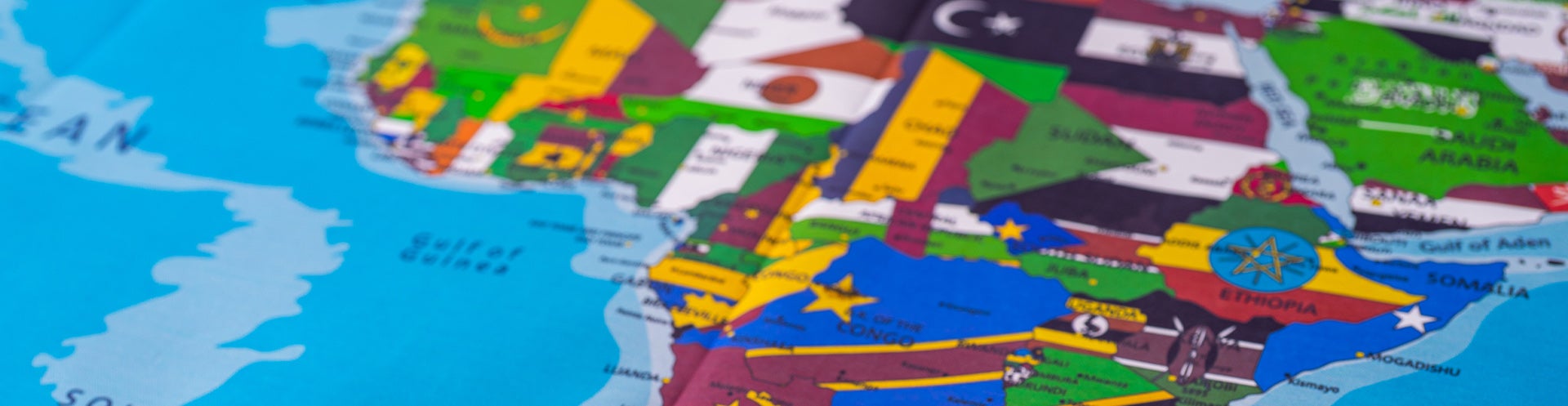
The UNESCO Chair on Environmental Law and Sustainable Development at HBKU, in partnership with the Bonavero Institute of Human Rights and the Oxford Business and Human Rights Network cordially invites you to the launch of the book 'Business and Human Rights Law and Practice in Africa', edited by Professor Damilola Olawuyi and Dr. Oyeniyi Abe.

Carpet-weaving is the oldest recorded art in North Africa and its practice is intrinsically associated with Amazigh women. Various studies highlight this art as an example of feminine genius and creativity, a ‘social reproduction’ way of ensuring cultural continuity and countering/refusing erasure. This seminar starts from this fact to make the argument that Amazigh women’s ancestral art may well be at the source of the codification and stabilization of the Amazigh language.
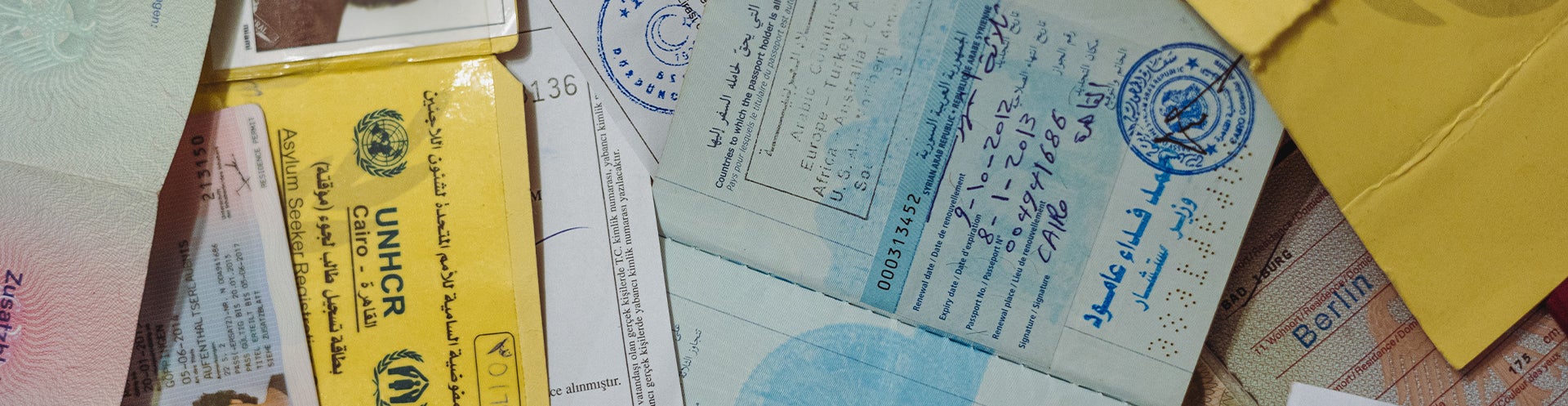
This event launches the Special Issue of Citizenship Studies "Migrations through Law, Bureaucracy and Kin: Navigating Citizenship in Relations" (Vol. 26, No. 6). The editors and contributors will present the Special Issue and individual articles exploring the ways in which migrants’ (de-)kinning practices and their struggles of ‘doing family’ constitute navigations of citizenship. Followed by a discussion and Q&A.