 Apply Now

Event Starts in:
Conference Overview
The AsianSIL Intersessional Conference 2026 will be hosted by Hamad Bin Khalifa University (HBKU) on 10-11 November 2026. This conference aims to explore the evolving role of Asia in shaping the international legal order. Amid dynamic geopolitical shifts, technological advancements, and pressing global challenges, including climate change, humanitarian crises, and artificial intelligence (AI) governance, Asia’s growing influence and contributions to international law warrant closer examination.
The conference brings together scholars, practitioners, and policymakers to engage in critical dialogue and interdisciplinary exchange. It will take place over two days; Day One will feature a junior scholarship workshop, by invitation only, while Day Two will host the main conference as a public session.
Conference Objectives
- Showcasing Asia’s Contributions: Highlighting the region’s role in shaping the development of international law, particularly in emerging areas such as environmental governance, AI regulation and humanitarian law.
- Fostering Interdisciplinary Dialogue: Facilitating discussions between legal scholars, policymakers and practitioners to encourage cross-sectoral engagement.
- Promoting Scholarly Research: Providing a high-level academic platform for the presentation and publication of cutting-edge research in international law.
The conference will be held in English.
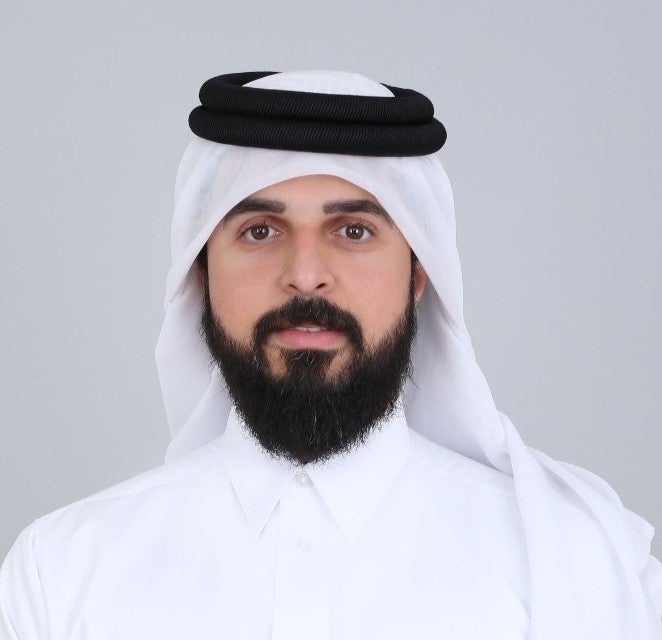
Chairman’s Welcome Message
A warm welcome to the official website of the 2026 AsianSIL Intersessional Conference: “Is a New Normative International Legal Order in the Making? The Asian Perspective.”
It is an honor to serve as Chair of this conference, in my capacity as a Member of the Executive Committee and Vice President (West Asia) of the Asian Society of International Law (AsianSIL). Since 2007, AsianSIL has advanced international law scholarship and dialogue across Asia and beyond, and I am grateful to its members for their dedication.
The world is undergoing profound strategic, economic, social and technological change. Positioned at the crossroads of multiple regions, Asia plays an increasingly influential role in shaping the international legal order. In this context, AsianSIL advances the rule of law, inclusive dialogue and research addressing pressing global challenges, including environmental governance, humanitarian law, international economic law and AI governance.
Hosted by the College of Law at Hamad Bin Khalifa University (HBKU) in Doha, Qatar, in collaboration with local law firms and the AsianSIL Executive Council, this conference provides a timely platform to examine Asia’s contributions to the evolving international legal order. The conference brings together scholars, practitioners, policymakers, and emerging voices to foster rigorous debate, collaboration, and interdisciplinary engagement.
I warmly invite participants from across Asia and beyond to share their insights and actively contribute to advancing the understanding of international law in a rapidly changing world. I look forward to welcoming you to Doha, Qatar, in November 2026 for a stimulating and professionally enriching conference.
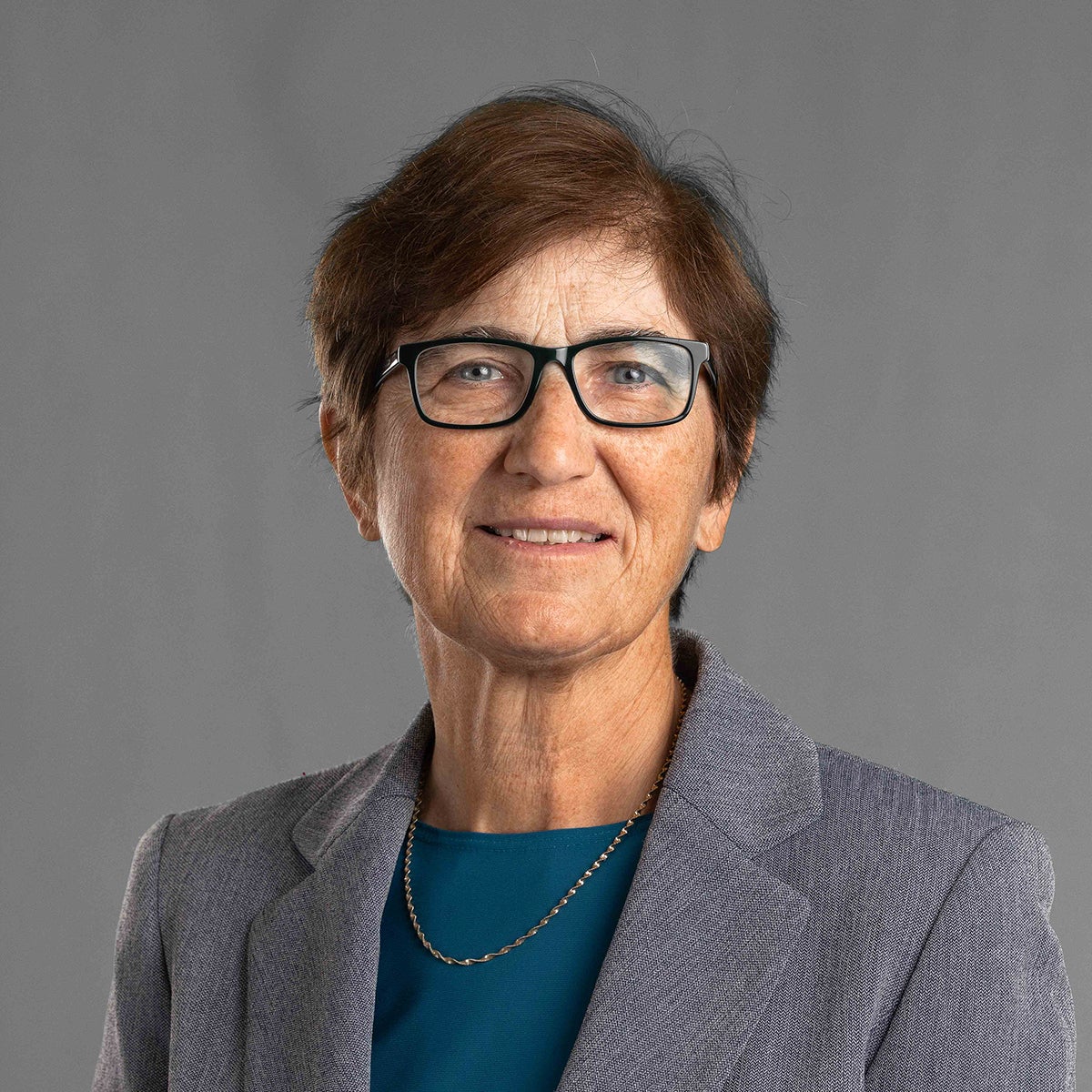
Dean’s Welcome Message
Welcome to Doha and the College of Law at Hamad Bin Khalifa University. We are honored to host the 2026 AsianSIL Intersessional Conference titled “Is a New Normative International Legal Order in the Making? The Asian Perspective.”
For decades, issues relating to the future of the liberal international order have received considerable attention. Today, these discussions have become increasingly urgent as the world grapples with complex global problems alongside pressing regional conflicts and issues that the existing legal order seems ill-equipped to address, let alone solve. Asia, which spans from the Pacific Ocean in the East to the Middle East in the West and is home to more than half of the world’s population, is critical to the conversation, both as to defining problems and offering solutions.
We look forward to having our friends from or interested in Asia here in Doha to engage in conversation and debate about the future of international law. We will do so in a vibrant, welcoming country that prioritizes education and harmonizes tradition with modernity. Qatar’s rich Arab culture, renowned hospitality and vibrant art scene await you. See you in November!
The conference will feature expert-led discussions on critical topics, including but not limited to:
- Environmental Governance and Climate Action – Examining Asia’s role in global climate agreements, regional environmental policies, and sustainable development initiatives.
- Humanitarian Law in the Modern Era – Addressing challenges in international humanitarian law, particularly in conflict zones and disaster-prone regions within Asia.
- AI and Public International Law – Exploring legal and ethical implications of AI for global governance, trade, and security.
- Small States and Emerging Economies: Asia Diplomacy and Multilateralism – Examining the role of small states and emerging economies in Asia’s legal and diplomatic landscape, including international dispute resolution, economic partnerships, and regional stability.
Expanded Sub-Themes (non-exhaustive):
- Peace and Security
- International Law and Regional Cooperation in Asia
- Law of the Sea and Transboundary Resources
- International Courts, Tribunals and Dispute Settlement in Asia
- Migration, Labor Mobility and Refugee Protection
- Historical and Contemporary Approaches to Sovereignty
- Sustainability and Development
- Investment, Trade and Sustainable Development
- Human Rights and Environmental Protection
- Energy Transition and Climate Change Law
- Technology and Governance
- Technology, Cybersecurity and Data Governance
- Artificial Intelligence, Innovation and Legal Ethics
- History and Justice
- Gender, Equality, and Social Justice in Asian Legal Systems
- Comparative Legal Education and Access to Justice in Asia
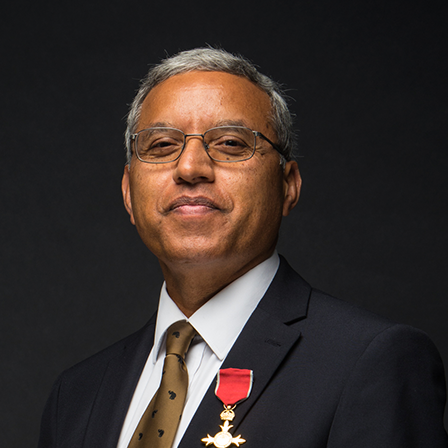
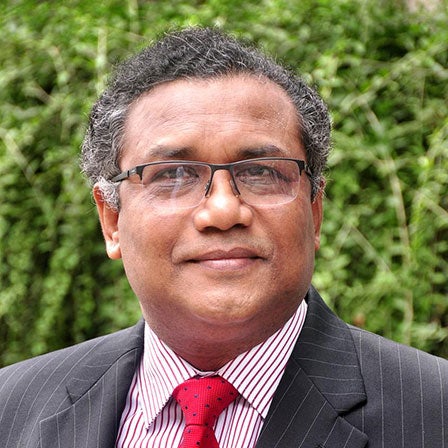









Please note that a single submission form is used for both submissions. Applicants are required to indicate whether they are submitting abstracts for the Junior Scholars Workshop or the 2026 AsianSIL Intersessional Conference within the form.
Junior Scholars Workshop
The Junior Scholars Workshop will be held on Day 1 of the event and will take place in-person. This workshop is aimed at providing selected junior scholars with a platform to present their current research projects (draft articles) and receive feedback from a panel of senior scholars Undergraduate students, LLB graduates, postgraduate students, and early-career researchers are eligible to apply, with the registration fee waived.
To be eligible for the Junior Scholars Workshop, applicants must meet the following criteria:
- Undergraduate students
- LLB graduates
- Postgraduate students (LLM/PhD)
- Early-career researchers (postdoctoral researchers, research associates/fellows, and non-tenured academics)
Abstract and Paper Submission Guidelines
- Conference Submissions
- Abstracts and Papers should be submitted through the link below. Late submissions may not be considered.
- In your Abstract submission, please include the following information:
- Paper title
- Proposed panel
- Abstract: Summarize your paper in no more than 300 words. Abstracts should not include footnotes. Please note that AI-generated abstracts will be automatically rejected. Academic integrity is strictly upheld.
- Full CV of the author(s).
- In your Paper submission, please adhere to the following guidelines:
- Clearly state Author's Title, Name, University/Organization, Title of Paper, and Email Address on the cover page.
- The paper's length is 5,000 to 10,000 words, inclusive of footnotes.
- The paper should be submitted in Microsoft Word format, using Times New Roman (font size 12), single-spaced, and in accordance with the 17th edition of the Chicago Manual of Style. Papers should be submitted with the subject line: "Completed Paper Title – Author Name".
- The organizing committee reserves the right to adjust panel assignments as necessary.
- Junior Scholars Workshop Submissions
- Abstracts should be submitted through the link below. Late submissions may not be considered.
- In your Abstract submission, please include the following information:
- Paper title
- Abstract: Summarize your paper in no more than 300 words in Microsoft Word format. Abstracts should not include footnotes. Please note that AI-generated abstracts will be automatically rejected. Academic integrity is strictly upheld.
- Full CV of the author(s).
- Panel assignments for the Junior Scholars Workshop will be arranged by the organizing committee based on the topics and abstracts selected. Applicants are not required to propose a panel.
- The organizing committee reserves the right to determine the workshop format and panel structure as necessary.
For any inquiries, feel free to reach out to us at conferencesupport@hbku.edu.qa.
Important Dates
- Abstract Submission Deadline — June 30, 2026
- Notification of Acceptance — August 7, 2026
- Draft Paper Deadline — October 1, 2026
- Conference Dates — November 10–11, 2026
About Hamad Bin Khalifa University
Hamad Bin Khalifa University (HBKU), a member of the Qatar Foundation for Education, Science, and Community Development (QF), was founded in 2010 to continue fulfilling QF's vision of unlocking human potential. HBKU is a homegrown research and graduate studies University that acts as a catalyst for positive transformation in Qatar and the region while having a global impact.
Located within Education City, HBKU seeks to provide unparalleled opportunities where inquiry and discovery are integral to teaching and learning at all levels utilizing a multidisciplinary approach across all focus areas.
HBKU is committed to actively contributing to achieving the Qatar National Vision 2030 by building and cultivating human capacity through an enriching academic experience and an innovative research ecosystem. Through applying creativity to knowledge, students will be able to discover innovative, locally relevant solutions that have a global impact.
At Hamad Bin Khalifa University – our students, faculty, staff, partners, and leadership – all share a common belief in the power of higher education and research to make a positive impact on the development of nations.
More information at www.hbku.edu.qa
About Education City
Our flagship initiative is a campus of more than 12 square kilometers that hosts branch campuses of some of the world's leading educational institutes, a homegrown university, and other research, scholastic, and community centers. Together, these institutes make Education City a unique model of academic and research excellence, pioneering a new approach to multidisciplinary, global education and enabling breakthroughs that benefit Qatar and the rest of the world.
More information at https://www.qf.org.qa/education/education-city
About Qatar
Qatar has been an independent sovereign state since 1971. Qatar comprises an 11,500 sq. km peninsula extending northwards into the Arabian Gulf. It has 563 km of uninterrupted coastline. The country's population stands at 2.69 million and its capital city is Doha.
Local time is GMT/ UCT + 3 hours. There are no daylight savings adjustments.
Qatar has a desert climate with year-round sunshine, very hot summers, and mild winters. Mean monthly temperatures range from 17°C in January to 36°C in July, sometimes reaching highs of 45°C+ during the summer. Rain is infrequent, falling in brief showers mainly in winter.
Capital: Doha
Population: 2.68 million
Area: 11,500 sq. km
Language: Arabic
Religion: Islam
Currency: Qatari Riyal
Power Connection: The power plugs and sockets are of type D and G. The standard voltage is 240 V and the standard frequency is 50 Hz.
Transportation
Karwa is the national taxi and limousine service. To book a taxi call +974 800 8294. You can pay by cash, bank card, or mobile payment.
Karwa taxis can be ordered or pre-booked via the Karwa Taxi app (available on iOS and Android), or hailed from the street.
UBER taxi service is also active in Qatar.
You can use your international driving license for seven consecutive days.
Metro
The metro system has three lines (Gold, Green, and Red) covering 37 stations. Trains run every 3 minutes and staff are available at every station to assist you during your journey.
You can buy a travel card at stations and then save time by topping up online or on the Qatar Rail app (iOS and Android)
All stations have elevators and all train carriages provide space for wheelchair users and pushchairs, as well as guide dog allowances. You can check the Qatar Rail website before you travel.
Free Metrolink buses run useful routes within 2 - 5 km of stations.
If you are traveling to central Doha, you can take the metro to one of these stations, which are conveniently located to access the Corniche area. You can change lines at Al Bidda (Red and Green) stations and Msheireb (Red, Green and Gold)
More information at https://www.qr.com.qa/home
Currency Exchange (March 2023)
Minor Unit: 1/100 = Dirham
- 1.00 EUR = 3.88 QAR
- 1.00 USD = 3.64 QAR
- 1.00 GBP = 4.40 QAR
More information at https://www.visitqatar.qa