 قدِّم طلبك الآن
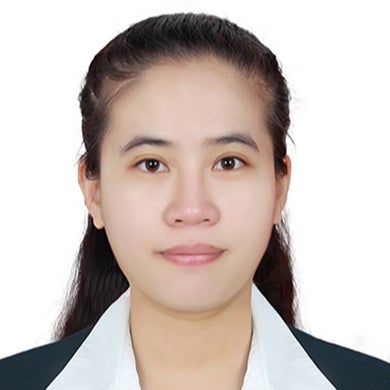
الدكتورة تشانليانج يانج
زميل باحث
المؤهلات العلمية
PhD. In Basic Medical Sciences
M.S. in Immunology
الكيان
معهد قطر لبحوث الطب الحيوي
القسم
مركز بحث السكري
السيرة الذاتية
Dr. Chunliang Yang is a Research Fellow in the Diabetes Research Center at the Qatar Biomedical Research Institute (QBRI). She earned her Ph.D. in Immunology from Huazhong University of Science and Technology (HUST), under the mentorship of Prof. Cong-Yi Wang, a leading expert in diabetes immunology. During her doctoral and master's training at HUST, Dr. Yang specialized in dissecting the immunometabolic mechanisms underlying type 1 and type 2 diabetes, with a particular focus on the pathogenic roles of T cells and macrophages in disease progression.
Dr. Yang is highly skilled in establishing murine models of diabetes and employing advanced techniques in cellular immunology and metabolic phenotyping to investigate disease pathogenesis. Her productive research has led to multiple first-author publications in high-impact journals, including Molecular Therapy, in which her work has elucidated novel mechanisms involving the PDIA3 chaperone function and interferon regulatory factors in diabetes.
At QBRI, Dr. Yang continues to pursue her research interests at the intersection of immunology and metabolic diseases. She aims to further unravel the cellular crosstalk and immunometabolic pathways that contribute to diabetes and related metabolic disorders, with the ultimate goal of identifying novel therapeutic strategies.
PhD. In Basic Medical Sciences
Huazhong University of Science and Technology, China
2025
M.S. in Immunology
Huazhong University of Science and Technology, China
2021
B.S. in Medical Laboratory Technology
University of South China
2018
- The genetic and epigenetic mechanisms underlying type 1 diabetes and related autoimmune disorders.
- Immunometabolic crosstalk between key cell types (e.g., T cells, macrophages) and metabolic organs in the pathogenesis of obesity and type 2 diabetes.
- Diet-derived metabolites or small molecules for the prevention and treatment of metabolic and autoimmune diseases.
- The cellular and molecular mechanisms driving the recurrence of metabolic disorders following therapeutic intervention.
Research Fellow
Diabetes Research Center, Qatar Biomedical Research Institute, Hamad Bin Khalifa University
2025 - Present