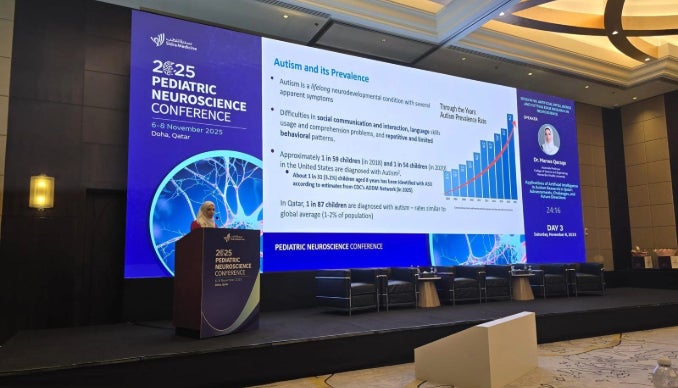

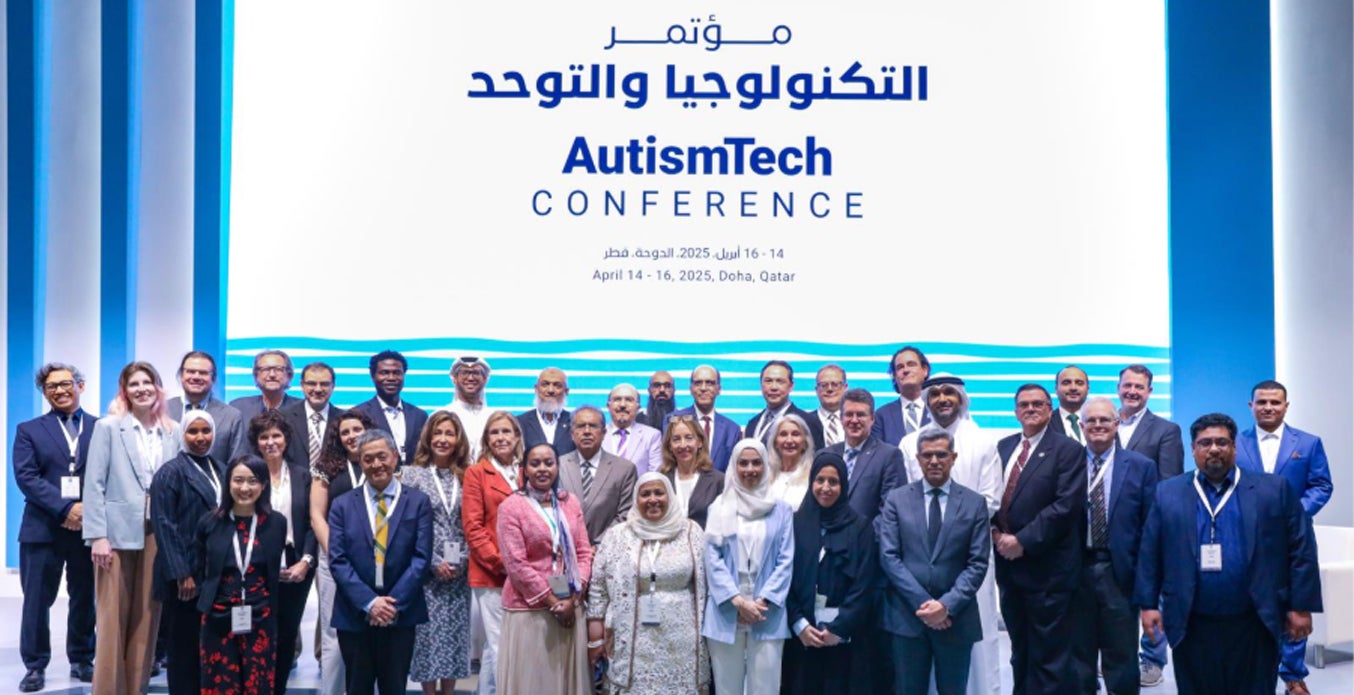
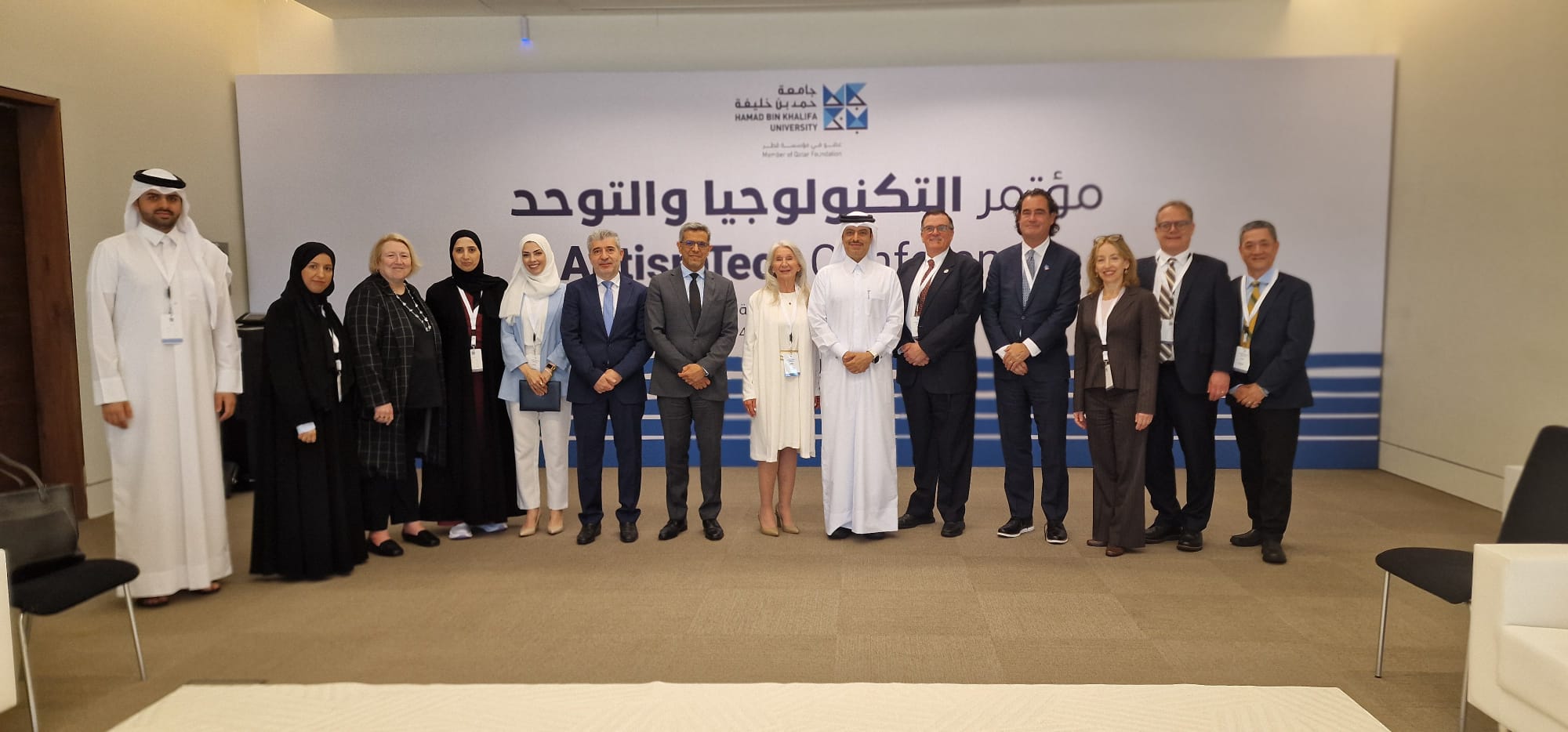
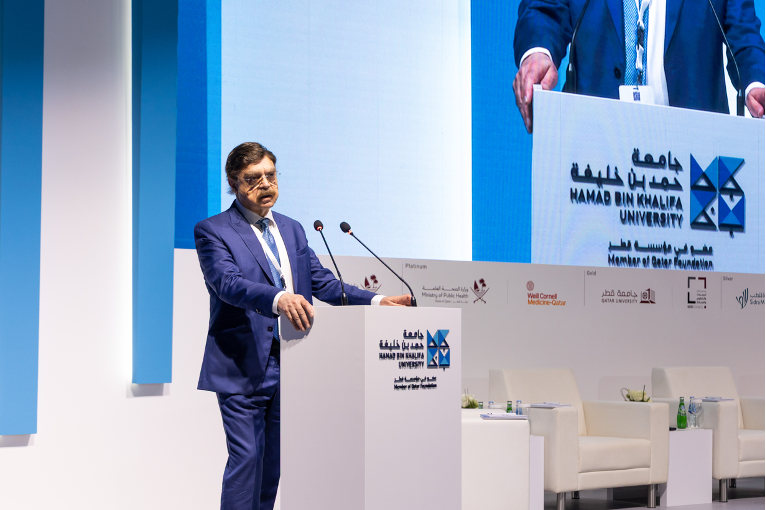
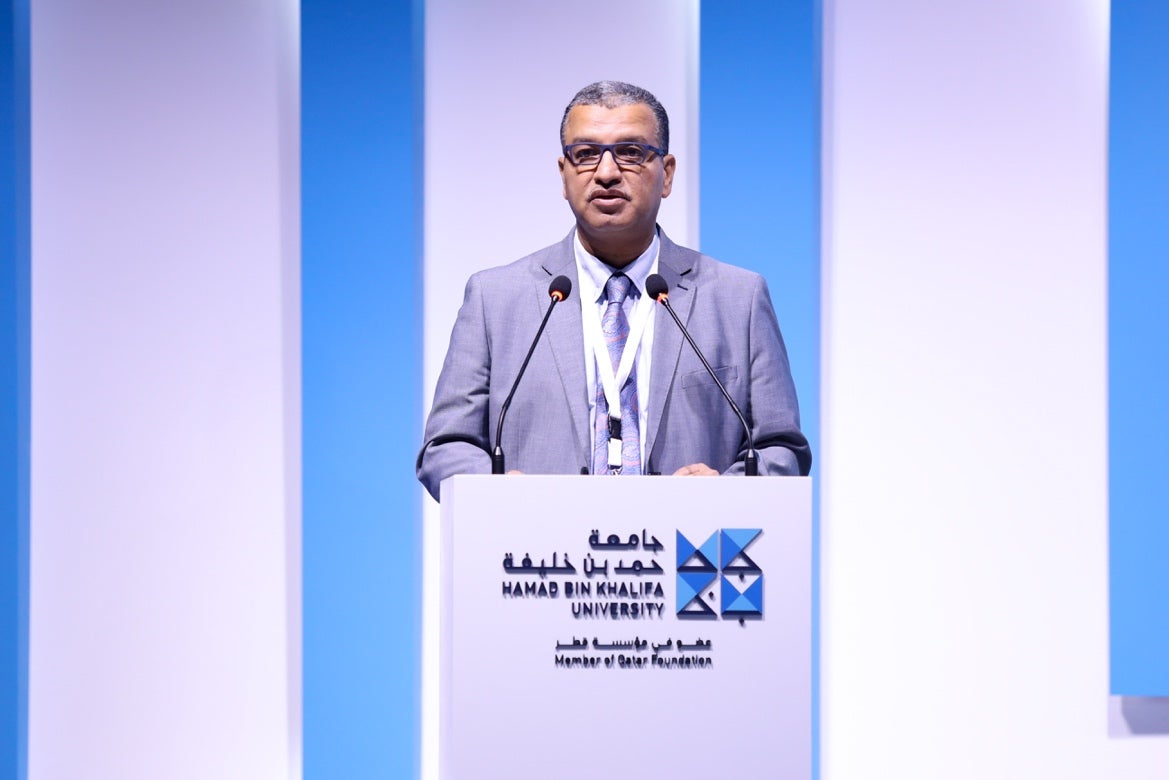
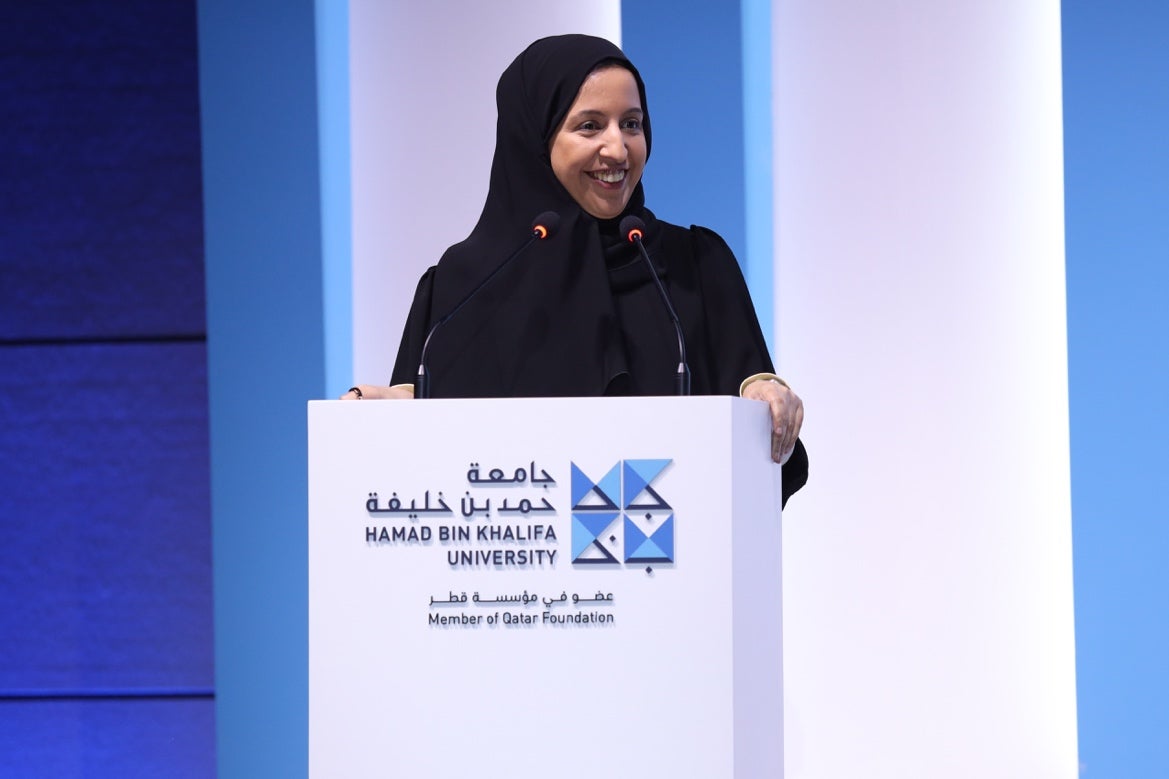
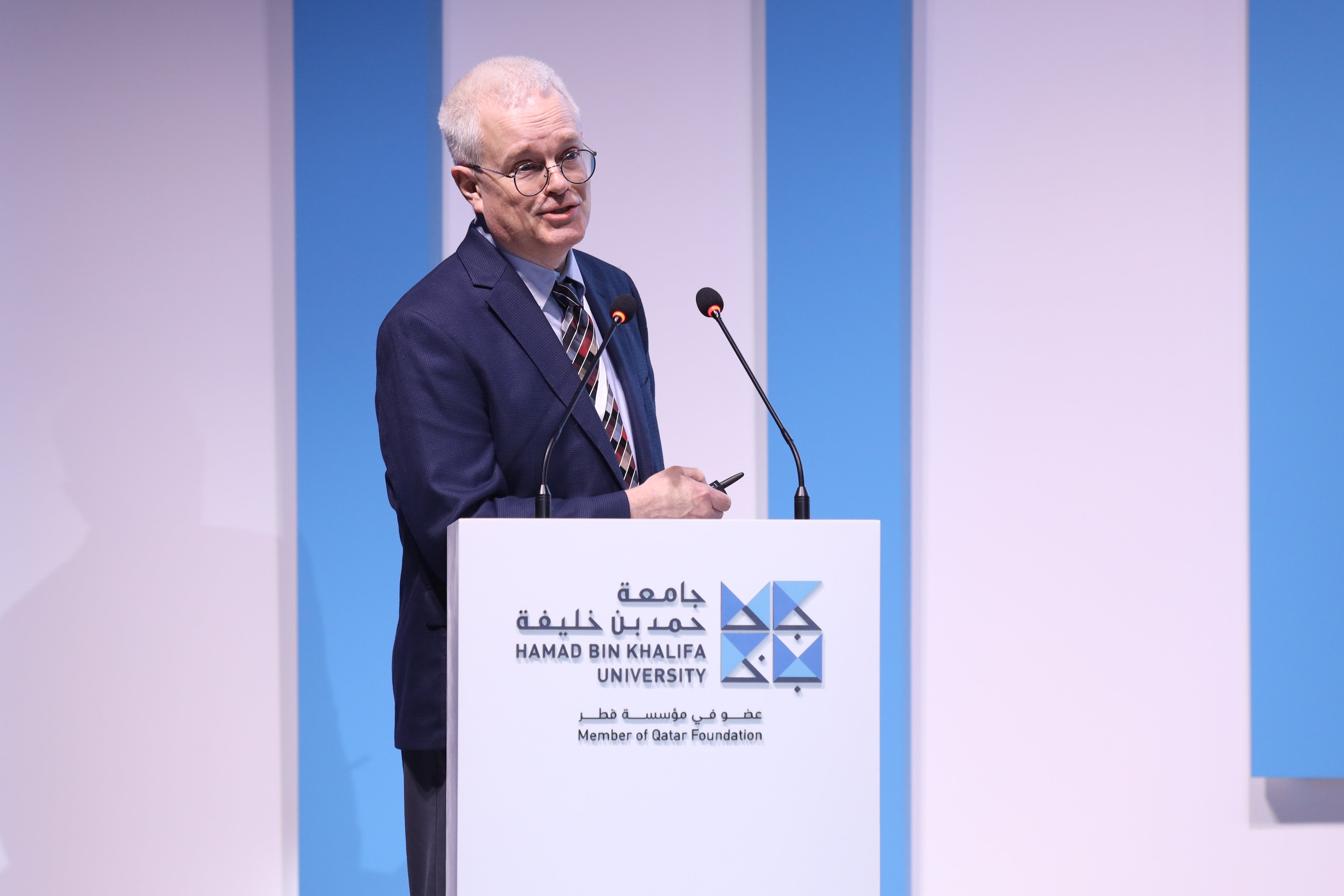
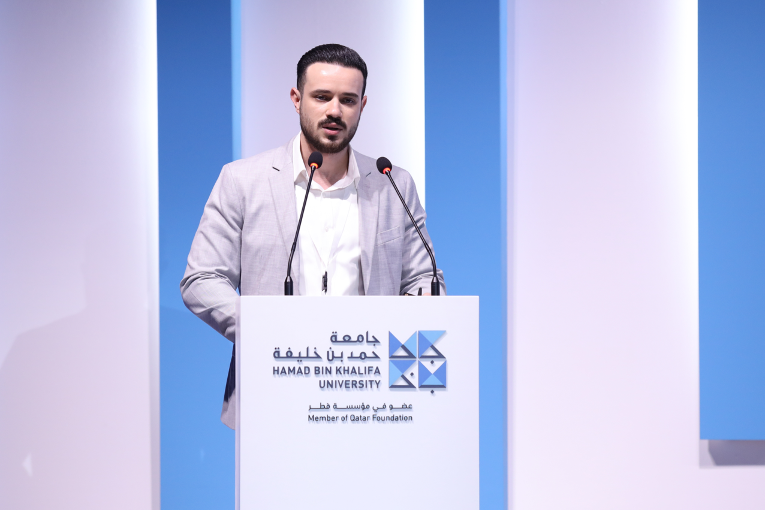
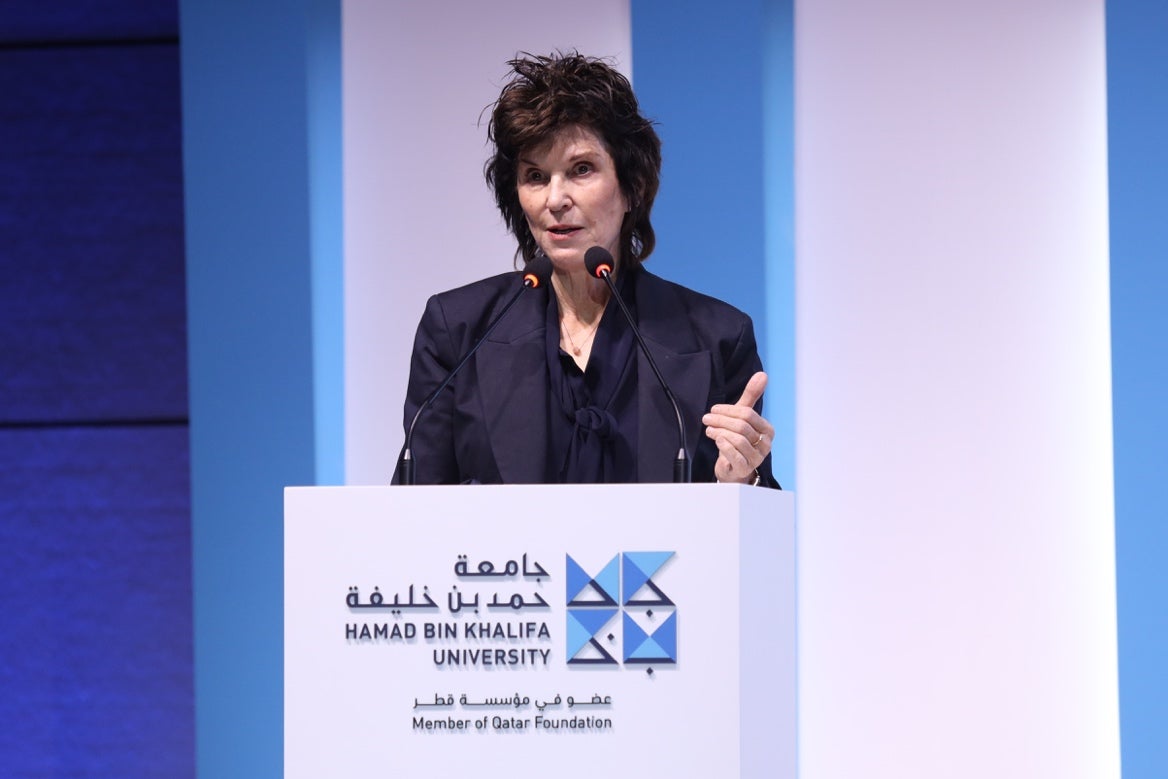
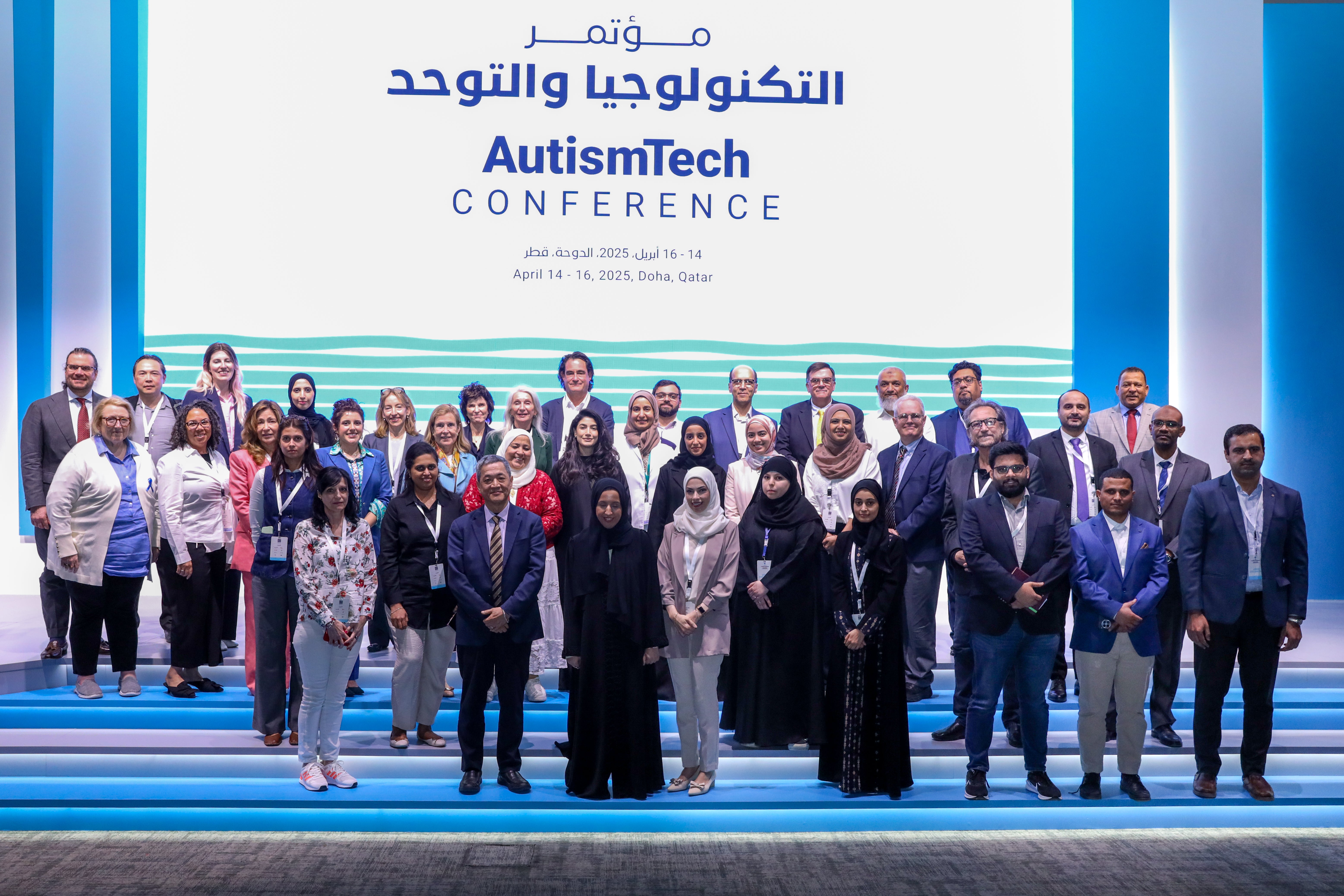
The A-Sense Center of Excellence at Hamad Bin Khalifa University (HBKU), in collaboration with the Ministry of Public Health, Qatar University, Sidra Medicine, Autism Speaks, the Autism Science Foundation, and Mada Assistive Technology Center Qatar, hosted AutismTech 2025 from April 14–16, 2025.Learn more
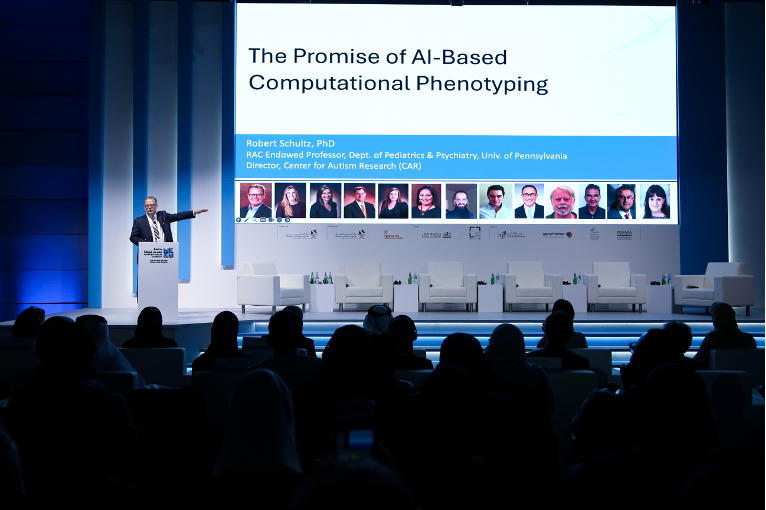
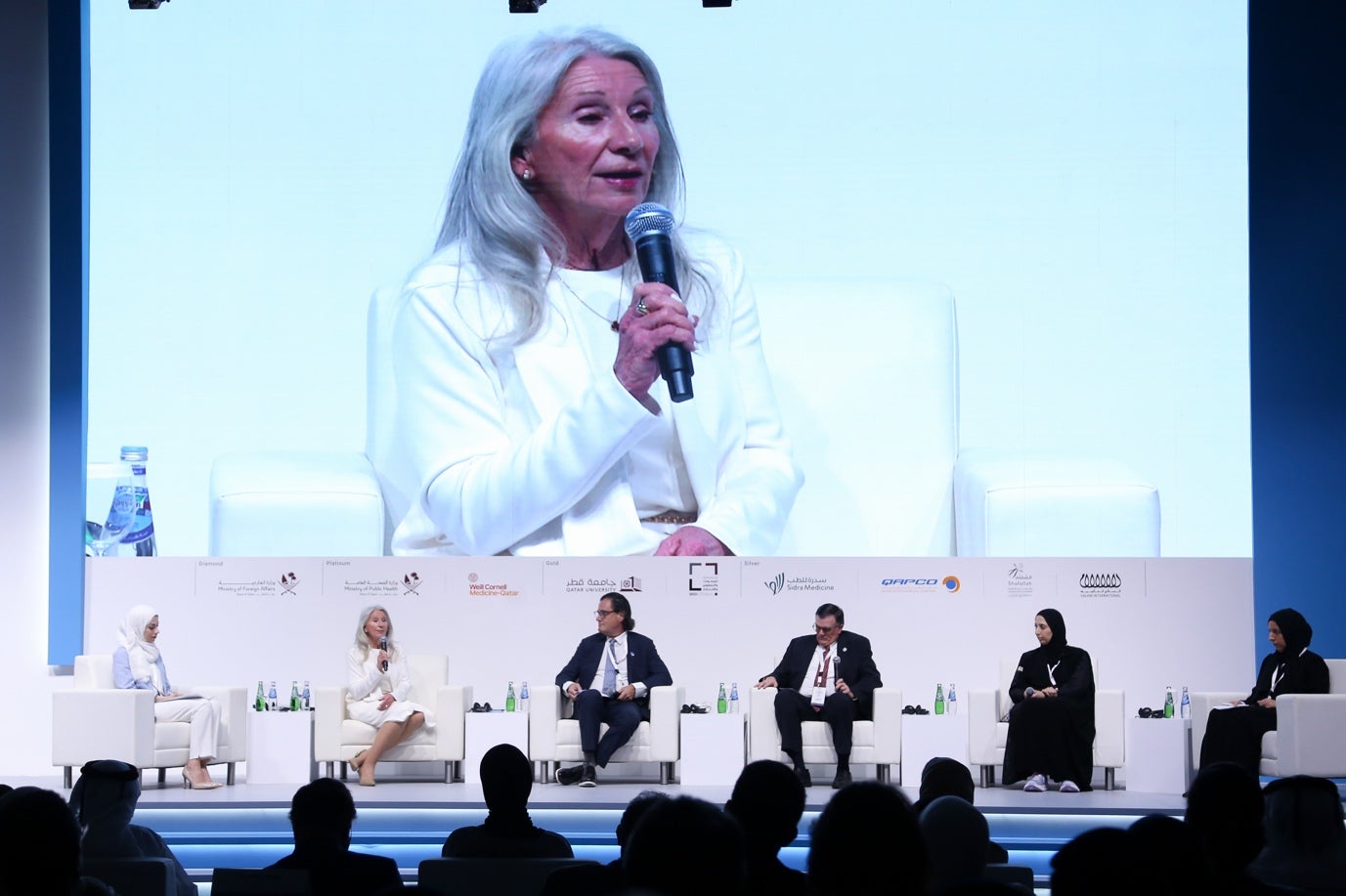
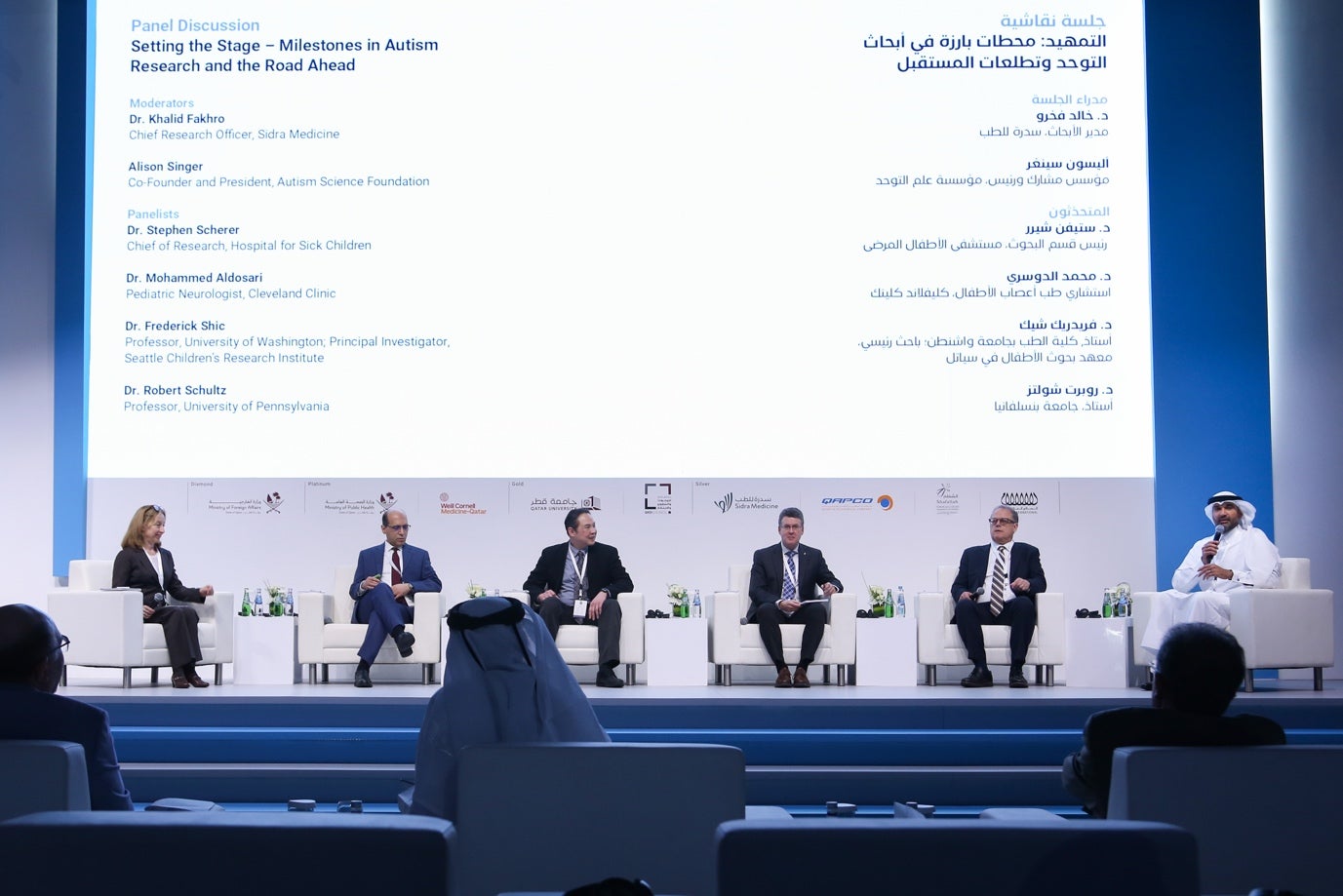
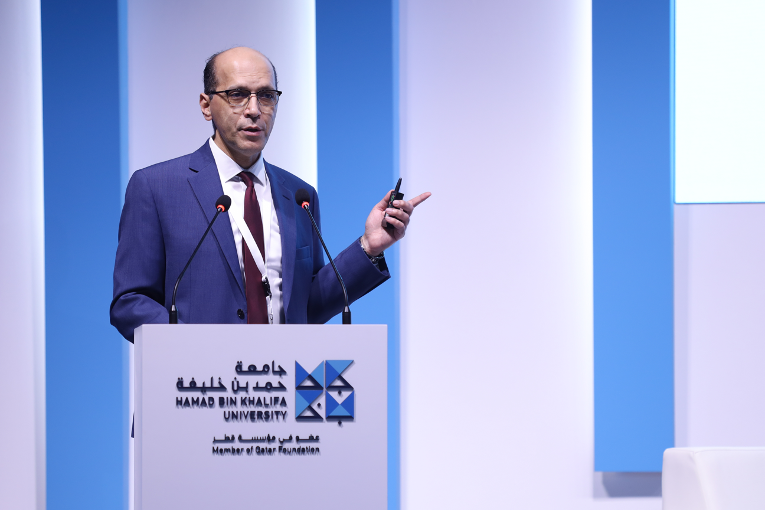
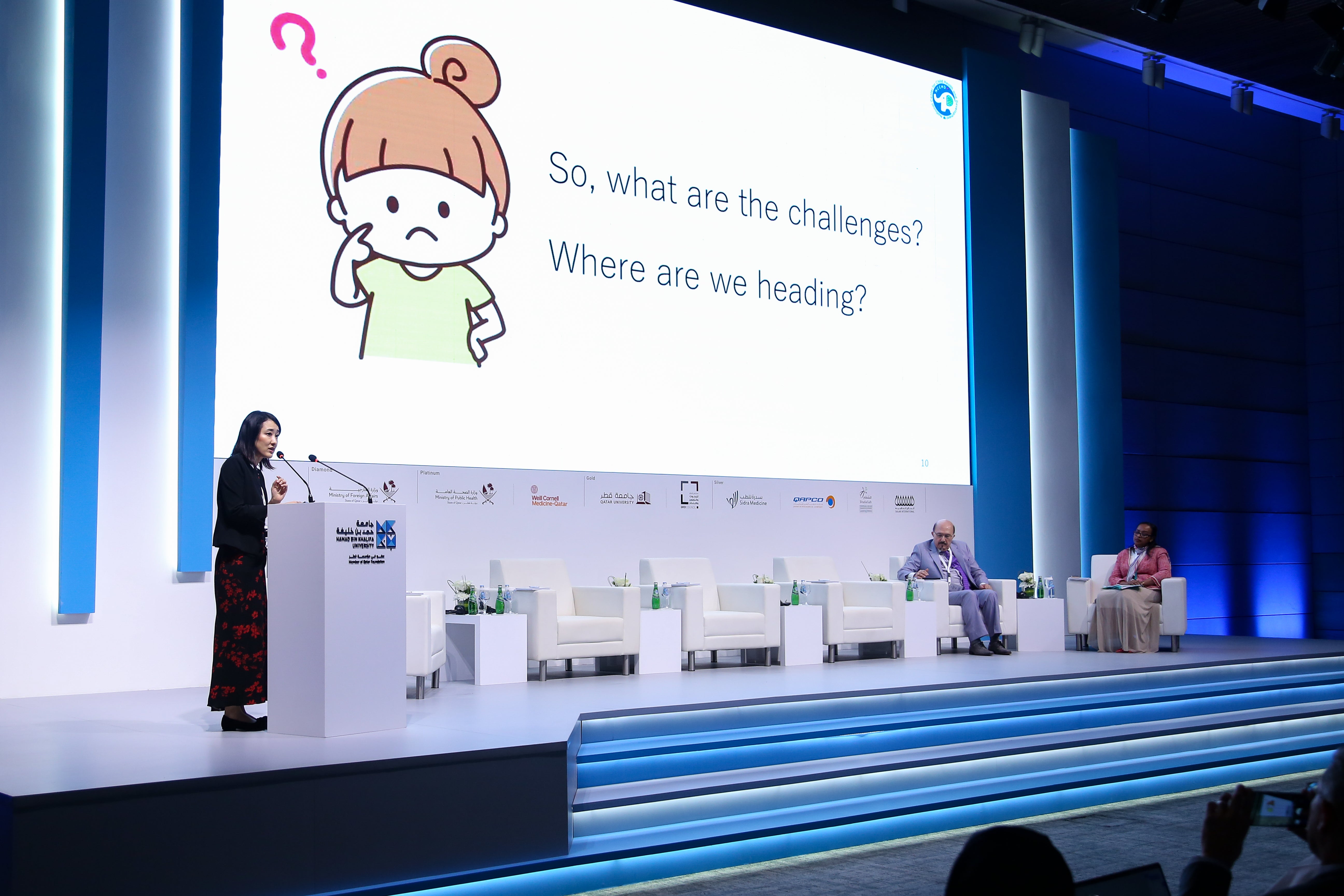
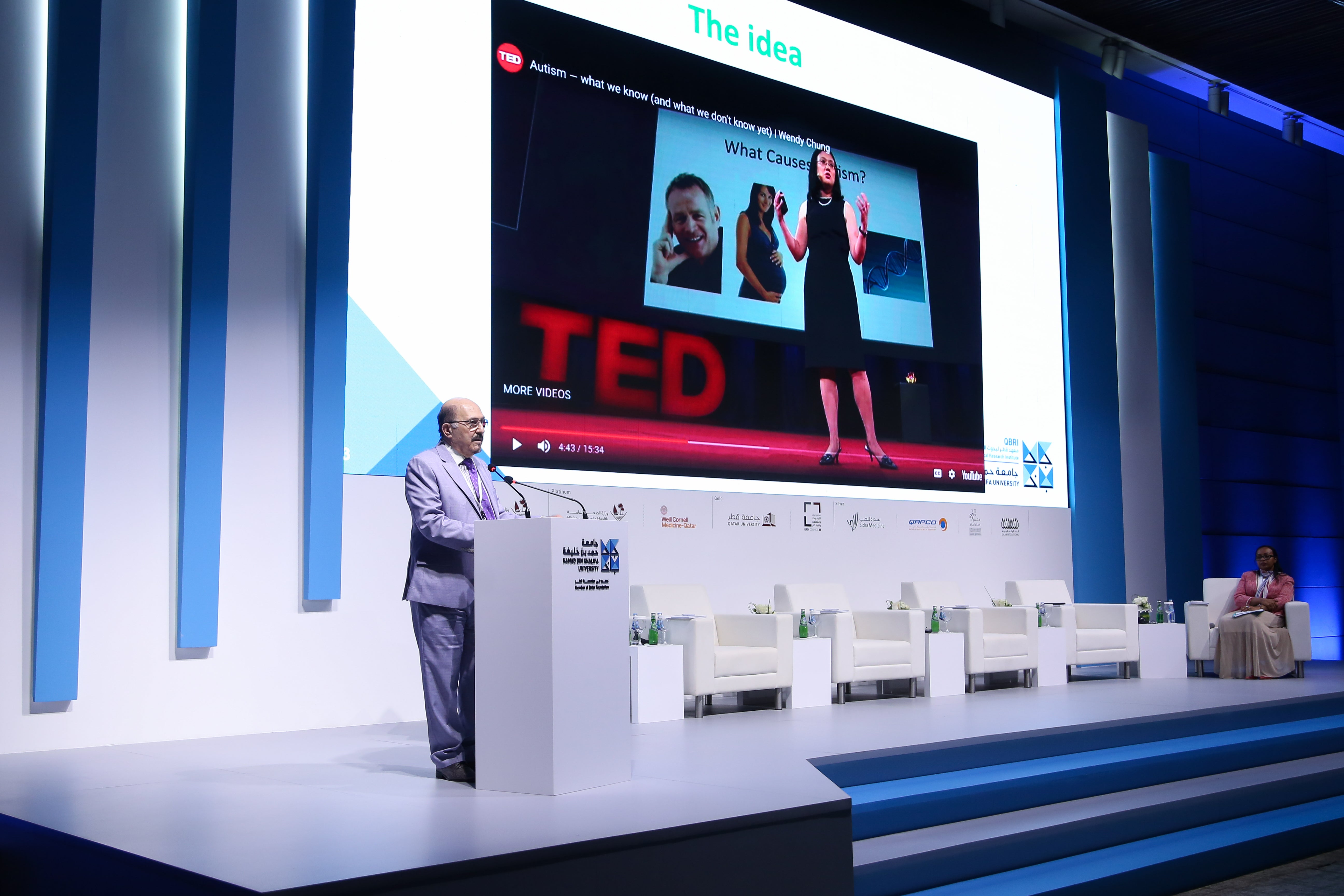
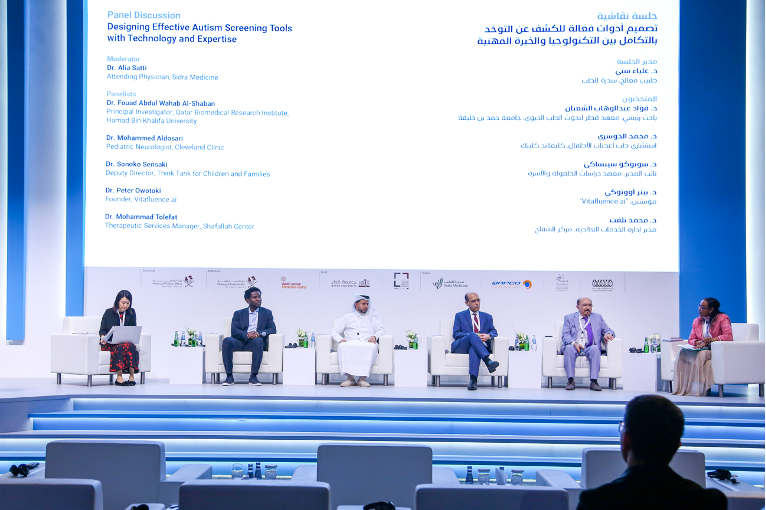
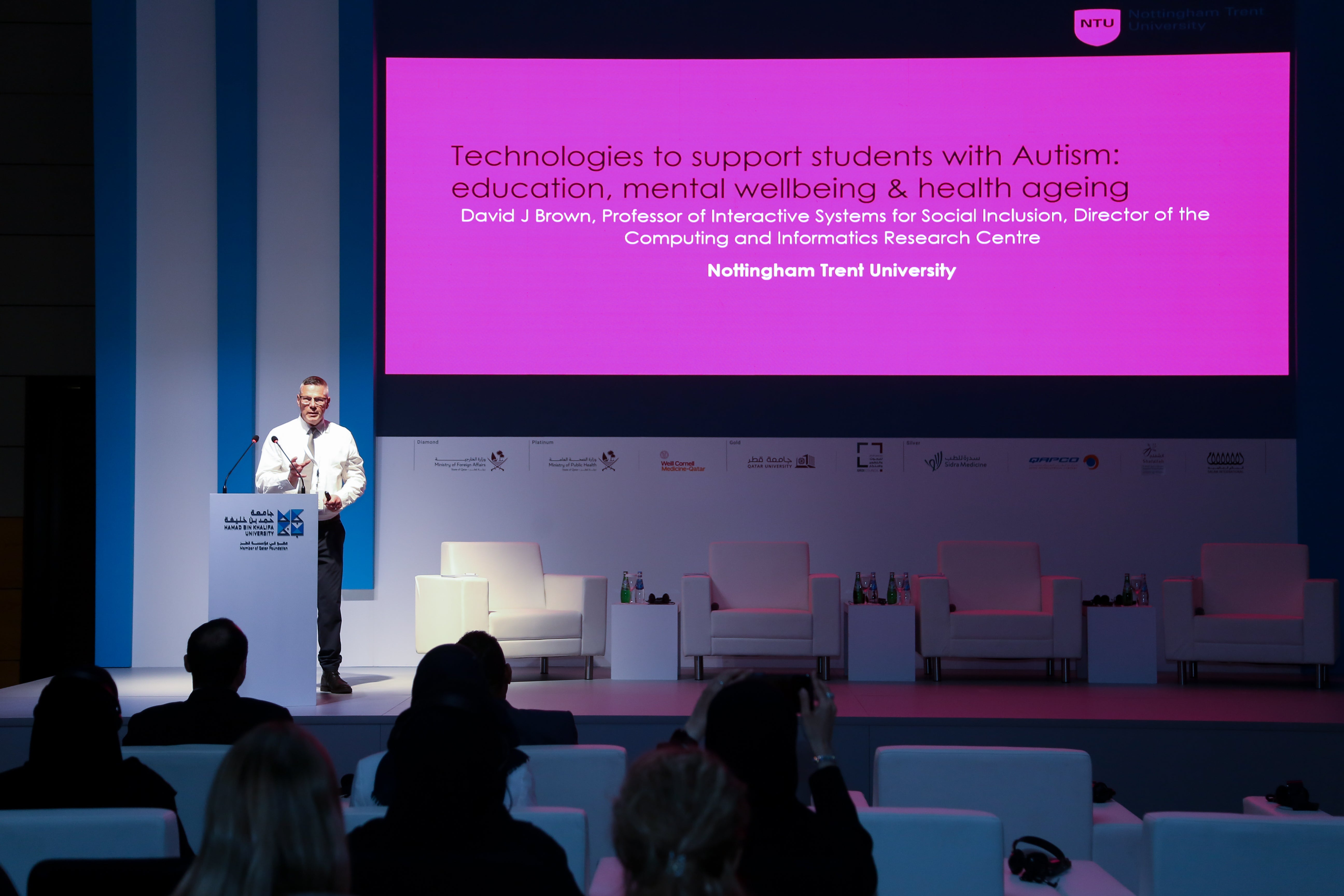
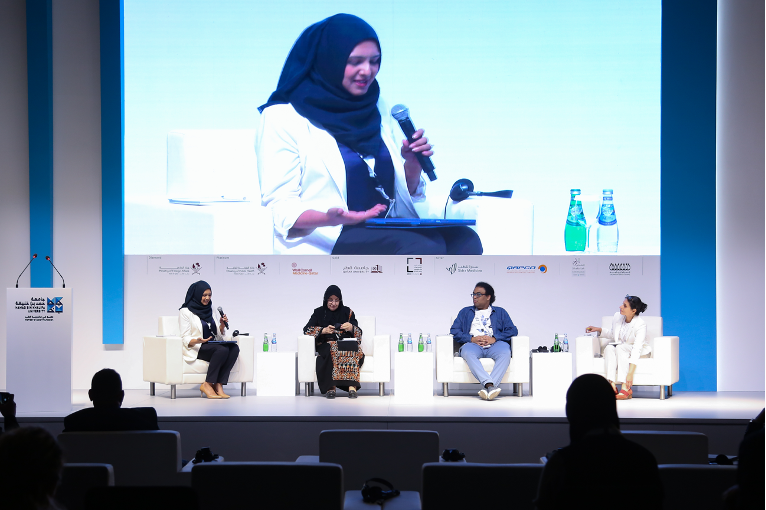
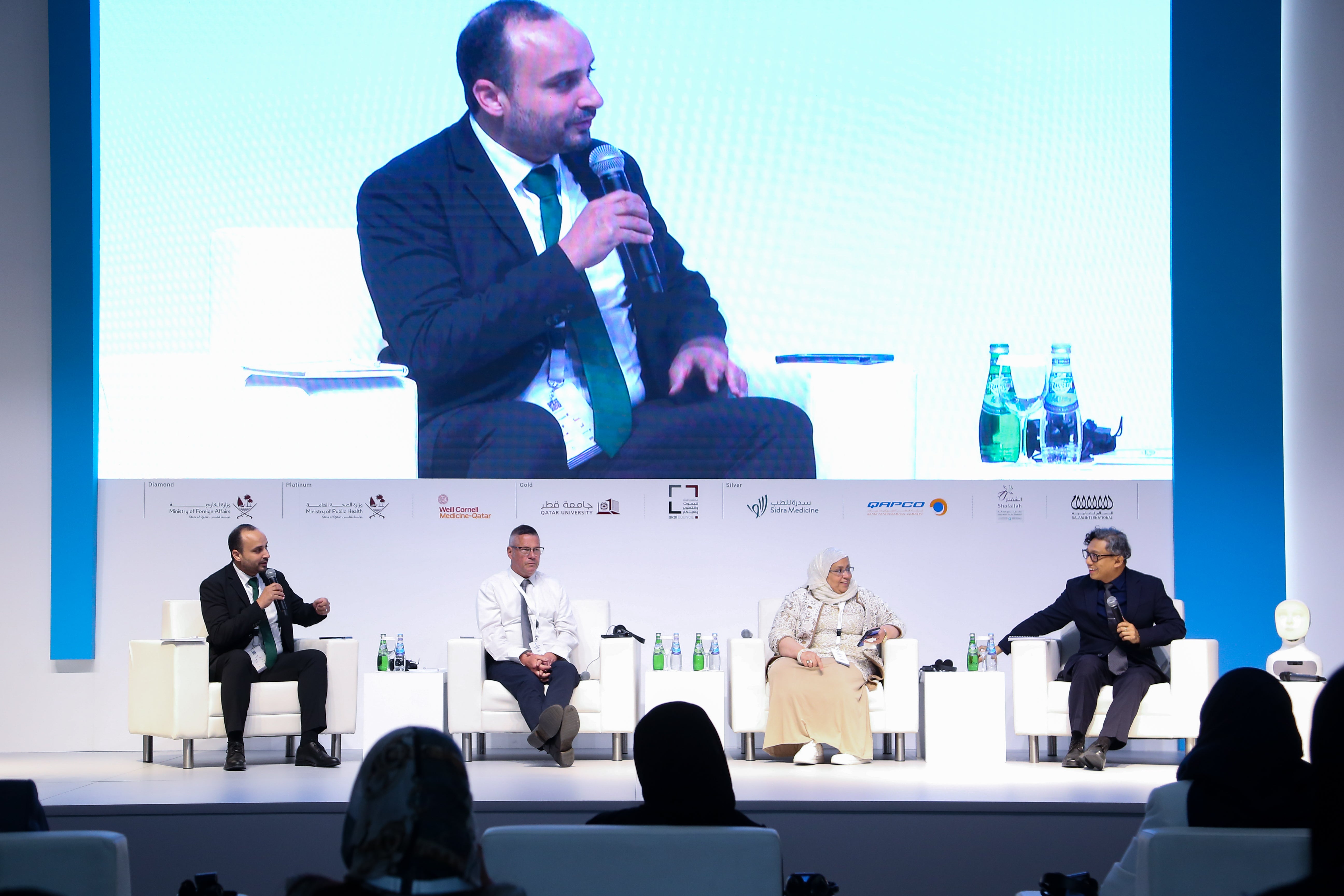
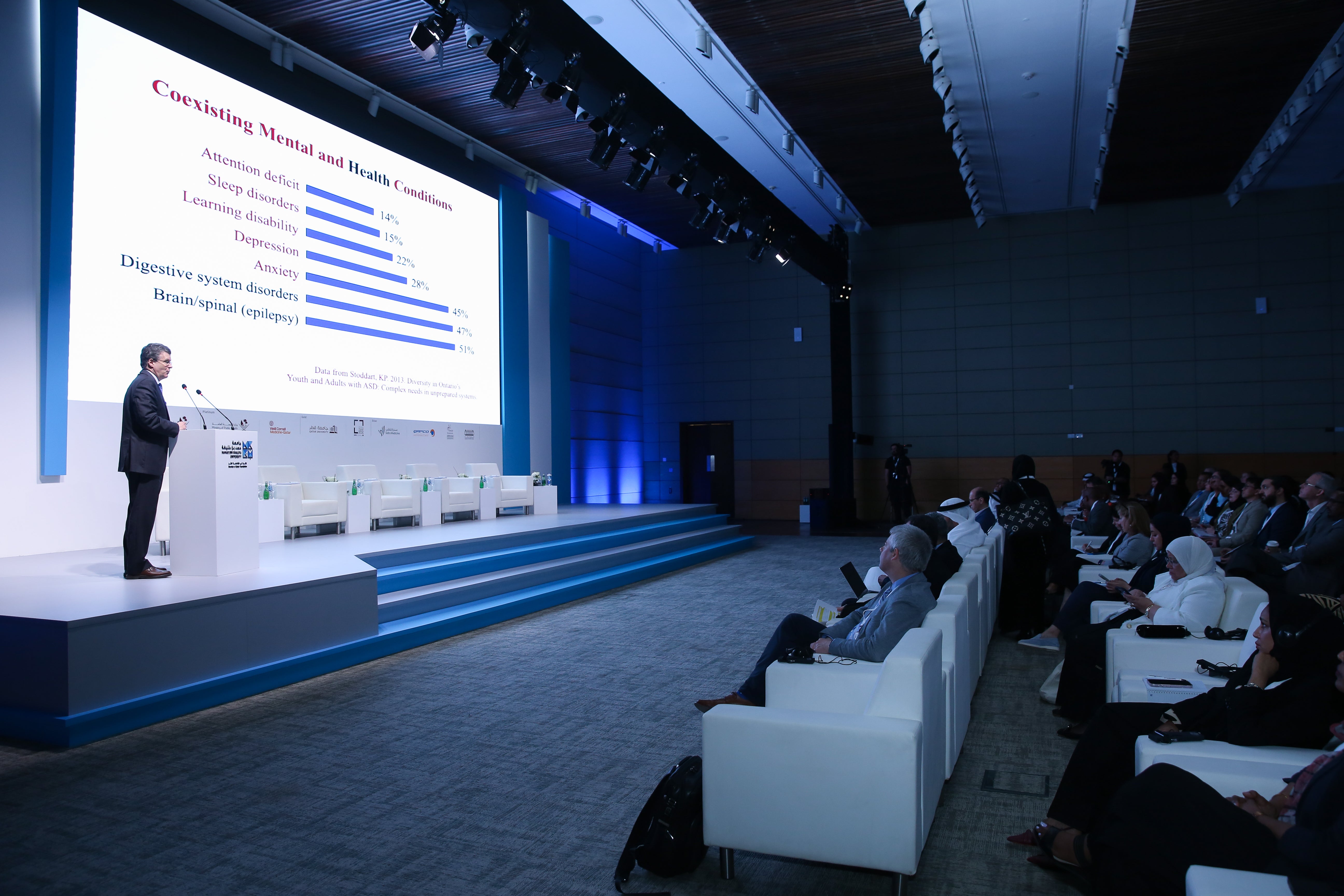
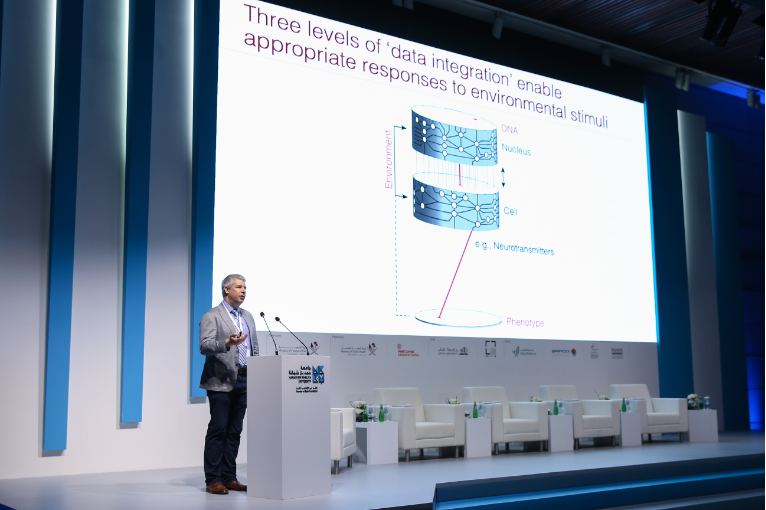
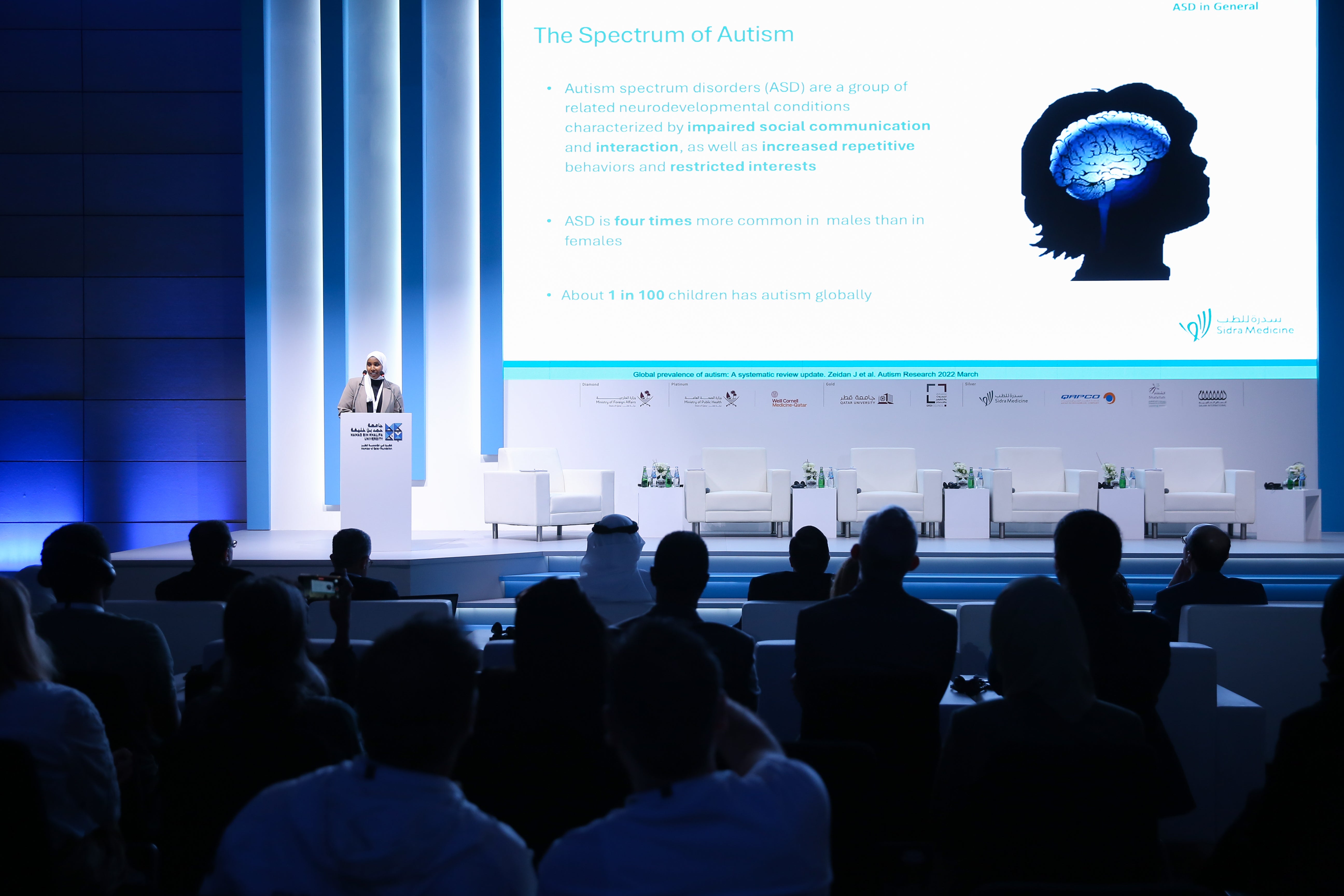
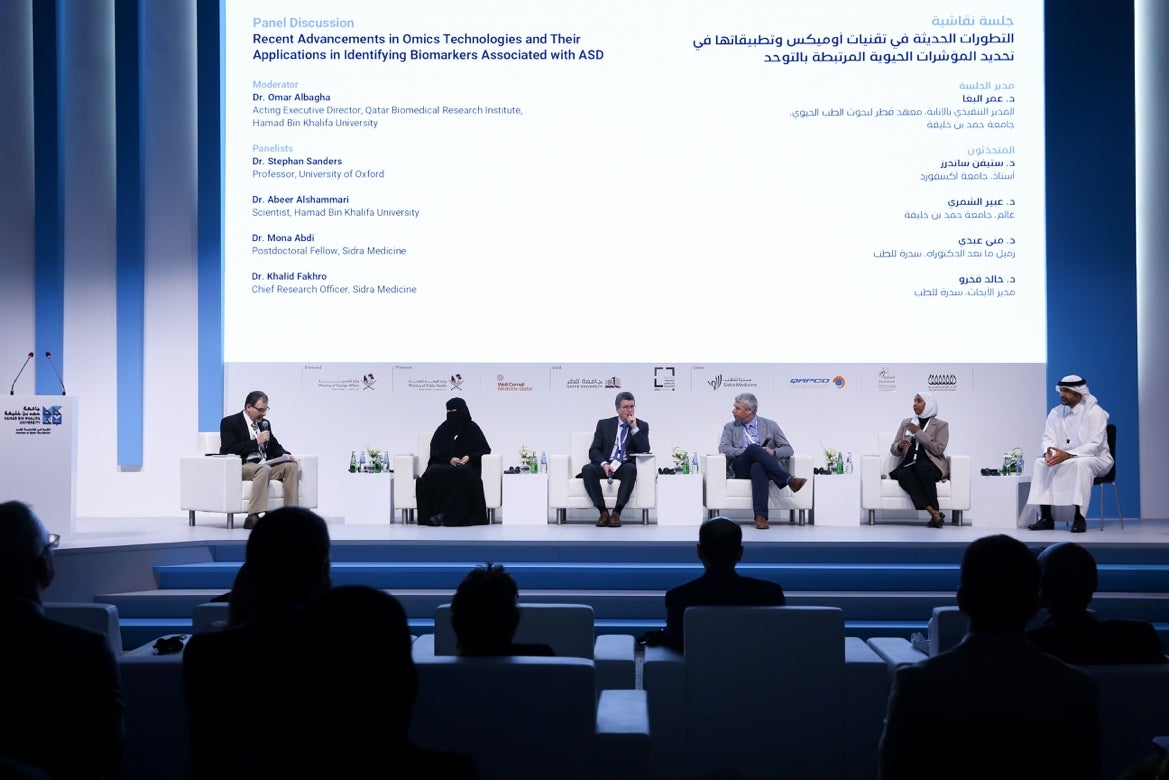
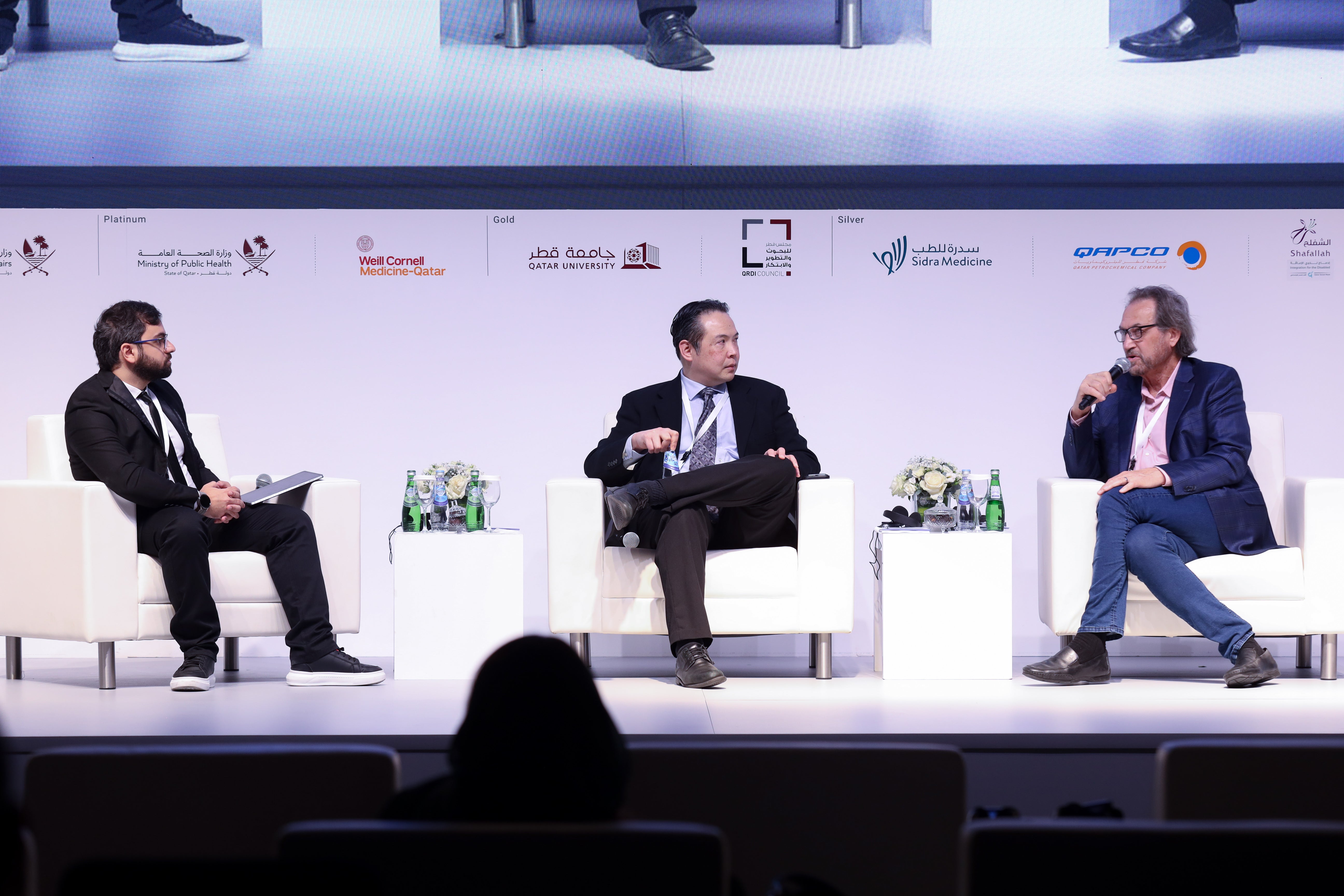
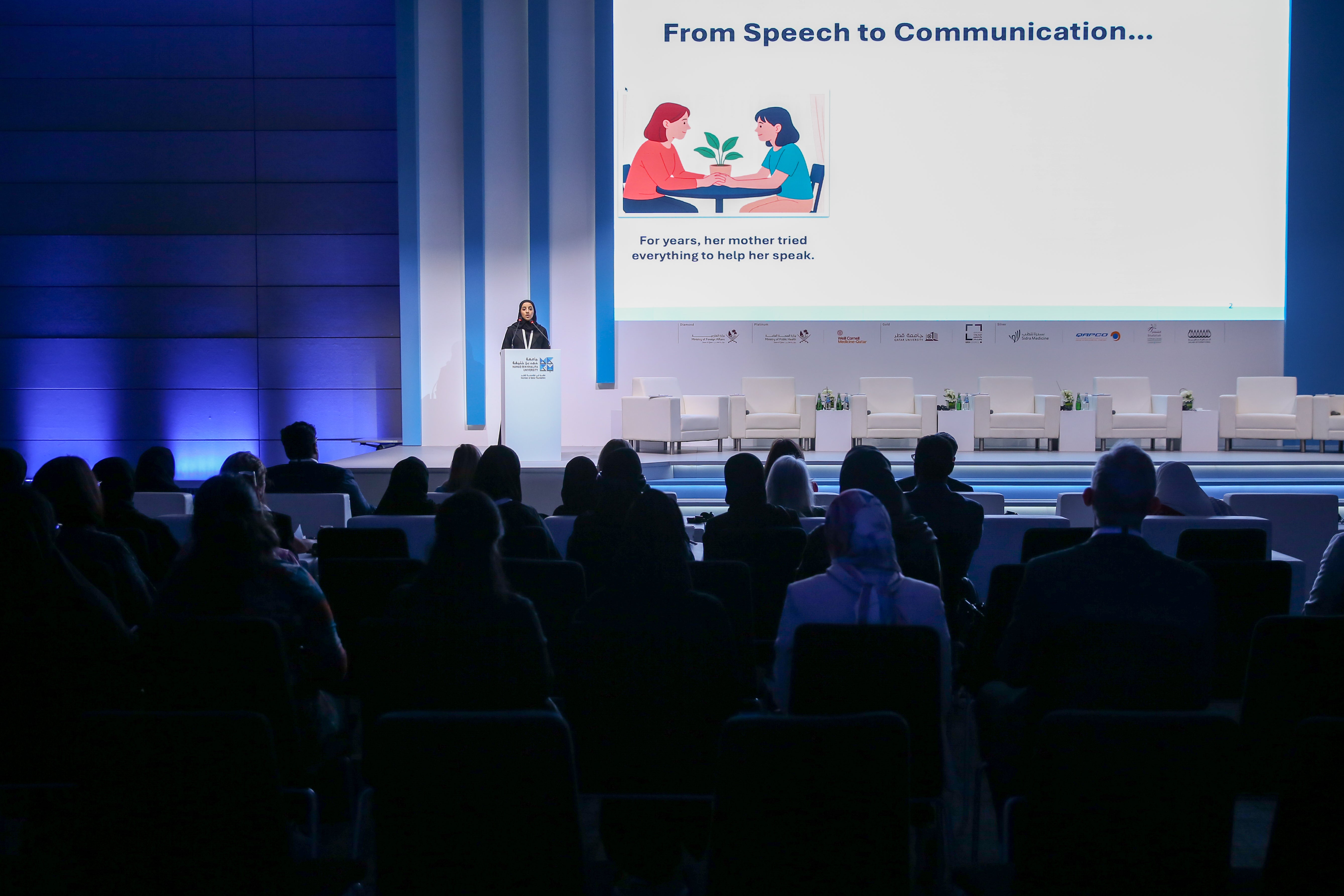
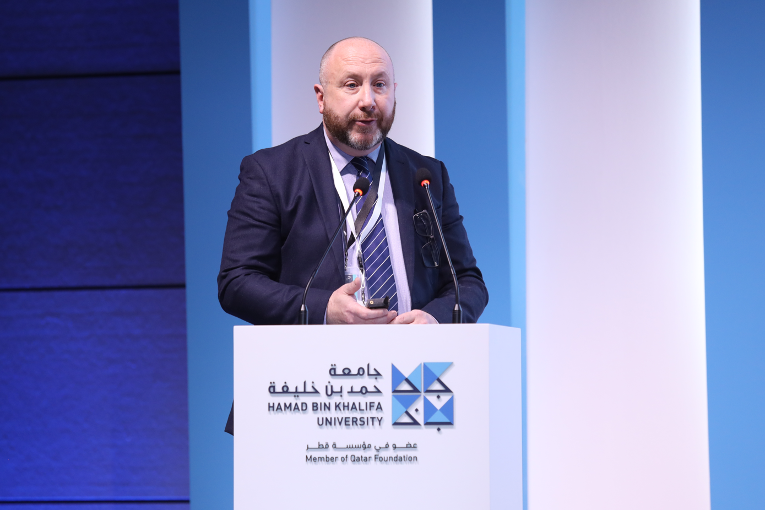
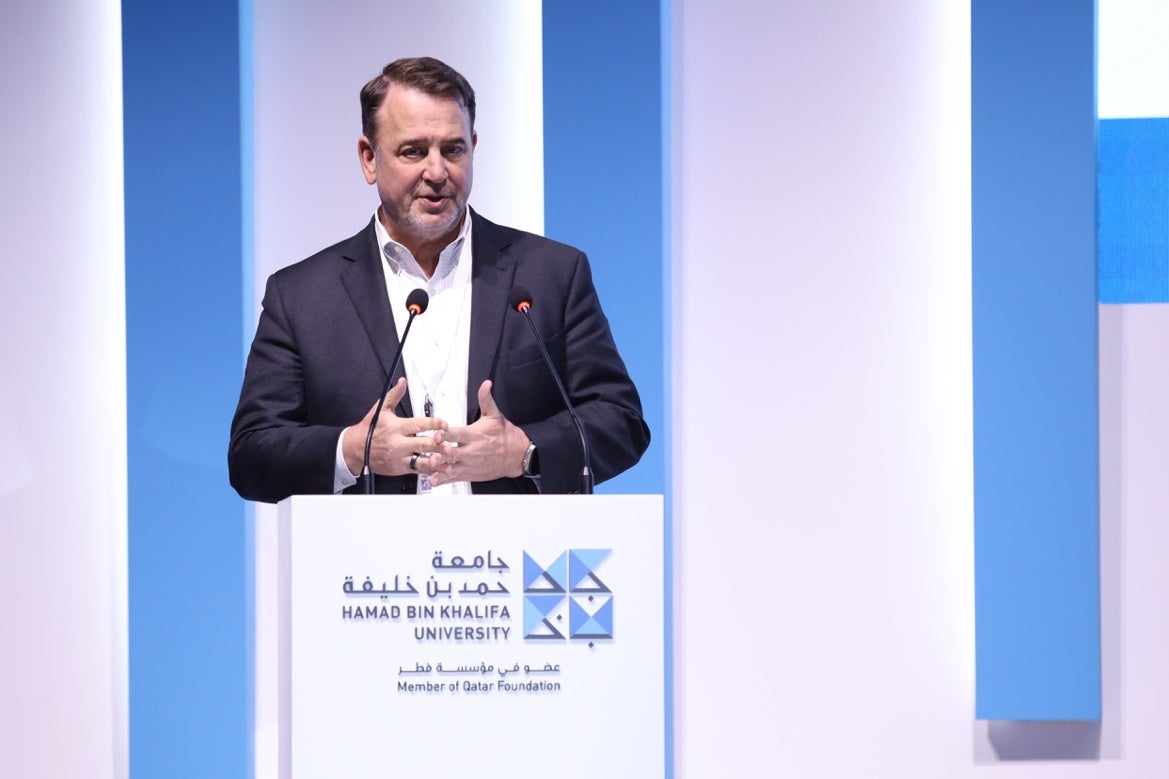
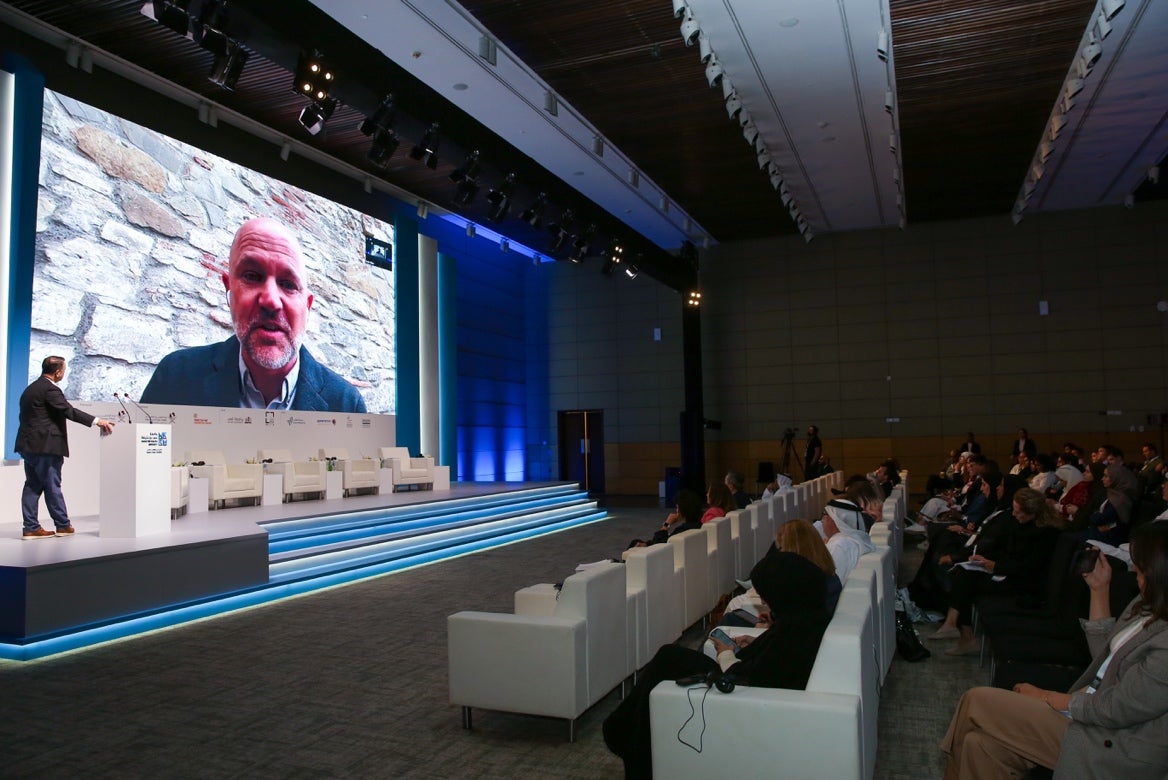
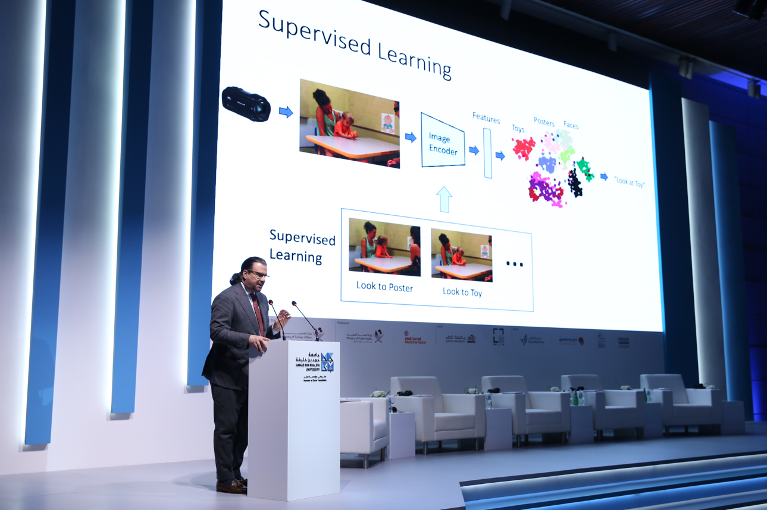
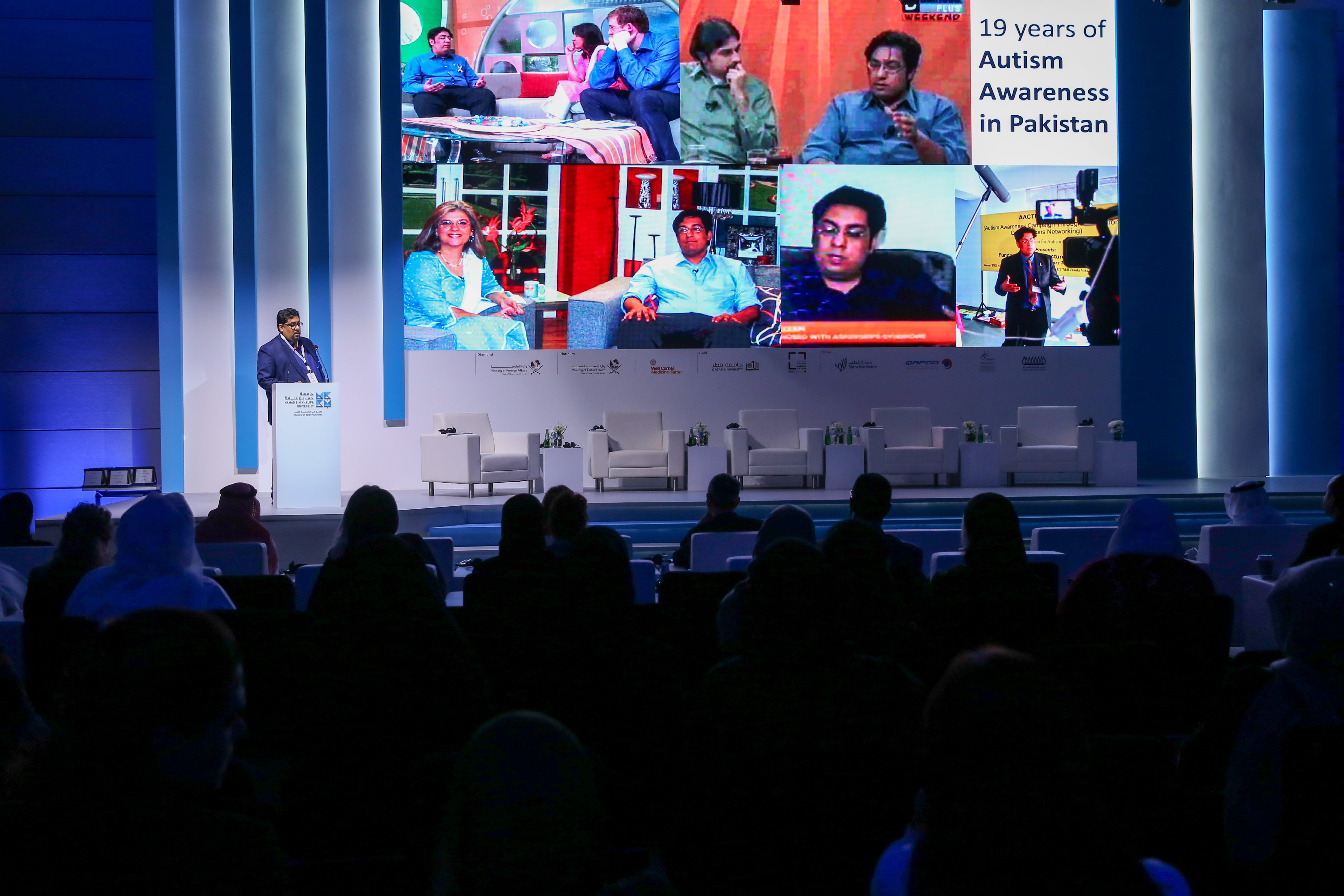
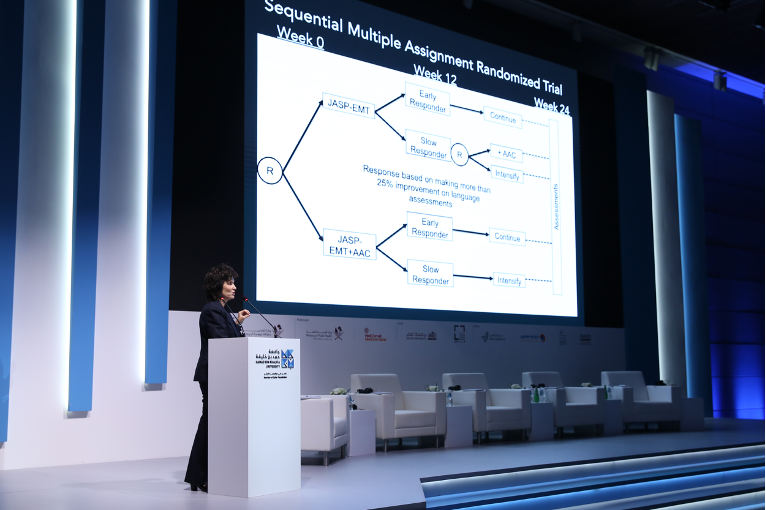
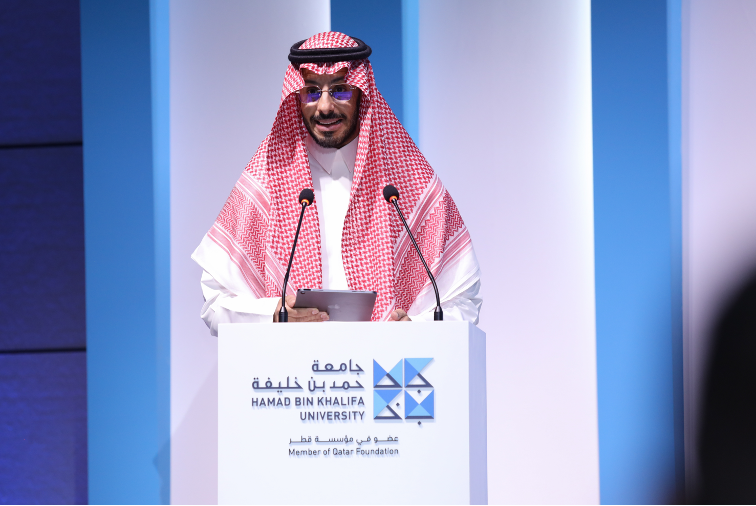
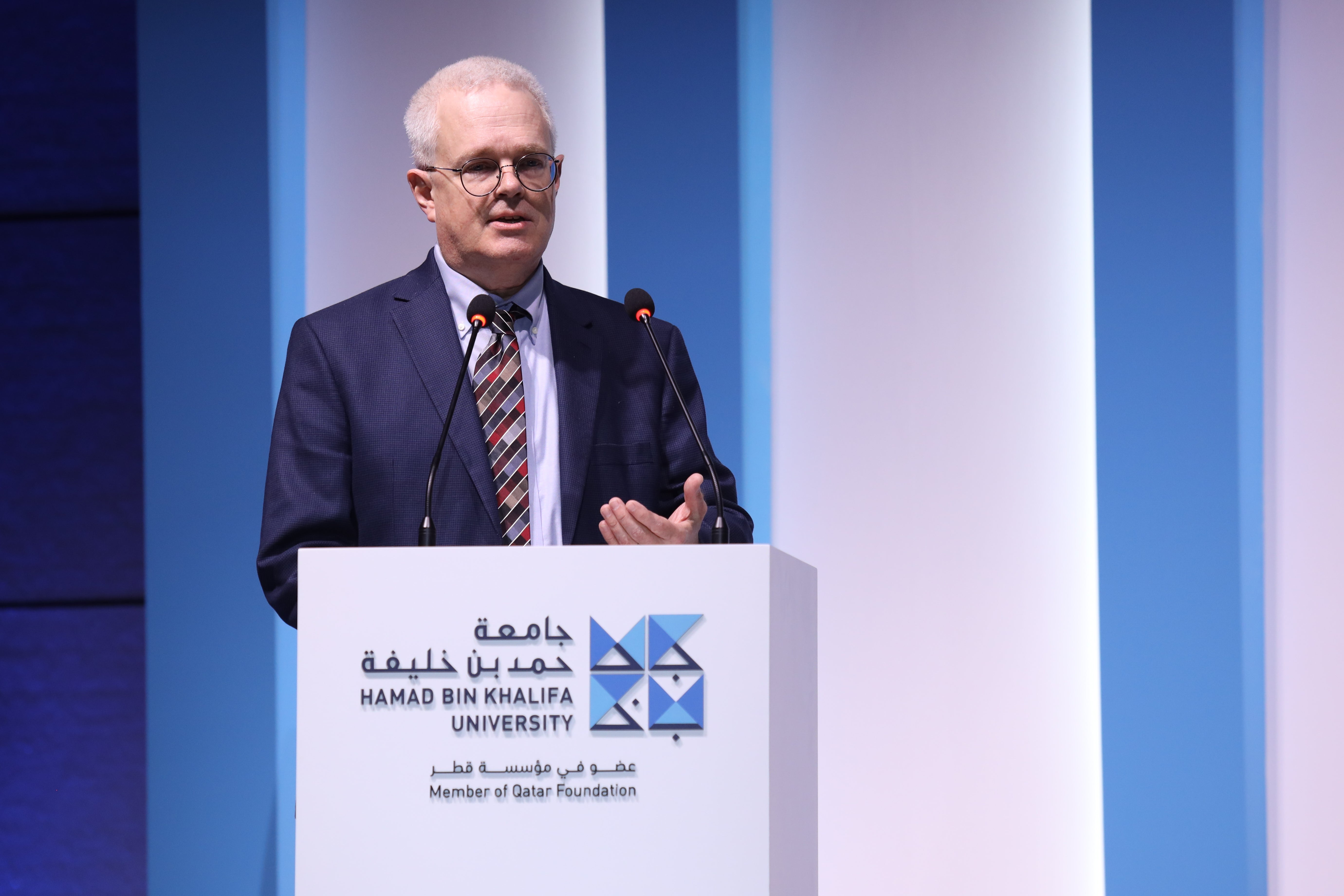
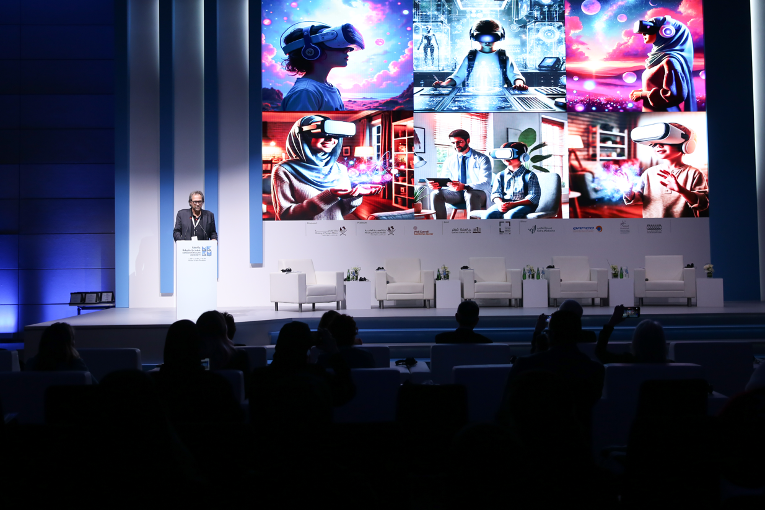
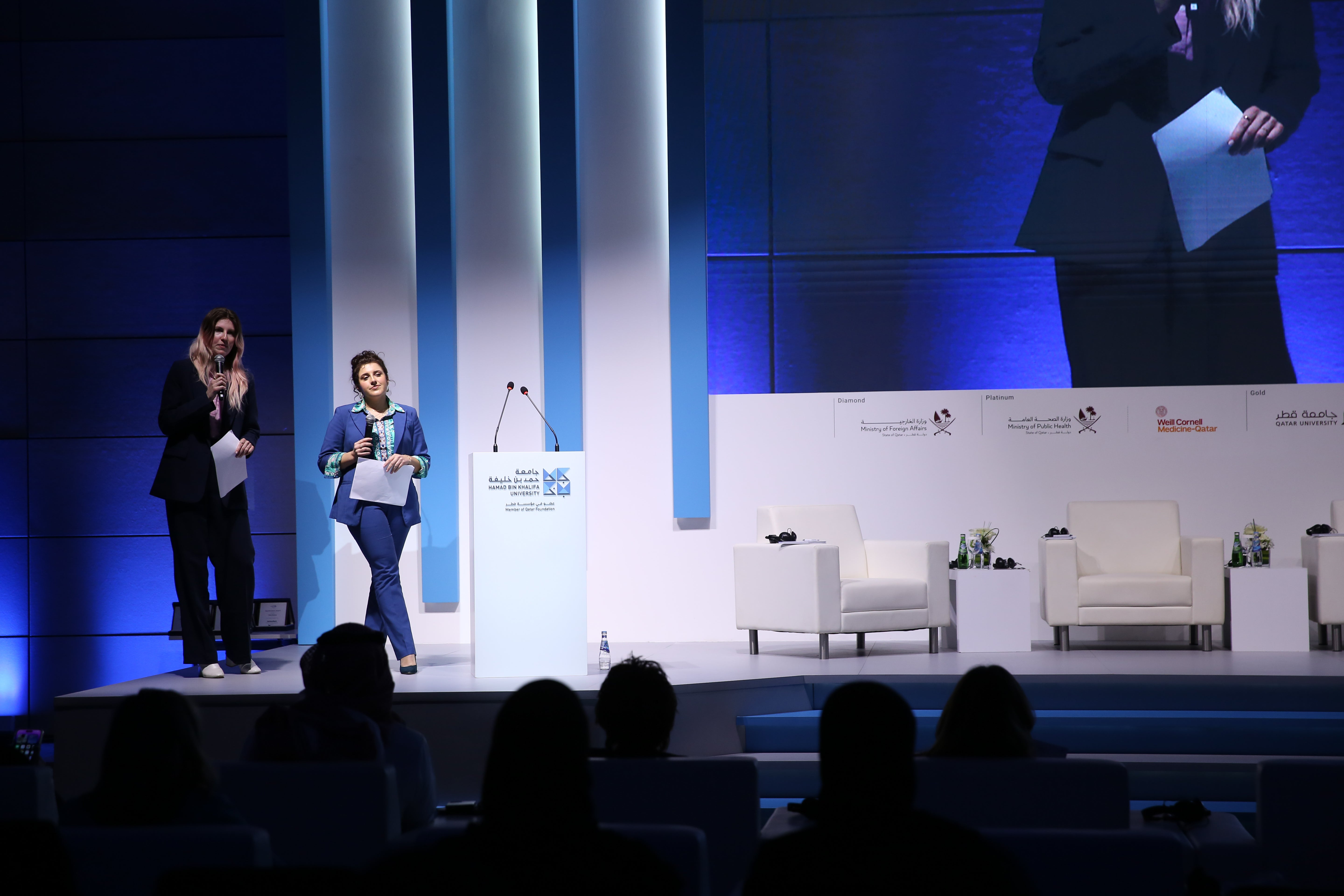
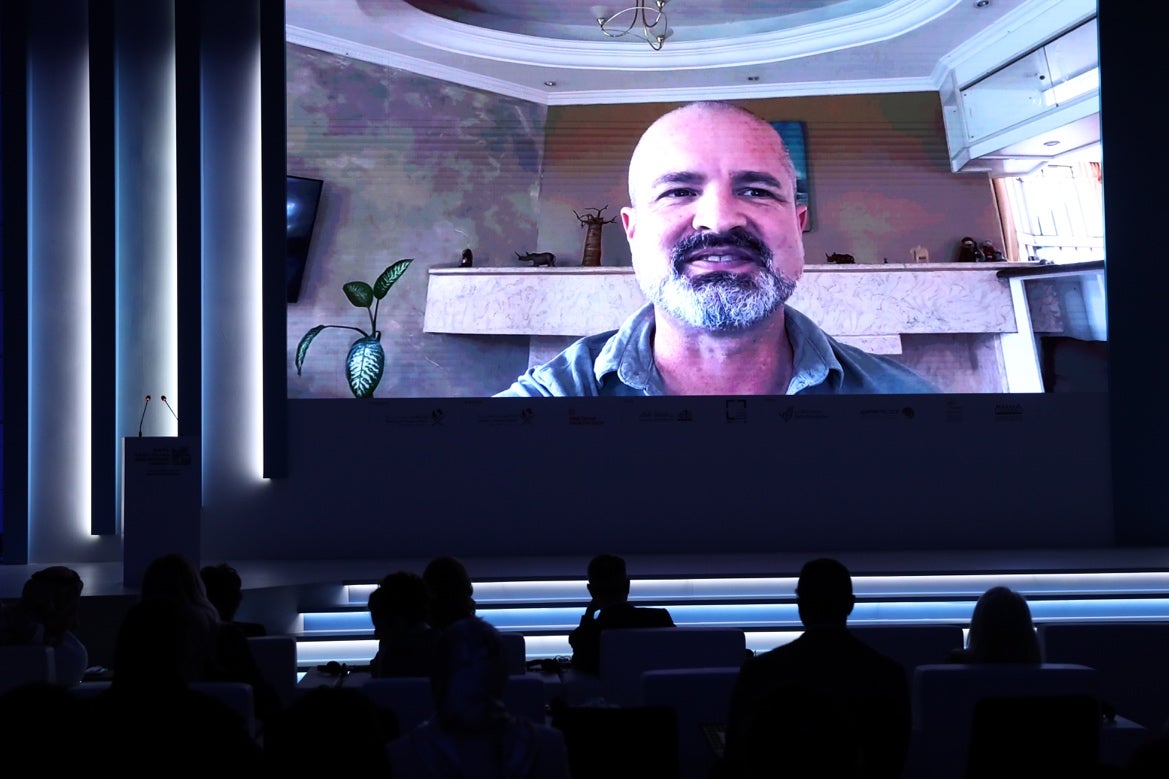
The conference brought together global pioneers in autism research, artificial intelligence, and emerging technologies to explore how innovation is transforming learning, therapy, and social inclusion for individuals with autism. Five expert-led sessions covered key areas such as diagnosis, community engagement, genomics, AI-driven therapies, and assistive communication technologies.
Leaders from organizations including the Autism Society of America, Autism Speaks, the Dan Marino Foundation, and the Autism Science Foundation shared insights and advocacy to advance research and care. Experts in AI, computer vision, and sensing technologies presented data-driven solutions to support personalized interventions and empower individuals on the spectrum.
The event welcomed over 400 participants from 14 countries, reflecting its growing international reach. It also highlighted the importance of community engagement in Qatar, where one in 87 children is diagnosed with autism, fostering collaboration among educators, researchers, policymakers, and advocates.
Honored by the presence of Her Highness Sheikha Moza bint Nasser and Her Excellency Sheikha Hind bint Hamad Al Thani, AutismTech 2025 underscored Qatar’s commitment to advancing innovation, inclusion, and global collaboration in autism research and technology.
The AutismTech Conference 2025 in Doha united global experts to explore how emerging technologies can advance autism diagnosis, research, and support. Key challenges included overlapping symptoms, inconsistent assessments, and the absence of clear biomarkers. Innovations such as AI-based screening, eye-tracking, and VR tools showed promise for earlier and more personalized interventions. Genomic research highlighted autism’s complex genetic basis, while a Gulf-region AAC survey showed rising adoption but ongoing barriers related to cost, awareness, and Arabic language support. The conference emphasized co-design, accessibility, and cross-disciplinary collaboration to ensure technology-driven autism solutions are ethical, inclusive, and culturally relevant.
See More
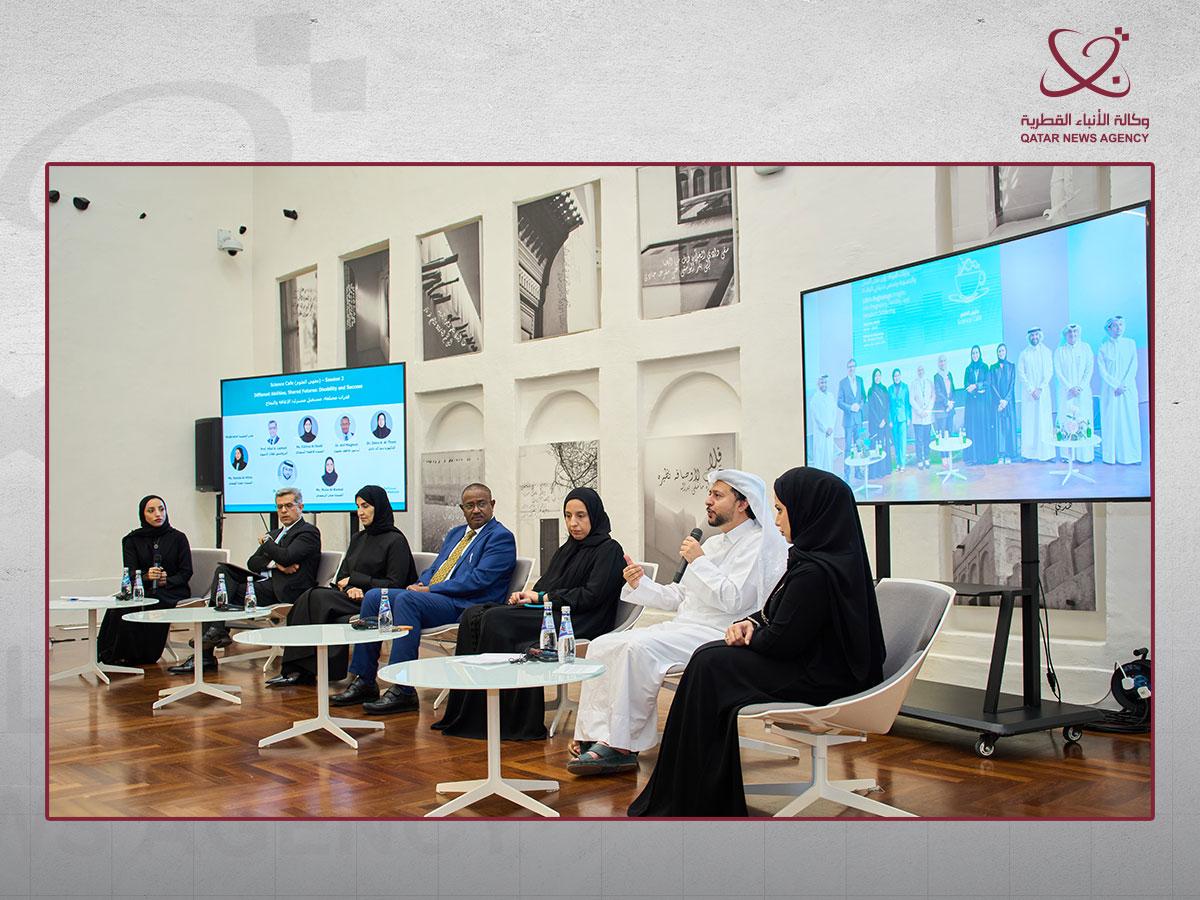
Dr. Dena Al-Thani participated in the 2nd Science Café Session hosted by Msheireb Museums, and Sidra Champion neurodiversity
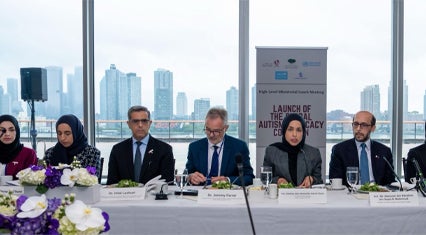
A-Sense Center of Excellence Co-founders Participated in the 80th Session of the United Nations General Assembly (UNGA80)