

A-Sense Vision and Goals
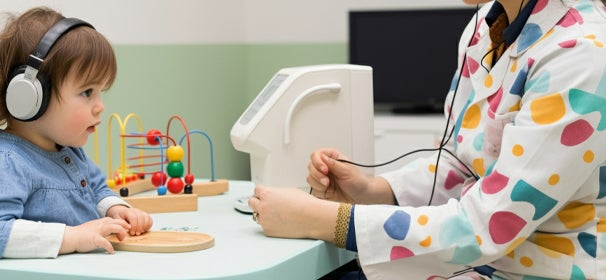
Develop technology that combines the powerful capabilities of AI with state-of-the-art sensing technology to enable the quantitative assessment of children with autism.
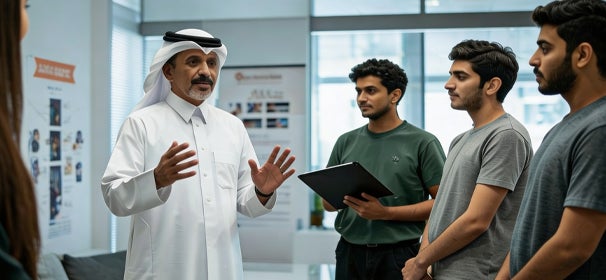
Catalyze multidisciplinary research and product development while simultaneously engaging various stakeholders and end-users such as autistic individuals, parents, community activists, developmental specialists, therapists, and educators.

Drive personalized therapeutic and behavioral interventions for use in schools, homes, and clinics for autism and beyond, through developed intelligent technologies.

Contribute to the Qatar National Vision 2030 by innovating and producing new knowledge, capitalizing on the center’s IP, and generating potential commercialization opportunities.
Enabling the remote observation and quantitative assessment of autistic children can fuel early diagnosis capabilities and targeted intervention and improve educational outcomes. Therefore, research at A-Sense will encompass four areas.
Even with significant adherence to evidence-based clinical guidelines, there has not been any decrease in the average age of autism diagnosis for children over the past decade, with the median age of diagnosis remaining at 55 months. Thus, one of the center’s priorities is developing and validating novel AI-powered screening tools for early detection of ASD across diverse populations, including infants, toddlers, and school-aged children. Derived approaches will focus on utilizing advanced statistical methods, machine learning algorithms, and natural language processing to analyze multi-dimensional and multi-modal human-based data to identify reliable behavioral markers and predictive indicators of ASD. Collaboration with experts in psychology, neuroscience, and education is integral to the development of these screening tools, ensuring their accuracy and effectiveness.
Behavioral and educational interventions play a crucial role in the development and well-being of children with autism, yet there are major limitations and challenges when it comes to providing such services to autistic individuals due to the limited availability of experts/therapists, the highly variable behavioral characters of autism, and the generic approach in applying state-of-the-art therapy and interventions, which in turn, makes tailored approaches nearly impossible. To address these challenges, ASC focuses on investigating personalized intervention approaches for the specific needs and characteristics of individuals with ASD, considering factors such as age, symptom severity, behaviors, cognitive factors, and co-occurring conditions. To improve accessibility and reach, A-Sense prioritizes innovative technologies such as virtual reality, augmented reality, and e-learning platforms to deliver personalized interventions and education.
The translation of research into products will serve the autism community at homes, clinics, centers, and schools. Specifically, pilot testing of prototypes will be conducted in real-world settings, and guided feedback from end-users and stakeholders will be accepted to iteratively enhance and improve the prototypes. Ultimately, ASC will focus on ensuring that developed solutions meet the needs of autistic individuals and their families while also addressing market demands and regulatory considerations, ultimately facilitating widespread adoption and impact.
Our center is committed to enhancing capacity building in autism technology by providing comprehensive educational and training opportunities for PhD students and postdoctoral researchers. Through strategic collaborations, hands-on research experiences, and access to state-of-the-art resources, we aim to cultivate the next generation of leaders in the field. By immersing students and postdocs in global collaborative projects and interdisciplinary initiatives, we foster innovation and encourage the development of cutting-edge solutions to complex challenges in the areas of autism diagnosis, intervention, and education. Through these training endeavors, our center not only advances scientific knowledge but also equips emerging scholars with the skills and expertise necessary to make meaningful contributions to the field and positively impact the lives of autistic individuals and their families.
Over the next five years, A-Sense will focus on two tracks.
- Attention-AI: AI-enabled sensing for joint attention detection in children with autism
- Selective attention assessment via eye tracking and facial analysis
- School-age screening using body behavioral analysis during an attentional task
- Applying serious games to evaluate the executive planning skills in children with autism
- Automating Engagement Assessment from Children's Play Video
- Quantifying choice: a real‑time computer vision framework for objective preference assessment with autistic children
- Autism and play: exploring through the lens of co-design and engagement
- MarVoc application: vocabulary learning using augmented reality for children with autism
- Augmentative and alternative communication (AAC)
- EmpowerOT: a vision-language AI system to support occupational therapy outside the clinic for children with autism
- Designing a collaborative ball-based exergame for assessing peer interaction in children with autism spectrum disorder
- Evaluating the impact of autistic traits on visual attention and knowledge acquisition from human versus AI-generated educational videos
Team

Dr. Dena Al-Thani

Dr. Marwa Qaraqe

Dr. Mohamad Hassan Fadi Hijab
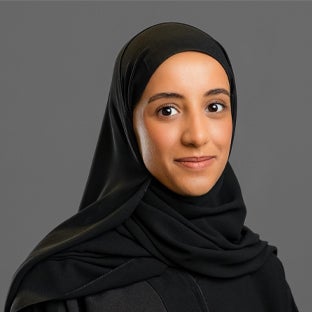
Dr. Mariam A. Bahameish
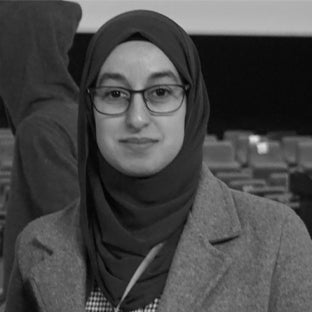
Dr. Leyla Benhamida

Dr. Elizabeth Bavamma Varghese
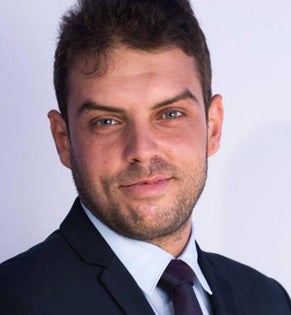
Zied El Houki

Yousif Yousif
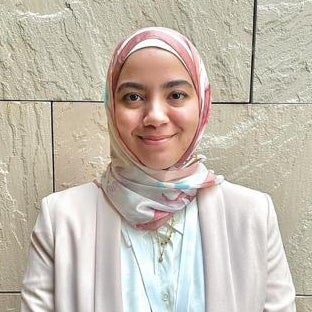
Yasmin Abdelaal

Athmar Nabil Mohammed Esmail Shamhan

Tasnim Nizar Ibrahim Al-Qabbani
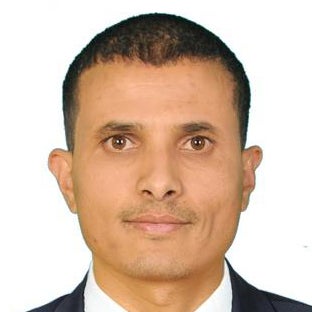
Ali Mohammed Mohammed Saleh Aldhubri

Inam Qadir

Maaz Ahmed