





Programs



News and Insights
Small States, Big Contributions: The Role of Qatar and Other Small States in Shaping the Pandemic Agreement
The Covid-19 pandemic provided the ultimate challenge for modern health systems around the world, exposing deep gaps in equity, coordination, and resource distribution. In response, the World Health Organization (WHO), adopted the Pandemic Agreement in 2025, an international treaty designed to be legally binding upon states’ ratification. While the framework was formally adopted, key operational systems, specifically the Pathogen Access and Benefit-Sharing (PABS) system, remain under active finalization. The framework aims to strengthen global prevention, preparedness, and response to future pandemics and health emergencies through mechanisms such as pathogen sharing and equitable vaccine access, marking a historic moment in global public health.
Although the discourse of emergency preparedness and treaty negotiations are mainly dominated by large states with large populations and extensive resources, Qatar, despite its modest geographic size, emerged as a key actor in global health. By implementing a comprehensive domestic strategy to contain the coronavirus outbreak, while simultaneously providing significant support to other countries and international agencies, Doha demonstrated that smaller states can influence emergency preparedness and response.
In 2020, Qatar’s government pledged $10 million to the WHO to improve testing capacity, refining treatment protocols and techniques, developing and advancing vaccine research while also contributing $20 million to Gavi, the Vaccine Alliance, to ensure swift distribution of diagnostic tools and vaccines. At a time when global supply chain systems were severely disrupted, these donations enabled healthcare systems worldwide to have proper access to the needed interventions. These contributions stemmed from the fact that officials in Qatar considered the COVID-19 pandemic as “a measure of our shared humanity” and emphasized international cooperation.
Qatar’s efforts extended beyond addressing the immediate crises; engagement continued by institutionalizing funding mechanisms. For instance, Qatar Fund For Development (QFFD), in 2021, signed a Core Contribution Agreement with the WHO providing multilateral and unearmarked funds for both routine operations and rapid deployment in emergencies for a period of two years. As a result, Qatar was one of the top ten core contributors to the WHO within this timeframe.
Doha also played an essential role in strengthening surveillance systems, increasing frontline workforce capacity, expanding essential stockpiles, and developing digital monitoring infrastructures and platforms, all of which are central to the objectives of the pandemic accord. Such provision of consistent and strategic financial assistance from Qatar represents an example of moving from a reactive approach and project-based aid to systemic support that aligns with the priorities of the Pandemic Agreement. As a result, Qatar’s efforts were highlighted by the WHO leadership, emphasizing that regular financial contributions support the organization's ability to mobilize resources promptly in response to new health-related threats.
Qatar is not alone in this effort. It stands alongside a broader group of small and medium-sized countries that advocated, contributed financially, and utilized their technical expertise to push for a more equitable treaty. For example, the Small Countries Initiative, a network of European states with populations below two million, emphasized the need for treaty provisions that address their unique needs, including enhancing the health workforce, access to medicine, and emergency preparedness in resource-limited settings.
Similarly, in the Pacific and Caribbean regions, island nations highlighted their vulnerabilities stemming from geographic locations, inadequate health care infrastructure and limited supply chains. This perspective added practical insights during the drafting of the treaty, so that ultimately, the document incorporates the different realities facing health situations around the world. The persistent efforts of such states have made it possible to reach a pandemic agreement that will build resilient health systems for everyone, not just the economically powerful countries.
Multilateral negotiations related to the development of the pandemic agreement took place via consultative processes that gave all members the chance to voice their demands and problems. The negotiations were spearheaded by the co-chairs from South Africa and France, aided by the vice chairs from Thailand, Egypt, Brazil, and Australia.
The geographical diversity of the leaders helped incorporate views from small countries into the treaty, such as equitable vaccine distribution and shared surveillance, among other issues. Small states thus ensured that, in addition to rapid responses, the framework would also address other upstream structural determinants of vulnerability to diseases.
With the Pandemic Agreement moving towards the finalization of its annexes and eventual ratification, small and mid-sized nations are well-placed to play leading roles within implementation committees, oversight mechanisms, and technical working groups. With their collective financial, technical, moral, and grassroots inputs, particularly regarding data-led early warning systems, such states will be invaluable in turning pledges into tangible and improved global health outcomes.
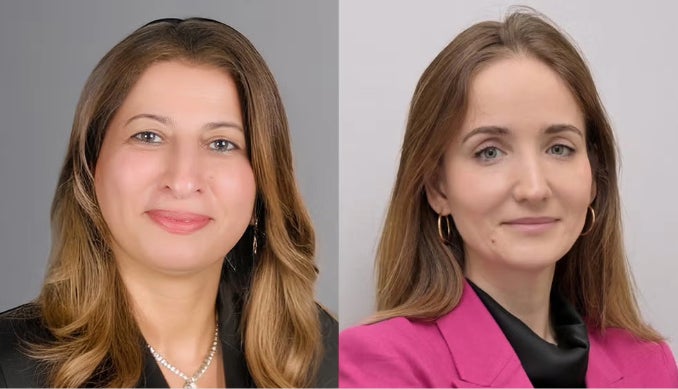
Dr. Diana Alsayed Hassan is Assistant Professor at Hamad Bin Khalifa University's College of Public Policy.
Dr. Esmat Zaidan is Associate Professor and Associate Dean for Academic Affairs at Hamad Bin Khalifa University's College of Public Policy.
Small States, Big Contributions: The Role of Qatar and Other Small States in Shaping the Pandemic Agreement
Gulf’s Post-Conflict Recovery Requires Bold Vision, Unity, and Regional Integration
Japan–Qatar Cooperation: Building a Resilient Framework For Global Energy Stability
College of Public Policy Professor Appointed to International Review of the Red Cross Editorial Board
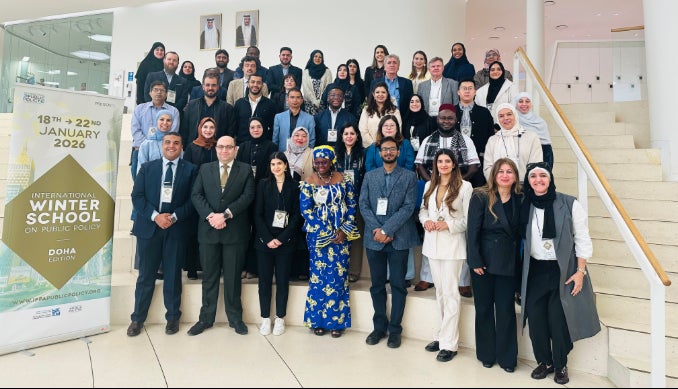
Hamad Bin Khalifa University’s College of Public Policy and International Public Policy Association Host Second International Winter School on Public Policy
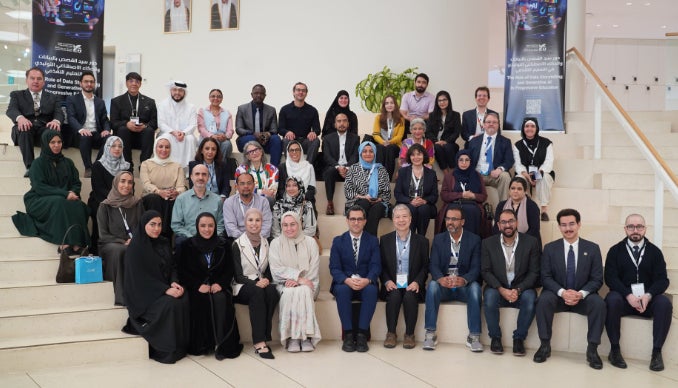
Workshop at Hamad Bin Khalifa University Examines Data Storytelling and Generative Al in Progressive Education
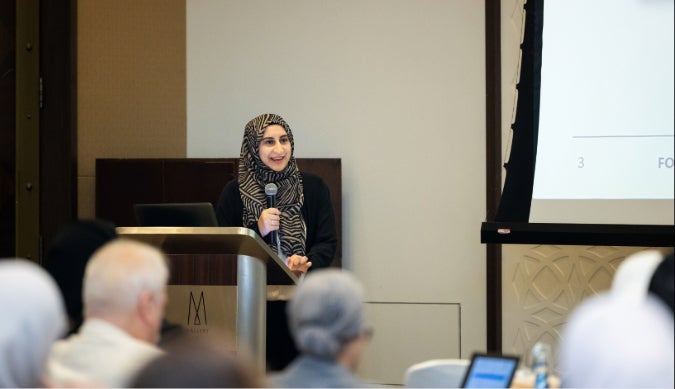
Hamad Bin Khalifa University Partners with Ministry and Global Stakeholders to Drive Capacity-Building

Events




Testimonials
At the College of Public Policy, my passion for sports policy, international law, and relations has been deeply nurtured. The curriculum's integration of theory and practical application thoroughly explores the subtleties of governance and global legal frameworks. Expert faculty and a diverse cohort have enriched my perspectives, integrating the societal impacts of sports within an international context. This holistic education makes me a versatile advocate for meaningful change across sports and global policy landscapes.
Aldiyar Zhiyentayev
International Lawyer
I was so impressed by my experience in the Master's in Public Policy (MPP) program that I decided to enroll in a second Master's program in Social Policy and Program Evaluation (MSPPE). The quality of education and interaction with the highly qualified faculty exceeded my expectations. The knowledge and skills I gained have been invaluable in my professional development. I highly recommend these programs to anyone looking to enhance their expertise in Public Policy and Program Evaluation.
Salar Mujeeb Khan
Lead Researcher at Qatar Foundation
Graduating from the Master's in Public Policy program has equipped me with deep insights and critical tools to influence and shape policy in a meaningful way. This journey has enhanced my analytical skills, broadened my perspectives, and strengthened my commitment to public service. I'm grateful for the rich experiences and the network of passionate professionals I've gained. I’m now ready to drive positive change in the world.
Khalid Abdulla Al-Nasser
Cybersecurity specialist
Once you join CPP, you become a lifelong member of a community that shares a love of continuous learning and growth, collaborative innovation, and a commitment to designing policy to solve real-world challenges. The incredibly welcoming and supportive environment makes it a nurturing ground for both professional connections and personal friendships.
Shaikha Al-Wadaani
Senior Monitoring and Evaluation Specialist at Qatar Foundation | Master of Social Policy and Program Evaluation - Class of 2024
CPP was not just a college to me. It was a home where I expanded my knowledge and grew during the time I spent there. While I spent two memorable years there, I still feel attached to the CPP community today, where the staff and faculty are second to none!
Abdulrahman Al-Shafi
Director of Cyber Strategies and Policies Department at the National Cybersecurity Agency, Qatar | Master of Public Policy - Class 2024
Membership
The College of Public Policy (CPP) is a Gold Member of The Journal of Comparative Policy Analysis, which is affiliated to the International Comparative Policy Analysis Forum (ICPA).
In
Numbers
Current Students
Alumni
Programs