 قدِّم طلبك الآن
primary
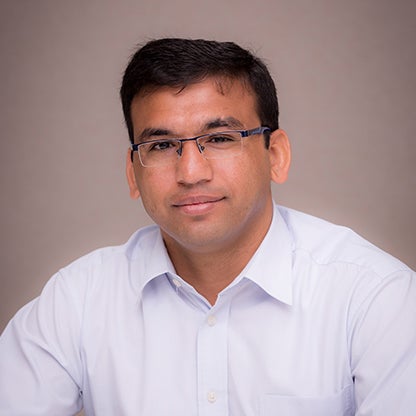
الدكتور كاشف رسول
عالم
الدكتور كاشف رسول
عالم
المؤهلات العلمية
PhD Environmental and Energy Engineering
MS Environmental Engineering & Biotechnology
الكيان
معهد قطر لبحوث البيئة والطاقة
السيرة الذاتية
Dr. Kashif Rasool is a sustainability and environmental scientist at the Qatar Environment and Energy Research Institute (QEERI). He earned his PhD in Environmental and Energy Engineering from the College of Civil and Environmental Engineering at Kyungpook National University, Korea.
His recent research focuses on the synthesis of novel green nanomaterials for water/wastewater purification and investigating microbial components of particulate matter in Qatar indoor and ambient air and its impact on public health. Dr. Rasool’s research efforts to date have been published in over 45 peer-reviewed articles in leading journals.
He is on review panels of several high-impact journals including ACS Applied Materials and Interfaces, Chemosphere, the Journal of Hazardous Material, the Chemical Engineering Journal, and Bioresource Technology.
PhD Environmental and Energy Engineering
Kyungpook National University; Daegu, Republic of Korea
2014
MS Environmental Engineering & Biotechnology
Myongji University; Yongin; Republic of Korea
2009
BSc Engineering
University of Agriculture; Faisalabad; Pakistan
2006
- Synthesis and application of advanced nanomaterials for environmental remediation
- resource recovery
- disinfection
- antifouling desalination membrane fabrication
- and emerging pollutants removal from wastewater streams
- Biological water/wastewater treatment of industrial
- domestic effluents coupled with bioenergy production. Anaerobic
- Aerobic/Anoxic activated sludge and bioeletrochemcial processes
- Fate
- biotransformation and influence of nanomaterials and emerging contaminants in aquatic environment/wastewater treatment systems
- Bioaersole in indoor and ambient air and its impacts on public health
Scientist
Qatar Environment and Energy Research Institute
April 2019 - Present
Postdoctoral Researcher
Qatar Environment and Energy Research Institute; Hamad Bin Khalifa University; Qatar Foundation; Doha, Qatar
January 2015 - March 2019
Assistant Professor
School of Civil and Environmental Engineering; National University of Science and Technology (NUST); Pakistan.
Sep 2014 - Jan 2015
Graduate Research Assistant
School of Civil and Environmental Engineering; Kyungpook National University; Republic of Korea
Sep 2011 - Augast 2014
Unprecedented environmental and energy impacts and challenges of COVID-19 pandemic Environmental Research 193 (110443)
Water treatment and environmental remediation applications of two-dimensional metal carbides (MXenes) Materials Today, 30 (80-102)
Two-dimensional metal carbide antimicrobial membrane and antimicrobial agent US Patent # 10399041
Green” ZnO-Interlinked Chitosan Nanoparticles for the Efficient Inhibition of Sulfate-Reducing Bacteria in Inject Seawater. ACS Sustainable Chemistry & Engineering 6, 3896–3906
Antibacterial Activity of Ti3C2Tx MXene. ACS Nano, 10, 3674–3684
Efficient Antibacterial Membrane based on Two-Dimensional Ti3C2Tx (MXene) Nanosheets. Nature’s Scientific Reports 7:1598
Exploring the potential of anaerobic sulfate reduction processes in treating sulfonated diazo dye: Microbial community analysis using bar-coded pyrosequencing Journal of Hazardous Materials, 318, 641–649
Effect of ZnO nanoparticles on biodegradation and biotransformation of co-substrate and sulphonated azo dye in anaerobic biological sulfate reduction process. International Biodeterioration and Biodegradation, 109, 150-156
Influence of co-substrate on textile wastewater treatment and microbial community changes in the anaerobic biological sulfate reduction process. Journal of Hazardous Materials, 299, 453–461
Simultaneous organic carbon and nitrogen removal in an anoxic-oxic activated sludge system under various operating conditions. Bioresource Technology. 162, 373-378
Simultaneous removal of COD and Direct Red 80 in a mixed anaerobic sulfate-reducing bacteria culture. Chemical Engineering Journal. 223, 611–616
- Distinguished Young Scholars Award, XIAN Jiaotong University (XJTU, China) (2018)
- Green Talents Award 2017 for High Potentials in Sustainable Development by The German Federal Ministry of Education and Research (BMBF) (2017)
- Chemosphere Excellence in Review Award (2017)
- Best Team Member Award of Water Division, Qatar Environment & Energy Research Institute, Qatar(2015)
- Biographical profile published in Who's Who in the World® (32nd Edition) (2015)
- Kyungpook National University (KNU) Honor Scholarship for Ph.D. studies (2014)
- Myongji International Graduate Scholarship (MIGS) Excellence Student Award, Myongji University, Republic of Korea (2008)
- Myongji International Graduate Scholarship (MIGS) Excellence Student Award, Myongji University, Republic of Korea (2007)
- Fully Funded Scholarship By Higher Education Commission (HEC) of Pakistan, For MS Studies In Republic Of Korea (2007)
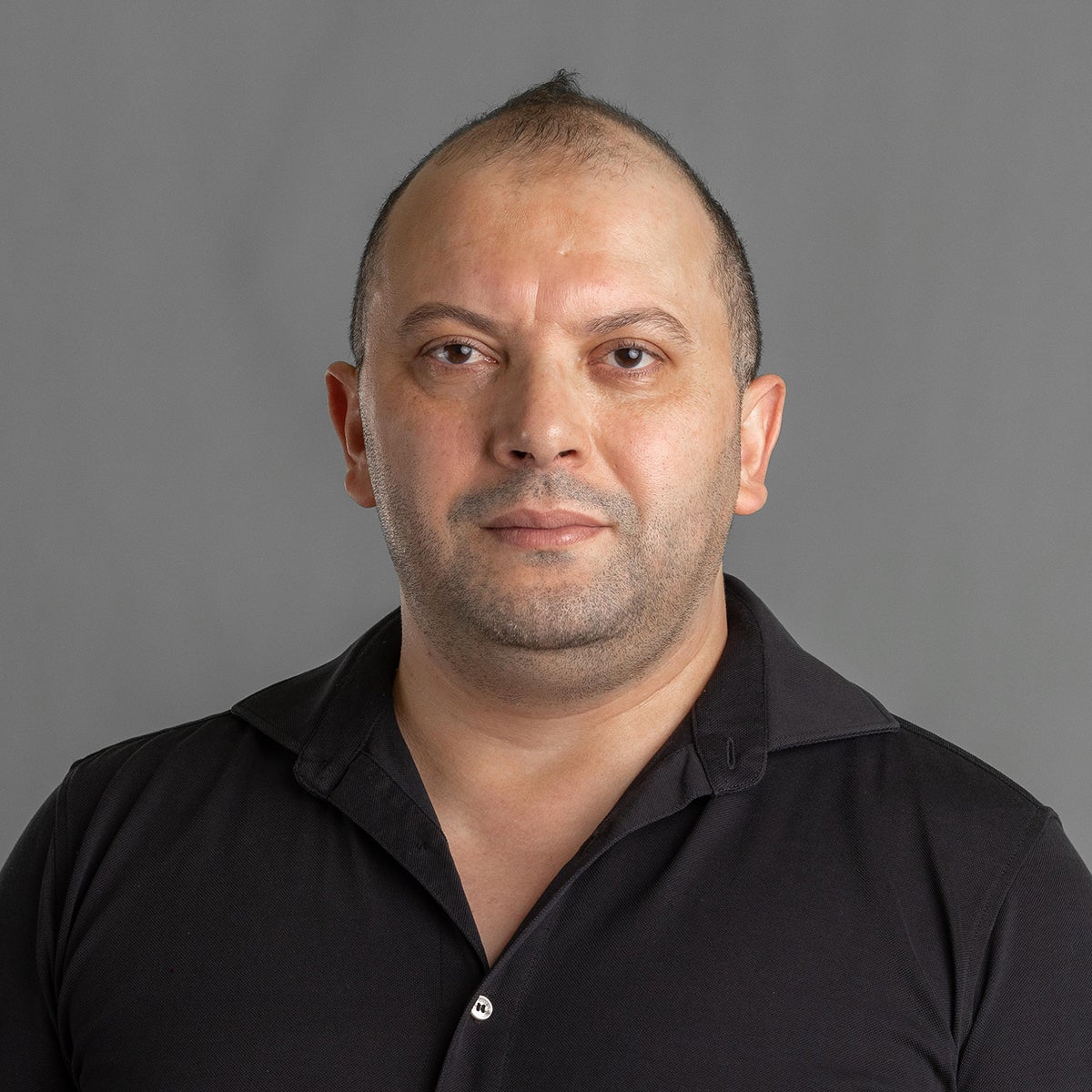
الدكتور إبراهيم عيسى
عالم أول
الدكتور إبراهيم عيسى
عالم أول
المؤهلات العلمية
PhD in Materials and Energy sciences
MS in Materials and Energy Sciences
الكيان
معهد قطر لبحوث البيئة والطاقة
السيرة الذاتية
Dr. Brahim Aïssa received his PhD degree in Materials Science and Energy from the University of Quebec, Institut National de la Recherche Scientifique, Canada, with the highest honors. Both his PhD and MS theses were awarded top prize for the best scientific achievement and part of his work was selected in the best TOP-10 scientific discovery in Canada. Parts of the samples he developed during his PhD were selected to be saved in the museum of Science and Technology in Ottawa (Canada). Dr. Aïssa joined MPB Communications Inc., Space and Photonics Division (Top 10 High Tech companies in Canada), as a scientist, where he developed a new generation of self-healing materials for space applications.
In 2014, Dr. Aïssa joined Qatar Environment and Energy Research Institute (QEERI) as a Senior Scientist. In a close collaboration with the PV-Lab at École Polytechnique Fédérale de Lausanne (EPFL), he broke the world record twice for certified efficiencies for quasi-mono silicon solar cells. He published more than 170 refereed journal papers, three books, and holds many patents. He has numerous international awards, prizes and fellowships, including the prestigious NPI award from European Space Agency; the Australian Endeavour fellowship; the NSERC R&D fellowship.
PhD in Materials and Energy sciences
National Institute of Scientific Research, Energy, Materials and Telecommunications, Varennes, Québec, Canada.
2010
MS in Materials and Energy Sciences
National Institute of Scientific Research, Energy, Materials and Telecommunications, Varennes, Québec, Canada.
2005
Dr. Aïssa’s research interests include the cold plasma synthesis of structured materials (bulk, thin films, and nanoparticles) and their applications in electronic, space, and energy sciences.
In particular, his research work focuses on studying the electronic and optoelectronic properties of advanced materials, to design and synthesize novel structures with a controlled composition, morphology and dimension for PV, electronic and space applications. An emphasis is currently placed on the PV Energy field of research, revolving more specifically around six main axes, namely:
- Light Management in Solar Cells using Plasmonics and Metamaterials.
- The PV-Soiling in desert environment: its understanding
- forecasting and its mitigation.
- Technology and Performance of Bifacial Half-Cell Modules for desert climates.
- Efficient Carbon Management System for Improving Sustainability.
- AI-based Risk Mitigation for PV Plant Management and Integration.
- The silicon technology that includes the design
- fabrication and testing of silicon heterojunction solar cells for applications in a hot and sunny climate.
Senior Scientist
Qatar Environment and Energy Research Institute-Hamad Bin Khalifa University, Qatar Foundation. Doha, Qatar. (Research and Development).
2014 - Present
Invited Associate Professor
PV-Lab, École Polytechnique Fédérale de Lausanne (EPFL), Neuchâtel, Switzerland.
2015 - 2019
Joint Faculty Associate Professor
College of Science and Engineering-Hamad Bin Khalifa University, Qatar Foundation. Doha, Qatar. (Teaching SENS621: Advanced materials synthesis and characterizations).
2015 - Present
Scientist
MPB Communications Inc. Space and Photonics. Montreal, Quebec, Canada.
2011 - 2014
Postdoctoral fellow (Following NSERC Fellowship)
MPB Technologies Inc. Department of smart materials and sensors for space missions. Montreal, Quebec, Canada.
2010 - 2011
Books
Self-healing Materials: Innovative materials for terrestrial and space applications. Smithers Rapra Publisher. Shawbury, UK, ISBN: 9781909030107 (274 pages).
Fibre Bragg Grating in harsh and Space environments: principles and applications. IET publishing, UK. ISBN: 978-1-78561-980-9. (232 pages).
Self-healing materials from fundamental concepts to advanced space and electronics applications, Second Edition, IET publishing, UK, ISBN: 978-178561-992 (240 pages).
Book Chapters
“Carbonaceous Nanomaterials for Hybrid Organic Photovoltaic Application” Chapter 5, pages 109-125. Published in Ceramic Matrix Composite, ISBN: 978-3-11-035300-6. DE Gruyter, Germany, 2016. (https://www.degruyter.com/view/product/337768).
“Advances in Self-healing based on carbon nanomaterials for electrical circuits. A review” Chapter 6, pages 127-141. Published in Ceramic Matrix Composite, ISBN: 978-3-11-035300-6. DE Gruyter, Germany, 2016. (https://www.degruyter.com/view/product/337768).
“Carbonaceous Materials for Polymer-Based Nanocomposites: Overview of Major Advances and Current Challenge”. Chapter 1, pages 27-60. Published in: Nanocomposites, synthesis, characterization and applications, ISBN: 978-1-62948-227-9. Nova biomedical publisher, New York, 2013.
“Self-Healing Materials Systems as a Way for Damage Mitigation in Composites Structures Caused by Orbital Space Debris”. Chapter 1, pages 1-25. Published in: Handbook of Research on Nanoscience, Nanotechnology, and Advanced Materials, ISBN: 9781466658240. IGI Global Disseminator of knowledge Publisher, Pennsylvania (USA), 2014.
“Si-NWs: Major advances in synthesis and applications”. Chapter 5, pages 108-130. Published in: Handbook of Research on Nanoscience, Nanotechnology, and Advanced Materials, ISBN: 9781466658240. IGI Global Disseminator of knowledge Publisher, Pennsylvania (USA), 2014.
Selected refereed journal papers
Study of Wide Bandgap SnOx Thin Films Grown by a Reactive Magnetron Sputtering via a Two-Step Method” Sci. Reports, DOI: 10.1038/s41598-022-19270-w, September 2022.
“Growth and characterization of transparent vanadium doped zinc oxide thin films by means of a spray pyrolysis process for TCO application” Journal of Sol-Gel Science and Technology, https://doi.org/10.1007/s10971-022-05875-0, May 2022.
“Advancements and Applications of Electrohydrodynamic Printing in Modern Microelectronic Devices: A Comprehensive Review” Appl. Phys. A 128, 780 (2022). https://doi.org/10.1007/s00339-022-05796-3.
“Density functional theory study on the magneto-electronic, mechanical, thermal, and transport properties of a novel Co2VGa0.5Al0.5 quaternary Heusler alloy” Emergent Materials, DOI: 10.1007/s42247-022-00393-9.
“Photovoltaic properties of hybrid c-Si/ZnO nanorods solar cells” Materials Advances, 2022, DOI: 10.1039/D2MA00416J
“PV-Soiling Field-Assessment of Mars™ Optical Sensor Operating in the Harsh Desert Environment of the State of Qatar” Solar Energy 239,139-146, 2022, https://doi.org/10.1016/j.solener.2022.04.064.
“Condensation as a predictor of PV soiling” Solar Energy 238, 30-38, https://doi.org/10.1016/j.solener.2022.04.025, 2022.
“Probing the hydrophilic behavior of e-beam evaporated silica thin films for PV-soiling application” Materials Science and Technology, https://doi:10.1080/02670836.2022.2063526, 2022.
“Broadband self-powered photodetection with p-NiO/n-Si heterojunctions enhanced with plasmonic Ag nanoparticles deposited with pulsed laser ablation” J. Mater. Sci: Mater Electron (2022), 1-13, doi: https://doi.org/10.1007/s10854-022-08058-3.
“Laser ablation fabrication of a p-NiO/n-Si heterojunction for broadband and self-powered UV-Visible-NIR photodetection” Nanotechnology 33 (25), 255202, https://doi.org/10.1088/1361-6528/ac5ca6.
“Research Progress of Plasmonic Nanostructure-Enhanced Photovoltaic Solar Cells” Nanomaterials 12, no. 5: 788. https://doi.org/10.3390/nano12050788.
“Computational determination of structural, electronic, magnetic and thermodynamic properties of Co2HfZ (Z= Al, Ga, Si and Sn) full Heusler compounds for spintronic applications” Journal of Alloys and Compounds 894, 162503. https://doi.org/10.1016/j.jallcom.2021.162503.
“X-ray photoelectron spectroscopy and spectroscopic ellipsometry analysis of the p-NiO/n-Si heterostructure system grown by pulsed laser deposition” Thin Solid Films 743, 139077, 2022. https://doi.org/10.1016/j.tsf.2021.139077.
“Metamaterials and Metasurfaces: A Review from the Perspectives of Materials, Mechanisms and Advanced Metadevices” Nanomaterials 2022, 12(6), 1027; https://doi.org/10.3390/nano12061027.
“Inkjet printing of metal oxide coatings for enhanced photovoltaic soiling environmental applications” Global J. Environ. Sci. Manage. 8(4): 1-18 (2022), http://dx.doi.org/10.22034/GJESM.2022.04.03.
“Computational determination of structural, electronic, magnetic and thermodynamic properties of Co2HfZ (Z = Al, Ga, Si and Sn) full Heusler compounds for spintronic applications” Journal of Alloys and Compounds, 2021, 162503, https://doi.org/10.1016/j.jallcom.2021.162503.
“Numerical and Experimental Investigation of Infrared Optical Filter based on Metal Oxides Thin Films for Temperature Mitigation in Photovoltaics” Journal of Electronic Materials 51, 179-189, 2022. https://doi.org/10.1007/s11664-021-09269-w.
“High Performance of Anion Exchange Blend Membranes Based on Novel Phosphonium Cation Polymers for All-Vanadium Redox Flow Battery Applications” ACS Applied Materials & Interfaces, 2021, 13, 38, 45935–45943, https://doi.org/10.1021/acsami.1c10872.
“Oxide and Organic–Inorganic Halide Perovskites with Plasmonics for Optoelectronic and Energy Applications: A Contributive Review” Catalysts 2021, 11(9), 1057; https://doi.org/10.3390/catal11091057.
“Investigating the suitability of poly tetraarylphosphonium based anion exchange membranes for electrochemical applications” Scientific Report 11, (pp 1-12), 13841 (2021). https://doi.org/10.1038/s41598-021-93273-x.
“Investigation of Ruthenium based Full-Heusler compound for thermic, spintronics and thermoelectric applications: DFT Computation” Materials Science in Semiconductor Processing, 134, 106047 (2021) https://doi.org/10.1016/j.mssp.2021.106047
“Synthesis and Characterization of a Novel Hydroquinone Sulfonate-Based Redox Active Ionic Liquid” Materials 2021, 14, 3259. https://doi.org/10.3390/ma14123259.
“Dust potency in the context of solar photovoltaic (PV) soiling loss Solar Energy” Solar Energy 220, 1040-1052, 2021. https://doi.org/10.1016/j.solener.2021.04.015.
“Nanoelectromagnetic of a highly conductive 2D transition metal carbide (MXene)/Graphene Nanoplatelets composite in the EHF M-band Frequency” Carbon 173 (2021) 528-539, https://doi.org/10.1016/j.carbon.2020.11.024 (2021).
“Hydrophilic Antireflection and Antidust Silica Coatings” ACS Omega, 2021, 6, 8, 5276–5286, 2021, https://dx.doi.org/10.1021/acsomega.0c05405
“Bandgap Tuning of High Mobility Magnetron Sputtered Copper (I) Oxide Thin Films for Perovskite Solar Cell Applications” Journal of Thin Films Research, Vol. 5, Issue 1, 2021 Pages 51 – 54, https://doi.org/10.30799/jtfr.026.21050101
“Thermoelectric Potential of OsAl2 Chimney Ladder Compound: A Theoretical Investigation” Journal of Superconductivity and Novel Magnetism 34, 1215–1223 (2021) https://doi.org/10.1007/s10948-021-05803-3
“Nonlinear multi-mode electromagnetic insole energy harvester for human-powered body monitoring sensors: Design, modeling and characterization” Journal of Mechanical Engineering Science, Part C, 0954406221991178, 2121. https://doi.org/10.1177/0954406221991178
“Machine-Learning-Accelerated Recovery of the Large-grain and Cubic Structure in Mixed Cations Perovskite Thin Films” Chem. Mater. 2020, 32, 7, 2998-3006, https://doi.org/10.1021/acs.chemmater.9b05342 (2020).
“Unusual Bimodal Photovoltaic Performance of Perovskite Solar Cells at Real-World Operating Temperatures”, J. Phys. Chem. C 2020, 124, 17, 9118-9125. https://doi.org/10.1021/acs.jpcc.9b11818 (2020)
“Multi-year field assessment of seasonal variability of photovoltaic soiling and environmental factors in a desert environment” Solar Energy, Volume 211, 15 November 2020, Pages 1392-1402, https://doi.org/10.1016/j.solener.2020.10.076 (2020).
“PCDTBT:PCBM:Graphene-Nanoplatelet Photoabsorbers” Journal of Electrochemical Society, 167(13), 136504 (2020). https://iopscience.iop.org/article/10.1149/1945-7111/abb6ce (2020).
“E-beam evaporated hydrophobic metal oxide thin films as carrier transport materials for large scale perovskite solar cells”. Materials Technology: Advanced Performance Materials. https://doi.org/10.1080/10667857.2020.1830551. (2020).
“Structural, electronic, elastic, Magnetic and thermodynamic properties of Mn2LuZ (Z = B, Al, Ga, In) Heusler compounds: a first principle study”, Int. Journal of Quantum Chemistry, V. 121(9), e26601, 2021. DOI: 10.1002/qua.26601.
“Failure analysis of self-healing epoxy resins using microencapsulated 5E2N and carbon nanotubes” Smart materials and structures, https://doi.org/10.1088/1361-665X/abd005 (2020).
“Nb-based MXenes for the efficient electrochemical sensing of small biomolecules in the anodic potential” Electrochemistry Communications, 119, 106811. 2020. https://doi.org/10.1016/j.elecom.2020.106811
“Single crystal structure, vibrational spectroscopy, gas sorption and antimicrobial properties of a new inorganic acidic diphosphates material (NH4)2Mg(H2P2O7)2•2H2O” Scientific Reports (2020) 10:8909| https://doi.org/10.1038/s41598-020-65718-2.
“Vibration-based piezoelectric, electromagnetic and hybrid energy harvesters for microsystems applications: A contributed review” Int. J. Energy Res. Vol. 45 (1); pp 65– 102. https://doi.org/10.1002/er.5643
“Multimodal Hybrid Piezoelectric-Electromagnetic Insole Energy Harvester Using PVDF Generators” Electronics 2020, 9(4), 635; https://doi.org/10.3390/electronics9040635
“First Principle Investigation of Structural, Electronic and Optical Properties of Quaternary BxInyGa1-x-yN Compounds”, SPIN journal, 10 (4), 2050024 (2020). https://doi.org/10.1142/S2010324720500241.
“Development of an inorganic cesium carbonate-based electron transport material for a 17 % power conversion efficiency perovskite solar cell device” Journal of Photonics for Energy 10(1), 015502 (2020). https://doi.org/10.1117/1.JPE.10.015502
“Recovery of electro-mechanical properties inside self-healing composites through microencapsulation of carbon nanotubes” Scientific Reports 10 (1), 1-13 (2020). https://doi.org/10.1038/s41598-020-59725-6
“Surface atomic packing fraction as a figure of merit for the structural transition and the bulk-to-nano transformation of spherical FCC and BCC nanosolids” Physica E, 120, 114015, DOI: https://doi.org/10.1016/j.physe.2020114015 (2020).
“Theoretical study of magneto-electronic properties of TmCo2 and NdCo2 intermetallic compounds through Density Functional Theory calculations” International Journal of Quantum Chemistry, Vol. 121(5), e26488, pp 1-9. DOI: 10.1002/qua.26488, 2020.
“Functionalized Single-Walled Carbon-Nanotube-Blended P3HT-Based high performance Memory Behavior Thin-Film Transistors Devices” Nanotechnology 31, 075201 https://orcid.org/0000-0002-4768-9891(2020).
“Structural, Magnetic, and Band Structure Characteristics of the Half-Metal–Type Heusler Alloys Co2VSi1−xAlx (x = 0, 0.25, 0.5, 0.75, and 1)” Journal of Superconductivity and Novel Magnetism volume 33, pages1177–1186 (2020). https://doi.org/10.1007/s10948-019-05315-1
“Influence of single-walled carbon nanotubes induced exciton dissociation improvement on hybrid organic photovoltaic devices” Journal of applied physics, Vol. 126, 113101, 2019. DOI: 10.1063/1.5105388, DOI: https://doi.org/10.1063/1.5105388
“Optimized design of silicon heterojunction solar cells for field operating conditions” IEEE journal of photovoltaics, Vol. 9 (6), pp 1541 - 1547, 2019, DOI: 10.1109/JPHOTOV.2019.2938449
“Adaptive state estimation of groundwater contaminant boundary input flux in a 2-dimensional aquifer” Journal of Groundwater Science and Engineering 2019, 7(4), 373-382, DOI: 10.19637/j.cnki.2305-7068.2019.04.008
“Record Efficiency P- and N-type Mono-like Silicon Heterojunction Solar Cells with High Temperature Gettering Process”, ACS Applied Energy Materials, Vol. 2(7), 4900-4906, (2019).
“Photovoltaic Soiling in Dry Climates: Causes, Impacts and Solutions” PV Tech Power 21, Technical paper, pp 14-18, Dec. 2019
“Annealing of silicon heterojunction solar cells: Interplay of solar cell and ITO properties” IEEE Journal of Photovoltaics, Vol. 99, 1-6, (2019). Doi:10.1109/JPHOTOV.2019.2924389
“Electronic structure of REFe2 (RE = Dy, Ho and Er) intermetallic compounds: Ab initio spin-density functional theory” Solid State Communications, Vol. 296, 42-48 (2019).
“Catalyst-free synthesis of ZnO-CuO-ZnFe2O4 nanocomposites by a rapid one-step thermal decomposition approach” Materials Science in Semiconductor Processing, Vol. 90, 41-49, (2018).
“Correlation effects on the electronic structure of Co2VGa1−xSix (x = 0, 0.25, 0.5, 0.75 and 1) quaternary Heusler alloys: first-principles calculations” Journal of Alloys and Compounds Vol. 771, 1062-71, (2018).
“Effect of Synthesis on Performance of MXene/Iron Oxide Anode Material for Lithium-Ion” Langmuir Vol. 34 (38):11325-34 (2018).
“Cure kinetics of poly (5-ethylidene-2-norbornene) with 2nd generation Hoveyda-Grubbs’ catalyst for self-healing applications” Polymer Vol. 153, 1-8, (2018).
“The Economic Value of Common Urban Trees in the State of Qatar from an Air Quality Control Perspective” J. Environ. Sci. Pollut. Res. Vol. 4 (3), 285–288 (2018).
“Ab-initio study of the structural, elastic and electronic properties of CeN and LuN rare-earth nitride compounds” J. Supercond. Nov. Magn. Vol. 31 (10), 3323-30 (2018).
“Development of microwave susceptors based on SiC composites and their application for a one-step synthesis of ZnO nanostructures” Ceramics International Vol. 44(7), 7674 (2018)
“Ultrahigh-flux and fouling-resistant membrane based on layered silver/MXene(Ti3C2Tx) nanosheets” Journal of materials Chemistry A Vol. 6, 3522-33 (2018).
“Graphene nanoplatelets doping of P3HT:PCBM photoactive layer of bulk heterojunction organic solar cells for enhancing performance” Nanotechnology Vol. 29, 105405 (2018).
“Nanoelectromagnetic of the N-doped single wall carbon nanotube in the extremely high frequency band”, Nanoscale Vol. 9, 14192 – 14200 (2017).
“Towards an optimum silicon heterojunction solar cell configuration for high temperature and high light intensity environment” Energy Procedia Vol. 124, 331-337 (2017).
“Emerging technologies in crystal growth of Photovoltaic Silicon: Progress and Challenges”, Energy Procedia Vol. 130, 7-13 (2017).
“Structural and Optical Characterization of an Easy to Scale up TiO2 Thin Films Prepared by Adsorptive Self-Assembly” Scientific Reports Vol. 7, 9466, (2017).
“Photoluminescence quenching, structures, and photovoltaic properties of ZnO nanostructures decorated plasma grown single walled carbon nanotubes” Journal of Nanoparticle Research Vol. 19, 157 (2017).
“Energy Yield in Hot & Sunny Climates: Impact of Silicon Solar Cell Architecture and Cell Interconnection” Energy & Environmental Science 2017, 10, 1196-1206 (2017).
“Effect of the structure, temperature and metal work function on the performance of organometallic perovskite solar cells” Journal of Elec. Materi. Vol. 46, 1806-10 (2017).
“Transport properties of a highly conductive 2D Ti3C2Tx MXene/Graphene composite” Appl. Phys. Lett. 109, 043109 (2016).
“Structural and physical properties of the dust particles in Qatar and their influence on the PV panel performance” Scientific Reports 6, 31467 (2016).
“First-principles study on the structural, electronic, magnetic and thermodynamic properties of full Heusler alloys Co2VZ (Z = Al, Ga)” Journal of electronic materials 46, 130-142, (2016).
“Theoretical investigation of the structural, electronic, magnetic and elastic properties of binary cubic C15-Laves phases TbX2 (X = Co and Fe)” J. Alloys and compounds 689, 885–893 (2016). https://doi.org/10.1016/j.jallcom.2016.08.046
“A theoretical prediction of the paradoxical surface free energy for FCC metallic nanosolids”, Applied Surface Science 379, 411-414, (2016).
Refereed proceedings and conferences papers
“Low-temperature PECVD deposition of highly conductive n-type microcrystalline silicon thin films for optoelectronic applications” proceeding of the 2022 IEEE 49th Photovoltaic Specialists Conference (PVSC),
“Field-assessment of anti-soiling Glass surfaces prepared by oxygen-plasma treatment” proceeding of the 2022 IEEE 49th Photovoltaic Specialists Conference (PVSC).
“Preparation of Plasmonic Ag and Au Nanoparticle Interfaces for Photocurrent Enhancement in Si Solar Cells” proceeding of the 2022 IEEE 49th Photovoltaic Specialists Conference (PVSC).
“Hydrophilic Silica Thin Films Formed by Acetone treatment for Field assessment PV Soiling Application” proceeding of the 2022 IEEE 49th Photovoltaic Specialists Conference (PVSC).
“Field assessment of Transparent Conductive Oxides Stability Under Outdoor Conditions” proceedings of the 2022 IEEE 49th Photovoltaic Specialists Conference (PVSC).
“P-type N doped SnOx using Magnetron Sputtering and Post Plasma Treatment” Proceeding of the European Materials Research Society EMRS Spring 2021.
“Soiling Rate Determination from Referenced Systems in Desert Climate using PVInsight Soiling Algorithm” proceeding of the 2021 IEEE 48th Photovoltaic Specialists Conference (PVSC), pp 2552-2554. doi: 10.1109/PVSC43889.2021.9518459
“Thermal Behavior and Photovoltaic Performance of Monofacial and Bifacial Silicon Heterojunction Modules Under Desert Condition” proceeding of the 2021 IEEE 48th Photovoltaic Specialists Conference (PVSC), pp: 0843-0845. doi: 10.1109/PVSC43889.2021.9518402
“Optical-electrical-thermal optimization of plasmon-enhanced solar cell” proceeding of the 2021 IEEE 48th Photovoltaic Specialists Conference (PVSC), pp: 0060-0067. doi: 10.1109/PVSC43889.2021.9518631
“Optical fiber sensor for atmospheric reentry experiments” Proc. SPIE 11852, International Conference on Space Optics — ICSO 2020, Vol. 11852, pp: 118523G1-12 (11 June 2021); doi: 10.1117/12.2599547
“High Electron-Mobility of a Transparent and Conductive Zr-Doped In2O3 Deposited by Reactive Magnetron Sputtering,” 2021 IEEE 48th Photovoltaic Specialists Conference (PVSC), 2021, pp. 0071-0073, doi: 10.1109/PVSC43889.2021.9518643.
"Tuning the Structural and Optoelectronic Properties of Sub-stoichiometric Molybdenum Trioxide (MoOx, x < 3) Thin Films through the Oxygen Flow During the Reactive Magnetron Sputtering Deposition," 2021 IEEE 48th Photovoltaic Specialists Conference (PVSC), 2021, pp. 0068-0070, doi: 10.1109/PVSC43889.2021.9518553.
“Optimized design of silicon heterojunction solar cells for field operating conditions” Proceedings of the Asia PVSEC 2019, Nov. 4-8, 2019, Xi'an, China.
“Impact of the Oxygen Content on the Optoelectronic Properties of the Indium-Tin-Oxide Based Transparent Electrodes for Silicon Heterojunction Solar Cells” AIP Conference Proceedings 2147, 030001 (2019); https://doi.org/10.1063/1.5123827
“Impact of the Oxygen Flow during the Magnetron Sputtering Deposition on the Indium Tin Oxide thin films for Silicon Heterojunction Solar Cell” 2019 IEEE 46th Photovoltaic Specialists Conference (PVSC), 2019, pp. 2659-2666, doi: 10.1109/PVSC40753.2019.8980906.
“Development of N-Type Amorphous and Microcrystalline Hydrogenated Silicon-Oxides (SiOx:H) and Investigation of their Impact as Window Layers on Silicon Heterojunction Solar Cells Device" 2019 IEEE 46th Photovoltaic Specialists Conference (PVSC), 2019, pp. 2667-2674, doi: 10.1109/PVSC40753.2019.8980556.
“Nanocrystalline silicon oxide stacks for silicon heterojunction solar cells for hot climates” AIP Conference Proceedings 1999, 030001 (2018); https://doi.org/10.1063/1.5049262, (2018).
“Silicon Heterojunction Solar Cells on Quasi-mono Wafers” proceedings of the Silicon PV 2018, 19-21 March 2018, Lausanne, Switzerland. (2018).
“Silicon Heterojunction Solar Cells on Quasi-mono Wafers,” 2018 IEEE 7th World Conference on Photovoltaic Energy Conversion (WCPEC) (A Joint Conference of 45th IEEE PVSC, 28th PVSEC & 34th EU PVSEC), 2018, pp. 314-316, doi: 10.1109/PVSC.2018.8547935.
“Approaching 22 % solar cell efficiency with moonlike silicon” proceedings of the 35th EU PVSEC 2018, 24-28 September 2018, Brussels, (2018).
“Nanocrystalline silicon oxide stacks for silicon heterojunction solar cells for hot climates” proceedings of the EU-PVSEC 2018, 24-28 September 2018, Brussels, Belgium, (2018).
“Nanocrystalline Silicon Oxide Stacks for Silicon Heterojunction Solar Cells for Hot Climates” Proceedings of the Silicon PV 2018, 19-21 March 2018, Lausanne, Switzerland. (2018).
“Heterojunction solar cell exceeding 20 % efficiency using gettered mono-like silicon wafers” Qatar Foundation annual research conference proceedings, V 2018 N1, EEPD548, Doha. https://doi.org/10.5339/qfarc.2018, HBKU Press (2018).
“TEM and SAXS Investigation of Self-assembled 2D Structures of PbS Quantum-Dots Deposited onto Different Underlying Substrates” Microscopy & Microanalysis, 24, S1, 2018, pp. 1590-1591, https://doi:10.1017/S1431927618008437, (2018).
“DTVAC Dusty Planetary Thermo-VACuum Simulator”, Proceeding of the 47th International Conference on Environmental Systems, published in a special issue of AIAA, Article 2017-35, 16 pp (2017).
“Impact of the Infrared Response of Crystalline Silicon Solar Cells on Temperature Coefficient and Energy Yield” accepted as a proceeding paper at EUPVSEC, Silicon Photovoltaics Subtopic 2.5: Characterization & Simulation Methods, to be held on 25 - 29 Sept. 2017, Amsterdam. The Netherlands, (2017).
"Energy Yield in Hot & Sunny Climates: Impact of Silicon Solar Cell Architecture and Cell Interconnection," 2017 IEEE 44th Photovoltaic Specialist Conference (PVSC), 2017, pp. 3435-3438, doi: 10.1109/PVSC.2017.8366703.
“Temperature dependencies of different silicon solar cell architectures: from cells to modules”. Proceedings of the International PVSEC-26, 28 October 2016, Singapore, Special issue of Progress in Photovoltaics, research and applications, Pages: i, 475-676, Volume 25, Issue 7, (2016).
“Highly Conductive 2D Ti3C2Tx (MXene)/Graphene composite: synthesis and electrical transport study”, Proceeding of the MRS fall meeting, Symposium NM2: 2D Layers and Heterostructures beyond Graphene—Theory, Preparation, Properties and Devices. Paper NM2.6.32, Boston, USA, Nov. 29, 2016. (2016).
“Improvement of the exciton dissociation efficiency in hybrid OPV devices by the incorporation of carbon Nanomaterials” Proceeding of the IEEE-ICPRE conference, Shanghai, China, Oct. 23, 2016. (2016).
“Gas sensor based on RFID tag antenna for harsh environment,” proceeding of the IEEE Int. Sym. on Antennas and Propagation (APSURSI), 2016, pp. 1271-1272. doi: 10.1109/APS.2016.7696343. (2016).
“High Temperature Optical Fiber Sensor for Atmospheric re-entry” In proceeding of International Conference on Space Optics ICSO, Proceedings Volume 10562, International Conference on Space Optics — ICSO 2016; 105620Z; doi: 10.1117/12.2296185 (2017).
“Morphology, Photoluminescence and Photovoltaic Properties of Laser Processed ZnO/carbon Nanotube Nanohybrids” Qatar Foundation Annual Research Conference Proceedings, V2016 N 1, EEPP 2245, HBKU Press, (2016).
“Engineering of High-Performance Solar Cells for Harsh Desert Environment Applications” Qatar Foundation Annual Research Conference Proceedings, V 2016 N1, EEPP 3363, HBKU Press, (2016).
“Growth of Hybrid Perovskites (HP) Light Harvesting Layer and TiO2 Electron Transport Material for Solar Cells Application” Qatar Foundation Annual Research Conference Proceedings, V 2016 N1, EESP 2698, HBKU Press, (2016).
“CNT-RFID passive tag antenna for gas sensing in underground mine” Proceeding of the IEEE international symposium on antennas and propagation and North American Radio Science meeting, 19-25 July 2015, Vancouver, Canada. pp 1758-1759, DOI: 10.1109/APS.2015.7305268. (2015).
- Co-author of two (2) certified world record efficiency for Quasi-Mono Silicon heterojunction solar cell (QEERI/EPFL joint program).
- PhD work selected in the best TOP-10 scientific discovery in Canada.
- PhD and MS theses awarded by the top prize for the best scientific achievement.
- Samples selected to be saved in the Museum of Science and Technology in Ottawa, Canada.
- Laureate of the “Outstanding achievements award” from the Fondation Club Avenir, Canada.
- Winner of the “Young Investigator Award”, QEERI, HBKU, Doha, 2015.
- Winner of the “Exceptional Performance Award”, MPB Technologies Inc. Montreal, Canada, 2014.
- Laureate of the prestigious “Networking/Partnering Initiative fellowship” from the European Space agency (NPI-ESA), Amsterdam, Netherland, May 2013. This fellowship has been awarded to 6 laureates over the world.
- Laureate of the “Australian Endeavor Research Fellowship”, from the Australian Government, Brisbane, Australia, Dec. 2013.
- Laureate of the “NSERC-Industrial Research and Development Fellowship” Ottawa, Canada, 2010-2012.
- Published more than 170 refereed journal articles and reviewed conference papers and over 100 participations (including 15 invited talks) in international conferences.
- Published three (3) Books, 5 books under contract with IET publisher (UK).
- Three (3) papers selected as Cover Magazine pages.
- Senior fellow of the UNESCO chair of Nanoscience and nanotechnology (UNISA/South Africa).
- Senior fellow of the African Network in Nanoscience (NANOAFNET/South Africa).
- Fellow of the UNESCO Chair (MATECSS/Canada) in Materials and Technologies for Energy Conversion, Saving and Storage.
- Fellow of the International Association of Advanced Materials (FIAAM/Sweden).
- Full member of the prestigious Sigma Xi Society of knowledge (McGill Chapter/Canada)
- Member of the Royal Society of Chemistry.
- Member of the Institute of Physics.
- Member of the American Chemical Society
- Member of the American Physical Society.
- Elected Senior Member IEEE, July 2021.
- IOCD-UNESCO member since May 2021 (International Organization for Chemical Sciences in Development).
- Top prize for the best PhD achievement (2010, INRS-ÉMT, Quebec), Canada.
- Top prize for the best MS achievement (2005, INRS-ÉMT, Quebec), Canada.
- Winner of the 2009 “Research diffusion prize” from Natural Sciences and Engineering Research Council of Canada.
- Winner of the 2005 “Research diffusion prize” from Natural Sciences and Engineering Research Council of Canada.
- FQRNT (Fonds Québécois de la Recherche sur la nature et les technologies) President’s Congratulations Letter for PhD achievements, 2009, Québec, Canada.
- Australian Minister for Education Congratulations Letter for the Australian Endeavor Award. Dec. 2013.
- Awarded a fellowship from the Italian foreign office for a Lab Abroad scientific Stay (University Roma Tor Vergata).
- Winner of the travel award, EMC’ conference. Pennsylvania, USA.
- 7 times best presentation award (posters and Talks).
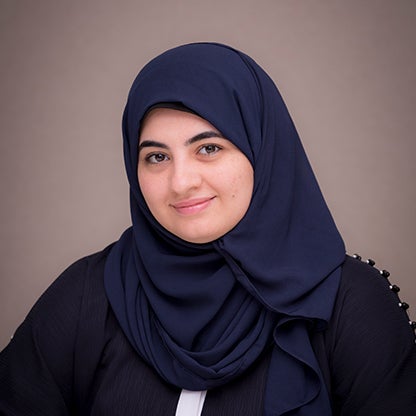
الدكتورة نسمة سالم مهندس
باحث مشارك
المؤهلات العلمية
M.Sc., Master of science in computing
B.Sc., Computer Engineering
الكيان
معهد قطر لبحوث البيئة والطاقة
السيرة الذاتية
Eng. Nassma Mohandes received the B.Sc. degree with honors in Computer Engineering and the M.Sc. degree in Computing 2013 from Qatar University. She is a Research Associate at Qatar Environmental and Energy research institute. Her current research interests include Information systems, Data Mining, GIS, Big data Storage, Energy data analytics. Prior joining QEERI she was working with Qatar National research funds for 3 years where she provides all levels of technical and user support, maintenance, and resolution of software applications issues, Perform timely and regular backup operations for QNRF database and SQL DB administration.She is now a PhD student at Texas A&M university. The topic of her Ph.D. research is Modelling Residential adoption of Solar energy in Qatar and the Gulf area.
M.Sc., Master of science in computing
Qatar University, Qatar
2013
B.Sc., Computer Engineering
Qatar University, Qatar
2008
PhD Electrical and Computer Engineering
Texas A &M University ,College station
2015-now
ITC Assistant
QNRF, Qatar Foundation
2008-2012
Research Associate
QEERI, Qatar Foundation
2014-Now
Modeling Residential Adoption of Solar PV in Qatar. Advances in Complex Systems: A Multidisciplinary Journal.
In Computer Design and Applications (ICCDA), 2010 International Conference On (Vol. 1, pp. V1-550).
An Adaptive Multi-Modeling Approach to Solar Nowcasting. Solar Energy, 125, 77-85.
Optimal Selection of Training Datasets for Solar Nowcasting Models. Proceedings of the 32nd European Photovoltaic Solar Energy Conference and Exhibition, 20 - 24 June 2016, Munich, Germany.
Modeling Residential Adoption of Solar PV in Qatar. Lecture Notes in Economics and Mathematical Systems, Springer.
- Thenaa Award from Director of Qatar National Research Fund, 2011
- Golden Medal of Excellence from Qatar University, 2008
- First prize at UREP Second Competition, 2010
- Study Scholarship by Emir of Qatar, 2004
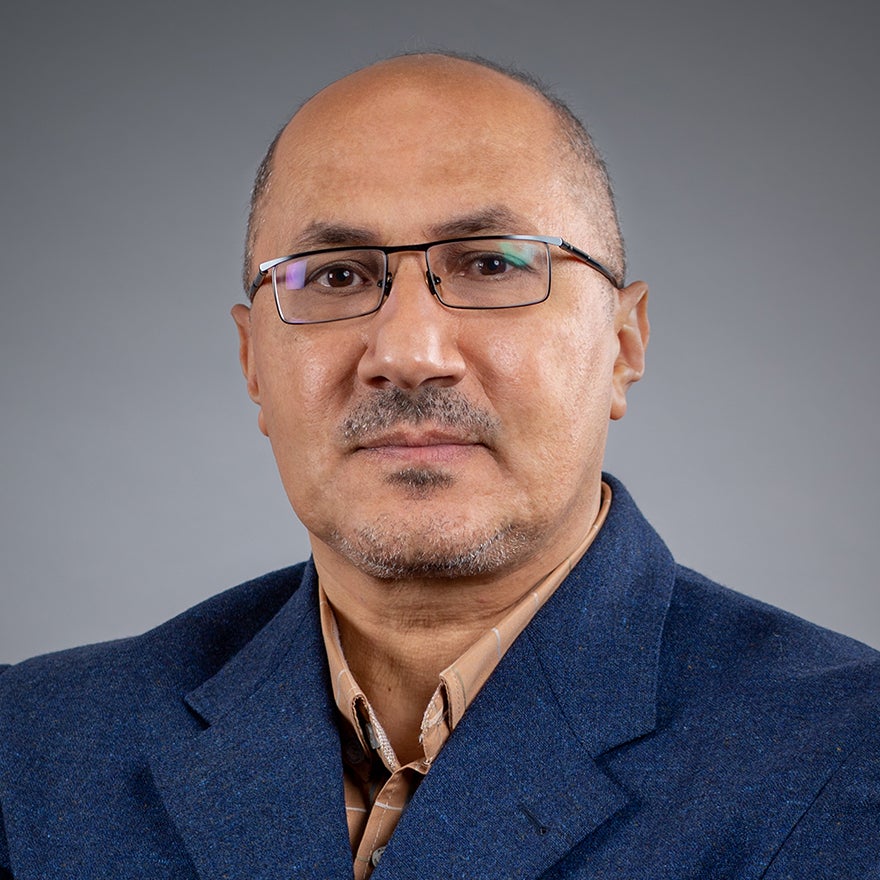
حمدي حسين
مهندس برمجيات رئيسي
حمدي حسين
مهندس برمجيات رئيسي
المؤهلات العلمية
BSc in Computer Science
الكيان
معهد قطر لبحوث الحوسبة
القسم
تقنيات اللغة العربية
السيرة الذاتية
Hamdy Mubarak Hussien is a Principal Software Engineer at the Qatar Computing Research Institute of Hamad Bin Khalifa University. He joined QCRI in 2014 and has participated in building state-of-the-art tools for processing the standard, classical, and dialectal varieties of Arabic (farasa.qcri.org), QATS Speech Transcription and Translation (qats.qcri.org and st.qcri.org), IYAS Question Answering, and Fake News Detection (tanbih.org) projects in addition to leading the efforts in analyzing social media texts (asad.qcri.org). He works on different aspects of the Arabic LLM, Fanar.
Before joining Qatar Computing Research Institute, Hamdy Mubarak was the Arabic NLP R&D manager at Sakhr Software from 1994 to 2013 working on morphological, syntactic, and semantic analysis of Arabic and building commercial NLP applications for governments. He has published 120+ papers in top-tier conferences on computational linguistics, speech, and social computing.
BSc in Computer Science
Alexandria University, Egypt
1992
- Arabic natural language processing
- Social media analysis
- AI for social good
- LLMs
Principal Software Engineer
Qatar Computing Research Institute, Hamad Bin Khalifa University
2014 - Present
Arabic R&D Manager
Arabic Language, Sakhr Software, Egypt
2003 - 2013
Software Manager
Digital Communication, Ellipsis Digital Systems, United States
2001 - 2003
Senior Project Manager
Arabic Language, Sakhr Software, Egypt
1994 - 2001
Complete Publication Listing(s): Google Scholar
- Best of Gitex, 1996, Best Arabic Diacritizer.
- Best of Gitex, 1999, Best Arabic Spell and Grammar Checker.
- NIST09 Open Machine Translation A2E Human Assessment (1st Rank), Ottawa, Canada.
- Best Innovation Award (QATS), Annual Research Conference 2018, Qatar Foundation
- King Salman Global Academy Award for Best Arabic NLP Institute (Saudi Arabia, 2023)

الدكتور محمد عمران
عالم أول
الدكتور محمد عمران
عالم أول
المؤهلات العلمية
PhD in Computer Science
MSc. Computer Science
الكيان
معهد قطر لبحوث الحوسبة
القسم
الحوسبة الاجتماعية
السيرة الذاتية
Dr. Muhammad Imran is a Senior Scientist and Lead of the Crisis Computing team at Qatar Computing Research Institute. Dr. Imran received his Ph.D. in computer science from the University of Trento in 2013. He then worked as a Research Scientist at QCRI from 2015-2020.
Dr. Imran has published over 80 research papers in top-tier international conferences and journals, including ACL, SIGIR, ICDM, ICWSM, and WWW. Four of his papers received the "Best Paper Award" and two "Best Paper Runner-up Award." He has been serving as a co-chair of the Social Media Studies track of the ISCRAM international conference since 2014 and has served as Program Committee for many major conferences and workshops.
PhD in Computer Science
University of Trento; Trento, Italy
2013
MSc. Computer Science
Mohammad Ali Jinnah University; Islamabad, Pakistan
2007
BS Computer Science
Allama Iqbal Open University; Islamabad, Pakistan
2003
Senior Scientist
Qatar Computing Research Institute
Apr 2021 - Present
Scientist
Qatar Computing Research Institute
Dec 2014 - Apr 2021
Postdoc
Qatar Computing Research Institute
Apr 2013 - Dec 2014
Research Associate
Qatar Computing Research Institute
Jun 2012 - Sep 2012
Database Administrator & Developer
National Uniersity of Science and Technology, Pakistan
Jul 2007 - Aug 2008
Processing Social Media Messages in Mass Emergency: A Survey; ACM Computing Surveys; https://dl.acm.org/citation.cfm?id=2771588
Processing Social Media Images by Combining Human and Machine Computing During Crises; In the International Journal of Human-Computer Interaction (IJHCI); https://www.tandfonline.com/doi/abs/10.1080/10447318.2018.1427831?journalCode=hihc20
Humanitarian Health Computing using Artificial Intelligence and Social Media: A Narrative Literature Review; In the International Journal of Medical Informatics (IJMI); https://www.sciencedirect.com/science/article/pii/S1386505618300212
Classifying and Summarizing Information from Microblogs during Epidemics; Journal of Information Systems Frontiers; https://link.springer.com/article/10.1007/s10796-018-9844-9
Domain Adaptation with Adversarial Training and Graph Embeddings; 56th Annual Meeting of the Association for Computational Linguistics (ACL); https://www.aclweb.org/anthology/P18-1099
Identifying Sub-events and Summarizing Information during Disasters; 41st International ACM SIGIR Conference on Research and Development in Information Retrieval (SIGIR), https://dl.acm.org/citation.cfm?id=3210030
From Situational Awareness to Actionability: Towards Improving the Utility of Social Media Data for Crisis Response; 21st ACM Conference on Computer-Supported Cooperative Work and Social Computing (CSCW); https://dl.acm.org/citation.cfm?id=3274464
Using AI and Social Media Multimodal Content for Disaster Response and Management: Opportunities, Challenges, and Future Directions. In the Information Processing and Management (IPM) journal, 2020. DOI: https://doi.org/10.1016/j.ipm.2020.102261
Non-Traditional Data Sources: Providing Insights into Sustainable Development. Communications of the ACM (CACM), 2021. DOI: https://doi.org/10.1145/3447739.
Deep Learning Benchmarks and Datasets for Social Media Image Classification for Disaster Response. In Proceedings of the IEEE/ACM International Conference on Advances in Social Network Analysis and Mining (ASONAM), 2020. DOI: https://doi.org/10.1109/ASONAM49781.2020.9381294
Are We Ready for this Disaster? Towards Location Mention Recognition from Crisis Tweets. In Proceedings of the 28th International Conference on Computational Linguistics (COLING), 2020. DOI: https://doi.org/10.18653/v1/2020.coling-main.550
Detecting Natural Disasters, Damage, and Incidents in the Wild. In Proceedings of the 16th European Conference on Computer Vision (ECCV), 2020. DOI: https://doi.org/10.1007/978-3-030-58529-7_20
GeoCoV19: A Dataset of Hundreds of Millions of Multilingual COVID-19 Tweets with Location Information. ACM SIGSPATIAL Special, May, 2020. DOI: https://doi.org/10.1145/3404111.3404114
Rapid Damage Assessment Using Social Media Images by Combining Human and Machine Intelligence. In Proceedings of the 17th International Conference on Information Systems for Crisis Response and Management (ISCRAM), Virginia, USA, 2020. DOI: https://arxiv.org/abs/2004.06675
Automatic Identification of Eyewitness Messages on Twitter During Disasters. In the Journal of Information Processing and Management (IP&M), 2020. DOI: https://doi.org/10.1016/j.ipm.2019.102107
Summarizing Situational Tweets in Crisis Scenarios: An Extractive-Abstractive Approach. In IEEE Transactions on Computational Social Systems Journal (IEEE TCSS), 2019. DOI: https://doi.org/10.1109/TCSS.2019.2937899
- 2016; Best Paper Award; International Conference on Information Systems for Crisis Response and Management; Rio de Janeiro/Brazil
- 2013; Best Paper Award; International Conference on Information Systems for Crisis Response and Management; Baden-Baden/Germany
- 2017; Runner-up Best Paper Award; International Conference on Information Systems for Crisis Response and Management; Albi/France
- 2015; Grand Prize at the Open Source World Challenge; South Korea ICT ministry; South Korea
- 2016; WISH Innovation Competition; WISH organizers; Doha/Qatar
- 2017; World Intellectual Property Day award; The Ministry of Economy and Commerce Qatar; Doha/Qatar
- 2007; Distinguished Position holder in MSc; Mohammed Ali Jinnah University; Islamabad/Pakistan
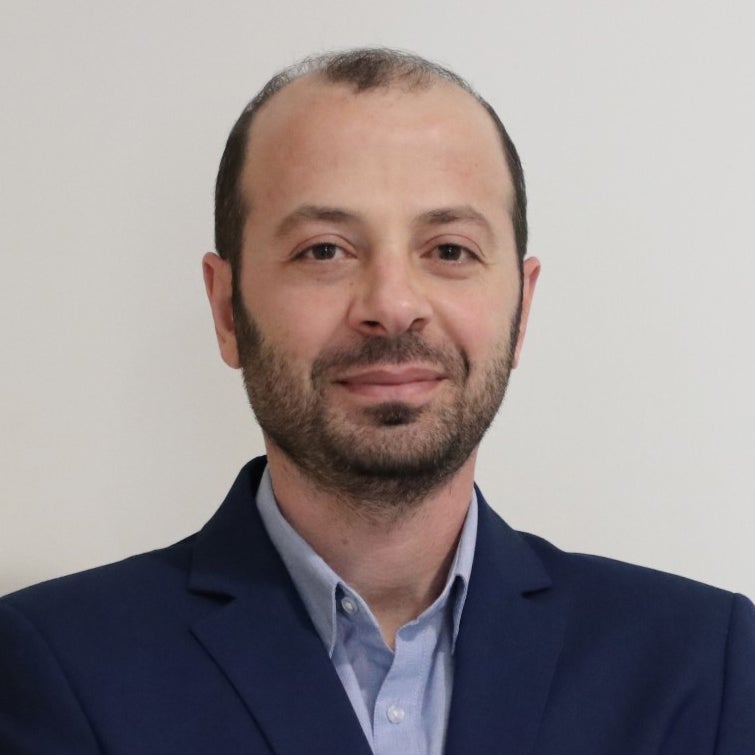
الدكتور محمد سعد
عالم بحوث
البريد الإلكتروني
msaad@hbku.edu.qaالهاتف
+974 4454 7746موقع المكتب
HBKU RDC B1, First Floor, A1117
الدكتور محمد سعد
عالم بحوث
المؤهلات العلمية
PhD in Statistical Genetics/Biostatistics
MSc in Statistics/Biostatistics
الكيان
معهد قطر لبحوث الحوسبة
القسم
تحليل البيانات
السيرة الذاتية
Dr. Mohamad Saad is a Research Scientist in the Data Analytics group at Qatar Computing Research Institute. He joined QCRI in February 2017 and works on topics in Statistical Genetics, Biostatistics, and Bioinformatics. Dr. Saad has a background in applied mathematics and statistics. He obtained his bachelor's degree in Applied Mathematics (Majoring in Statistics) at the Lebanese University in 2006, before he moved to France where he obtained his master's degree in Statistics/Biostatistics from the University of Montpellier II, Monpellier in 2007, and his PhD in Statistical Genetics/Biostatistics/Bioinformatics from the University of Paul Sabatier III, Toulouse, in 2012. In Summer 2012, he moved to the United States for a Postdoctoral Senior Fellow position at the Department of Biostatistics at the University of Washington, Seattle, as a Postdoctoral Senior Fellow and stayed until Fall 2016. Dr. Saad has many peer-reviewed articles in top-tier journals including Nature Genetics, The Lancet, and Genome Research.
PhD in Statistical Genetics/Biostatistics
University of Paul Sabatier III & National Institute of Health and Medical Research, Toulouse, France.
2009 - 2012
MSc in Statistics/Biostatistics
Montpellier, France.
2006 - 2007
BSc in Applied Mathematics
Major in Statistics, Beirut, Lebanon.
2002 - 2006
Research Scientist
Qatar Computing Research Institute, Hamad Bin Khalifa University, Doha, Qatar.
2017 - Present
Postdoctoral Senior Fellow
Department of Biostatistics, University of Washington, Seattle, USA.
2012 - 2016
Adjunct Assistant Professor
Faculty of Medical Sciences, Lebanese University, Beirut, Lebanon.
2014 - Present
Large Scale Meta Analysis of Genome-wide Association Data in Parkinson’s Disease Reveals 28 Distinct Risk Loci. Nature Genetics, 46(9):989-93
Wood NW, Imputation of sequence variants for identification of genetic risks for Parkinson’s disease: a meta-analysis of genome-wide association studies. Lancet, 377(976, 2011
Comparison and assessment of family- and population-based genotype imputation methods in large pedigrees, Genome Research, 125-134, 10.1101/gr.236315.118.
GIGI-Quick: a fast approach to impute missing genotypes in genome-wide association family data. Bioinformatics, 1;34(9):1591-1593, 10.1093/bioinformatics/btx782.
Association score testing for rare variants and binary traits in family data with shared controls. Briefings in Bioinformatics, 18;20(1):245-253, 10.1093/bib/bbx107.
Power of Family-Based Association Designs To Detect Rare Variants in Large Pedigrees Using Imputed Genotypes. Genet Epidemiol, 38(1):1-9.
Genome-wide association study confirms BST1 and suggests a locus on 12q24 as the risk loci for Parkinson’s disease in the European population. Hum Mol Genet, 20(3):615-27.
Use of Support Vector Machines for disease risk prediction in genome-wide association studies: concerns and opportunities. Human Mutation, 33 (12), 1708-1718.
2014: James V. Neel Young Investigator Award for the Best Presentation by a Young Investigator at the International Genetic Epidemiology Society, Vienna, Austria, August 2014.
نورة محمد العمادي
مهندس أول برمجيات
نورة محمد العمادي
مهندس أول برمجيات
المؤهلات العلمية
MSc in Data Science and Engineering
BSc in Computer Science
الكيان
معهد قطر لبحوث الحوسبة
القسم
تحليل البيانات
السيرة الذاتية
Noora Al-Emadi is a Senior Software Engineer at the Qatar Computing Research Institute of Hamad Bin Khalifa University. In her current role, she specializes in computer vision, focusing on object detection from satellite imagery. Her experience spans several domains, including urban informatics, social media analytics, applied machine learning, and mobile application development.
Noora is pursuing a PhD in Computer Science and Engineering at Hamad Bin Khalifa University. She holds a Bachelor's degree in Computer Science from Qatar University and a Master’s in Data Science and Engineering from HBKU. Her diverse technical background and her ongoing PhD research reflect her commitment to advancing innovation and technology. Through her work at QCRI and her academic endeavors, she continues to adapt to and shape the rapidly evolving fields of data science and emerging technologies.
MSc in Data Science and Engineering
Hamad Bin Khalifa University
2020
BSc in Computer Science
Qatar University
2010
- Computer Vision
- Remote Sensing
- Machine Learning
- Data Science
Senior Software Engineer
Qatar Computing Research Institute, Hamad Bin Khalifa University
2019 - Present
Software Engineer
Qatar Computing Research Institute, Hamad Bin Khalifa University
2015 - 2019
Research Associate
Qatar Computing Research Institute, Hamad Bin Khalifa University
2013 - 2015
Research Assistant
Qatar Computing Research Institute, Hamad Bin Khalifa University
2012 - 2013
Applications Developer
Mobile Application Development, Qatar Mobility Innovation Center (QMIC, formerly QUWIC)
2010 - 2012
- 2015; Grand prize at Open Source Software World Challenge (OSSWC) Ministry of Science, ICT and Future Planning; Korea
- 2014; Rewarded by H.E. Mr. Sultan Bin Rashed Al Khater, Undersecretary of the Ministry of Commerce and Industry for developing the MEC Qatar application in Android.
- 2007-2008; Dean’s list, College of Engineering, Qatar University, Qatar
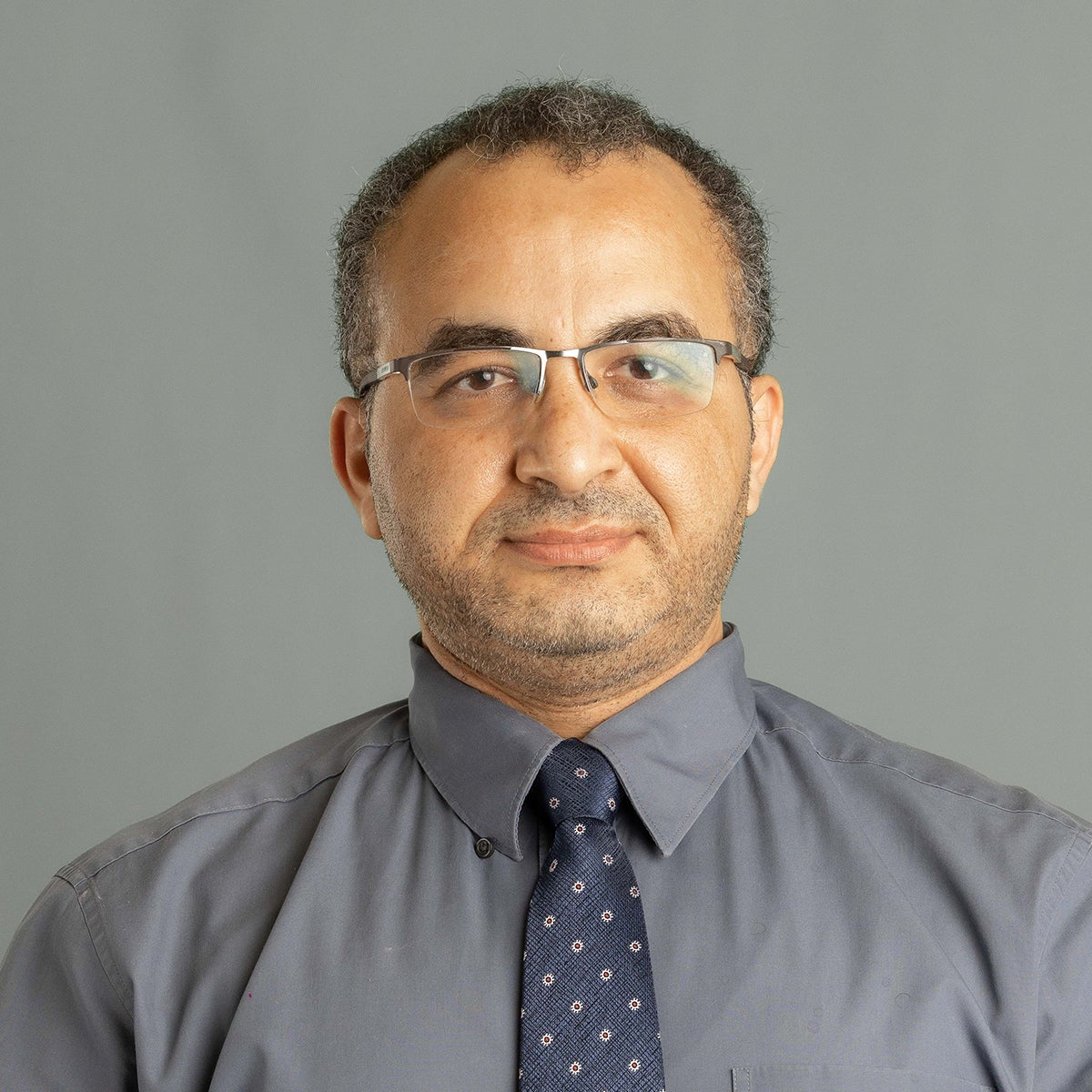
الدكتور خالد محمود
عالم أول
البريد الإلكتروني
kmahmoud@hbku.edu.qaالهاتف
+974 4454 1694موقع المكتب
B2-0119, HBKU-RC, North Building, Seg. 5
الدكتور خالد محمود
عالم أول
المؤهلات العلمية
PhD.in Materials Science;
MSc.; in Analytical Chemistry;
الكيان
معهد قطر لبحوث البيئة والطاقة
القسم
Water science and technology
السيرة الذاتية
Dr. Khaled Mahmoud is Senior Scientist in Water Chemistry and Nanotechnology at the Qatar Environment and Energy Research Institute (QEERI). Prior joining QEERI, he worked as Research Officer in Biosensors and Nanobiotechnology at the Biotechnology Research Institute/National Research Council (CNRC), Montreal, Canada. He was the Director of Science & Technology at Bio Vision Technology Inc., Montreal, and an Assistant Professor at Faculty of Engineering, Port Said University. He obtained his PhD in Materials Science from University of Saskatchewan, Canada (2007) and MSc in Analytical Chemistry from Suez Canal University, Egypt (2003)
Dr Mahmoud research interest focus on the engineering and synthesis of functionalized nanomaterials for multidisciplinary applications including sustainable water treatment, energy storage, solar energy, environmental monitoring, nanocatalysis, and enhanced oil recovery applications. He is specialized in the synthesis and surface functionalization of 2D- carbon nanomaterials including MXene, graphenes, cellulose nanocrystals, and metal oxides.
Dr. Mahmoud is a member of the American Chemical Society (ACS), Canadian Society for Chemistry (CSC), Cellulose and Renewable Materials, ACS Colloids and Surface Sciences. He is co-author of 46 peer-reviewed papers, 5 book chapters, 2 patents, and 3 patent applications. He is recipient of The Excellence Award, NRC Montréal, Canada (2011); NSERC fellow, CNRC Canada.
PhD.in Materials Science;
University of Saskatchewan, Saskatoon, Canada.
2007
MSc.; in Analytical Chemistry;
Suez Canal University, Egypt.
2003
BSc., in Chemistry,
Suez Canal University, Egypt.
1996
- 2D metal carbides (MXenes) and graphene based membranes and adsorbents for water purification;
- Antimicrobial nanocomposites for seawater disinfection and antifouling coatings;
- “Green” biocides for sulphate reducing bacteria (SRB) and anti-microbial influenced corrosion (MIC);
- Nanomaterials for photovoltaic transparent electrodes and Li ion battery anode;
- Nanocomposites for EOR and oil/water separation applications;
- Electrochemical sensors for water pollutants.
Senior Scientist
Qatar Environment and Energy Research Institute (QEERI).
2012-current
Director of Science & Technology;
Bio Vision Technology Inc Montreal, Canada.
2011-2012
Visiting Professor
Énergie, Matériaux et Télécommunications (ÉMT), INRS, Varennes, Canada.
2011-2012
Research Officer
National Research Council (CNRC), Montreal, Canada.
2008-2011
NSERC post-doctoral fellow,
National Research Council (CNRC),Montreal, Canada.
2007-2008
Efficient Antibacterial Membrane based on Two-Dimensional Ti3C2Tx (MXene) Nanosheets” Scientific Reports 7
“Antibacterial Activity of Ti3C2Tx MXene” ACS nano 10, 3674-3684
“Effect of surface termination on ion intercalation selectivity of bilayer Ti3C2Tx (T= F, O and OH) MXene” Applied Surface Science 416, 725-730
S.V. Gaponenko “Nanoplasmonic Raman detection of bromate in water” Optics Express, 24, A174-179
“Transparent and conductive Ti3C2Tx (MXene) thin film fabrication by electrohydrodynamic atomization technique” Journal of Materials Science: Materials in Electronics, 27, 5440-5445
Charge-and size-selective ion sieving through Ti3C2Tx MXene membranes The Journal of Physical Chemistry Letters 6, 4026-4031
“Functional graphene nanosheets: the next generation membranes for water desalination” Desalination 356, 208-225
“Preparation of well-dispersed gold/magnetite nanoparticles embedded on cellulose nanocrystals for efficient immobilization of papain enzyme” ACS applied materials & interfaces 5, 4978-4985
“Fe3O4/Au nanoparticles/lignin modified microspheres as effectual surface enhanced Raman scattering (SERS) substrates for highly selective and sensitive detection of 2,4,6-trinitrotoluene (TNT)” Analyst 138, 2712-2719
“Effect of surface charge on the cellular uptake and cytotoxicity of fluorescent labeled cellulose nanocrystals” ACS applied materials & interfaces 2 (10), 2924-2932
JHT Luong Cellulose nanocrystal/gold nanoparticle composite as a matrix for enzyme immobilization ACS applied materials & interfaces 1, 1383-1386
“Impedance Method for Detecting HIV-1 Protease and Screening For Its Inhibitors Using Ferrocene− Peptide Conjugate/Au Nanoparticle/Single-Walled Carbon Nanotube Modified Electrode” Analytical chemistry 80, 7056-7062
“Picomolar detection of protease using peptide/single walled carbon nanotube/gold nanoparticle-modified electrode” Acs Nano 2, 1051-1057
“A bioorganometallic approach for the electrochemical detection of proteins: a study on the interaction of ferrocene–peptide conjugates with papain in solution and on Au surfaces” Chemistry-a European Journal 13, 5885-5895
- 2011; Excellence in Research Award, National Research Council CNRC Montréal/Canada
- 2007; NSERC Fellow; National Research Council CNRC; Canada.
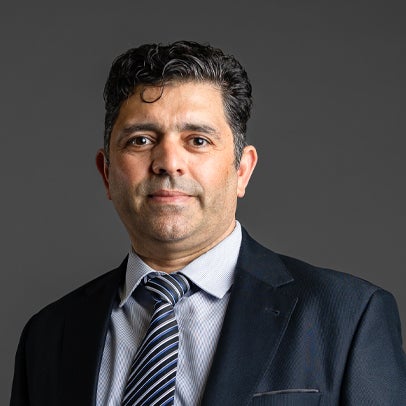
الدكتور عبد الإله الرضواني
عالم أول
أستاذ مشارك
الدكتور عبد الإله الرضواني
عالم أول
أستاذ مشارك
الكيان
معهد قطر لبحوث الطب الحيوي
كلية العلوم الصحية والحيوية
القسم
مركز بحث السكري
السيرة الذاتية
Dr. Abdelilah Arredouani joined QBRI in March 2012 as a Scientist in the Diabetes Research Center. He holds a PhD in Biomedical Sciences from the Faculty of Medicine at University of Louvain-La-Neuve in Belgium. Prior to joining QBRI he worked in Netherlands at the Department of Neurosciences in Erasmus Medical Center in Rotterdam, in United Kingdom at the Department of Pharmacology in Oxford University, and in Qatar at the Department of Physiology and Biophysics in Weill Cornell Medicine. During his PhD, he studied the contribution of the calcium stores in the endoplasmic reticulum to glucose-induced calcium response and insulin secretion from the pancreatic beta cell in the context of type 2 diabetes.
Dr. Arredouani was a key player in the discovery of the NAADP receptor, the two pore channels, and Ned-19, a specific antagonist of the NAADP. Since joining QBRI in 2012, Dr. Arredouani has been involved in projects related to the identification of biomarkers to predict type 2 diabetes using systems biology approaches. He has published in high impact peer-reviewed journals including Nature, Nature Chemical Biology, Current Biology, Diabetes and JBC.
Dr. Arredouani’s research focuses mainly on the identification of biomarkers to predict type 2 diabetes and its complications. He combines molecular and cellular techniques with systems biology approaches, including metabolomics and miRNA profiling, in his investigations.
- Fatty liver
- Lifestyle and Glycaemia (FLAG): The impact of a low energy diet Intervention on non-alcoholic fatty liver disease in Type 2 Diabetes in Qatar.
- Investigation of the association between low salivary alpha-amylase and risk of metabolic disorders in the Qatari population.
- Mechanisms underlying the improvement of NAFLD by GLP-1 agonists.
Course Coordinator ( Teaching )
Advances in human metabolism and disease (LS642)
Tutor ( Teaching )
Signal Transduction in Health and Diseases (LS641)
Tutor ( Teaching )
OMICS (GPM 603)
Committees
Life Science Graduate Advisory committee
MENTORING
Khaoula Eraafii: P.h.D student
Diagnostic, Prognostic, and Mechanistic Biomarkers of Diabetes Mellitus-Associated Cognitive Decline. Int J Mol Sci. 2022; 23(11):6144.
Comparative Transcriptome Analysis Reveals That Exendin-4 Improves Steatosis in HepG2 Cells by Modulating Signaling Pathways Related to Lipid Metabolism. Biomedicines. 2022;10(5):1020.
Identification of Novel Circulating miRNAs in Patients with Acute Ischemic Stroke. Int J Mol Sci. 2022 Mar 21;23(6):3387.
Elevated levels of salivary α- amylase activity in saliva associated with reduced odds of obesity in adult Qatari citizens: A cross-sectional study. Plos One. 2022 Mar 10; 17(3):e0264692. Al-Akl N, Thompson IR, Arredouani A*.
Reduced odds of diabetes associated with high plasma salivary α-amylase activity in Qatari women: a cross-sectional study. Sci Rep. 2021 Jun 1;11(1):11495.
Exendin-4 alleviates steatosis in an in vitro cell model by lowering FABP1 and FOXA1 expression via the Wnt/-catenin signaling pathway. Sci Rep. 2022 Feb 9;12(1):2226.
Comprehensive analysis of LncRNAs expression profiles in an in vitro model of steatosis treated with Exendin-4. J Transl Med. 2021 Jun 2;19(1):235.
Metabolomic Profile of Low Copy-Number Carriers at the Salivary Alpha-Amylase Gene Suggests a Metabolic Shift Towards Lipid-Based Energy Production. Diabetes. 2016 Nov;65(11):3362-3368
Beverley Balkau, Amélie Bonnefond; Philippe Froguel. Impact of statistical models on the prediction of type 2 diabetes using non-targeted metabolomics profiling. Mol Metab. 2016 Aug 23;5(10):918-25
Role for NAADP activation of two-pore channels in stimulus-secretion coupling in mouse pancreatic beta cells, J Biol Chem. 2015 Aug 28;290(35):21376-92
Mechanisms behind the immediate effects of Roux-en-Y gastric bypass surgery on type 2 diabetes, Theor Biol Med Model. 2013 Jul 13;10(1):45.
NAADP mobilizes calcium from acidic organelles through two-pore channels. Nature. 2009 May 28;459(7246):596-600.
Identification of a chemical probe for NAADP by virtual screening. Nat Chem Biol. 2009 Feb 22.
List of Publications on Pubmed
- $329,095 (Lead Principal Investigator) IGP-2-QBRI. Fatty liver, Lifestyle and Glycaemia (FLAG): The impact of a low energy diet Intervention on non-alcoholic fatty liver disease in type 2 diabetes (2017-2020).
- $251,041 (Co-PI) from IGP2-QBRI. Effect of incretin-based therapy combined with lifestyle intervention on improving -cell function and attenuating metabolic stress in pre-diabetic Qatari subjects: A pilot study (2017-2020).
- $696,522 (Co-Principal Investigator) from NPRP10-QNRF. Metabolic and molecular profiling of lean and obese subjects with T2DM in Qatar in response to a lifestyle intervention protocol: Possible effect of body fat distribution (2017-2021).
أليساندرو موسكيتي
باحث أول
أليساندرو موسكيتي
باحث أول
القسم
أليساندرو موسكيتي
السيرة الذاتية
"معهد قطر لبحوث الحوسبة هو عبارة عن مركز أبحاث متقدم مختص بجوانب حديثة في مجال تقنيات اللغة العربية ولديه القدرة لأن يصبح من أوائل المراكز في العالم على صعيد هذه التقنيات."