 قدِّم طلبك الآن
primary
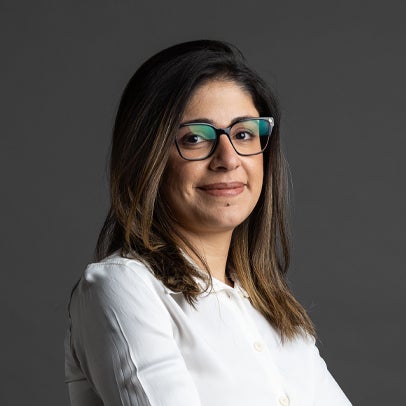
سامية لطيف
باحث أول مشارك
الكيان
معهد قطر لبحوث الطب الحيوي
القسم
مركز بحوث الاضطرابات العصبية
السيرة الذاتية
Ms. Samia Ltaief obtained her Master's degree in Research in Life Sciences, specializing in Microbiology and Molecular Epidemiology from Sciences University of Tunis in January 2013. Her project was focused on the adaptation of BHK-21 cells in suspension culture and the study of their capacity for replication of the rabies virus. She carried out her project in the Laboratory of Molecular Microbiology, Biotechnology and Vaccine Development at the Pasteur Institute, Tunisia; she was supervised by Dr. Hella Kallel. Following the completion of her Master's degree, Ms. Ltaief worked as a Senior Lab Technician at a private medical laboratory in Tunisia for one year. She then moved to the XEN Lab of Dermocosmetic products in Tunisia in May 2014 and worked as a Quality Manager for one year. In February 2018, she joined National Center for Cancer Care and Research (NCCCR) in HMC in Qatar as a trainee, learning various immunological techniques.
Currenlty Ms. Ltaief works in QBRI as a senior research associate. Her research interest is focused on studying the role of the immune system among those with autism spectrum disorder and its correlation with neuronal phenotypes under the supervision of Dr. Abeer Al-Shammari.
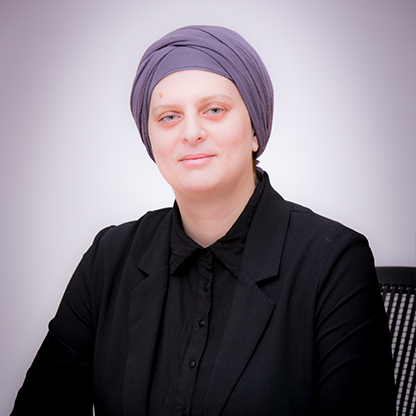
وصال حباب
باحث مشارك اول
المؤهلات العلمية
Doctor of Business Administration (DBA)
M.Sc Diagnostic Molecular Biology and Human Genetics
الكيان
معهد قطر لبحوث الطب الحيوي
القسم
مركز بحوث الاضطرابات العصبية
السيرة الذاتية
Dr. Wesal holds a Bachelor’s in Medical Laboratory Sciences, a Master’s in Diagnostic Molecular Biology and Human Genetics, a Doctorate in Business Administration, and has a rich background in medical research and administration. Formerly a teaching assistant at Jordan University of Science and Technology (JUST), she contributed as a research and laboratory supervisor, specializing in DNA extraction, mutation screening, and forensic gene scanning. Subsequently, she was a senior research associate at the Shafallah Medical Genetics Center, Doha, leading projects in the areas of genetics, Autism, and Exome Sequencing research.
In 2014, Dr. Wesal joined Qatar Biomedical Research Institute (QBRI), focusing on identifying mutations for Intellectual Disability. Currently, her work delves into molecular biology and biomarker identification in Autism. It centers on studying the properties of induced pluripotent stem cells (iPSCs) and CRISPR-CAS9 of people on the Autism spectrum, exploring characteristics of cells differentiated into cortical neurons. Dr. Wesal's extensive expertise contributes significantly to cutting-edge research in neurological disorders.
Doctor of Business Administration (DBA)
International American University
2021 - 2023
M.Sc Diagnostic Molecular Biology and Human Genetics
Jordan University of Science and Technology
2004 - 2008
B.Sc. Medical Laboratory Sciences
Jordan University of Science and Technology
2000 - 2004
- Gene editing; CRISPR-CAS9
- Autism Spectrum Disorder
- Gene scanning
- Whole Exome and Genome analysis
Senior Research Associate
Neurological Disorder Research Center, Qatar Biomedical Research Institute
2014 - Present
Senior Research Associate
Diagnostic and Research Department, Shafallah Medical Genetics Center
2010 - 2011
Lab Supervisor
Princess Haya Biotechnology Center, Jordan University of Science and Technology
2008 - 2010
Research Assistance
Medical College - Physiology, Jordan University of Science and Technology
2007 - 2008
Teaching Assistant
Applied Medical Sciences - Molecular Biology, Jordan University of Science and Technology
2002 - 2003
- 2023; Certification of appreciation for Volunteering - Qatar Foundation
- 2011; SMGC-Certificate of appreciation for contribution during the cap accreditation process
- 2009; Certificate of Appreciation for Poster Presentation - First conference on Arab Women in Science & Technology, UAE
- 2000; Honor diploma for Romanian talent in literature - Romanian Embassy, Jordan
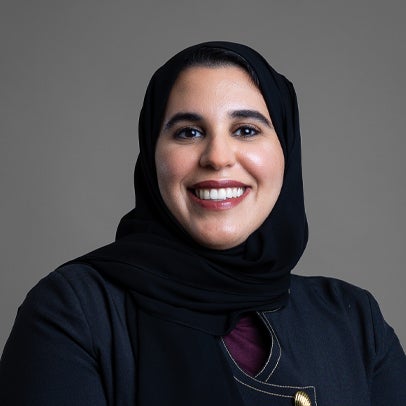
مها عبدالله ناصر فالح آل ثاني
باحث زميل
المؤهلات العلمية
PhD in Clinical Neurosciences
MS in Biological and Biomedical Sciences
الكيان
معهد قطر لبحوث الطب الحيوي
القسم
مركز بحوث الاضطرابات العصبية
السيرة الذاتية
Maha, AL-Thani is a Research Fellow at Qatar Biomedical Research Center. Her primary research focus is human iPSC disease modeling and neurovascular unit co-culture. She received her PhD in Clinical Neurosciences from the University of Cambridge, and her dissertation “hiPSC-Derived Cerebral Small Vessel Disease Models”, published in 2023, was centered around blood-brain barrier modeling that led to novel hiPSC-derived models of the cerebral Small Vessel Disease variants COL4A1/2 and HTRA1. These models were later used in a drug-screening collaboration with AstraZeneca. The project was funded by the British Heart Foundation, Alzheimer’s Association, Stroke Association and Medical Research Foundation.
PhD in Clinical Neurosciences
University of Cambridge, England
2024
MS in Biological and Biomedical Sciences
Hamad Bin Khalifa University
2019
BSc in Biomedical Science
Qatar University
2015
Maha’s research interest is in investigating the role of different post-translational modifications of alpha-synuclein. Her research aims to examining their possible utility as a biomarker target or in developing a vaccine for Parkinson's disease.
- hiPSCs-derived disease models
- Neurovascular unit
- 3D co-culture
- Microfluidic
Research Fellow
Qatar Biomedical Research Center, Hamad Bin Khalifa University
2025 - Present
- Amiri Scholarship Program by Qatar’s Ministry of Education and Higher Education, 2019

Safa Salim
Master's Student
Safa Salim
Master's Student
الكيان
معهد قطر لبحوث الطب الحيوي
القسم
مركز بحوث الاضطرابات العصبية
السيرة الذاتية
Safa Salim graduated with a major in Biological Sciences and minor in Psychology from Carnegie Mellon University Qatar in 2017. She joined the Biological and Biomedical Sciences program in Hamad Bin Khalifa University to obtain her Masters and PhD.
During her undergraduate studies, Safa was involved in several research projects, which include: examining gene expression in development and regeneration of the sea star Patiria Miniata at Mellon Institute, Pittsburgh, USA; analyzing the role of DNAJB3/HSP-40 co-chaperone in regulating glucose homeostasis and insulin signaling at QBRI; comparing the protein profiles of Arthrobacter Phage (Sand Phage) and Mycobacterium Smegmatis Phage (Soil Phage) at Carnegie Mellon University Qatar; and expressing, purifying, and characterizing the transcription factors Sox7 and Sox17 HMG domain and its mutant at QBRI.
Minoring in Psychology and taking several courses that highlighted the complexity of the brain fostered a deep interest in neurological disorders for Safa. She is specifically interested in working on neurodegenerative diseases such as a-synucleinopathies due to their challenging nature and lack of effective treatments. She aims to perform translational research on such disorders with the aspiration to develop efficient therapies.
- Currently
- Safa is working on her thesis project with Dr. Omar El-Agnaf; the project focuses on engineering antibodies for diagnostic and therapeutic approaches in neurodegenerative diseases.
- It is specifically aimed at developing immunotherapy for the a-synucleinopathies wherein aggregation of the protein a-synuclein seems to cause neurodegeneration.
- This involves constructing
- expressing
- purifying
- and characterizing conformation specific antibodies against a-synuclein.
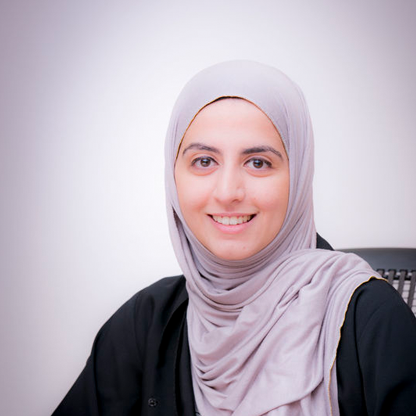
Muneera Fayyad
PhD Student
Muneera Fayyad
PhD Student
الكيان
معهد قطر لبحوث الطب الحيوي
القسم
مركز بحوث الاضطرابات العصبية
السيرة الذاتية
Muneera Fayyad has earned her Bachelor’s degree in Biological Sciences from the American University of Sharjah in 2015 and her Master's degree in Biomedical and Biological Sciences from Hamad Bin Khalifa University in 2017. She is currently pursuing her PhD under the supervision of Prof. El-Agnaf and is working on developing and characterizing antibodies as research tools to study Parkinson’s disease and related disorders.
Her research interests include exploring the applications of monoclonal antibodies against different species of alpha-synuclein for Parkinson’s disease pathology. She is also interested in discovering and validating biomarkers for Parkinson’s disease and related disorders.
- Muneera’s research project focuses mainly on the development and characterization of monoclonal antibodies specific for Parkinson’s disease pathology.
- These can be used as research tools to gain a deeper understanding of mechanisms underlying the pathology.
- They can also be utilized to identify disease biomarkers for the development of sensitive diagnostic immunoassays for Parkinson’s disease and related disorders
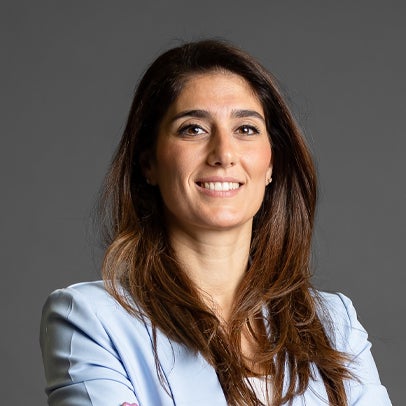
نائلة العقل
باحث أول مشارك
الكيان
معهد قطر لبحوث الطب الحيوي
القسم
مركز بحث السكري
السيرة الذاتية
Mrs. Neyla Al Akl received her Bachelor’s degree in Medical Laboratory Technology from the Balamand University, Lebanon and pursued her Master’s in Immunology and Microbiology from the American University of Beirut, Lebanon. She worked as an assistant embryologist at EVE Fertility Center in Beirut and after obtaining her MS degree she joined the department of Experimental pathology, Immunology and Microbiology at the American University of Beirut as a Research Assistant. During her 7 years of laboratory research work she was involved in several projects related to the effect of bovine cartilage, antibiotics and Coley’s mixed bacterial toxin on tumor growth, in addition to defining the mechanism of action of certain vaccine adjuvants.
Mrs Neyla joined QBRI in 2018 and is part of Dr. Arredouani's team. She provides technical and administrative support to all members of the team and is also involved in a research project that focuses on the association between the salivary alpha- amylase and metabolic disorders in the Qatari population.
Aisha AlMulla
Master's Student
الكيان
معهد قطر لبحوث الطب الحيوي
القسم
مركز بحث السكري
السيرة الذاتية
Ms. Aisha AlMulla is currently pursuing her Master's in Biological and Biomedical Sciences at Hamad Bin Khalifa University (HBKU), and is working under the supervision of Dr. Essam Abdelalim of QBRI. She obtained her Bachelor’s degree in Biological Sciences (Cancer Biology) from the University of Westminster, London in 2017. She worked on exploring the role of Epithelial-to-Mesenchymal Transition markers in HER2+ breast cancer cells, mainly focusing on the expression levels of the mesenchymal marker SNAIL involved in metastasis of primary cancer cells to secondary organs.
She gained brief experience from working on differentiation and maintenance of iPSCs in Dr. Essam Abdelalim’s laboratory in 2014. Keeping in view the promising applications of stem cells in disease treatment, she is currently working on the generation and differentiation of pluripotent stem cells to hepatocytes in the same lab, as a part of a bigger project that explores the pathogenesis and underlying molecular mechanisms of insulin resistance and diabetes.
Eman W. Abdelsalam
PhD Student
الكيان
معهد قطر لبحوث الطب الحيوي
القسم
مركز بحث السكري
السيرة الذاتية
Ms. Eman W. Abdelsalam is a PhD student at Hamad Bin Khalifa University (HBKU) in the Genomics and Precision Medicine (GPM) program, since August, 2017. Her thesis focuses on studying inherited insulin resistance in the offspring of parents with type 2 diabetes, using human induced pluripotent stem cells (hiPSCs) - under the supervision of Dr. Essam Abdelalim. She obtained her Master 's and Bachelor's degrees in Microbiology from Benha University in Egypt. In 2014, Eman joined Qatar University as a Research Assistant at the College of Arts and Science (CAS), where she was involved in projects studying the microbial community analyses and impact network analysis toward integrated disease management and other ecological concerns.
Ms. Eman W. Abdelsalam was also involved in a project focused on the isolation of natural products from medicinal plants used in Qatari traditional medicine and the determination of their antimicrobial, antioxidant and anticancer properties. In 2017, she joined Biomedical Research Center (BRC) at Qatar University as a research assistant, where she participated in different research projects in collaboration with Hamad medical corporation (HMC), Ministry of Environment, College of health Science and others. Her interest was to investigate the Epidemiologic and Genotypic characteristics of ESBL and carbapenems among clinical isolates from children presented with urinary tract infection (UTI) in primary health care in Qatar. Mrs. Abdelsalam received the Best Faculty & Postdoc Poster Award in medical, biomedical and health science in 2018.
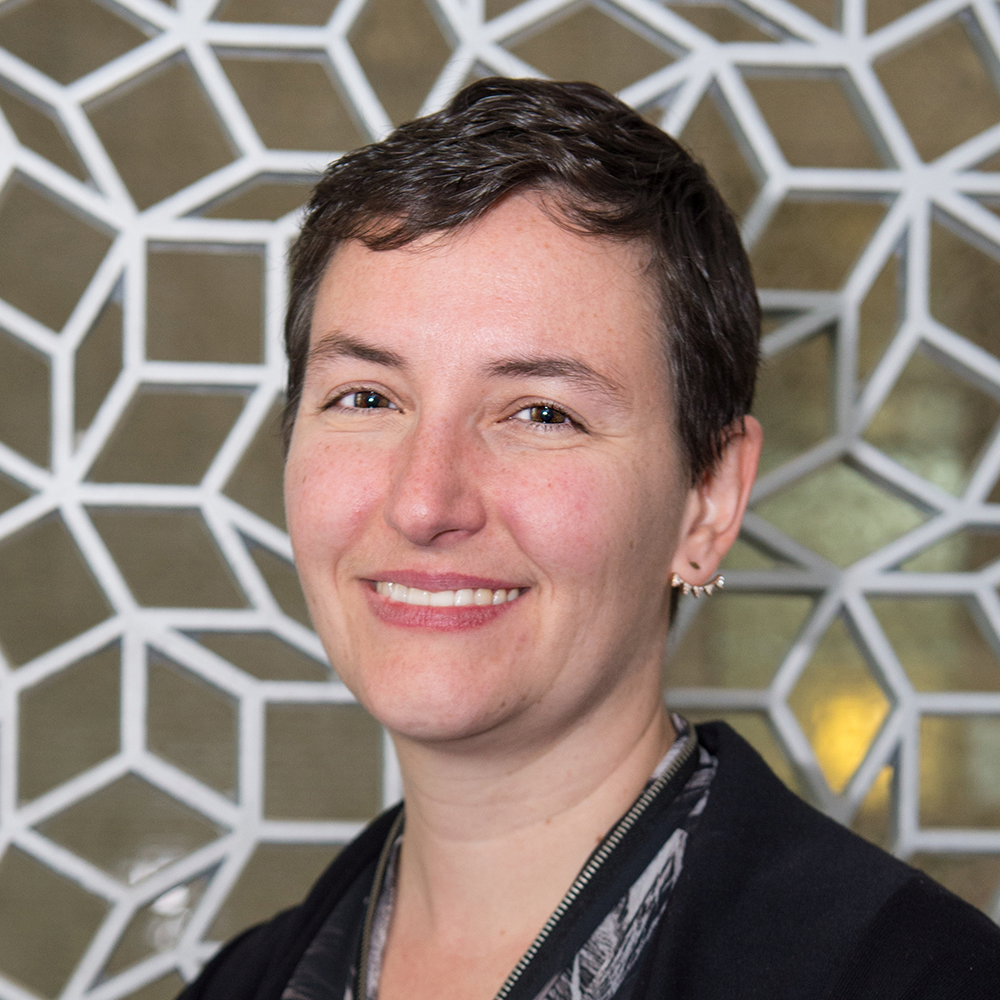
الدكتورة بوربلا مفسود
أستاذ مشارك
الدكتورة بوربلا مفسود
أستاذ مشارك
المؤهلات العلمية
PhD
MSc
الكيان
كلية العلوم الصحية والحيوية
السيرة الذاتية
Dr. Mifsud graduated in biology from Eotvos Lorand University in Budapest in 2006 and obtained her PhD from the Institute of Molecular Pathology in Vienna in 2010. Her work with Thomas Jenuwein involved the epigenetic characterisation of a histone methylation deficient mouse model. After her molecular biology training, she started bioinformatics in the laboratory of Professor Nicholas Luscombe at EMBL European Bioinformatics Institute (EBI) in Cambridge, and subsequently moved to UCL and the Crick Institute in London. In her postdoctoral work she focussed on developing methods for the analysis of Hi-C type data and finding new biological insights into transcriptional regulation, by applying these methods to Hi-C and capture Hi-C data sets. Dr. Mifsud joined the William Harvey Research Insitute in QMUL as an MRC eMedLab Career Development Fellow and Lecturer in 2015, where she used chromatin interaction data to understand the function of regulatory GWAS mutations. Dr. Mifsud has been an Assistant Professor at HBKU since July 2018.
PhD
University of Vienna, Austria
2010
MSc
Eotvos Lorand University, Hungary
2006
- Using chromatin structure information for understanding the effect of GWAS loci
- Uncovering chromatin interactions that change during development
- Identifying the important regulatory interactions in diseases such as leukaemia
MRC Career Development Fellow - Lecturer;
William Harvey Research Institute; Queen Mary University London, UK
2015 - 2018
Postdoctoral Research Fellow
University College London and the Francis Crick Instiute, London, UK
2012 - 2015
Postdoctoral Research Fellow
EBML European Bioinformatics Institute; Cambridge, UK
2010 - 2012
PhD Student
Institute of Molecular Pathology, Vienna, Austria
2006 - 2010
Diploma Student
National Centre for Epidemiology, Budapest, Hungary
2004 - 2006
Student researcher
Department of Plant Taxonomy, Eotvos Lorand University, Budapest, Hungary
2003 - 2004
Nature Genetics; 2018 Sep; doi: 10.1038/s41588-018-0205-x Evangelou E.*, Warren H.R.*, Mosen-Ansorena D.*, Mifsud B.*, Pazoki R.*, He G.*, Ntritsos G.*, Dimou N.* et al
Nature Communications; 2018 May 16;9(1):1947. Ramírez J., Duijvenboden S.V. Ntalla I., Mifsud B., Warren H.R., Tzanis E., Orini M., Tinker A., Lambiase P.D., Munroe P.B.
PLoS One; 2017 Apr 5;12(4):e0174744 Mifsud B.*, Martincorena I.*, Darbo E., Sugar R., Schoenfelder S., Fraser P., Luscombe N.M.
Nature Genetics; 2017 Mar;49(3):403-415 Warren H.R.*, Evangelou E.*, Cabrera C.P.*, Gao H.*, Ren M*., Mifsud B.*, et al
Nature Genetics; 2015 Oct;47(10):1179-86 Schoenfelder S.*, Sugar R.*, Dimond A.*, Javierre B-M.*, Armstrong H.*, Mifsud B., Dimitrova E., Tavares-Cadete F., Furlan-Magaril M., Jurkowski W., Segonds-Pichon A., Wingett S., Tabbada K., Andrews S., Herman B., LeProust E., Osborne C.S., Koseki H., Fraser P., Luscombe N.M., Elderkin S.
Nature Genetics; 2015 Jun;47(6):598-606 Mifsud B.*, Tavares-Cadete F.*, Young A. N.*, Sugar R., Schoenfelder S., Ferreira L., Wingett S. , Andrews S., Grey W., Ewels P.A., Herman B., Happe S., Higgs A., LeProust E., Follows G.A., Fraser P., Luscombe N.M., Osborne C.S.
Genome Research; 2015 Apr;25(4):582-97 Schoenfelder S.*, Furlan-Magaril M.*, Mifsud B.*, Tavares-Cadete F.*, Sugar R., Javierre B-M., Nagano T., Katsman Y., Sakthidevi M., Wingett S. W., Dimitrova E., Dimond A., Edelman L. B., Elderkin S., Tabbada K., Darbo E., Andrews S., Herman B., Higgs A., LeProust E., Osborne C.S., Mitchell J.A., Luscombe N.M., Fraser P.
2015
eMedLab Career Development fellowship; Medical Research Council; London/UK
2010
Frontiers in Functional Genomics exchange grant; European Science Foundation; Cambridge/UK
2009
Travel award; European Union Network of Excellence
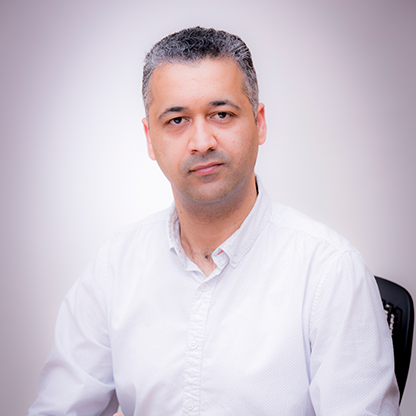
الدكتور عصام هميلة
باحث بعد الدكتوراه
المؤهلات العلمية
PhD in Biology
MSc in Biochemistry
الكيان
معهد قطر لبحوث الطب الحيوي
القسم
مركز بحوث الاضطرابات العصبية
السيرة الذاتية
Dr. Issam Hmila obtained his PhD in Biology between the Vrije Universiteit Brussel, Belgium, and the University of Tunis El Manar, Tunisia in 2010. He obtained an interuniversity diploma in advanced bioinformatics knowledge from the University-Paris Cité, France. He has also completed various courses in biostatistics, immunology, drug design, and discovery from international institutes.
His projects focus on the construction of combinatory libraries, phage display screening, and the engineering of nanobodies for immunotherapy. He was hired as an assistant professor at the Pasteur Institute in 2012, where he developed aptamers and new tools for detecting respiratory viruses of clinical importance in collaboration with the University of Minnesota, USA, and Uppsala University, Sweden.
In 2017, he joined the Neurological Disorders Research Center at Qatar Biomedical Research Institute, where he conducted his research to develop new tools for therapy against Parkinson's and Alzheimer's diseases based on nanobodies and aptamers. His work focuses on the generation of cortical neurons from induced pluripotent stem cells and the evaluation by global transcriptomic, proteomic, and integrated omics, environmental pollutants, and new drugs with potential Alzheimer's disease modulation.
PhD in Biology
University of Tunis-El Manar, Tunisia
2010
MSc in Biochemistry
University of Tunis-El Manar, Tunisia
2004
- Drug design and discovery
- Nanobody and aptamer development and engineering
- Evaluating the impact of pollutants on brain health
- Develop diagnostic and therapeutic tools
Postdoctoral Researcher
Qatar Biomedical Research Institute, Hamad bin Khalifa University
2017 - Present
Invited Scientist
College of Veterinary Medicine, University of Minnesota, United States
2014 - 2015
Assistant Professor
Institute Pasteur of Tunis, University of Tunis-El Manar, Tunisia
2012 - 2017
Postdoctoral Researcher
Institute Pasteur of Tunis, University of Tunis-El Manar, Tunisia
2010 - 2012
- First place in 2023 QBRI/HBKU research in Focus Day.
- Intern collaborative project, by Institute Pasteur of Tunis (Tunisia).
- 2013 early career MENA scientists research grant project (USA).