 قدِّم طلبك الآن
primary
دنديال رموتر
استاذ دكتور
البريد الإلكتروني
dramotar@hbku.edu.qaالهاتف
97 466 775 351موقع المكتب
C-148, 1st Floor, LAS Building
دنديال رموتر
استاذ دكتور
المؤهلات العلمية
B.Sc
M.Sc
الكيان
كلية العلوم الصحية والحيوية
B.Sc
McGill University, Montreal, Canada
1982
M.Sc
Concordia University, Montreal, Canada
1984
Ph.D
McGill University, Montreal, Canada
1989
Post-Doctoral training
Harvard University, Cambridge, MA, USA
1992
Senior Scientist
Universite de Montreal, Maisonneuve-Rosemont Hospital Research Institute.
1997-2019
Full professor
Universite de Montreal, Department of Medicine.
1997 - 2019
Assistant Professor
Laval University, Quebec, Canada.
1993 - 1996
Post-doctoral training
Harvard University, Boston, MA, USA.
1989 - 1992
Drug Metab Rev. 2019 Sep 28:1-19. doi: 10.1080/03602532.2019.1670204. PMID: 31564168.
Gene. 2018 Nov 30;677:361-369. doi: 10.1016/j.gene.2018.08.066. PMID: 30153484
Sci Rep. 2018 May 1;8(1):6860. doi: 10.1038/s41598-018-25124-1. PMID: 29717169
CUX1 stimulates APE1 enzymatic activity and increases the resistance of glioblastoma cells to the mono-alkylating agent temozolomide; Neuro Oncol. 2018 Mar 27;20(4):484-493. doi: 10.1093/neuonc/nox178. PMID: 29036362.
The human organic cation transporter OCT1 mediates high affinity uptake of the anticancer drug daunorubicin; Sci Rep. 2016 Feb 10;6:20508. doi: 10.1038/srep20508. PMID: 26861753.
DNA Repair (Amst). 2014 Oct;22:53-66. doi: 10.1016/j.dnarep.2014.07.010. Epub 2014 Aug 9. PMID: 25108836.
DNA Repair (Amst). 2012 Oct 1;11(10):811-22. doi: 10.1016/j.dnarep.2012.06.009. Epub 2012 Jul 20. PMID: 22819077.
PLoS One. 2011;6(8):e23159. doi10.1371/journal.pone.0023159. PMID: 21887235.
Biochem Biophys Res Commun. 2011 Sep 23;413(2):248-53. doi: 10.1016/j.bbrc.2011.08.079. PMID: 21884683.
J Biol Chem. 2010 Feb 26;285(9):6275-84. doi: 10.1074/jbc.M109.046151. PMID: 20037140
- 1994-1996; Junior I, Fonds de la Recherche en Sante du Quebec, Scholarship, Montreal, Canada.
- 1996-2000; Junior II, Fonds de la Recherche en Sante du Quebec, Scholarship, Montreal, Canada.
- 1996-2002; Career Scientist Award, National Cancer Institute of Canada, Toronto, Canada.
- 2002-2005; Senior Award, Fonds de la Recherche en Sante du Quebec, Montreal, Canada.
- 2010; Special Achievements Award, Toronto, Canada
- 2011; Award for excellence, Department of medicine, University of Montreal, Montreal, Canada.
- 2017; Honor lecturer, International School on Radiation Research, Annamalai University, Annamalai Nagar, Chidambaram, Tamil Nadu, India.
الدكتور أوزكان أوزتورك
أستاذ مشارك
الدكتور أوزكان أوزتورك
أستاذ مشارك
المؤهلات العلمية
Ph.D. Applied Economics
MA Applied Economics
الكيان
كلية السياسات العامة
كلية الاقتصاد والإدارة
السيرة الذاتية
Dr. Ozturk obtained his Ph.D. in Applied Economics, with a minor in Statistics, from Auburn University, following his completion of a Master of Arts in Applied Economics at Western Michigan University. He also holds an LLM in Law and Economics from Michigan State University.
Dr. Ozturk regularly teaches courses on topics such as economics for public policy, cost-benefit analysis, research methods, microeconomics, macroeconomics, statistics for social sciences, and econometrics. His research primarily focuses on international trade, economic development, and food and agriculture, showcasing a broad interest in these critical areas.
Throughout his career, Dr. Ozturk has been actively involved in numerous multidisciplinary projects of both national and international scope across Europe, North America, Turkey, and Qatar.
Ph.D. Applied Economics
Auburn University
2017
MA Applied Economics
Western Michigan University
2013
LLM -Master in Law (Law and Economics)
Michigan State University
2011
BA Business Administration
Ataturk University
2008
- Applied economics
- International trade
- Economic development
- Food and agriculture
Assistant Professor
College of Public Policy, HBKU
2019 – Present
Assistant Professor
Department of Economics, Ataturk University, Turkey
2018 - 2019
Adjunct Faculty
Department of Economics, Auburn University at Montgomery, USA
2016 – 2017
Research and Teaching Assistant
Auburn University, USA
2014 – 2016
Research Assistant
Western Michigan University, USA
2012 - 2013
Ozcan, O., Ergun, A., and Sena, G. (2023). An empirical examination of trade policy and food security in MENA countries: Evidence from quantile regressions. Glob. Bus. Econ. Rev. Inderscience. DOI:10.1504/GBER.2024.10056913
Peter Chow, Ozcan Ozturk & Henry Thompson (2023) Short-Run Adjustments in Taiwan to Free Trade in a Multisector Specific Factors Model, The International Trade Journal, 37:6, 595-607. DOI: 10.1080/08853908.2022.2090463
Logan Cochrane, Ozcan Ozturk, Hanieh Khataee, Reem Al-Hababi, Fatema Al-Malki & Hisham Nourin (2022) Fostering a reading culture: evidence from Qatar Reads, Development Studies Research, 9:1, 82-94. DOI: 10.1080/21665095.2022.2050774
Ozcan Ozturk (2020) Market integration and spatial price transmission in grain markets of Turkey, Applied Economics, 52:18, 1936-1948. DOI: 10.1080/00036846.2020.1726862
- Project Investigator, “COVID-19 Policy Tracker: MENA Government Responses to the Crisis” Funded by QNRF.
سيد علي هاشم موسوي
مهندس سوفت وير
البريد الإلكتروني
smoosavi@hbku.edu.qaالهاتف
33 176 624موقع المكتب
B137, Level 1, HBKU Research Complex
سيد علي هاشم موسوي
مهندس سوفت وير
المؤهلات العلمية
MS in Computer Science
BS in Computer Science
الكيان
معهد قطر لبحوث الحوسبة
القسم
الحوسبة الاجتماعية
السيرة الذاتية
Hashim Moosavi is a Software Engineer in the Social Computing Group working on healthcare analytics projects. Prior to joining QCRI, he worked in Sidra Medicine, where he developed several enterprise-ready web and mobile applications like "10 Moons" maternity app & "Saffara" queuing platform for the hospital. Before that, he also created several mobile and wearable apps & frameworks at IBM Research India for enterprise that utilize Watson services.
MS in Computer Science
Georgia Institute of Technology; USA
2020
BS in Computer Science
Carnegie Mellon University; USA
2014
- Healthcare
- Assistive Tech
- Mobile
- Wearables
- Augmented Reality
- Virtual Assistants
Senior Developer
Center for Medical Innovation, Software & Technology; Sidra Medicine
2017 - 2018
Software Engineer
Cognitive Education & Interactions Lab; IBM Research
2016 - 2017
Research Assistant
Electrical & Computer Engineering; Texas A&M University
2014 - 2015
A cloud-based system for real-time, remote physiological monitoring of infants; 2015 IEEE International Symposium on Signal Processing and Information Technology (ISSPIT); Source: https://ieeexplore.ieee.org/abstract/document/7394400
- 2016; Manager's Choice Award; IBM Research; India
- 2014; Outstanding Scholar Award; Carnegie Mellon University; Qatar
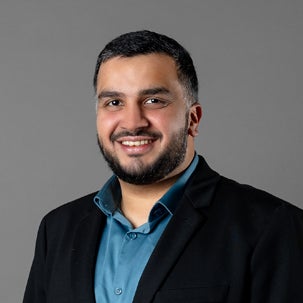
فاهيم دالفي
مهندس برمجيات
فاهيم دالفي
مهندس برمجيات
المؤهلات العلمية
Masters of Science in Computer Science
Bachelors of Science in Computer Science
الكيان
معهد قطر لبحوث الحوسبة
القسم
تقنيات اللغة العربية
السيرة الذاتية
Fahim Dalvi is a Software Engineer at QCRI. Dalvi’s research as part of the Arabic Language Technologies team is centered around the intersection of Natural Language Processing and Deep Learning, and he has worked on wide variety of problems in these fields, including machine translation, language modeling, and explainability in deep neural networks. He also spends his time converting research into practical applications, with a focus on scalable web applications, as well as mentoring and teaching deep learning at fall and summer schools.
Masters of Science in Computer Science
Stanford University; Stanford/United States of America
2016
Bachelors of Science in Computer Science
Carnegie Mellon University; Pittsburgh/United States of America
2014
- Deep Learning
- Machine Learning
- Natural Language Processing
- Explainable AI
- Machine Translation
Software Engineer
Qatar Computing Research Institute; Hamad Bin Khalifa University
2017 - Present
Research Associate
Qatar Computing Research Institute; Hamad Bin Khalifa University
2016 - 2017
Co-founder
Problemia
2015 - 2016
3D Content Creator
Williams F1
2012 - 2012
Identifying And Controlling Important Neurons In Neural Machine Translation; Seventh International Conference on Learning Representations (ICLR)
What Is One Grain of Sand in the Desert? Analyzing Individual Neurons in Deep NLP Models; The Thirty-Third AAAI Conference on Artificial Intelligence (AAAI-19)
NeuroX: A Toolkit for Analyzing Individual Neurons in Neural Networks; The Thirty-Third AAAI Conference on Artificial Intelligence (AAAI-19)
Incremental Decoding and Training Methods for Simultaneous Translation in Neural Machine Translation; The 16th Annual Conference of the North American Chapter of the Association for Computational Linguistics (NAACL)
Qlusty: Quick and Dirty Generation of Event Videos from Written Media Coverage. NewsIR@ ECIR, 2079, 27-32.
Understanding and Improving Morphological Learning in the Neural Machine Translation Decoder; 8th International Joint Conference on Natural Language Processing (IJCNLP)
Evaluating Layers of Representation in Neural Machine Translation on Part-of-Speech and Semantic Tagging Tasks. In Proceedings of the Eighth International Joint Conference on Natural Language Processing
Neural Machine Translation Training in a Multi-Domain Scenario. In Proceedings of the 14th International Workshop on Spoken Language Translation.
Challenging Language-Dependent Segmentation for Arabic: An Application to Machine Translation and Part-of-Speech Tagging. In Proceedings of the 55th Annual Meeting of the Association for Computational Linguistics.
What do Neural Machine Translation Models Learn about Morphology?; 55th Annual Meeting of the Association for Computational Linguistics (ACL)
QCRI Live Speech Translation System. EACL 2017, 61.
QCRI@ DSL 2016: Spoken Arabic Dialect Identification Using Textual. VarDial 3, 221.
QCRI's Machine Translation Systems for IWSLT'16. In Proceedings of the 13th International Workshop on Spoken Language Translation.
- 2017; Best Audience Experience; BBC NewsHack; London/UK
- 2016; Best Arabic machine translation system; IWSLT; Seattle/USA
- 2015; Best MYO hack; Hack Overflow; Stanford/USA
- 2014; Hamad Bin Khalifa University President's Award; HBKU; Doha/Qatar
- 2014; Outstanding Academic Achievement; Carnegie Mellon University; Doha/Qatar
- 2014; Senior Student Leadership Award; Carnegie Mellon University; Doha/Qatar
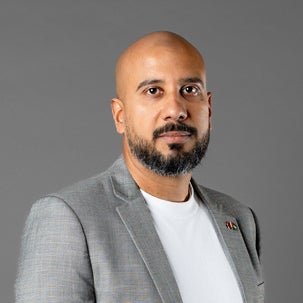
مصعب حسيني
مهندس سوفت وير أول
مصعب حسيني
مهندس سوفت وير أول
المؤهلات العلمية
Master of Science in Computer Science
Bachelor of Computer Engineering
الكيان
معهد قطر لبحوث الحوسبة
السيرة الذاتية
Mus'ab Husaini is a Senior Software Engineer at Qatar Computing Research Institute (QCRI), with over 10 years’ industry experience in the design, architecture, and development of large and small-scale software projects. He is particularly interested in designing front-end applications and developing microservice-based architecture. His work in the industry has involved legal, healthcare, cybersecurity, and social media software systems.
Master of Science in Computer Science
Sabanci University; Istanbul/Turkey
2013
Bachelor of Computer Engineering
University of Minnesota; Minneapolis/USA
2004 - 2007
- Frontend Application Design
- Software Architecture
- Microservice-based Systems
Senior Software Engineer
QCRI
2018 - Present
Software Development Consultant
Surge IT Services
2018 - 2018
Senior Software Engineer
Starkey Hearing Technologies
2014 - 2018
Software Engineer
P.I. Works
2014 - 2014
Research Assistant
Sabanci University
2011 - 2013
Software Engineer
Thomson Reuters
2008 - 2011
Software Test Engineer
Thomson Reuters
2007 - 2008
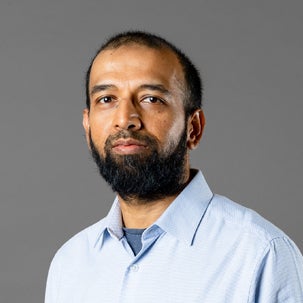
امار عباس
مهندس برمجيات أول
امار عباس
مهندس برمجيات أول
المؤهلات العلمية
Masters in Computer Science and Engineering
Bachelors in Computer Science and Engineering
الكيان
معهد قطر لبحوث الحوسبة
السيرة الذاتية
Ummar Abbas is a Senior Software Engineer at the Qatar Computing Research Institute (QCRI), with more than 15 years of experience in areas of software development, architecture and management. His particular interest lies in scientific research-oriented software development: machine/system control, algorithms, image processing and other software supporting high end machines such as healthcare modalities and microscopes. Most of his experience is derived from software development and leadership roles related to life-sciences and healthcare modalities. In the past four years, Abbas has developed a keen interest in the area of data science: deep learning and machine learning. He has since been engaged in this field either at work or through extra-curricular projects.
Masters in Computer Science and Engineering
Technical University Eindhoven, The Netherlands
2006
Bachelors in Computer Science and Engineering
Bangalore Institute of Technology India
2001
- Data Science
- Deep learning and machine learning
- Healthcare
- AI
- Image Processing
Senior Software Engineer/SW Engineering Team Manager
Qatar Computing Research Institute. Doha, Qatar.
2018 - Present
Project Leader / Senior Research Engineer
Siemens Healthineers Corporate Research. Doha, Qatar.
2015 - 2018
Senior Software Architect
FEI Company BV. Eindhoven, The Netherlands.
2014 - 2015
Software Architect
FEI Company BV. Eindhoven, The Netherlands.
2009 - 2015
Senior Software Designer
FEI Company BV. Eindhoven, The Netherlands.
2007 - 2009
Software Engineer
Philips Medical Systems BV. Best, The Netherlands.
2007 - 2009
Software Engineer
Philips Software Center. Bangalore, India.
2001 - 2002
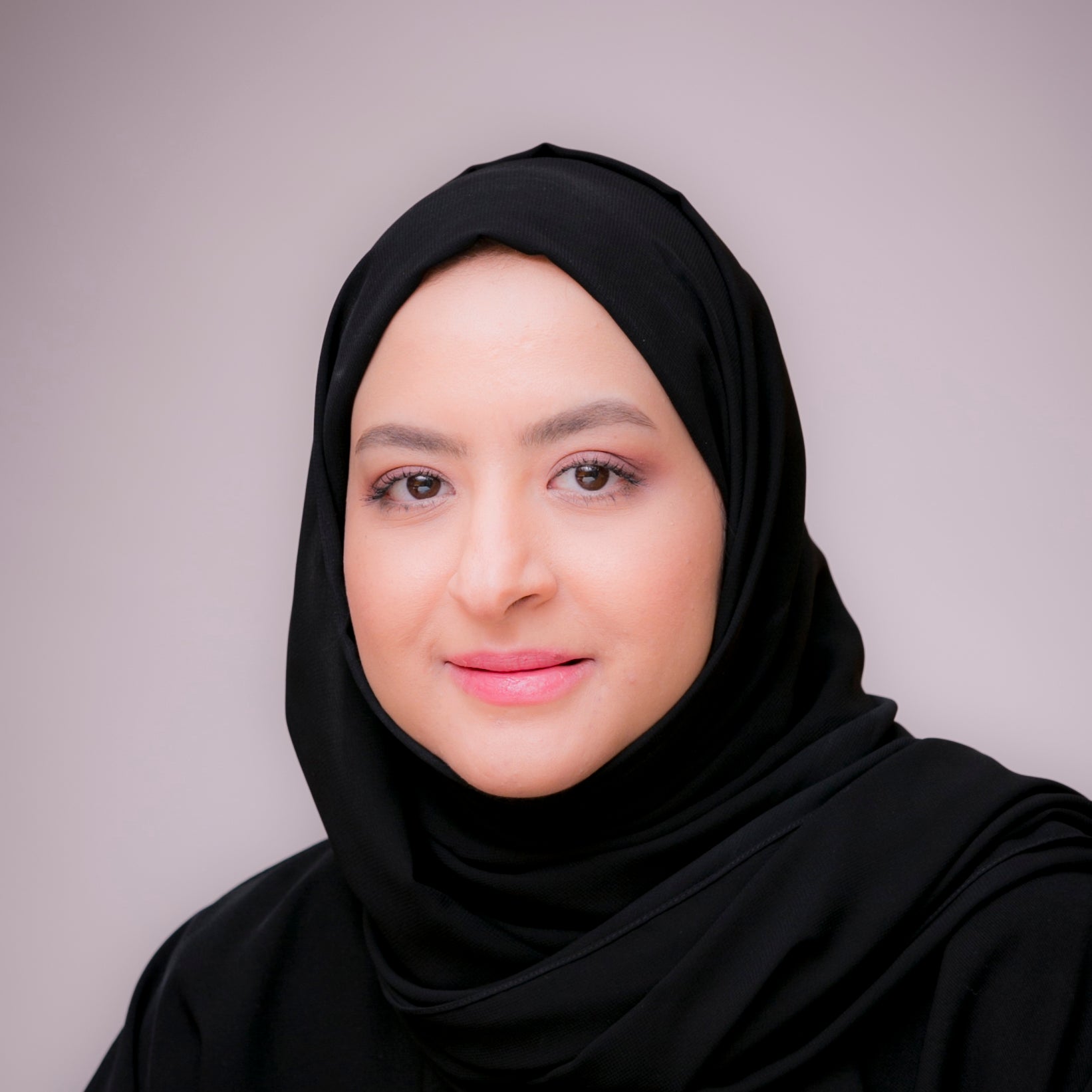
الدكتورة هبة الصديقي
عالم
الكيان
معهد قطر لبحوث الطب الحيوي
القسم
مركز بحث السكري
السيرة الذاتية
Dr. Heba H. Al-Siddiqi graduated from Cardiff University, UK in 2008 with a bachelor’s degree in biomedical sciences. She joined Qatar Research Leadership Programme (QRLP) in 2009. She trained at Harvard Stem Cell Institute and Department of Stem Cell and Regenerative Biology, Boston (2010-2012). Dr. Al-Siddiqi received her Doctor of Philosophy (DPhil) from the University of Oxford in 2018. Her project focused on studying the metabolism of stem cells (human induced-pluripotent stem cells) and their differentiated cardiomyocytes. Her research highlighted the importance of metabolic maturation in directed cardiac differentiation to generate an “adult-like” hiPSCs-derived cardiomyocytes.
Dr. Al-Siddiqi has joined QBRI in 2018 as a Scientist at the Diabetes Research Center. Dr. Al-Siddiqi’s current research focus is on stem cells and pancreatic cell differentiation and maturation.
Chaning metabolism in differentiating cardiac progenitor cells – Can stem cells become metabolically flexible cardiomyocytes? Frontiers in Cardiovascular Medicine
Programming human pluripotent stem cells into white and brown adipocytes. Nature Cell Biology (* Co-first author).
The Effect of Oleic Acid and a PPAR-α agonist on Beating human inducible Pluripotent Stem Cell-derived Cardiomyocytes. BHF CRE Oxford Annual Research Symposium, September 19th, 2016. Oxford, UK.
Human Inducible-pluripotent stem cells as an in vitro model for human cardiomyocytes to study maturation and metabolism. Sherrington Poster Day, October 23rd 2014. Oxford, UK.
Programming human pluripotent stem cells into white and brown adipocytes, Qatar International Conference on Stem Cells Science and Policy, February 27- March 1, 2012, Doha, Qatar.
Undifferentiated iPS Cells Do Not Regenerate Functional Lung Tissue When Seeded on Native Lung Extracellular Matrix under Biomimetic Culture Conditions. Qatar Foundation Annual Research Forum, November 20-22, 2011, Doha, Qatar.
Native Lung Extracellular Matrix Scaffolds and Biomimetic Culture Conditions Alone Do Not Induce Lung Tissue Formation from Pluripotent iPS cells. Society for Laboratory Automation and Screening (SLAS) for Screening Stem Cells 2011: From Reprogramming to Regenerative Medicine, September 26-27, 2011, Boston, MA, USA.
Differentiation of Adipocytes from human-Inducible Pluripotent Cells. Qatar Foundation Annual Research Forum, December 12-13, 2010, Doha, Qatar.
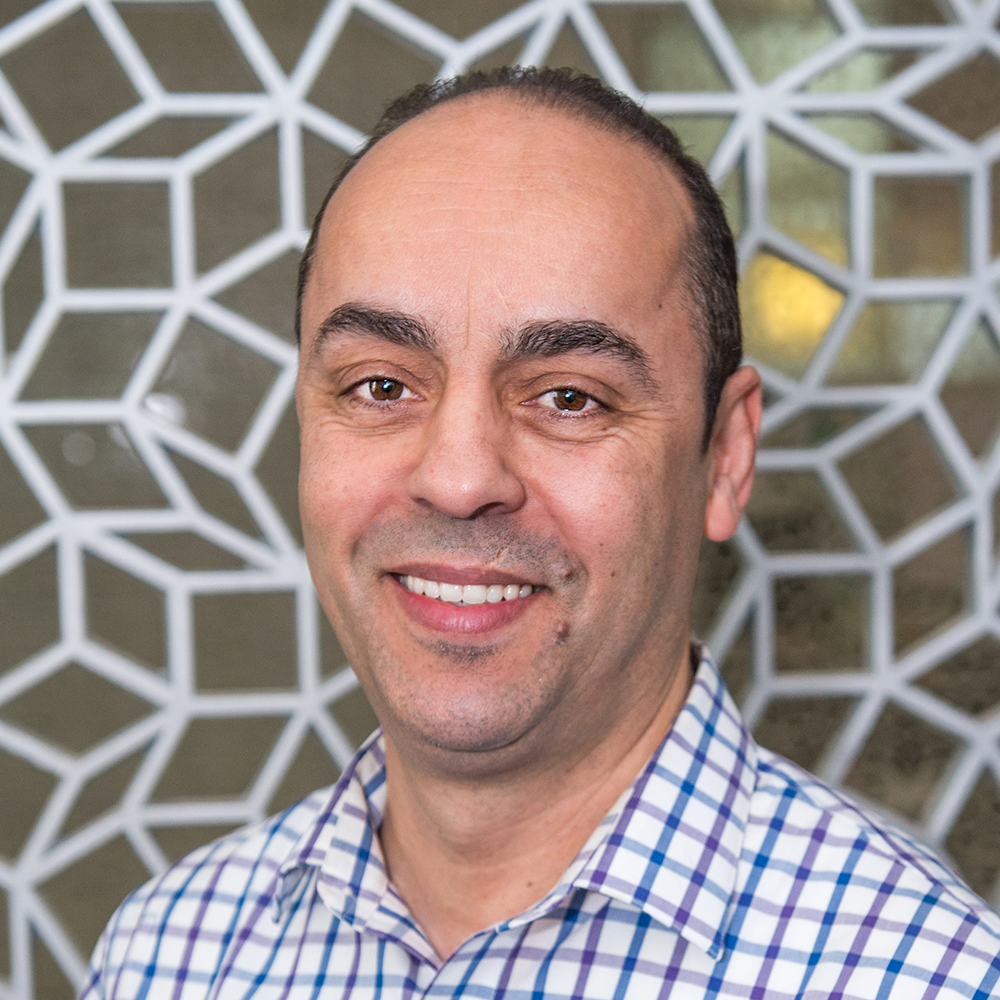
الدكتور محمد آيت طالب
عالم وباحث
الدكتور محمد آيت طالب
عالم وباحث
المؤهلات العلمية
PhD in Biochemistry
الكيان
كلية العلوم الصحية والحيوية
السيرة الذاتية
Dr. Aittaleb received his PhD in Biochemistry from the University of Liege in Belgium. His dissertation was on “molecular and structural adaptations to low temperatures of psychrophilic enzymes”.
As postdoctoral fellow at Florida State University’s Institute of Molecular Biophysics, he solved the crystal structure of tRNA methylation complex and demonstrated how snoRNA assemble into snoRNP to guide specific pre-tRNA methylation.
From 2004 to 2015, Dr. Aittaleb held different positions at the University of Michigan. As Howard Hughes Medical Institute Research Associate, he applied the biomolecular fluorescent complementation (BiFC) approach to investigate histone ubiquitylation and the role of poly-glutamine ataxin-3 in neurodegenerative Ataxia disease. Then, he worked as Senior Research Scientist at the Life Sciences Institute and Department of Pharmacology, where he studied the structure and spatiotemporal dynamics of G-protein regulated RhoGEFs. He then worked, as Research Investigator at Department of Molecular, Cellular and Developmental Biology, on the regulation and trafficking of postsynaptic scaffold proteins at the neuromuscular junction.
In 2015, Dr. Aittaleb moved to University of Cincinnati’s Vontz Institute and Brain Tumor Center as Senior Scientist. He was investigating Drug resistance to EGFR therapy and survival pathways of circulating tumor cells (CTCs) in the blood of glioblastoma metastatic patients.
PhD in Biochemistry
University of Liege, Liege, Belgium.
2000
Research Scientist
College of Health and Life Sciences - Hamad Bin Khalifa University
2018 - Present
Sr. Scientist
The Vontz Institute and Brain Tumor Center, Division of Hematology-Oncology, University of Cincinnati.
2015 - 2017
Research Investigator
Department of Molecular, Cellular, and developmental Biology, University of Michigan.
2011 - 2015
Sr. Postdoc fellow
Life Sciences and department of Pharmacology, University of Michigan.
2006 - 2011
HHMI Research Associate
HHMI and department of Biological Chemistry, University of Michigan.
2004 - 2006
Postdoc fellow
Kasha Laboratory and Institute of Molecular Biophysics, Florida State University
2000 - 2004
“Genetic Mutations Associated with Lung Cancer Metastasis to the Brain”. Mutagenesis 2018 April 13; 33(2): 137-145
“Spatial distribution and molecular dynamics of dystrophin glycoprotein components at the neuromuscular junctions in vivo”. J. Cell Sc. 2017 March 15; 130(10): 1752-59
“Failure of lysosome clustering and positioning in the juxtanuclear region in cells deficient in rapsyn”. J. Cell. Sci. 2015 Oct 15; 128(20):3744-56.
“A role for the CaM-kinase II related anchoring protein alpha-Kap in maintaining the stability of Nicotinic Acetylcholine Receptor” J. Neurosci. 2012 Apr 11; 32 (15): 5177-85
“Constitutive Plasma Membrane Association of p63RhoGEF is mediated by palmitoylation and required for basal activity in cells” J. Biol. Chem. 2011 Sep 30; 286(39): 34448-56
“Structure and Function of Heterotrimeric G protein-regulated Rho Guanine Nucleotide Exchange Factors” Mol. Pharmacol. 2010 Feb;77(2):111-25. (Figure 1 from this article has been selected for the cover of this issue).
“A Conserved Hydrophobic Surface of the LARG Pleckstrin Homology Domain is Critical for RhoA Activation in Cells”. Cell Signal. 2009 Nov; 21(11):1569-78. (This article has been selected by Faculty of 1000).
“Structural and Thermodynamic Evidence for a Stabilizing Role of Nop5p in S-adenosyl-L-methionine Binding to Fibrillarin” J. Biol. Chem. 2004 Oct 1; 79(40): 41822-9
“Functional Requirement for Symmetric Assembly of Archaeal Box C/D Small Ribonucleoprotein Particles” J. Mol. Biol. 2003 Oct 17; 333(2): 295-306
“Structure and Function of Archaeal Box C/D sRNP Core Proteins”. Nat. Struct. Biol. 2003 Apr; 0(4):256-63 (This article has been previewed in Nat. Struct. Biol. 2003 Apr; 10(4): 237-9)
- Recovery Act supplemental NIH grant in collaboration with Dr. John Tesmer at University of Michigan and Dr. Bary Willardson at Brigham Young University. Ann Arbor, MI, USA.
- University of Liege doctoral training fellowship, Liege, Belgium.
- Moroccan Education Ministry fellowship for graduate studies abroad. Liege, Belgium
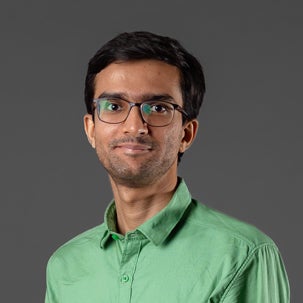
معصومالي جعفر فاتيحكيا
باحث مساعد
المؤهلات العلمية
BA in Operations Research
الكيان
معهد قطر لبحوث الحوسبة
القسم
الحوسبة الاجتماعية
السيرة الذاتية
Masoomali Fatehkia is a research assistant at Qatar Computing Research Institute (QCRI). He has contributed to multiple projects, most notably post-training efforts for the Fanar Arabic LLM, as well as research on the broad area of data for development, where he has collaborated with humanitarian organizations on using social media advertising data for estimating socio-economic development indicators.
BA in Operations Research
Princeton University
2018
- Computational social science
- AI for social good
- Cultural alignment for LLMs
- LLM safety and alignment
Research assistant
Qatar Computing Research Institute, Hamad Bin Khalifa University
2018 - present
Complete Publication Listing(s): Google Scholar
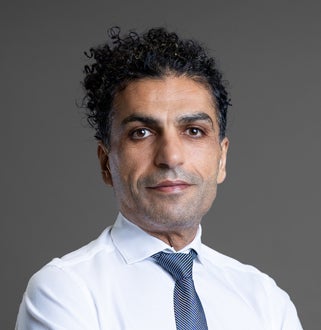
الدكتور علي غريّب
أستاذ
المؤهلات العلمية
PhD in Electrical and Computer Engineering
MS in Electrical and Computer Engineering
الكيان
كلية العلوم والهندسة
السيرة الذاتية
Dr. Ali Ghrayeb is a professor at the College of Science and Engineering. He received his PhD in Electrical Engineering from the University of Arizona, Tucson, AZ, USA. Prior to his current position at Hamad Bin Khalifa University, he was a Professor of electrical engineering at Texas A&M University in Qatar. He has also served as a Professor in the Electrical and Computer Engineering Department at Concordia University, Montreal, QC, Canada.
He has co-authored two books and published over 300 journal and conference papers. His research interests include wireless and mobile communications, visible light communications, smart grid, security, artificial intelligence, and machine learning. He served as an Instructor and co-instructor in many technical tutorials at several major IEEE conferences. He also served as the Executive Chair of the 2016 IEEE WCNC Conference.
Dr. Ali Ghrayeb is also a member of the IEEE ComSoc Conferences Council, the IEEE GITC Committee, and the IEEE WCNC Steering Committee. He served in different editorial capacities on a number of IEEE transactions journals. He currently serves on the IEEE ComSoc Awards Committee. He co-chairs the IEEE PIMRC 2025 conference. He is also a Fellow of the IEEE.
PhD in Electrical and Computer Engineering
University of Arizona, United States
2000
MS in Electrical and Computer Engineering
New Mexico State University, United States
1996
BS in Electrical Engineering
University of Jordan, Jordan
1994
- Wireless communications
- Smart grid
- Security
- Artificial Intelligence
- Machine Learning
Professor
College of Science and Engineering, Hamad Bin Khalifa University
2024 - Present
Professor
Electrical Engineering, Texas A&M University at Qatar
2012 - 2024
Professor
Electrical and Computer Engineering, Concordia University, Canada
2002 - 2012
Arfaoui, M.-A., Ghrayeb, A., Assi, C., & Qaraqe, M. (2024). Deep learning-based proactive optimization for mobile LiFi systems with channel aging. IEEE Transactions on Communications, 72(6), 3543–3557.
Kameli, S. M., Refaat, S. S., Abu-Rub, H., Darwish, A., Ghrayeb, A., & Olesz, M. (2024). Ultra-wideband Vivaldi antenna with an integrated noise-rejecting parasitic notch filter for online partial discharge detection. IEEE Transactions on Instrumentation and Measurement, 73(1).
Arfaoui, M. A., Soltani, M. D., Tavakkolnia, I., Ghrayeb, A., Haas, H., Safari, M., & Assi, C. (2021). Measurements-based channel models for indoor LiFi systems. IEEE Transactions on Wireless Communications, 20(2), 827–842.
Di Renzo, M., Haas, H., Ghrayeb, A., Sugiura, S., & Hanzo, L. (2014). Spatial modulation for generalized MIMO: Challenges, opportunities, and implementation. Proceedings of the IEEE, 102(1), 56–103.
Jeganathan, J., Ghrayeb, A., Szczecinski, L., & Ceron, A. (2009). Space shift keying modulation for MIMO channels. IEEE Transactions on Wireless Communications, 8(7), 3692–3703.
IEEE Fellow (class of 2019), for contributions to modulation design and implementation of multiple antenna wireless systems