
 Apply Now
Overview
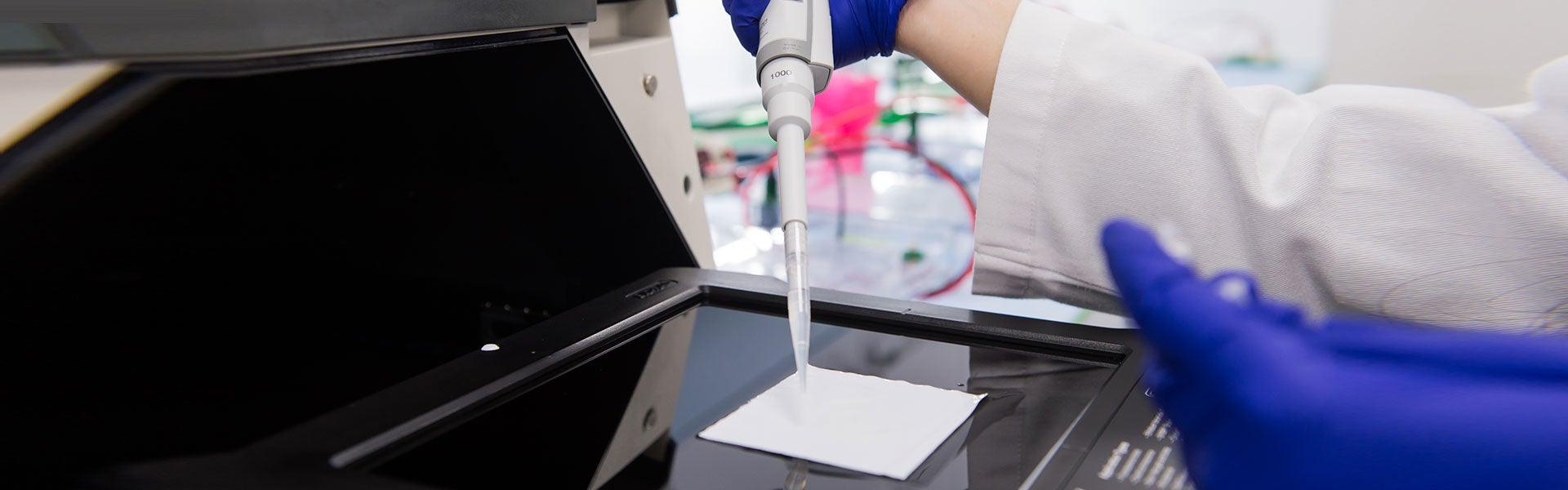
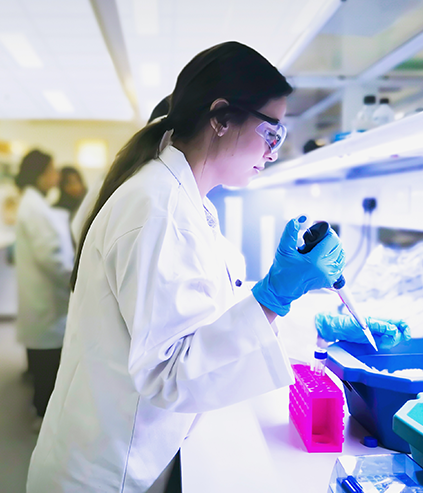
The College of Health and Life Sciences (CHLS) embodies a multidisciplinary learning approach to research and aims to become a dedicated hub of knowledge sharing in the area of health and life sciences.
The research at the college emphasizes the fields of biomedical sciences, genomics, precision medicine, and exercise science. A major focus is the creation of multidisciplinary teams, allowing the college to attract the necessary resources to maintain and build the technologies required to support its research goals.
Research Projects
Lead Principal Investigator (LPI)
Dr. Omar Khan
Assistant Professor
Sponsor
QNRF
Project ID
NPRP13S-0121-200130
Total Funding
$420,000 for four years.
Qatar is experiencing an unprecedented increase in the number of cancer patients with colorectal cancer (CRC) being the second most diagnosed. Incidentally, it is the leading cause of cancer-related deaths worldwide and there is a greater risk that this might soon be true in Qatar. Two major challenges in colorectal cancer treatment are chemotherapy resistance and the lack of personalized medicine targets. Differences in patients’ genetic background and intra-tumor heterogeneity often yield a poor response to conventional chemotherapy, leading to disease relapse with acquired resistance and metastasis. Thus, there is an urgent need to identify molecular targets of prognostic and therapeutic value that cannot only predict chemotherapy outcome but ideally when inhibited could provide maximum synergy to chemotherapy. The goal of the proposed work is to characterize one such precision medicine target in colorectal cancer.
During this project, the team will perform a comprehensive functional and biological characterization of an anti-cancer target protein NRF7 in the mammalian intestine and CRC. The research will employ 3D mini-gut culture, genetically engineered fruit fly models, and CRISPR/Cas9 based genome editing as state-of-the-art to achieve the goals desired. The preliminary data strongly suggests that inhibiting NRF7 will block CRC and sensitize it to chemotherapy. Additionally, the team will explore the possibility of using NRF7 as a prognostic marker whose levels might predict whether a patient will or will not respond to Taxol therapy.
Lead Principal Investigator (LPI)
Dr. Omar Khan
Assistant Professor
Sponsor
QNRF
Project ID
HSREP03-1231-20003
Total Funding
QAR 30,000 to 60,000 for one year.
Protein aggregation is a process where misfolded proteins aggregate to form insoluble complexes.
These aggregates are marked for proteasomal degradation and clearance from the cell by the ubiquitin-proteasome pathway. Inefficient clearing of the aggregated proteins may lead to deleterious cellular outcomes. Indeed, protein aggregation is a hallmark of several neurodegenerative disorders including Alzheimer’s disease, Parkinson’s disease, and Prion diseases. Whether protein aggregation plays a role in the pathophysiology of cancer is not well established. A recent report suggested that tumor suppressor (TP53) mutations may lead to aggregation of TP53 oligomers and chemotherapy resistance in neuroblastoma. The team’s recent in vitro data suggests that FBW7 - an important tumor suppressor - may undergo aggregation upon self-ubiquitylation. Whether the FBW7 protein aggregation contributes to cancer is not known. This project will study the protein aggregation properties of tumor suppressor FBW7 and test the possibility of whether FBW7 protein is aggregated in human cancers.
Lead Principal Investigator (LPI)

Dr. Johan Ericsson
Associate Professor
Sponsor
QNRF
Project ID
NPRP13S-0127-200178
Total Funding
$559,464 for four years.
Disturbances in lipid metabolism are at the core of several major health issues facing modern society, including cardiovascular disease (CVD), obesity, and type 2 diabetes (T2D). CVD is the leading cause of death from non-communicable diseases in Qatar and the incidence of heart attacks as well as strokes among young Qataris is one of the highest in the world. According to the Qatar Biobank (QBB), the prevalence of obesity and T2D in Qatar is very high, with an estimated 40% and 20% of the population being obese and/or diabetic, respectively. Thus, Qatar is facing a cardiometabolic health crisis, with wide-ranging health, social and economic consequences. The current proposal aims to explore and validate new therapeutic targets using human cell models relevant to cardiometabolic disease. These model systems will be generated from human stem cells in collaboration with a team at QBRI.
The team recently completed several molecular screens, including yeast-two-hybrid and siRNA/shRNA screens, to identify novel regulators of lipid metabolism. For example, they have performed siRNA screens targeting protein kinases, protein phosphatases, and factors involved in protein degradation. The purpose of the current work is to validate the most interesting genes and proteins identified in these screens and determine how they control lipid metabolism. In order to complete this, the corresponding genes will either be overexpressed or inactivated in the human cell models described above. The team will also use CRISPR/Cas9 gene editing to establish knock-out cell models for the most promising hits in the screens. Taken together, these experiments will form the basis for the team’s efforts to determine if any of the genes/proteins identified in the screens could be considered as potential drug targets.
Lead Principal Investigator (LPI)
Dr. Nady El Hajj
Assistant Professor
Sponsor
QNRF
Project ID
NPRP13S-0113-200050
Total Funding
$590,572.00 for four years
Gestational diabetes is becoming a major health problem globally where it poses an increased risk of pre-and postnatal complications in both the mother and the fetus. Currently, gestational diabetes mellitus (GDM) diagnosis is performed late during the second trimester (24-28 weeks of gestation) using an Oral Glucose Tolerance Test (OGTT). Nevertheless, late diagnosis leads to reduced treatment efficacy and increased complications despite therapy. Accurate approaches for early diagnosis are still lacking, therefore research in this direction is urgently needed. To identify suitable methods for early GDM prediction, the team will perform the first large-scale genome-wide DNA methylation screening in pregnant women before and after GDM onset. The data will be used to identify differentially methylated regions (DMRs), which will enable the development of methylation risk scores and machine learning models for early GDM prediction. Samples collected at the Women's Wellness and Research Center (WWRC) of Hamad Medical Corporation (HMC), will be used to perform DNA methylation screening to test for the validity and accuracy of the models using the Qatar Birth Cohort Study (QbiC). Considering the high rates of gestational diabetes, such discoveries will be highly valuable to the health and well-being of women and children in Qatar.
Lead Principal Investigator (LPI)
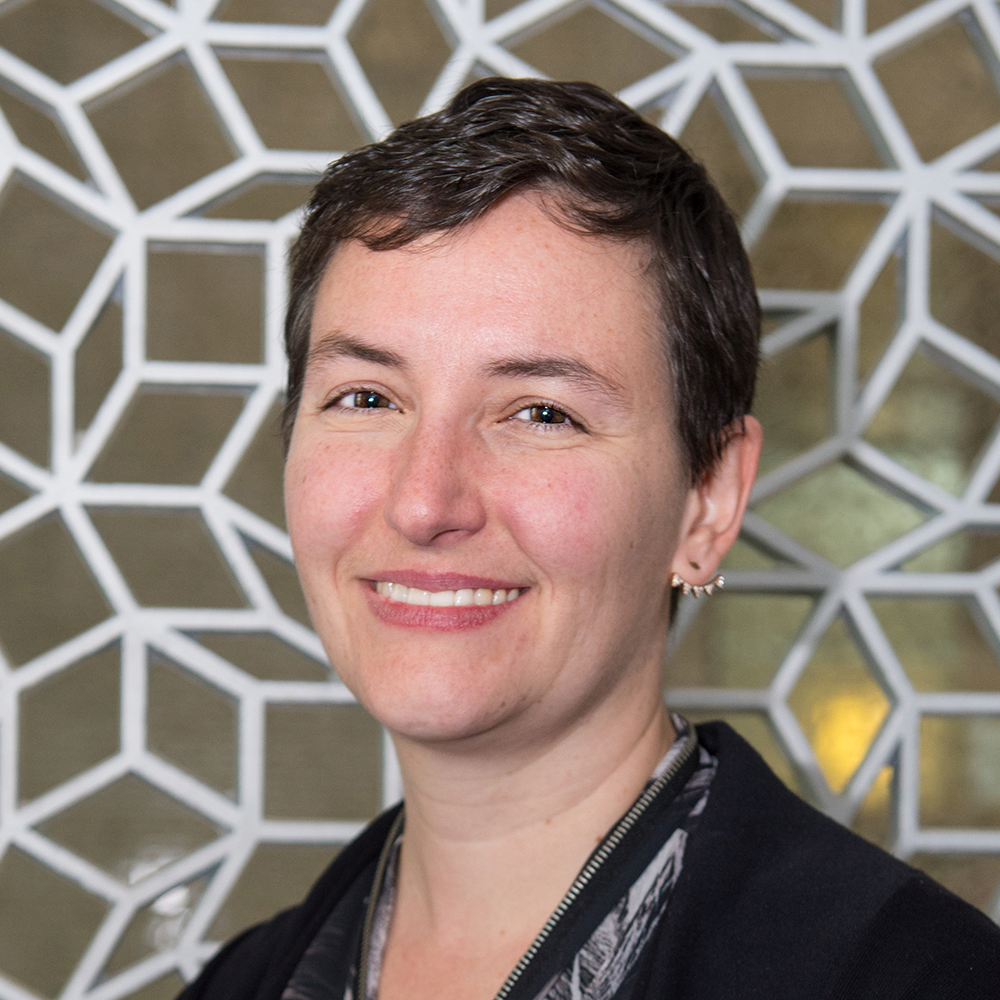
Dr. Borbala Mifsud
Assistant Professor
Sponsor
QNRF
Project ID
PPM 04-0312-200037
Total Funding
$445,911 for four years.
Autoimmune diseases are on the rise globally, and the largest increase is observed in highly developed countries. They contribute significantly to morbidity and mortality, posing a substantial burden on health care systems worldwide. Tumor necrosis factor-alpha (TNF) is a central pro-inflammatory cytokine whose upregulation plays an important role in the pathogenesis of many autoimmune diseases. TNF inhibitors (TNFi) are therefore widely used for a range of autoimmune conditions such as rheumatoid arthritis and Crohn's disease. However, response to treatment is variable among patients and up to 40% of patients do not improve with TNF inhibitor therapy. There are very few pharmacogenomics genome-wide association studies that could delineate clear links between genetic variants and treatment outcome, and these studies are especially lacking in Arab populations. The team will establish a genetic correlation with response to treatment by recruiting patients with inflammatory arthritis and inflammatory bowel diseases and performing exome-wide association studies for the efficacy of TNF inhibitors. Furthermore, the team will assess the prevalence of both newly identified response-associated variants and those found in TNFi-response candidate genes in genomes sequenced by the Qatar Genome Programme, to understand the extent of their impact in the local population. Additionally, since autoimmune diseases are thought to be greatly influenced by the environment, the team hypothesizes that some of the variability is mediated by epigenetic factors, and they will perform an epigenome-wide association study to investigate the effect of differential DNA methylation on TNF inhibitor-response. Finally, they will validate the effect of variants on the functioning of the TNF signaling cascade in humanized C. elegans.
Lead Principal Investigator (LPI)
Dr. Borbala Mifsud
Assistant Professor
Sponsor
QNRF
Project ID
NPRP13S-0116-200088
Total Funding
$597,375 for three years.
Leukemia is the most common pediatric cancer in Qatar. Similar to global statistics, it accounts for over 40% of new pediatric cancer cases, therefore it is a national priority to better understand leukemia and develop new methods that aid patient stratification and prognosis.
Most pediatric leukemia patients respond well to current treatment regimes, for example, Acute Lymphocytic Leukemia (ALL) has close to a 90% five-year overall survival rate. In contrast, Acute Myeloid Leukemia (AML) has a higher relapse rate and much lower (~65%) overall survival rate. It is difficult to predict which patients will relapse because there are only a few recurrent mutations that are associated with poorer prognosis (e.g. FLT3, WT1). Furthermore, in pediatric cancers, it is equally important to identify patients with a good prognosis to avoid overtreatment. In order to achieve remission, all AML patients currently receive high doses of chemotherapeutic drugs, such as daunorubicin and cytarabine, which have considerable long-term adverse effects, thereby reducing the quality of life and increasing morbidity and mortality. Better patient stratification is needed to achieve risk-directed optimal intensity and a combination of therapy.
Here the team focuses on AML to investigate what causes 35-40% of pediatric AML cases to relapse conferring poor outcomes.
This project employs a multi-omics approach to elucidate how somatic mutations and long-range regulatory interactions contribute to relapse in pediatric AML patients carrying distinct chromosomal rearrangements. They will access patient samples from the pediatric AML ‘MyeChild’ drug trial in the UK and from the pediatric oncology unit in Sidra. The team will explore whether transcriptional and long-range regulatory interaction patterns discriminate against pediatric AML subtypes, and if the regulatory landscape differs in children compared to adults. They will also examine the changes in gene expression regulation and the regulatory elements involved in disease progression. The team will explore whether the use of next-generation artificial intelligence methods could predict whether the patient is likely to relapse.
Lead Principal Investigator (LPI)
Dr. Borbala Mifsud
Assistant Professor
Sponsor
HBKU-VPRO
Project ID
VPR-TG01-004
Total Funding
QAR 400,000 for two years.
Autism spectrum disorders (ASD) are highly heterogeneous neurodevelopmental disorders that are clinically characterized by the manifestation of distinct behavioral, communication, and social deficits. Genomic analyses of ASD families has led to the identification of several autism-associated genes, however, it is likely that several hundreds of genes are involved in the complex ASD etiology. It is therefore important to identify further variants and genes that contribute to the development of ASD.
Here, the proposed research aims to to define autism-associated neuronal enhancers using two approaches. Firstly, the team will use publicly available data from large whole-genome sequencing projects of autism families to find enhancers that harbor an excess number of de novo variants in ASD probands. Secondly, they will use Omni-C to investigate long-range regulatory interactions present in cortical neurons differentiated from patient-derived iPSC and identify enhancer elements that show allele-specific interactions in these cells. Subsequently, they will use these long-range regulatory interaction maps to determine the autism-associated enhancers’ target genes. Novel candidate genes will be functionally characterized in Drosophila by knocking them down in the CNS of the embryo and subjecting the young flies to ASD-relevant behavioral assays, assessing habituation, social interaction, and feeding.
Lead Principal Investigator (LPI)
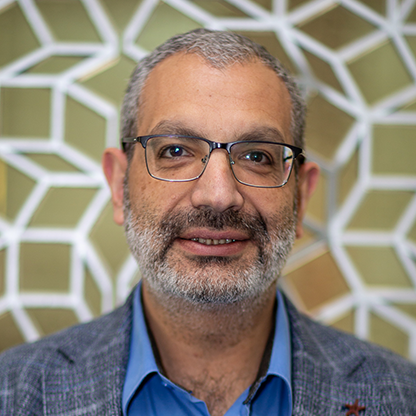
Dr. Georges Nemer
Professor
Sponsor
PFIZER
Total Funding
$50,000 for one year.
Atopic dermatitis is a chronic disease that requires consistent follow-up in order to optimize patient education and management. The prevalence of eczema in the Lebanese pediatric population ranges from 11-12.8%, mirroring pediatric prevalence elsewhere in the Middle East and Gulf regions. The chronicity and prevalence of atopic dermatitis is “fertile ground” for the adoption of telemedicine in atopic dermatitis treatment. To lend credence to the potential of telemedicine in atopic dermatitis, it was found that a remote online consultation model provided equivalent improvement in atopic dermatitis scores, such as POEM and IGA scores, to in-person care.
To address the lack of atopic dermatitis research and the present distrust in physician attitude in telemedicine and to provide patients with atopic dermatitis care that transcends geographical borders, the project will propose the creation of an atopic dermatitis-dedicated multi-purpose telemedicine app with a structured user-friendly interface for both patients and physicians. This app will allow remote consultations to take place all the while educating both physicians and patients about atopic dermatitis and contributing to the formation of a national registry for atopic dermatitis research.
Lead Principal Investigator (LPI)
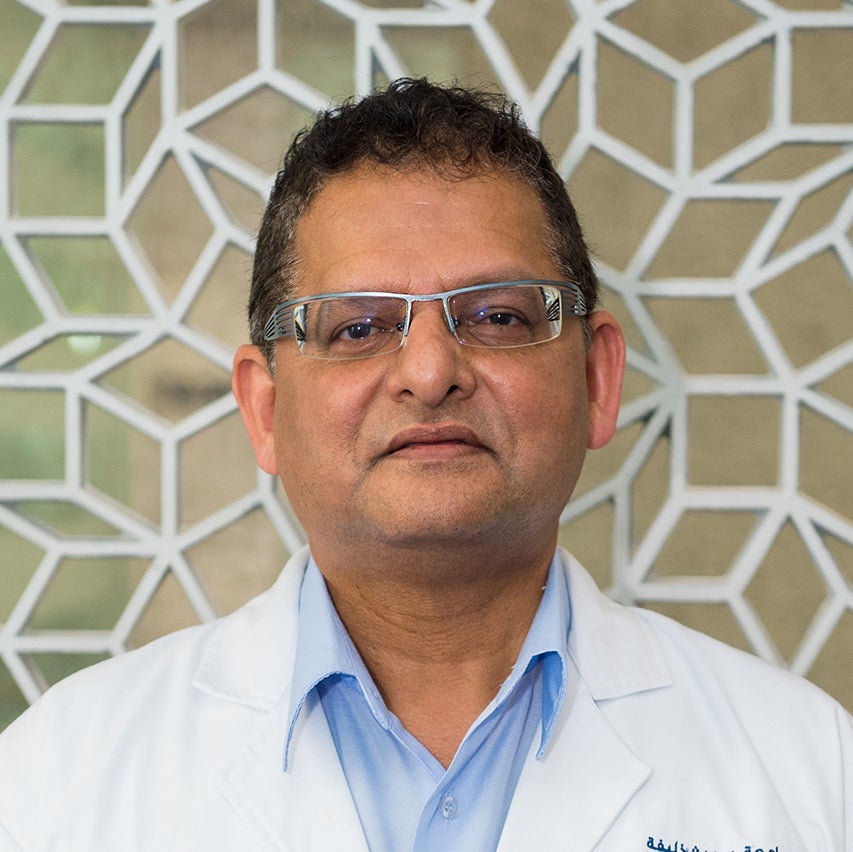
Dr. Dindial Ramotar
Professor
Sponsor
QNRF
Project ID
NPRP8-1744-3-357X
Total Funding
$649,434.00 for three years
Diabetes mellitus is a major public health problem in Qatar with a prevalence rate reaching 17% in national citizens. Increased susceptibility to microbial infections is common among chronic diabetic patients and is associated with serious complications and increased morbidity and mortality. The mortality rate of invasive bacterial infections has reduced significantly since the introduction of antibiotic therapy. However, the resistance to antibiotics is becoming a serious medical problem contributing to the high medical cost. The team’s overall aim is to deploy a potential inorganic route (metalo-antibiotic) to treat localized infections that require long-term antibiotic treatment combined with medical and surgical intervention. They have selected osteomyelitis (bone infection) as a model to evaluate the inorganic route to treat infection. Osteomyelitis is being seen with increasing frequency in patients with chronic diseases such as diabetes and peripheral vascular disease and in patients with poor dental hygiene. Osteomyelitis is a progressive infection that could result in limb amputation or patient death. The team has synthesized a unique composition of particles that are able to extend their residual efficacy on bacteria for an extended time compared to conventional antibiotics. In their in vitro preliminary experiments, it was demonstrated that metalo-antibiotics are effective against intracellular bacterial infections without damaging the host cells. The in vivo experiments demonstrated a tolerance of the particles for doses up to 20 times higher than the anticipated treatment dose.
The data showed that administering metalo-antibiotic intramuscularly induced a significant reduction in bacterial CFUs in the infected tibia of BALB/c mice. The team has designed an approach to evaluate three specific aims that consider the suitability of treating osteomyelitis with metalo-antibiotics composed of Ag-Cu-B. The specific aims are (1) engineer site-specific metalo-antibiotic delivery vehicles. The designed capsule will be engineered with ligands that specifically target the infection sites. The efficacy of the engineered theranostic vehicle will be first evaluated in vitro (2) perform toxicology assessment of the engineered theranostic compounds in vivo to predict safety in humans and (2) perform efficacy assessment of engineered theranostics against osteomyelitis in a mouse model to predict effectiveness for treating localized infection in humans. Overall, the project will have two main impacts: a) creation of novel inorganic nano-based composites to fight against bacterial infections particularly those requiring long-term antibiotic or surgical treatment and/or are polymicrobial b) reduction of critical technical risk through the generation of pre-clinical data of the employment of inorganic antibacterial complexes.
Lead Principal Investigator (LPI)
Dr. Mustapha Aouida
Research Scientist & Lab Manager
Sponsor
ExxonMobil Qatar (EXMQ)
Project ID
ExxonMobil-0121-001
Total Funding
$180,000 for two years ending February 2023
During oil and natural gas production, so-called “produced water” comprises the largest byproduct stream. Oil and gas-produced water may serve a range of beneficial purposes, particularly in arid regions, if managed correctly. Numerous treatment technologies have been developed that allow for injection, discharge to the land surface, or beneficial reuse. Bioremediation is the process by which biological activities rid an environment of chemical pollutants. Most commonly, bioremediation employs microbes containing enzymes able to transform and decompose the pollutant. Many ecosystems are thought to contain a natural population of microbes with the capacity to degrade hydrocarbons. Microalgae play an important role in controlling and biomonitoring of organic pollutants in the aquatic ecosystem and the use of microalgae in the bioremediation of colored wastewater has attracted great interest due to their central role in carbon dioxide fixation. In addition, the algae biomass generated has great potential as feedstock for biofuel production. Thus, these bioremediation capabilities of microalgae are useful for environmental sustainability.
However, the primary challenge to bioremediation is that the indigenous population of microbes may not have the capacity to degrade all contaminants present, or their ability to degrade the contaminants may be hindered by the eventual lack of other resources (i.e. while there is plenty of carbon available in the oil, nitrogen or phosphorus become limiting nutrients). To overcome these obstacles, genetic engineering can solve this problem and offers a promising tool to improve the absorption and bioremediation of many wastewater pollutants. CRISPR (clustered regularly interspaced short palindromic repeats)-based methods have been developed, making targeted gene disruption and editing possible. Genetic engineering toolkits are becoming publicly available and should accelerate the development of robust organisms to treat wastewater treatments.
Lead Principal Investigator (LPI)
Dr. Mohammad Farhan
Assistant Professor
Sponsor
QNRF
Project ID
HSRP 03-1230-200029
Total Funding
QAR 30,000 for one year.
The science of genetics has contributed immensely to understanding the biological system and various biological materials like plants, yeast, c. elegans is used for an introduction to genetic courses in high schools. Drosophila has long been used for the demonstration of basic principles of genetics like the mechanism of inheritance and contributed hugely to building the foundation of modern genetics. Further, owing to the conservation of signaling pathways that shape and pattern an organism, the most basic understanding of signaling pathways in an organism development comes from Drosophila research. Teaching genetics through Drosophila offers various advantages; the short life cycle of 10 days, over 75% conservation of human disease genes, most of the homolog genes are expressed in Drosophila tissues and perform functions equivalent to those in human tissues and genetic mutant or RNAi (for reducing gene function in a desired tissue) for every human homolog gene.
Finding genes associated with a developmental process can be accomplished through various ways, forward genetic methods in which mutagenized organisms are examined for alteration in phenotype of interest is the most popular approach. Transforming growth factor-beta (TGF-β) and bone morphogenetic protein (BMP) signaling pathways are conserved pathways that participate in a variety of key processes in an organism embryonic and imaginal development. The ubiquitin-proteasome system (UPS) is required to achieve precise temporal and spatial regulation of diverse proteins and target damaged or unneeded proteins for the degradation. UPS-based protein rate regulation is achieved through a process of ubiquitination (a process of tagging proteins with ubiquitin). Ubiquitination is achieved through ubiquitin ligases. While the human genome encodes ~1000s of ubiquitin ligases, only a few have been characterized for their role in the ubiquitin-proteasome system and for their targets. Several ubiquitin ligases have been shown to regulate TGF-β signaling pathways. In this project, they will target HECT family E3 ubiquitin ligases.
Through this project, they will introduce practical genetics through Drosophila to high school students. Through these experimental hand-on experiences students will learn how principles of inheritance work, how reducing the function of a single gene during development may alter the development of one or many body organs and how these mechanisms could be used to understand human health and diseases.
Lead Principal Investigator (LPI)
Dr. Mohammad Farhan
Assistant Professor
Sponsor
QNRF
Project ID
UREP28-269-1-051
Total Funding
QAR 50,000 for one year.
Many pathogenic mutations related to neurodevelopmental diseases are associated with both neuronal and non-neuronal features, however functional characterization and validations have mainly focused on the molecular basis of neuronal defects. Although these efforts will advance our understanding of the novel role of genes implicated in human diseases, how genes associated with neurodevelopmental disorders play a role in non-neuronal phenotypes is still unclear. Therefore, it's necessary to analyze more neurodevelopmental genes for their role in non-neuronal phenotypes to be able to gain mechanistic insight into causing these phenotypes and further our understanding of the role of a gene in a system or organism level. In this project, we will utilize Drosophila melanogaster to study the effect of selected neurodevelopmental genes on the brain, wing, and intestine development. This project emphasizes the importance of genes toward both global and tissue-specific developmental mechanisms.
Lead Principal Investigator (LPI)

Dr. Kabir Biswas
Assistant Professor
Sponsor
HBKU Innovation Center
Project ID
IIF_Cycle_4_6
Total Funding
QAR 49,619
Viruses continue to evolve and emerge as virulent pathogens causing significant loss of human lives and economic activities. This is acutely exemplified by COVID-19 causing SARS-CoV-2 and its variants. One of the strategies to deal with such emergent pathogens is their early detection requiring the development of massively deployable technologies. In line with this, the team will propose to engineer a versatile biosensor platform (BioNAD) for highly sensitive and specific, rapid, and cost-effective virus detection in patient or environmental samples.
Lead Principal Investigator (LPI)
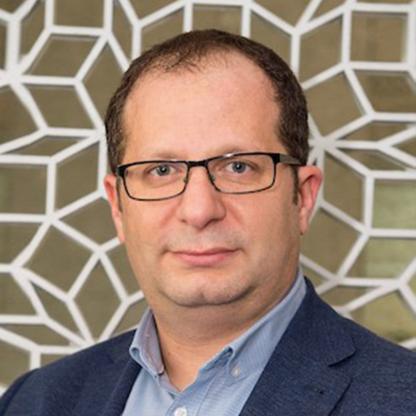
Dr. Ayman Al Haj Zen
Assistant Professor
Sponsor
Medical Research Centre - Hamad Medical Corporation
Project ID
MRC-01-20-1002
Total Funding
QAR 67,300 for six months
Growing clinical evidence shows a significant correlation between the severity of COVID-19 symptoms and the incidence of cardiovascular complications (e.g., heart failure, thrombotic events). It emerges that endothelial dysfunction contributes to the initiation and propagation of acute respiratory failure in severe COVID-19 patients. COVID-19 infects the host cells via the angiotensin-converting enzyme 2 (ACE2) receptor, which is highly expressed in the vascular endothelium. The binding of the COVID-19 spike protein to ACE2 causes a decrease of cellular ACE2 level.
Reduced ACE2 activity leads to a widespread endothelial dysfunction manifested by enhanced vascular permeability and exacerbated thrombotic events, which take part in the pathology of severe cases of COVID-19 patients. In this proposal, we will develop a high content assay for evaluating endothelial function by measuring the nitric oxide production in human endothelial cells. ACE2 will be knock-downed by siRNA, thus recapitulating clinically the endothelial dysfunction associated with ACE2 downregulation in the severe cases of COVID-19. Using the optimized assay, the team will conduct a high-throughput screen of an FDA-approved drug library to identify candidates that counteract the endothelial dysfunction caused by the ACE2 deficiency. The screen will generate novel drug(s) that can be repurposed to prevent the severe vascular complications in COVID-19 patients.
Lead Principal Investigator (LPI)
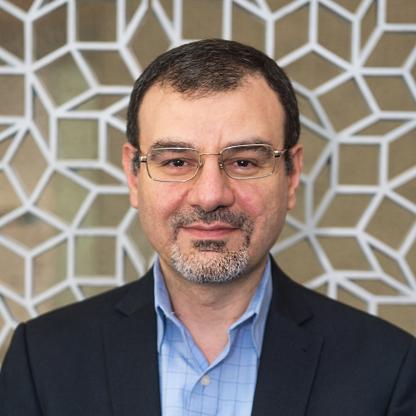
Dr. Omar Albagha
Assistant Professor
Sponsor
QNRF
Project ID
PPM 03-0324-190038
Total Funding
$573,223 for three years.
Familial hypercholesterolemia (FH) is a common inherited cause of raised cholesterol (hypercholesterolemia), causing early heart disease and early death. This can be effectively prevented by taking cholesterol-lowering medication. It is estimated that between 1 in 250 and 1 in 500 of the world population are affected by FH. The World Health Organization has recognized FH as a public health concern since 1998. However, most people with FH are not identified and remain untreated. Without appropriate cholesterol-reducing treatment, such as statins, these individuals can develop early coronary heart disease (CHD) with up to 50% of men likely to develop CHD by age 50 years and 30% of women similarly affected by age 60 years. The overall aim of the study is to explore whether the identification and management of severe hypercholesterolemia can be improved in the Qatari population by using better case-finding tools and Qatari-specific genomic tests. The prevalence and genetic architecture of FH will be determined in the Qatari population. A comprehensive Qatari-specific gene panel for genetic testing of FH will be developed. Different precision medicine strategies for the identification and management of FH will be evaluated and the optimal strategy will be identified. The findings from this project will be useful clinically in assessing patients with inherited hypercholesterolemia and identify those with a high risk of inherited forms for genetic testing using a Qatar-specific panel for delivering better diagnosis and intervention to prevent the development of CHD and associated complications.
Lead Principal Investigator (LPI)
Dr. Omar Albagha
Assistant Professor
Sponsor
QNRF
Project ID
NPRP11C-0115-180010
Total Funding
$642,300 for five years.
Genetic factors play an important role in many complex diseases including type 2 diabetes (T2D). The heritability of T2D is 30-70%; relatives of patients have a three -fold increase of T2D risk. Genetic studies have identified over 100 genetic risk variants for T2D. However, most studies were performed in European and Asian populations and little is known about the contribution of genetic variations to T2D risk in the Qatari population. Other, less common forms of diabetes show clear inheritance patterns and are usually caused by mutations in a single gene (monogenic diabetes). Mutations in over 30 genes have been identified as the cause of monogenic forms of diabetes including neonatal diabetes mellitus (NDM) and maturity-onset diabetes of the young (MODY) but the prevalence of these mutations in the Qatari population is not known. The team will perform GWAS of diabetes and prediabetes compared to healthy controls to identify genetic variations predisposing diabetic and pre-diabetic states. Epigenetic factors will be investigated using MethylationEPIC BeadChip to assess DNA methylation profiles in a subset of 100 pre-diabetic cases compared to 100 controls.
GWAS of diabetes will be conducted on cases compared to healthy controls to identify novel variations associated with T2D risk and assess the contribution of known predisposing genetic variations to T2D in the Qatari population. To assess the prevalence of mutations causing MODY in Qatar, they will investigate all deleterious mutations in the 30 genes known to cause monogenic forms of diabetes. Expected outcomes include identifying genetic and epigenetic risk factors for prediabetes and the prevalence and contribution of genetic factors to T2D and monogenic forms of diabetes in Qatar. Besides advancing the understanding of disease mechanisms, the findings from this project could be useful clinically in assessing patients at risk of developing prediabetes and target them for early intervention to prevent conversion into a full diabetes state and associated complications. Additionally, identification of the most common mutations causing MODY in Qatar will facilitate genetic testing and personalized treatment based on the causal mutation.
Lead Principal Investigator (LPI)
Dr. Kabir Biswas
Assistant Professor
Sponsor
QNRF
Project ID
UREP28-264-3-092
Total Funding
$20,000
SARS-CoV-2 utilizes its main protease (Mpro) to generate functional proteins from polyproteins for successful replication in host cells. This has led to a significant interest in developing pharmacological agents for targeting Mpro, and therefore, tools allowing the monitoring of its activity in live cells is in demand. Here, we plan to engineer cost effective, next-generation, BRET-based biosensors for monitoring proteolytic activity in live cells and in vitro possessing a higher sensitivity, enabling detection of Mpro activity at low concentrations.
Research Partners
-
 chls-brc
-
 chls-qnrf
-
 chls- hamad medical corporation
-
 chls sidra medicine
Student Researchers
Studying MS. Exercise Science at HBKU has helped me discover my true passion and purpose. I am ambitious in becoming an associate professor and pursue scholarly research and publications in scientific journals. I believe completing a PhD Program will help me develop valuable transferrable skills that will allow me to reinforce Qatar’s 2030 vision for human development (a more educated and a healthier population). Pursuing a Ph.D. degree resonates with my heart and talent as I’m very passionate in acquiring new knowledge and aiming to make a positive change in society by leading innovative research work.
Sumaia Yahya
MS in Exercise Science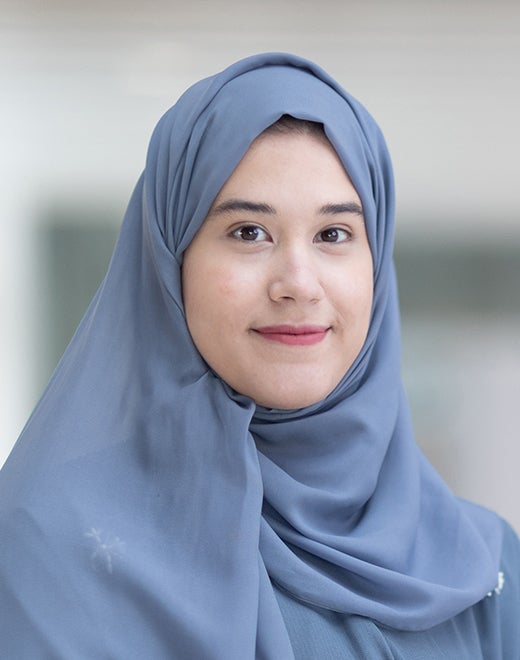
Since a young age, I have always had an interest in Science, especially Biology. That is why I chose Biomedical sciences as a major for my bachelors degree. But my ambition didn't have a limit and I set a new goal to pursue a PhD. CHLS-HBKU made it possible to make my dream come true after ten years of searching for an appropriate graduate program, as it was the first university to offer a PhD program in Biological and Biomedical Sciences in Qatar.
Bakhita Meqbel
PhD in Biological and Biomedical Sciences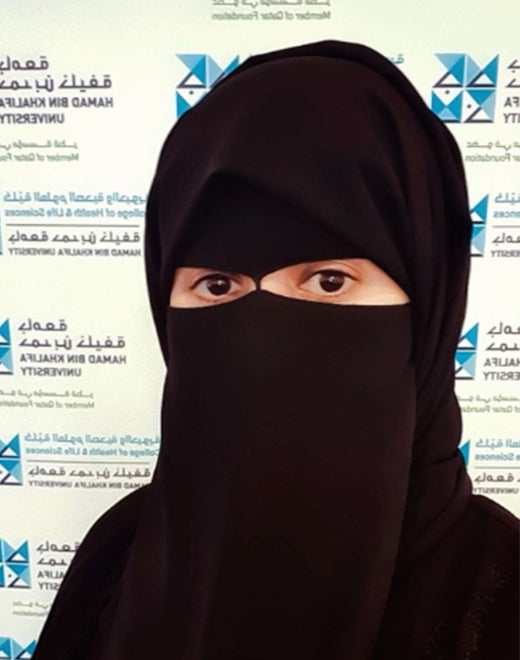
My undergraduate research experience triggered my passion for research and CHLS provided the golden opportunity to pursue my Ph.D. in Biological and Biomedical Sciences while being close to home. The state-of-the-art research facilities and excellent supervision are a perfect amalgamation to nurture budding scientists in Qatar.
Safa Salim
PhD in Biological and Biomedical Sciences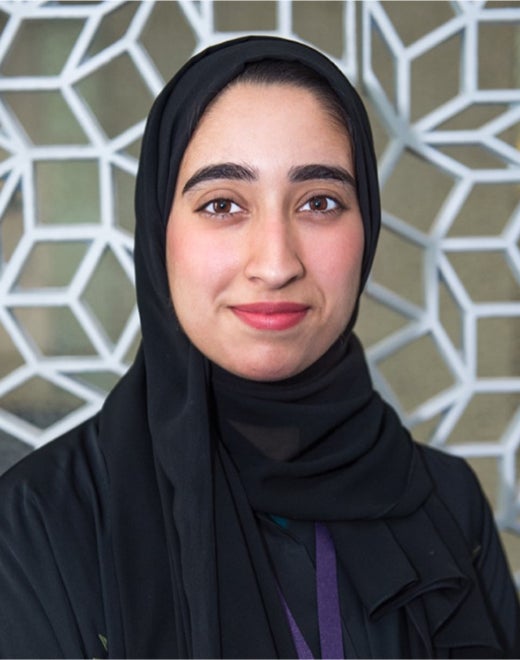
Facts and Figures
100 +
Number of Students
9+
Number of MOUs
69+
Number of publications by primary CHLS faculty
44+
Number of publications by students (2020)
34,330 +
Number of citations by CHLS faculty
18.8+
Avg Institutional H Index