 Apply Now
Overview
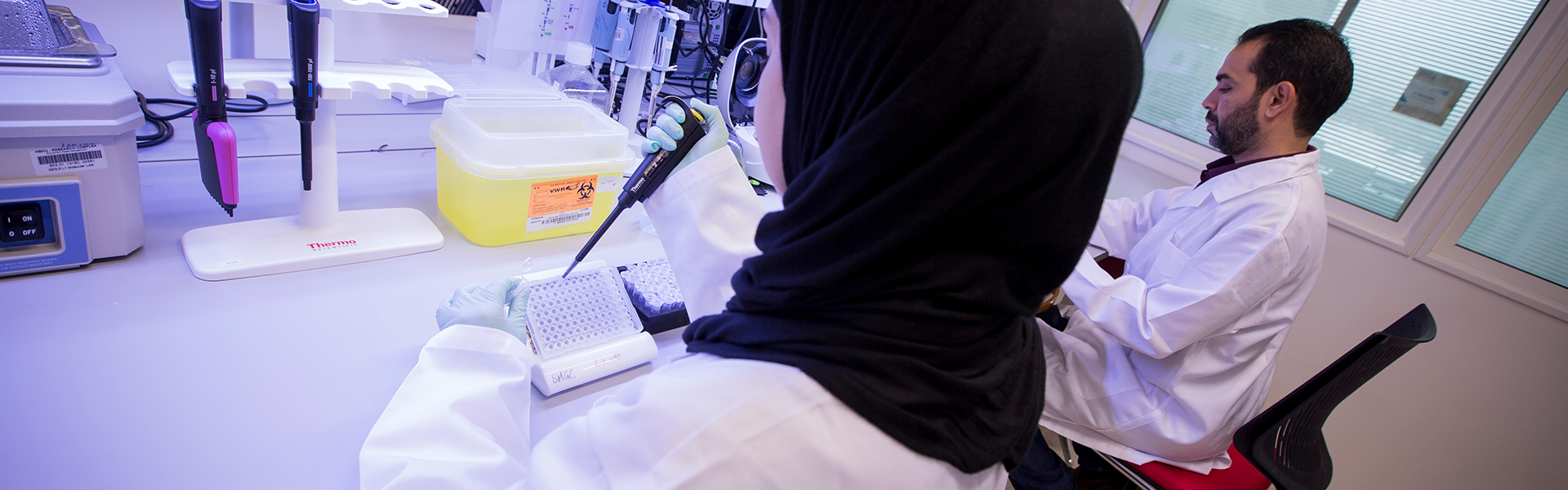
Develop diagnostic tools and therapeutic strategies to optimize cancer care with a focus on breast cancer in Qatar and beyond.
The Translational Oncology Research Center aims to achieve a better understanding of the cellular and molecular bases of cancer initiation and progression with a focus on breast cancer, which is the most common type of cancer among females globally.
The Translational Oncology Research Center’s highest priority is to shed more light on cancer issues that impact Qatar and the Arab region, areas of the world that are underrepresented in cancer research.
A new relevant and contemporary direction for the center is to conduct research in the area of infectious diseases and immunity.
Research Areas
Cancer Immunology and Immunotherapy
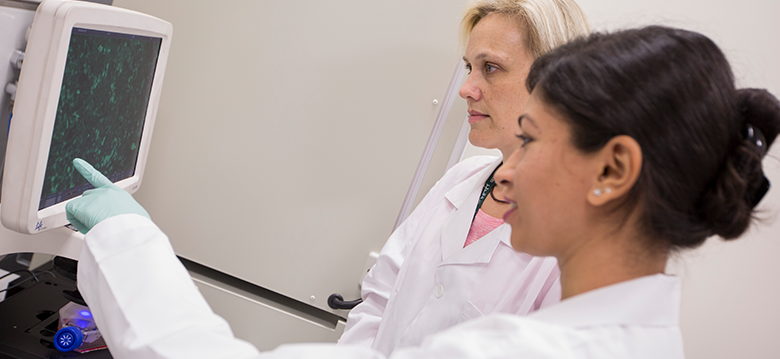
This area explores the tumor microenvironment to gain insight into some of the mechanisms utilized by tumor cells to evade immune-mediated destruction, and how these can be used to develop novel immune-based interventions. The Cancer Immunology and Immunotherapy theme has a vested interest in the development of immunotherapeutic approaches using genetically modified immune cells.

Dr. Julie Decock
Senior Scientist
Dr. Mariam Al-Muftah
Scientist
Cancer Biomarkers and Therapy
This area focuses its research efforts on the identification of diagnostic, prognostic, predictive biomarkers, and novel therapeutic targets for breast cancer. CRC investigators are exploring the potential utilization of protein coding (mRNA), noncoding RNAs (lncRNAs and miRNAs), proteins, and metabolites in breast cancer tissue and circulation as potential disease biomarkers and targets for therapeutic interventions.
Dr. Nehad Alajez
Principal Investigator
Dr. Fares Al Ejeh
Senior Scientist
Oncogenic signaling pathways in breast cancer
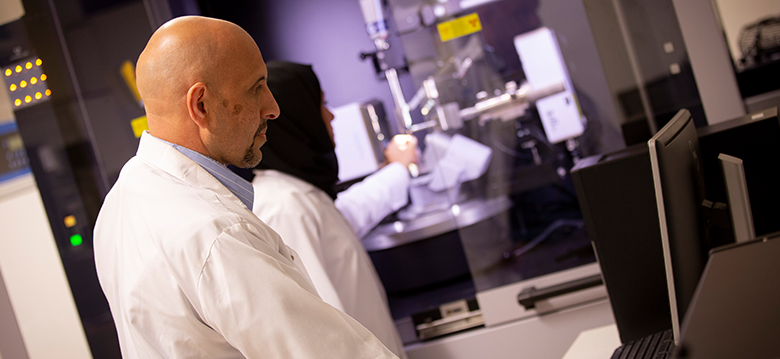
This area investigates the intracellular signaling pathways that control cell proliferation and differentiation and that, when aberrantly activated, underlie oncogenic transformation and progression, with particular attention to breast cancer. Examples include the Wnt, Notch, RTK/PI3K, Hedgehog, or hormonal oncogenic signaling pathways. The understanding of these mechanisms advances the fundamental cell biology and oncology. Furthermore, it establishes a foundation for translational and drug discovery initiatives aimed at addressing cancer in general, with a specific focus on breast cancer.
Dr. Vladimir Katanaev
Acting Executive Director and Scientific Director
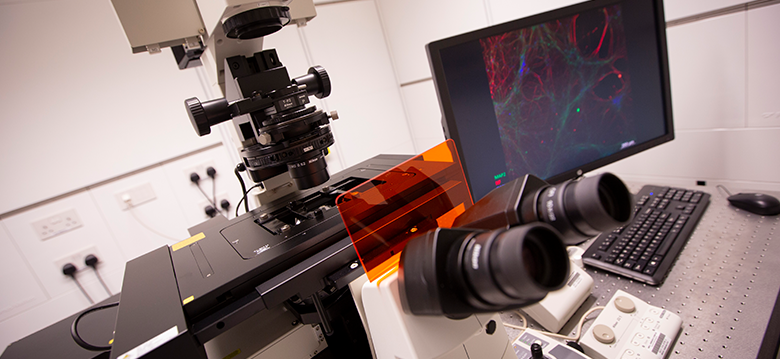
Anticancer drug discovery
This area of R&D represents an important pillar of the Translational Oncology Research Center activities dedicated to translating the fundamental knowledge into actionable anticancer developments. The efforts of the Translational Oncology Research Center over the years have contributed to a better understanding of molecular mechanisms of oncogenic transformation and progression in breast cancer and other malignancies. This knowledge is now used as the basis of innovative drug discovery and development. Including assay development, high-throughput screening, hit-to-lead optimization, animal and other preclinical experimentation, biomarker validation, and interactions with industries and hospitals.
Dr. Vladimir Katanaev
Acting Executive Director and Scientific Director
Research Teams
Dr. Nehad Alajez
Principal Investigator
Dr. Fares Al Ejeh
Senior Scientist
Dr. Julie Decock
Senior Scientist

Dr. Mariam Al-Muftah
Scientist
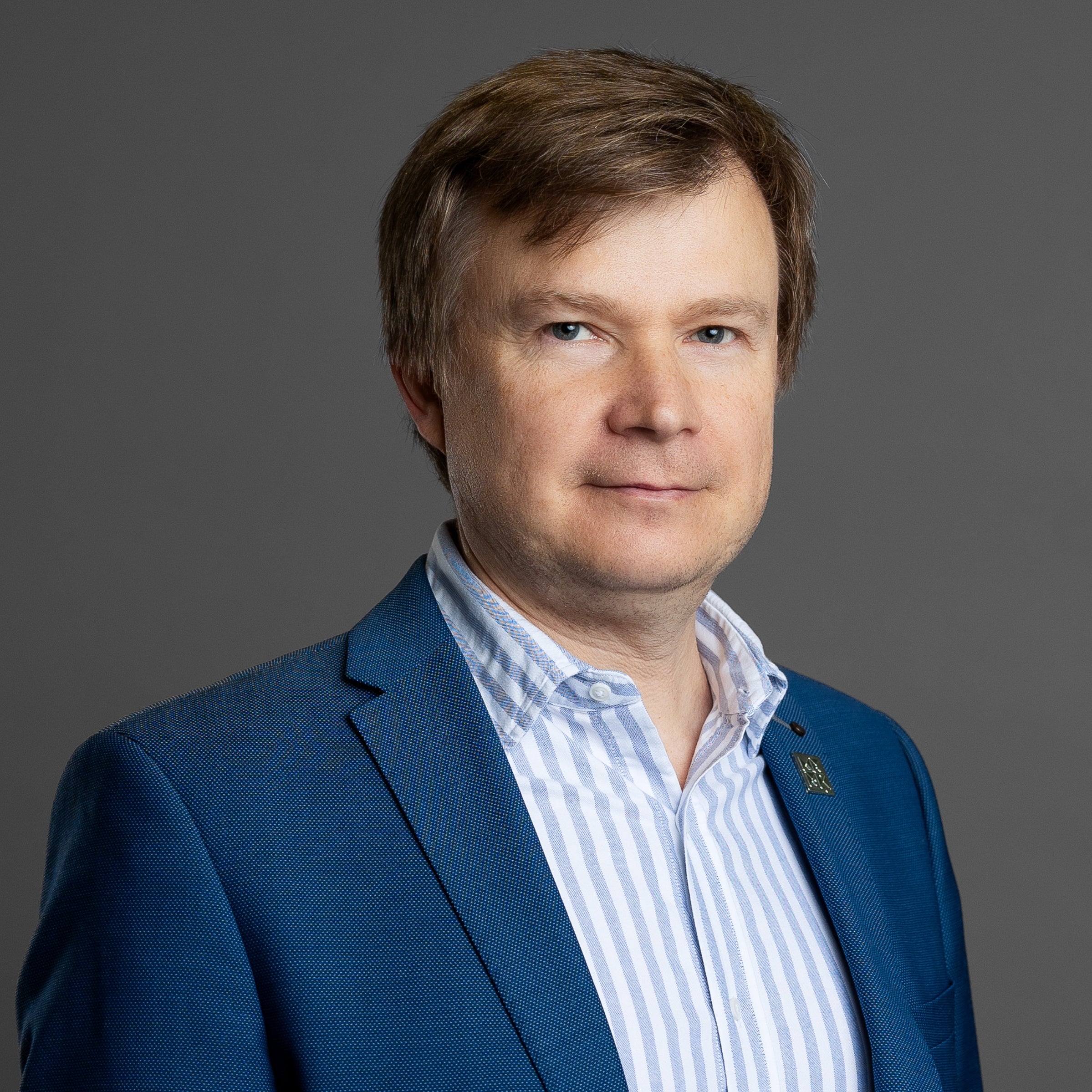
Dr. Vladimir Katanaev
Acting Executive Director and Scientific Director