
 Apply Now
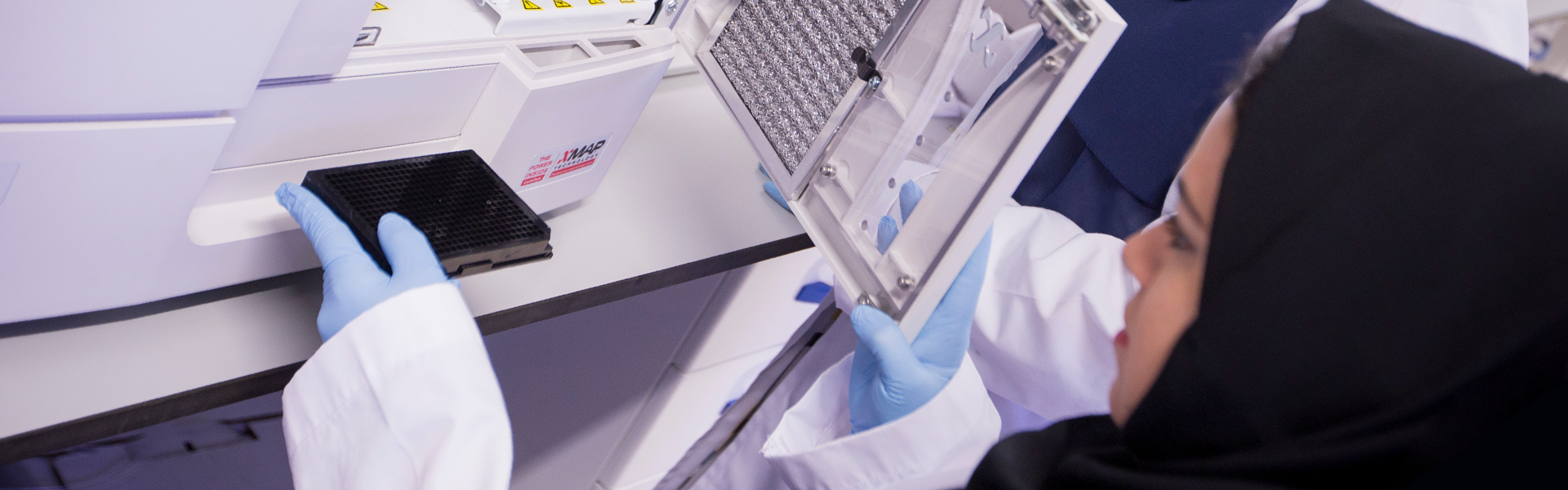
This research team focuses on building patient-specific stem-cell and organoid models to uncover disease mechanisms and guide therapy development in neurodevelopmental and neurodegenerative disorders, such as autism spectrum disorder, leukodystrophies, Down syndrome, and neural tube defects. Using human iPSCs, the team generates brain and spinal cord organoids enriched with key functional cell types, including oligodendrocytes, microglia, and choroid plexus epithelium, to recapitulate neuron-glia-immune crosstalk in vitro.
The team also develops human blood–brain barrier models for autism spectrum disorder, combining iPSC-derived brain microvascular endothelial cells, pericytes, and astrocytes in microfluidic BBB-chips and Transwell systems. These models are paired with CRISPR genome editing and functional readouts, and they integrate multi-omics with machine learning analytics to map conserved dysfunction signatures and prioritise therapeutic targets.
In parallel, the team studies the mechanobiological regulation of organoid morphogenesis and disease phenotypes, focusing on how mechanical stimulation influences tissue self-organization, developmental dynamics, and mechano-transduction pathways. They apply bioengineering strategies to better mimic in vivo-like microenvironments, thereby enhancing organoid maturation, functional performance, and reproducibility.
The overarching goal of this team is to translate organoid-based insights into targeted therapies relevant to Qatar and the region.
Research Team
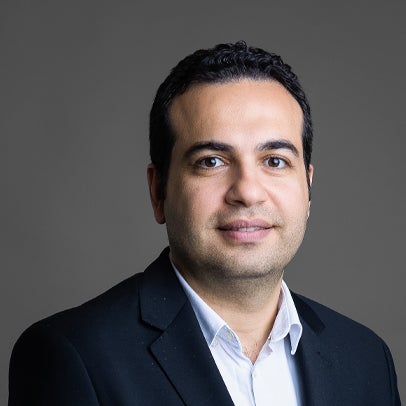
Dr. Mohammed Shaker
Scientist
Qatar Biomedical Research Institute
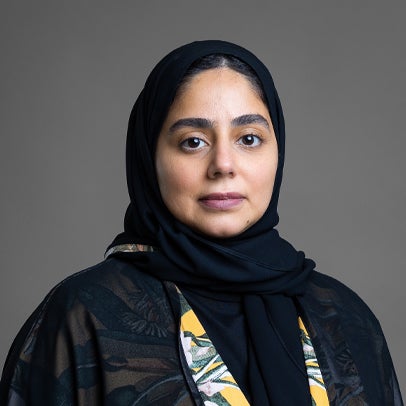
Dr. Noor Ali Al-Maslamani
Research Fellow
Qatar Biomedical Research Institute
Dr. Renuka Prasad Gurunanjaiah
Post-doctoral researcher
Qatar Biomedical Research Institute
Maha Al-Thani
Research Fellow
Qatar Biomedical Research Institute
Rowaida Taha
Senior Research Associate
Qatar Biomedical Research Institute

Abrar A. I. Abuhamdia
MS Student

Zainab Farooq
MS Student

Amani Hamed Rashid Al Waili
MS Student

Mohammed Abdullah Al Shuhoumi
MS Student
Current Projects
Genetic Regulation of Human Neurodevelopment in iPSC-Derived Organoids.
Organoid Models of Neurodevelopmental and Neurodegenerative Disorders.
Blood-Brain Barrier Models for Mechanistic Insight and Therapeutic Discovery.
Mechanobiology and Bioengineering Approaches for Enhancing Organoid Morphogenesis, Maturation, and Function.