News

Hamad Bin Khalifa University Convenes Experts on Regional Energy Interconnectivity and Sustainable Development
The UNESCO Chair on Environmental Law and Sustainable Development at Hamad Bin Khalifa University, in partnership with the Centre for International Law (CIL) at the National University of Singapore, hosted a webinar to mark the publication of “Regional Energy Interconnectivity and Sustainable Development: The Role of International Law.” The volume appears in a special issue of the Journal of Energy and Natural Resources Law (JERL), published by the International Bar Association’s (IBA) Section on Energy, Environment, Natural Resources and Infrastructure Law.
Bringing together perspectives from academia, policy, and practice, the publication examines how international law can support sustainability in cross-border energy projects. Through thematic and geographically diverse case studies, it highlights opportunities and challenges in leveraging legal frameworks to advance regional interconnectivity, while balancing environmental and social priorities.
The webinar examined key themes from the publication, which was co-edited by Professor Damilola S. Olawuyi, Professor and UNESCO Chairholder on Environmental Law and Sustainable Development at the College of Law, and Denise Cheong, former Head of the Energy Law and Policy Team at CIL. The event commenced with remarks from Dr. Susan L. Karamanian, Dean, College of Law at HBKU, and Nilufer Oral, Director, CIL.
Delivering the keynote titled ‘The Importance of Soft Law in Shaping the Future of Energy,’ Leonardo Sempertegui, General Legal Counsel, Organization of the Petroleum Exporting Countries (OPEC), reflected on the evolving energy law landscape. Drawing on his experience, he emphasized the importance of stakeholder collaboration in ensuring sustainable development and strengthening multilateral approaches to energy and environmental governance.
Commenting on the Special Issue, Dr. Olawuyi stated: “Addressing today's interconnected challenges requires collaboration across disciplines, sectors, and borders. By bringing together diverse experiences from different regions, this special issue seeks to advance practical and evidence-based discussions on how international law can support regional energy connectivity while delivering long-term environmental, economic, and social benefits.”
A panel discussion moderated by Dr. Olawuyi and Cheong featured experts from academia and research to examine recent developments in legal and regulatory structures. Discussions explored approaches to mitigating risks in planning and implementing regional projects across key regions, particularly in crisis situations.
Hamad Bin Khalifa University Convenes Experts on Regional Energy Interconnectivity and Sustainable Development
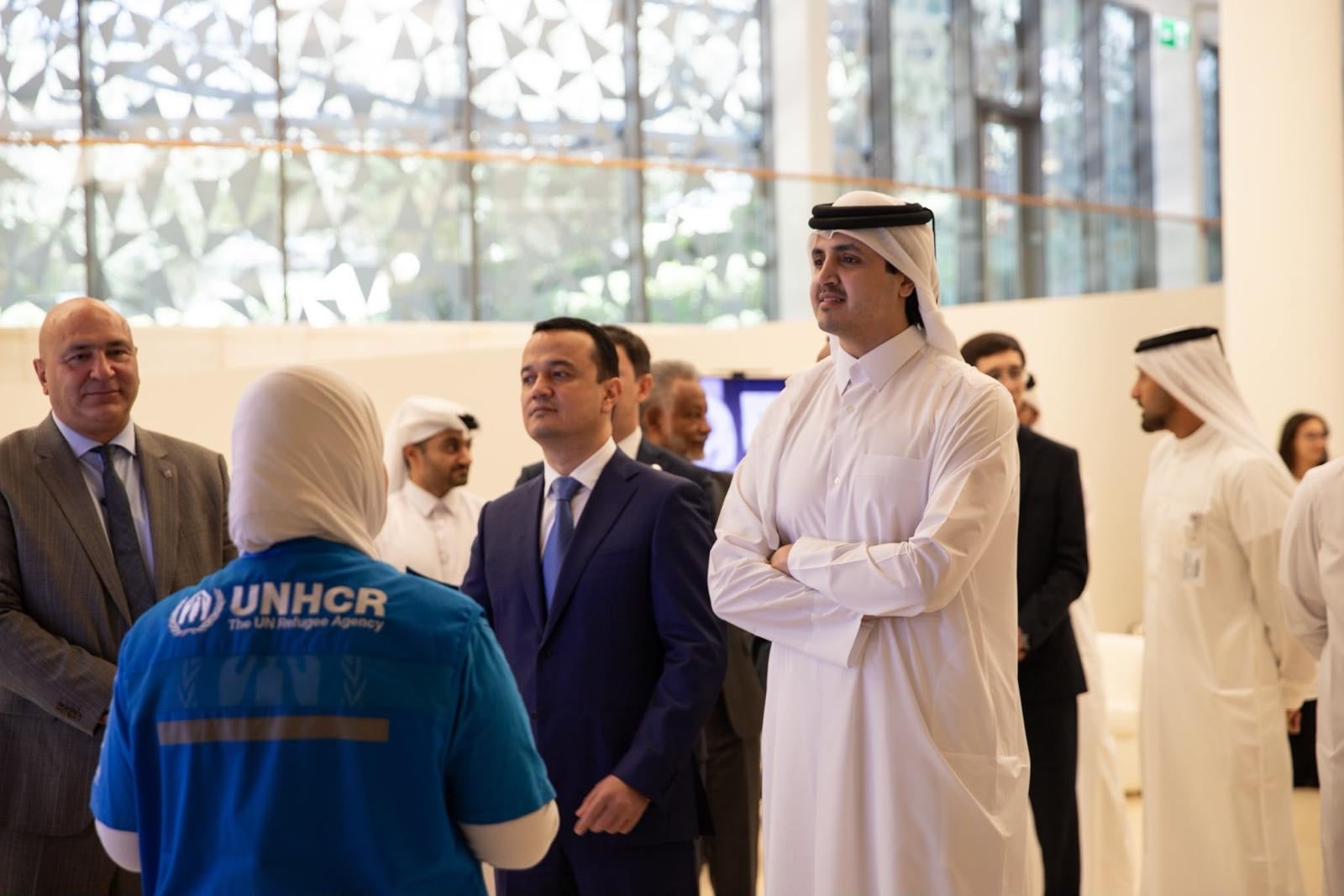
Hamad Bin Khalifa University Partners with QFFD and UNHCR for World Refugee Day Gathering
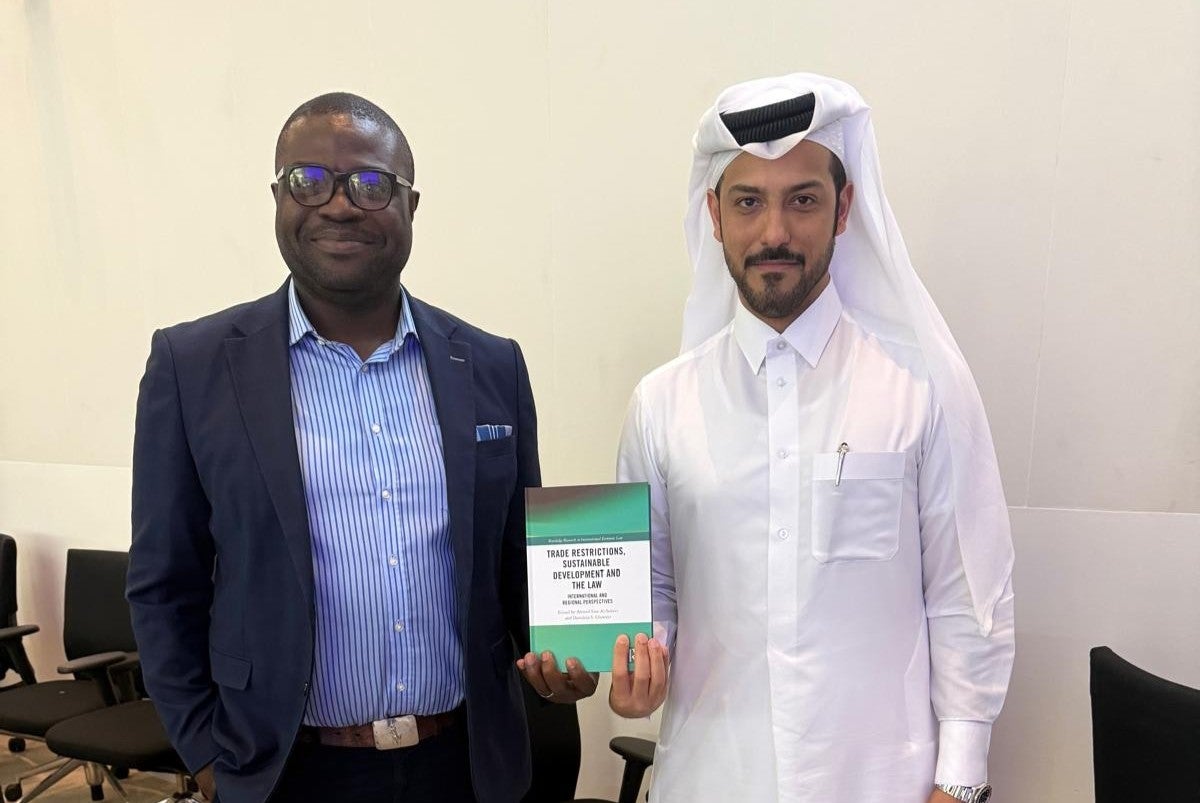
College of Law Faculty Launch Book on Trade Restrictions and Sustainable Development

Ooredoo, Hamad Bin Khalifa University, and Ministry of Defense Establish Qatar’s First Quantum-Safe Communications Link
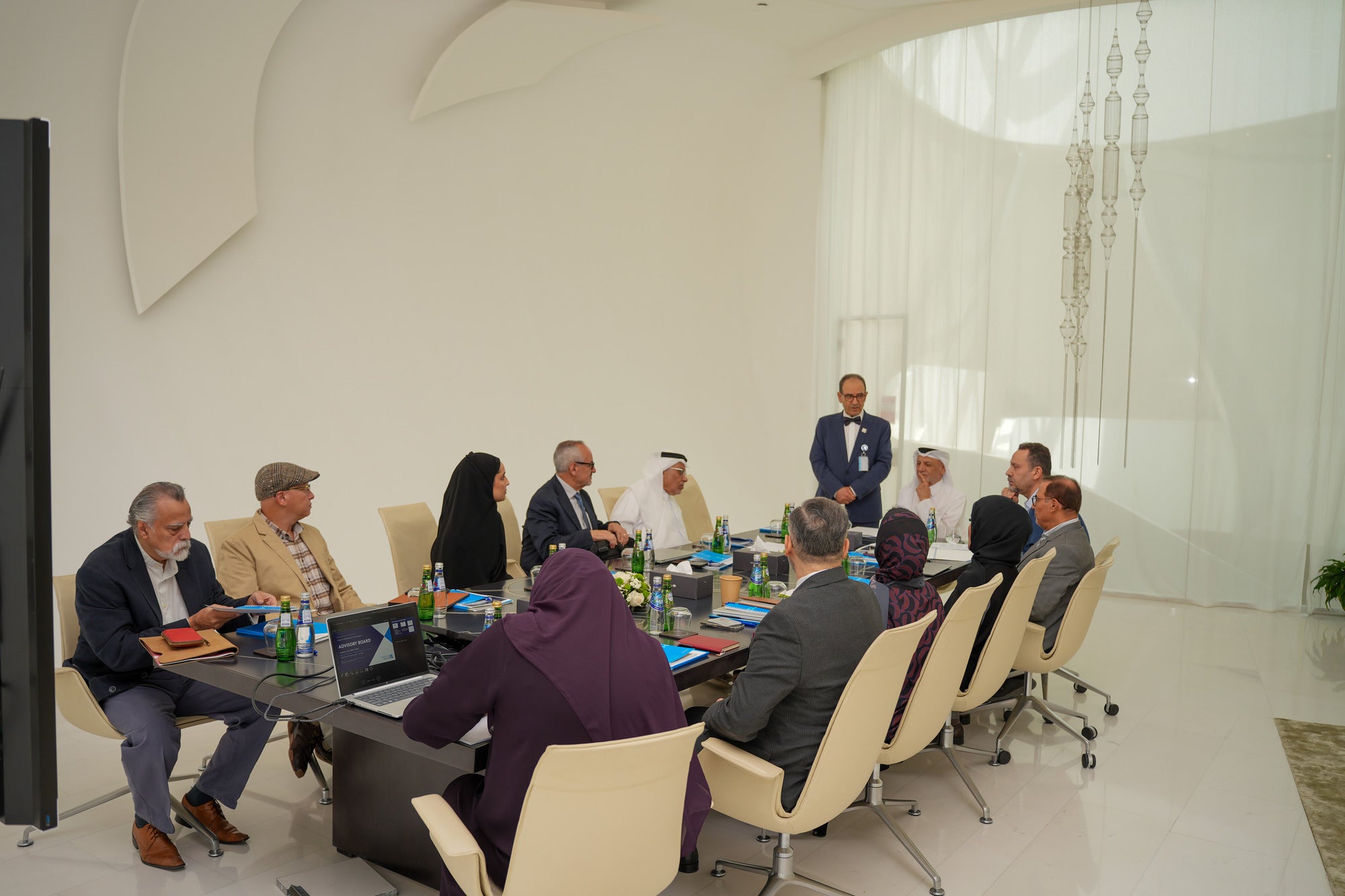
College of Humanities and Social Sciences Holds Advisory Board Meeting to Reflect on Successful Academic Year
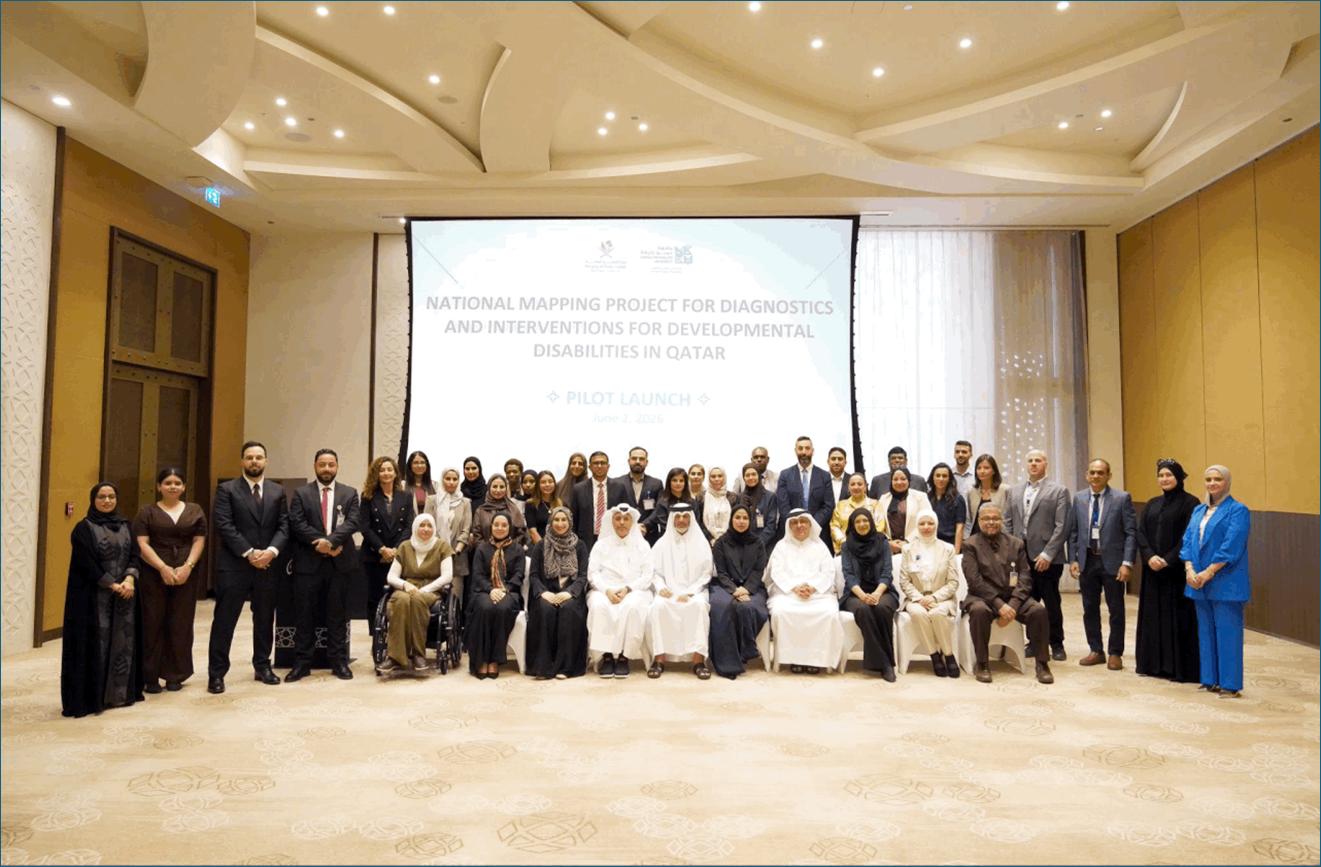
MoPH and HBKU Launch National Survey on Developmental Disabilities Diagnostics, Interventions

Hamad Bin Khalifa University and Imperial College London Launch Strategic Environmental Health Partnership
Insights

When the Language of Research Becomes a Career Decision: Lessons from Hamad Bin Khalifa University
Arab academics often face a stark choice: publish in English to advance careers or Arabic to maximize local relevance and cultural impact. A study by the College of Humanities and Social Sciences nevertheless argues that if universities want genuinely bilingual scholarship, they must align evaluation systems, publishing infrastructure, and AI governance to reward research in both languages.
When the Language of Research Becomes a Career Decision: Lessons from Hamad Bin Khalifa University


Small States, Big Contributions: The Role of Qatar and Other Small States in Shaping the Pandemic Agreement
Qatar’s Engagement with WIPO and the Evolution of Global Intellectual Property Governance